Olin Lagon: David And Goliath On A Hawaiʻi Basketball Court
Underdog stories show us how Davids win. We need more about how Goliaths lose with aloha.
November 5, 2026 · 8 min read

About the Author
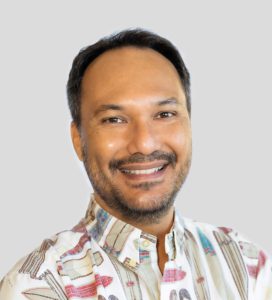
In elementary school, my mom signed me up to play Little League for the Pālolo Keiki Kanes. Before I joined, I think we had gone two seasons without a single win. But we had a new coach and he put his heart into training us.
That first game, I played outfield and I remember it clearly because I lost sight of a pop fly. I got close to catching it but I wished I had missed it by a mile because it smacked right into my forehead. That first game I added two new concepts to my vocabulary … knot and mercy rule.
I played two seasons and we trained really hard. But there was no Disney ending for us. We lost every single game. We were not the kind of David and Goliath story anyone writes about.
Malcolm Gladwell would have asked me a million questions about those seasons. He is one of my favorite writers, and “David and Goliath” is my favorite of his books. Gladwell tells story after story of giants falling to underdogs and argues that this happens more often than you think. Nearly all of his stories are rooted in how the underdogs tweaked something, broke norms, and changed outcomes.
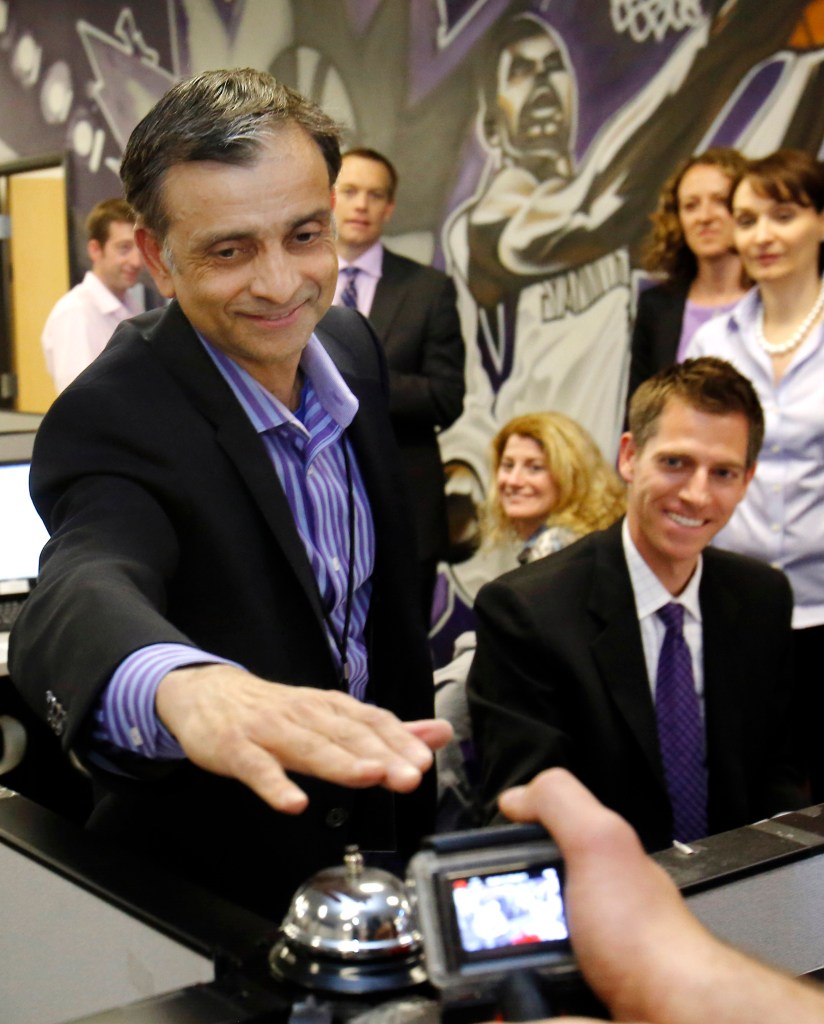
As an example, he shared the story of Vivek Ranadivé, a Silicon Valley dad who decided to coach his 12-year-old daughter’s basketball team despite not being very familiar with basketball. Gladwell describes them as the daughters of “nerds and computer programmers” who undertook science projects, read long books and dreamed of becoming marine biologists. “They couldn’t shoot,” he wrote, and they “weren’t all that tall.”
Ranadivé grew up loving soccer and cricket, and it must have influenced how he wanted his girls to play. Instead of the norm of letting your opponents dribble to your side uncontested, Ranadivé trained his girls to defend every single inch of the court for every minute of the game. Teams were not ready or trained for this type of play, and his girls won game after game. They kept winning and made it to the national championships, and probably into some future Disney movie.
I think Gladwell knew about the story I’m about to tell, and I think I know why he left it out. It doesn’t fit the pattern of his book. Gladwell went digging for the story of why the underdog won. I’m after the story of what happens after a Goliath falls but chooses to help David.

Ideas showcases stories, opinion and analysis about Hawaiʻi, from the state’s sharpest thinkers, to stretch our collective thinking about a problem or an issue. Email news@civilbeat.org to submit an idea or an essay.
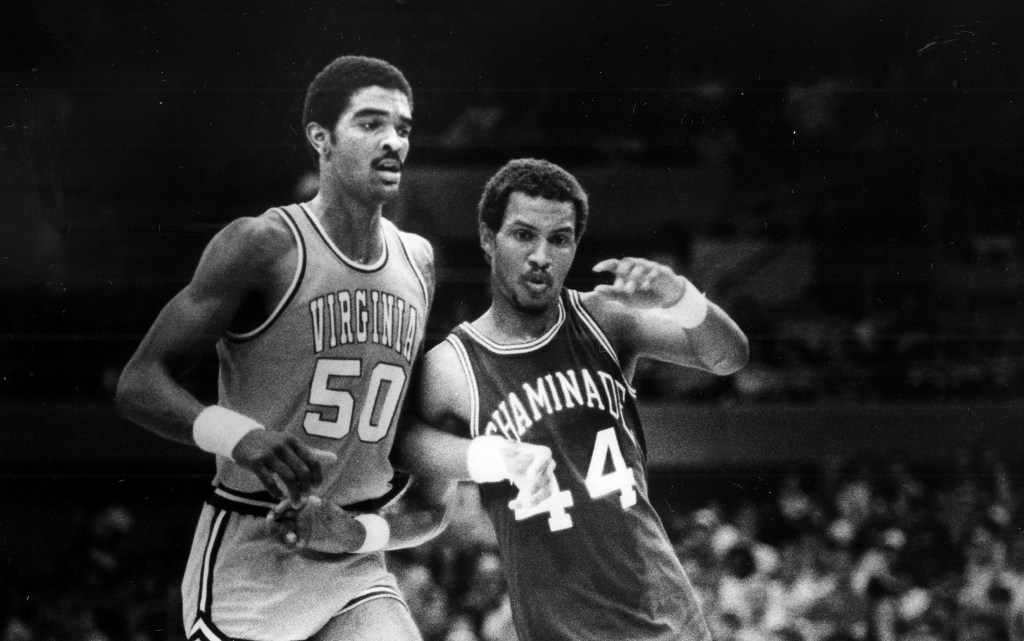
In December 1982, Virginia was the No. 1 college basketball team in the country, undefeated, feared. They had the best player in the country, 7-foot-4 Ralph Sampson, who would go on to be the No. 1 draft pick in the NBA. Virginia was stacked with talent like Rick Carlisle, who would win NBA titles as a player and later as a head coach.
The NCAA had a rule that games played outside of the continental U.S. did not count against the max number of games a team could play. These “bonus” games were valuable recruiting tools to attract stars with the lure of exotic travel to play in places like Japan and Hawaiʻi. But they still counted towards a team’s national championship hopes so they were serious games.
Virginia had just finished one of these bonus trips in Tokyo. Its star, Sampson, got so sick there he had to sit out both games. It didn’t matter. Virginia still easily beat a Houston team led by Hakeem Olajuwon and Clyde Drexler that would play for the national title that spring. After Japan, it was off to Hawaiʻi for the next bonus game.
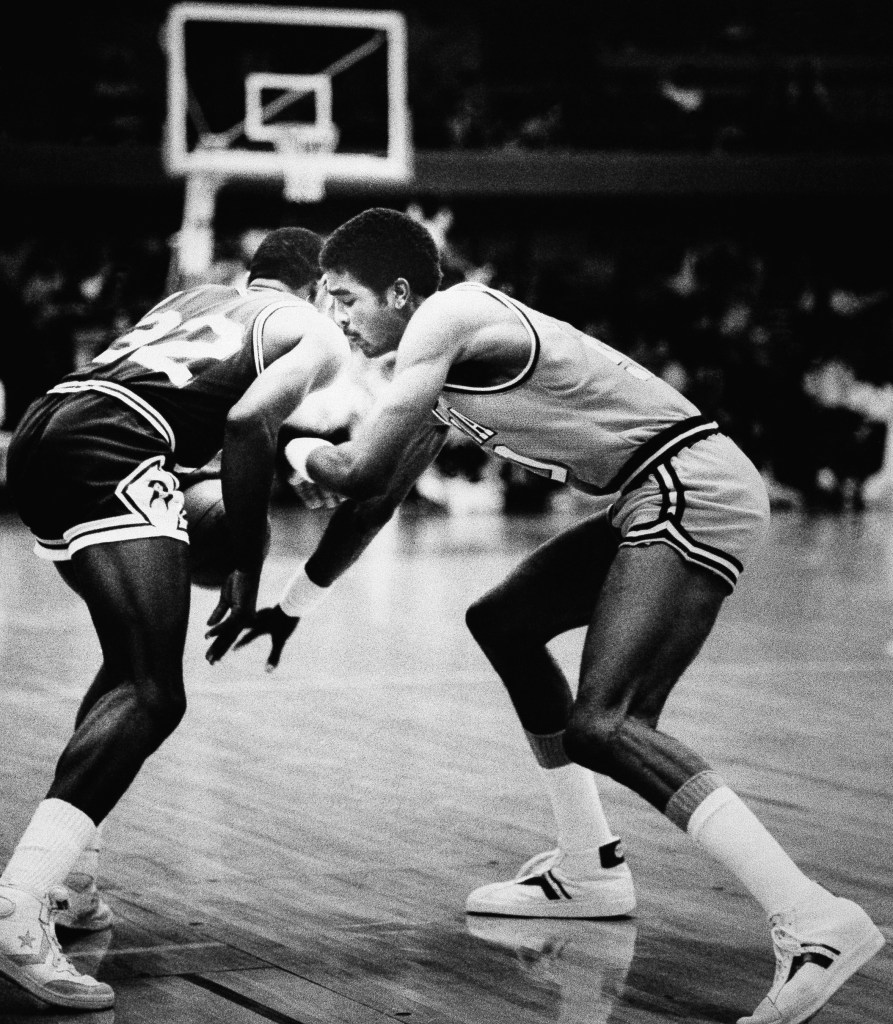
Virginia had hoped to play a fellow Division I school, the University of Hawaiʻi Mānoa, but it didn’t work out. Instead, they went outside the NCAA entirely and booked a game with Chaminade, a small college in Kaimukī with just 900 students. Chaminade’s entire basketball budget was less than $25,000. Virginia had earned more than twice that just for playing in Japan.
Chaminade’s coach was Nānākuli-born Merv Lopes. There were no funds to hire him full time so he kept a day job as a school guidance counselor. He did not have a large staff so he had to do things like wash the uniforms himself and make calls to ask local businesses for donations. For instance, he got towels for his players from Waikīkī hotels.
Virginia had its pick of the best high school players in America. Lopes’ recruiting budget was just $34.
On Dec. 23, 1982, 3,383 fans sprinkled into the Blaisdell. It was not big enough for any TV crew to cover. The only video that exists comes from a fan in the stands.
Chaminade’s center, Tony Randolph, actually knew Sampson. They were from the same area and played against each other in high school.
Before the game, Coach Lopes asked Randolph, “Tony, what makes Ralph Sampson any different from you?” Everyone knew the answer. Sampson was about eight inches taller and the best player in the country. The whole locker room cracked up. But coach Lopes was right. Randolph outscored Sampson 19 to 12, and Chaminade beat Virginia 77-72.
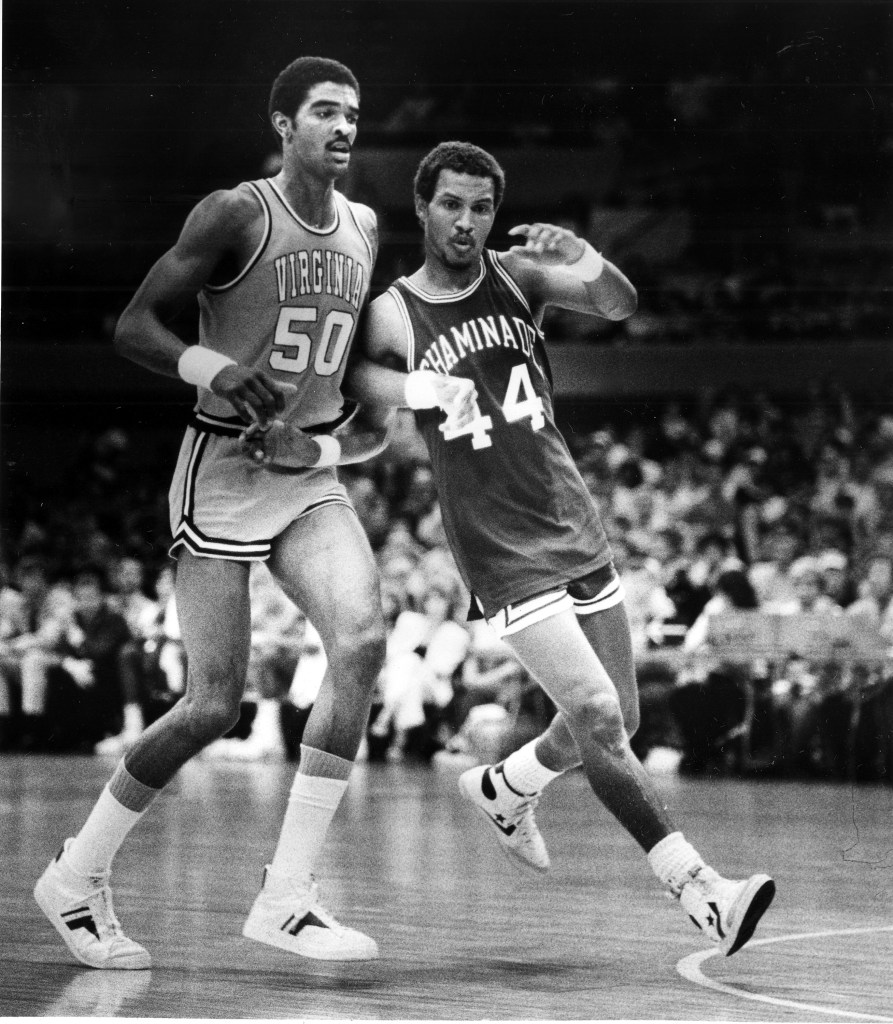
Some still point to this game as the greatest upset in all of college basketball.
And here is where the aloha begins.
Virginia lost its No. 1 ranking. Coach Terry Holland could have moved on or made excuses, but he didn’t. He leaned in. He suggested to Chaminade’s athletic director, Mike Vasconcellos, that tiny Chaminade host a tournament every year that brings the best teams in the country to Hawaiʻi. These teams would play each other and Chaminade would jump in to play too.
Goliath lost and helped David.
This was not just talk. Two years later, four teams played the first tournament, called the Silverswords Invitational after Chaminade’s team, at Konawaena High School. The following year, it moved to Maui and grew into the Maui Invitational.
Today, the tournament brings in about $24 million to Maui each November, one of the slowest times of the year. Chaminade gets about $500,000 a year. A school that once bummed towels from Waikīkī hotels now helps put money in the hands of Maui families and small businesses. And every other year, the Chaminade Silverswords get to play the best teams in the country on ESPN.
I think about this story when I am on the Chaminade campus. I was there last week, talking story about social entrepreneurship with some of the school’s Hogan Entrepreneurs Program students. I’ve been going back whenever they ask for the past two decades. Hogan is a David among business schools, rooted in using entrepreneurship to make the world better for more people. I hope it produces choke Goliaths rooted in aloha.
The students gave me a copy of Reid Hoffman’s book “Superagency.” It’s in my bag as I am traveling in Boston. I love the framing of the subtitle. It asks, “What could possibly go right?” After a loss, most of us ask what went wrong. Coach Holland seemed to ask this other question.
On the drive home from Chaminade that day, I made a note to start collecting more of these stories, another side of Gladwell’s book, where Goliaths show us how to lose with aloha. So far I have this one, but I’m sure I’ll find a whole lot more.
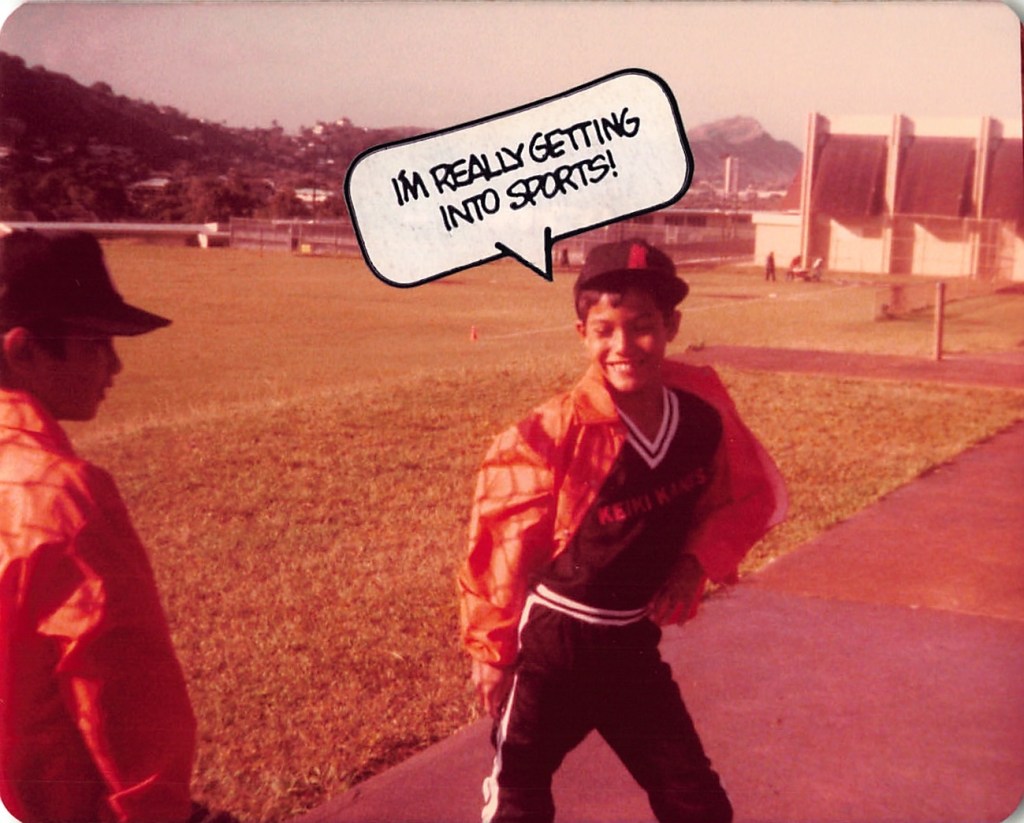
I also thought about my coach from those Keiki Kanes days. I wish I remembered his name, Coach Earl I think. He was a lot like Coach Lopes. I remember how much he cared. He bummed money to buy our uniforms from a local politician (pretty sure it was Calvin Say), got pizza donated after games, and made sure none of us ever felt less than anyone else. The mercy rule cut our games short, but he never gave up on us.
Chaminade has lost nearly all of its games in its own tournament, more than 100, but it still owns what many call the greatest upset in college basketball. By my math, maybe just maybe, us Keiki Kanes were just getting warmed up.
 Sign up for our FREE morning newsletter and face each day more informed.
Read this next:

Local reporting when you need it most
Support timely, accurate, independent journalism.
Honolulu Civil Beat is a nonprofit organization, and your donation helps us produce local reporting that serves all of Hawaii.
ContributeAbout the Author