Healthy Soils Make For A Healthier People
Senate Bill 2110 will expand the work of the state’s Carbon Smart pilot program to help with ecosystem and agroecology recovery.
April 21, 2026 · 5 min read

About the Authors


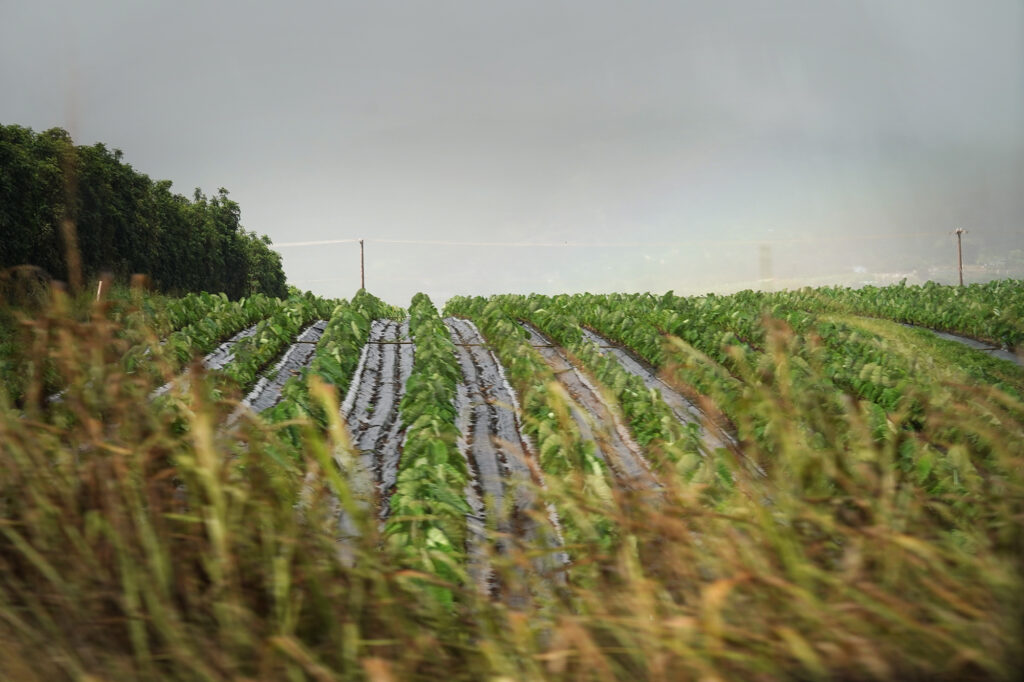
Hawaiʻi’s volcanic soils are among the most naturally productive in the world. Yet 300,000 acres of agricultural land were degraded over decades of sugar and pineapple cultivation alongside wider deforestation. These plantation-era systems relied heavily on synthetic fertilizers and pesticides, continuous mono-cropping, and intensive soil disturbance.
Over decades, many of these lands have lost essential nutrients, as well as the living microbial networks that sustain healthy, resilient soil. Today, much of this former plantation land is poorly suited for growing the diversity of fruits, vegetables, and other crops that Hawaiʻi increasingly needs.
This comprehensive, ongoing degradation of lands has made them more vulnerable to the impacts of climate change, including protracted droughts, extreme storms, flooding, landslides, and land and coastal erosion.

At the same time, Hawaiʻi imports about 85% of its food, leaving the state highly vulnerable to global supply chain disruptions, rising shipping costs, and international price shocks. Food prices have become more volatile worldwide as climate change increases the frequency and severity of droughts, floods, and other extreme events that disrupt production.
In this context, rebuilding local agricultural capacity is not only an economic priority, it is a food security imperative. Expanding local food production at scale, preserving our marine life and hillsides depends fundamentally on healthy soil.
Healthy soils is also about protecting those that are generally disproportionately impacted. The most affected communities who often did the least to contribute to the problem, yet bear the brunt of ecological degradation, rising food costs and food insecurity, unaffordable or inaccessible insurance coverage and costs/displacement caused by extreme climate storms.
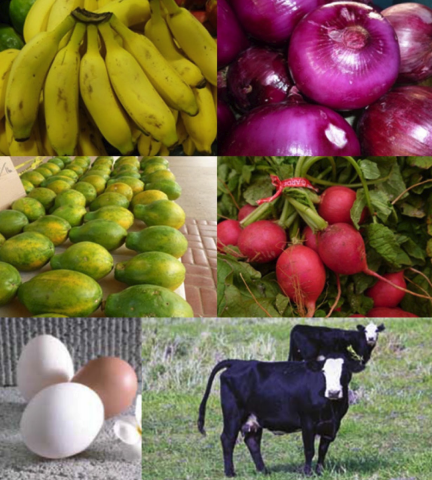
To address these concerns, the legislature established the Carbon Smart pilot program (Act 185, 2022), which led to such successes as: recovery of agroforestry practices native and canoe-plant seeds and nurseries and a wider agricultural plantings; installation of carbon sequestering natural windbreaks and alley crops, implementation of innovative silvopasture with agroforestry, the investment into local organic composting markets, and many more climate-and-carbon considered Hawaii-appropriate practices.
Excitingly, the planting of bioswales by one Carbon Smart partner successfully demonstrated to prevent loss of topsoil into the sea, slowing the water speed and filtering out pollution while protecting ecosystems, food systems, and humans when the March Kona low storms hit Molokaʻi.
This benefit is highlighted in the front page of April 6 Honolulu Star-Advertiser. The story describes the value of indigenous knowledge and how proper whole-systems land management benefits mauka to makai.
Expressed interest and funding applications to participate in the Carbon Smart pilot well outweighed what the pilot could include, exhibiting the need and wishes for this work to continue.
Senate Bill 2110 will enable an expansion and deepening of this work, in cooperation with any re-emergent initiatives, to strengthen climate resilience, localized food systems through soil health, ecosystems/agroecology recovery, and diverse strategies to increase carbon sequestration (strategies largely encompass adaptation with mitigation and increase overall resilience).
SB 2110 is not starting a new project but rather turning a successful pilot program into a regular program to meet the state’s needs.
Transitioning away from chemical-intensive conventional farming is not simple. It requires a return to traditional indigenous knowledge and practices woven in with current technologies, a different mentality to soil management practices, and often significant upfront investment.
Farmers must return to mālama ʻāina, re-learn how to build soil with organic matter, foster beneficial microbial communities, and manage pests and nutrients in more balanced, resilient systems, a return to stewarding the land SB 2110 recognizes these challenges and provides the technical and financial support needed to make that transition achievable.
Healthier soils do far more than increase crop yields. They retain water more effectively, reducing irrigation demand and drought vulnerability. They also reduce runoff, helping to protect streams, nearshore waters, and coastal ecosystems.
In addition, healthy soils store carbon, contributing to climate mitigation, and provide habitat for beneficial insects and organisms that support long-term agricultural productivity. In short, rebuilding soil health strengthens both agriculture and the broader natural environment.
Many farmers in Hawaiʻi are already moving or would like to move in this direction. They recognize that investing in soil health can lower input costs, improve long-term productivity, and strengthen farm resilience. SB 2110 helps accelerate these efforts by making support more practical and accessible.
The bill has gained broad support from agricultural organizations, environmental groups, government agencies, and community stakeholders. In particular, it was one of the Hawai’i Youth Food Council’s and the Climate Future Forum’s policy priorities, reflecting the prevalence of the issue not only among mainstay institutions but also youth-led and grassroots movements.
This reflects a growing consensus that soil health is foundational — not only for farming but also for food security and environmental protection.
Restoring Hawaiʻi’s agricultural lands will take time, but the direction is clear. Healthier soils can expand local food production, reduce dependence on imports, and build a more resilient agricultural system.
Strengthening our soil health is ultimately a long-term investment in both the land and people of Hawaiʻi.
As the youth wrote in their testimony, “The practices this program funds build the kind of food system we want to inherit — one less dependent on imports and resilient enough to feed our communities long-term.”
Healthy soils mean healthy people. Support SB 2110.
 Sign up for our FREE morning newsletter and face each day more informed.
Community Voices aims to encourage broad discussion on many topics of community interest. It’s kind of a cross between Letters to the Editor and op-eds. This is your space to talk about important issues or interesting people who are making a difference in our world. Column lengths should be no more than 800 words and we need a photo of the author and a bio. We welcome video commentary and other multimedia formats. Send to news@civilbeat.org. The opinions and information expressed in Community Voices are solely those of the authors and not Civil Beat.
Local reporting when you need it most
Support timely, accurate, independent journalism.
Honolulu Civil Beat is a nonprofit organization, and your donation helps us produce local reporting that serves all of Hawaii.
ContributeAbout the Authors