Failing To Heed The Lessons Of The 2004 Mānoa Flood
In the 22 years between that flood and the one this week, progress stalled on every front.
March 26, 2026 · 4 min read

About the Author
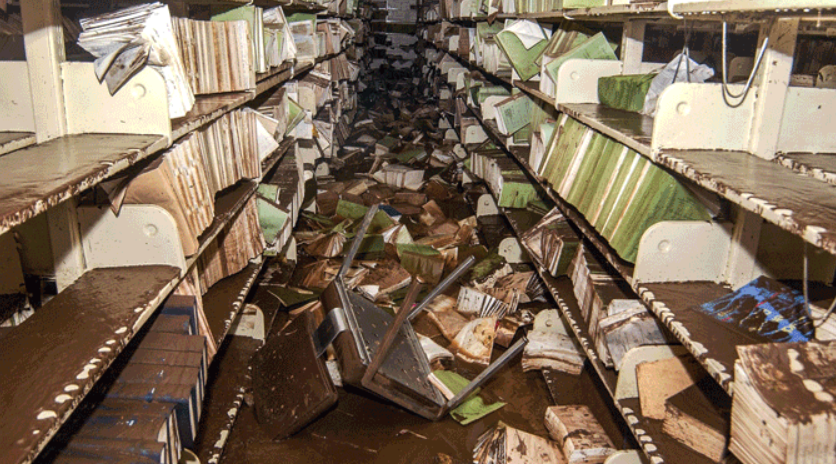
On Oct. 30, 2004, an intense storm stalled over Mānoa Valley, overwhelming Mānoa Stream and sending floodwaters through the University of Hawaiʻi at Mānoa and surrounding neighborhoods.
The disaster caused an estimated $80-85 million in damage, with roughly $80 million concentrated on campus alone, where more than 30 buildings were impacted. Hamilton Library suffered especially severe losses, including millions of dollars in irreplaceable collections and research materials.
I was a teenager then and remember that night clearly. We had gone out to a family dinner for a few hours. In that short time, the flood came and went. When we returned home, there was a car in a tree.

Ideas showcases stories, opinion and analysis about Hawaiʻi, from the state’s sharpest thinkers, to stretch our collective thinking about a problem or an issue. Email news@civilbeat.org to submit an idea or an essay.
In the years that followed, officials proposed the Ala Wai Flood Risk Management Project, formally released in 2017, as a long-promised system meant to protect the watershed through detention basins, channel improvements, and floodwalls. It was supposed to be a solution.
The original design relied heavily on upstream detention basins to capture stormwater and reduce downstream flooding, an approach that, like many large-scale solutions, was met with predictable, self-interested, and short-sighted public opposition.
Case and point: In February 2023, the Mānoa Neighborhood Board, my neighborhood board, passed a resolution opposing any proposed plan that included a detention basin at Mānoa Valley District Park, citing concerns about uncertain flood reduction benefits, neighborhood impacts from a 6-foot berm or excavation, and the availability of an alternative plan that did not require a basin at the park.
When it was later announced at a neighborhood board meeting that the Army Corps of Engineers had decided against the use of detention basins, the news was met with thunderous applause over WebEx, with board members openly rejoicing that their persistence in opposing the basins was precisely why neighborhood boards exist. In that moment, there was celebration but no acknowledgment of what had just been lost: any meaningful upstream flood protection.
I, now in my 30s, was one of only two people who spoke up to warn what this meant. The warning did not resonate.
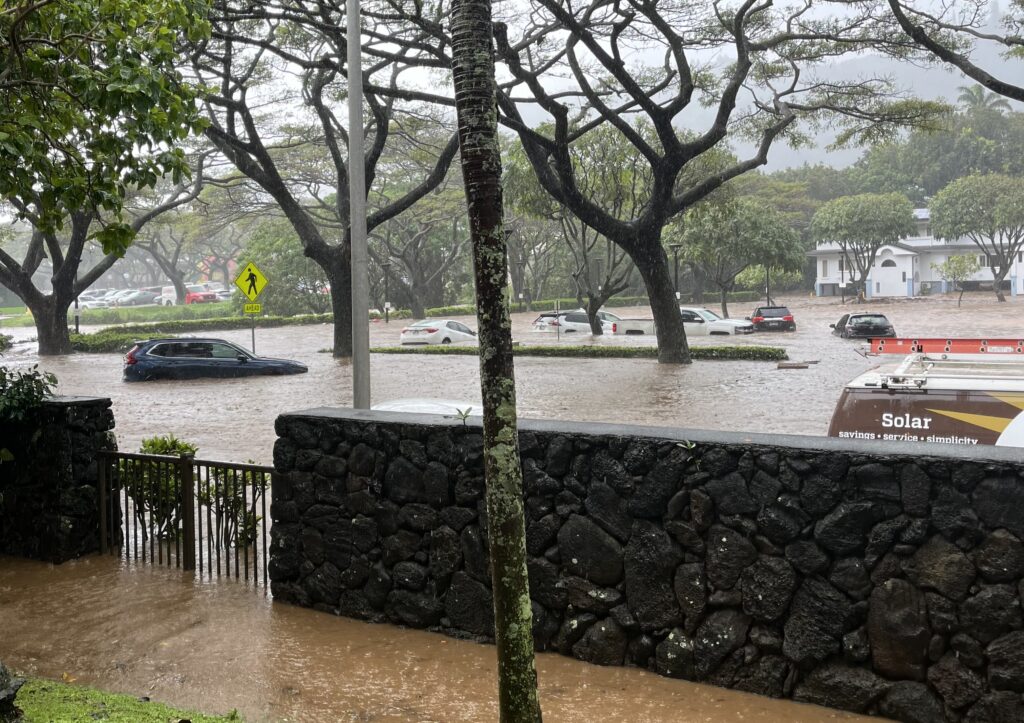
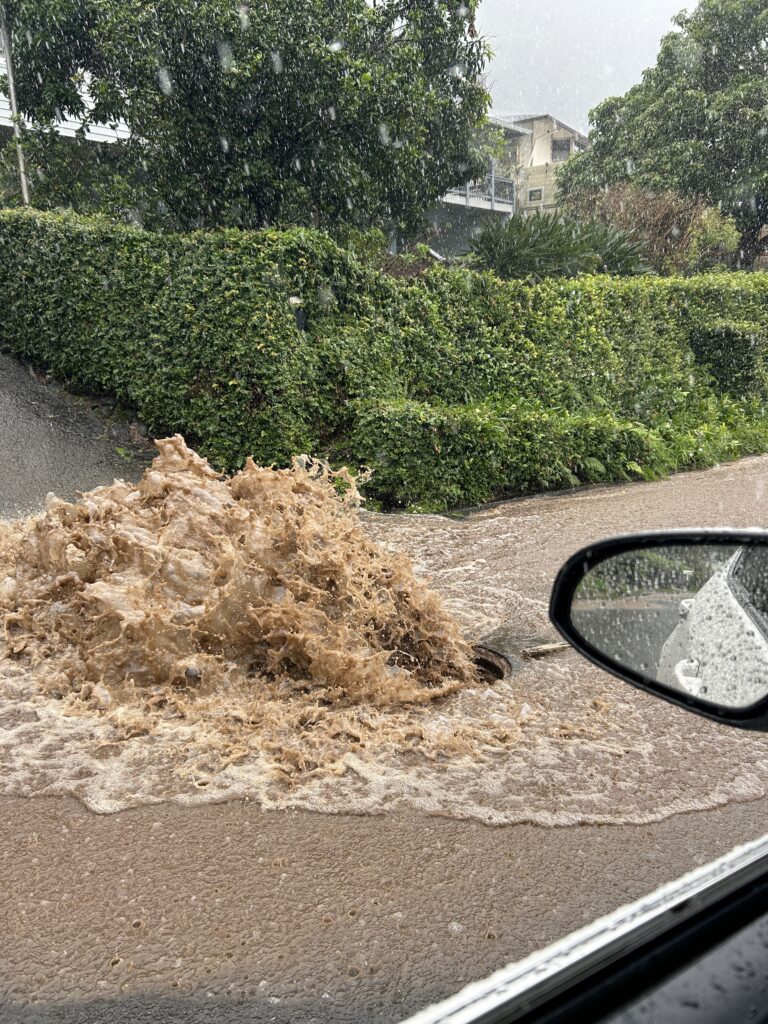
On Monday, 22 years after the 2004 flood, it happened again. The same stream. The same streets. The same consequences.
Floodwaters breached the banks of Mānoa Stream, lifting cars along Woodlawn Drive, flooding Noelani Elementary School, and once again inundating portions of the University of Hawaiʻi at Mānoa. Cleanup is now underway, but the full extent of the damage is still being assessed.
This was not inevitable. We knew the risks. We studied them. We debated them for decades. And still, we did nothing.
In the 22 years between these floods, progress stalled on every front. Plans changed. Studies dragged on. The U.S. Army Corps of Engineers cycled through shifting designs and a far away lawsuit, while sustained community opposition focused only on stopping mitigation measures, instead of finding viable ones.
The result is not just that we are unprotected, it is that we chose to remain unprotected. How many more years will we wait, and how many more millions of dollars will be spent on repairing damages before we do something? Anything?
The next flood is not a question of if, but when — and we are still choosing to be unprepared.
 Sign up for our FREE morning newsletter and face each day more informed.
Community Voices aims to encourage broad discussion on many topics of community interest. It’s kind of a cross between Letters to the Editor and op-eds. This is your space to talk about important issues or interesting people who are making a difference in our world. Column lengths should be no more than 800 words and we need a photo of the author and a bio. We welcome video commentary and other multimedia formats. Send to news@civilbeat.org. The opinions and information expressed in Community Voices are solely those of the authors and not Civil Beat.
Local reporting when you need it most
Support timely, accurate, independent journalism.
Honolulu Civil Beat is a nonprofit organization, and your donation helps us produce local reporting that serves all of Hawaii.
ContributeAbout the Author