Community Is Still Our Strongest Medicine
In these difficult times, take a moment to reach out. Ask how someone is really doing. Listen. Be kind. Offer support.
May 14, 2026 · 4 min read

About the Author

My name is Dr. Christopher Knightsbridge. I was raised on Maui and the Big Island, and I have dedicated my career to helping people navigate mental health challenges and to pushing back against the stigma that still surrounds mental illness.
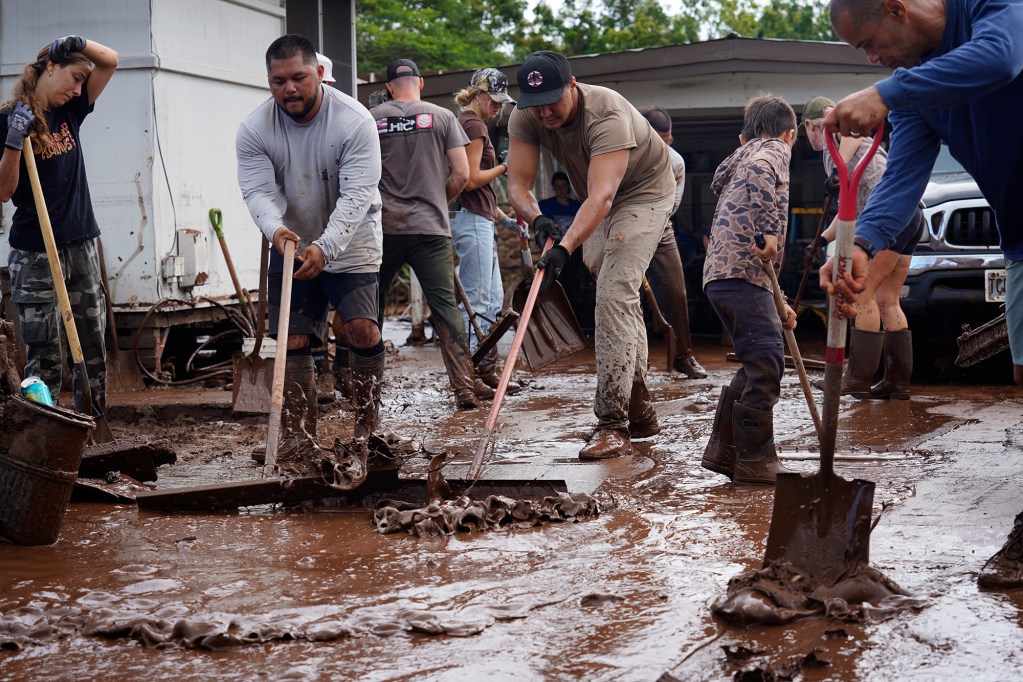
Right now, my caseload consists entirely of people affected by the Lahaina fires, and I see every day how deeply trauma can shape a person’s life. The Kona lows did not make recovery any easier.
Trauma is complicated. In a single moment, it can change the shape of a life, but healing from it can take years. That healing is rarely straight or simple, and it grows harder each time new disasters stir old wounds back to the surface.

Ideas showcases stories, opinion and analysis about Hawaiʻi, from the state’s sharpest thinkers, to stretch our collective thinking about a problem or an issue. Email news@civilbeat.org to submit an idea or an essay.
For Kanaka, these stresses have often been inherited, carried through generations, and even with remarkable resilience, there are times when the heart and mind can no longer carry the load without help. Across our islands, many people are still carrying the effects of recent extreme weather and fire/flooding-related events.
For some, high winds, dry vegetation, smoke, or fire warnings are not just inconvenient, they are so triggering they disable the person from leaving the house or being able to function without support. For others, new concerns about water, safety, and climate-related instability have added another layer of fear.
When people are living with these stressors, it can mean constant hyper-vigilance, anxiety, sleep disruption, and the feeling that there is nowhere left to find any place of safety or peace. Patients often tell me they feel as though they are not living at all, only surviving day to day.
I want to say this clearly: if you have been struggling, you are not alone, and you are not broken, nor do you need to be fixed. What you are feeling is the biology of your brain and body trying to protect you in the face of fear, loss, and uncertainty. It is a human response the vast majority of us would experience given the extraordinary stress you have survived through.
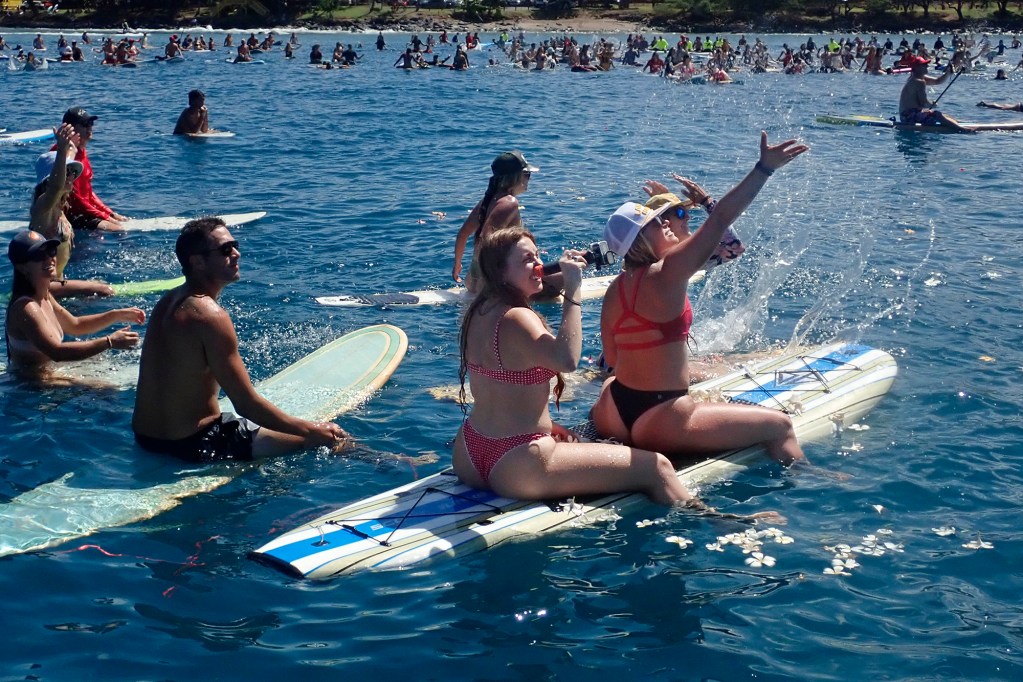
That is why I am asking everyone to take a simple but powerful step: check in on your friends, family, neighbors, and co-workers. In Hawaiʻi, community has always been one of our greatest strengths. We were raised to look out for one another, and that sense of connection can be one of the strongest protective factors we have.
You do not need to be a mental health professional to make a real difference in someone’s life. Sometimes the most meaningful support is a genuine conversation, a nonjudgmental presence, and a reminder that they are not alone. You do not have to label it as therapy or make it complicated, just offer care, attention, and a safe space to talk.
Our islands are carrying a great deal right now. Even people who seem fine may be struggling quietly. So please, take a moment to reach out. Ask how someone is really doing. Listen. Be kind. Offer support.
And if you are the one who is struggling, please know that support is available and healing is possible. I know that from both personal and professional experience. Someone once helped me, and now I help others and that is how healing continues from person to person, family to family, community to community.
If you or someone you know needs immediate support, call or text 988 for the Suicide & Crisis Lifeline. In Hawaiʻi, you can also contact Hawaiʻi CARES at 1-800-753-6879, For local community and social service resources, contact Aloha United Way 211 by dialing 2-1-1.
Of course If there is any danger in you feeling as if you will harm yourself or others immediately call 911.
I’m deeply sorry for what so many of you are carrying right now. The hopeful truth is that with the right support, people can and do get better.
The harder truth is that without support, many remain stuck in their suffering, and some may spiral further. That is why we must choose to show up for one another with urgency, compassion, and care.
We need to be looking out for each other during these difficult times. A simple check-in, a listening ear, or a steady presence can make a real difference in someone’s life. No one should have to carry this alone.
 Sign up for our FREE morning newsletter and face each day more informed.
Community Voices aims to encourage broad discussion on many topics of community interest. It’s kind of a cross between Letters to the Editor and op-eds. This is your space to talk about important issues or interesting people who are making a difference in our world. Column lengths should be no more than 800 words and we need a photo of the author and a bio. We welcome video commentary and other multimedia formats. Send to news@civilbeat.org. The opinions and information expressed in Community Voices are solely those of the authors and not Civil Beat.
Read this next:

Local reporting when you need it most
Support timely, accurate, independent journalism.
Honolulu Civil Beat is a nonprofit organization, and your donation helps us produce local reporting that serves all of Hawaii.
ContributeAbout the Author