Hawaiʻi Disaster Resilience Legislation Must Advance
The Legislature is considering bills to address systemic vulnerabilities and protect our environment and communities.
February 18, 2025 · 4 min read

About the Authors




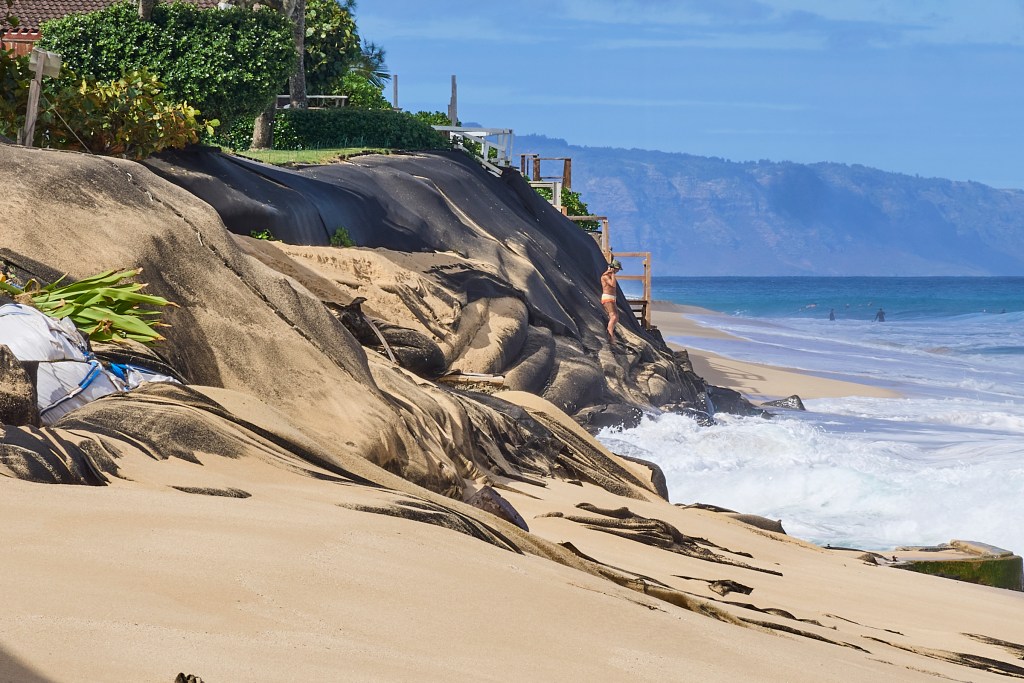
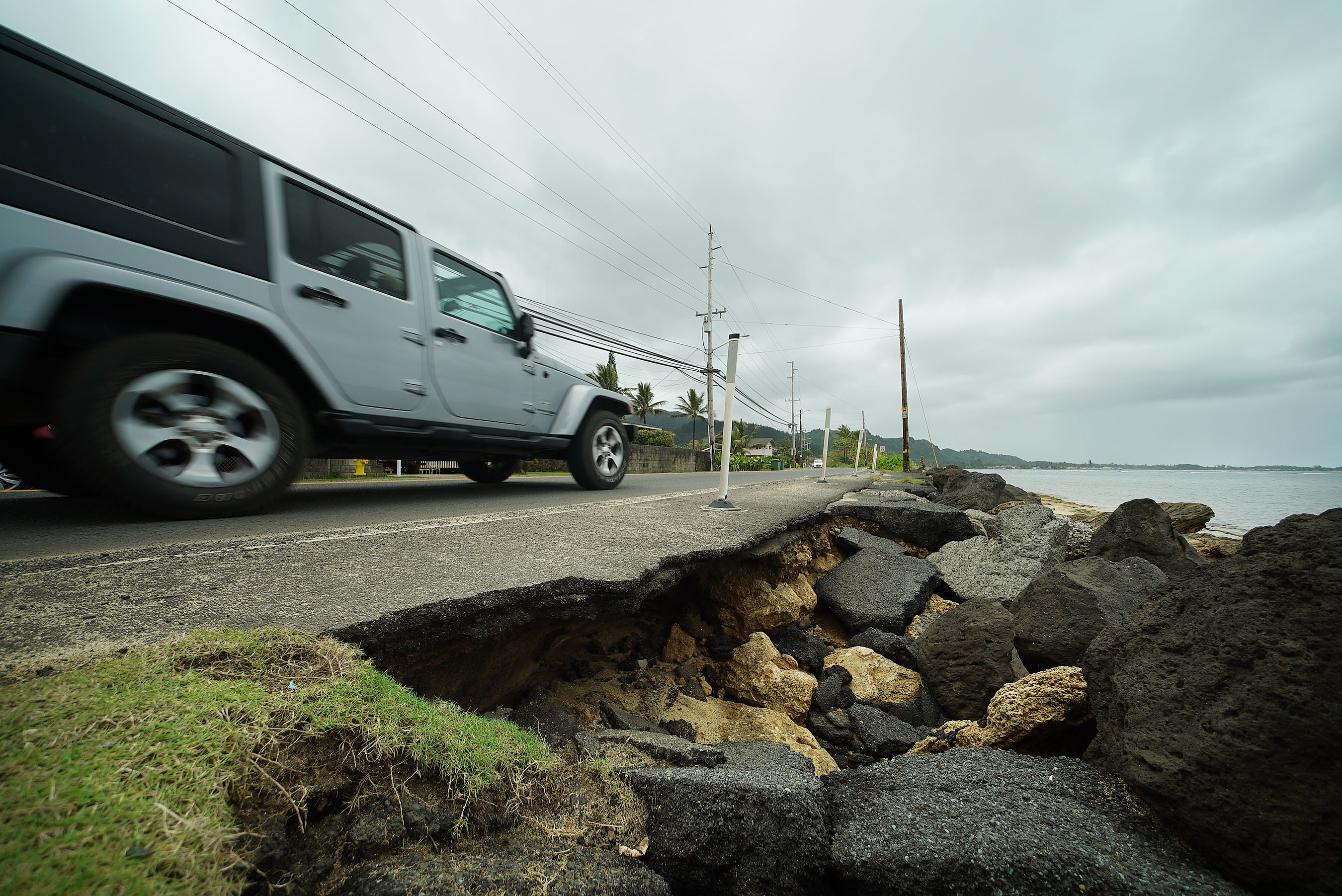
Hawaiʻi is at the forefront of the climate crisis. Rising sea levels and temperatures, stronger hurricanes and rainstorms, and more frequent wildfires threaten our people, homes, economy, and way of life.

Tragedies like the Lahaina wildfires make it clear that disasters are not hypothetical situations, and we must act now if we want a resilient Hawaiʻi for current and future generations.
The State Legislature is considering several bills designed to reduce disaster impacts, address systemic vulnerabilities, and protect our environment and communities.
The Hawaiʻi Climate Advisory Team, convened by Gov. Josh Green to research and develop community-informed policy solutions to increase disaster resilience, urges legislators to pass these bills this legislative session:
House Bill 1076 and Senate Bill 1395 would establish the Climate Mitigation and Resiliency Special Fund to advance projects that mitigate, adapt to, or increase resiliency in the face of climate change, which is the CAT’s top priority recommendation to the state. Revenue for this special fund would come from the roughly $66 million in annual interest earned on the state’s $1.5 billion rainy day fund.
Similarly, HB 1077 and SB 1396 would increase the transient accommodation tax to fund the Climate Mitigation and Resiliency Special Fund. By slightly increasing the TAT, the state can tap a critical source of revenue without placing increased financial burden on our most vulnerable residents.
Projects that fall under this fund would enhance the resilience of our state’s environment, built infrastructure, and communities. Examples of environmental resilience projects include vegetation management to reduce wildfire risk, coastal environmental management and restoration, and watershed restoration to reduce flooding and enhance water management.
Infrastructure projects could include the fortification of our ports, bridges, and buildings to better withstand disasters like hurricanes. Community resilience projects could include support for local resilience hubs that help residents coordinate disaster preparedness and response efforts, as well as upgrades to emergency communications systems that keep communities connected and informed.
In a statewide survey by the CAT, 72% of respondents said they want the state to protect natural areas that reduce the impacts of major storms, and 73% said they want the state to improve infrastructure to better withstand extreme weather. These bills would do exactly that.
HB 1467 would establish the Strengthen Hawaiʻi Homes Program, modeled after highly successful similar programs in other states. This program would provide grants to homeowners in communities most vulnerable to hurricanes to retrofit their homes to withstand wind and water damage.
Most homes in Hawaiʻi were built before hurricane protections were required. HB 1467 would directly increase residents’ safety and reduce expected financial and property losses in the event of a hurricane.
HB 1064 and SB 1383 would provide critical support and resources for the Office of the State Fire Marshal to become fully functional, which was the second highest priority named in the Fire Safety Research Institute’s “Phase 3” forward-looking report of actions to improve Hawaiʻi’s response to wildfires. As the only state in the country without a fire marshal, this legislation is urgently needed to fix a critical gap in our ability to prepare for and respond to wildfires.
These bills make substantial progress in building a resilient Hawaiʻi. We are confident in our state legislators’ ability to make these bills even stronger throughout the remaining legislative session. As a state, we need to direct around $275 million each year for the next five years toward resilience and recovery to avoid the worst impacts of disasters that threaten our communities.
Preparation is costly, but being unprepared will cost far more when the next multi-billion disaster strikes. If we do nothing, we can expect ongoing losses averaging $1.4 billion a year to properties due to damage from hurricanes, wildfires, floods, and earthquakes, which will only further exacerbate the cost-of-living crisis and the growing crisis in the insurance market.
A significant majority — 7 1% — of Hawaiʻi residents believe what happened in Lahaina could happen in their community, but only 39% think their community is prepared for a disaster. These bills are our state’s chance to prepare for future disasters, protect our people, and make good on our collective promise to never let what happened to Lahaina happen to any other community in Hawaiʻi.
Victims and their families deserve more than our sympathy; they deserve committed action. We urge the State Legislature to make the bold, necessary investments in resilience we need today to create a more disaster-ready Hawaiʻi for tomorrow.
 Sign up for our FREE morning newsletter and face each day more informed.
Community Voices aims to encourage broad discussion on many topics of community interest. It’s kind of a cross between Letters to the Editor and op-eds. This is your space to talk about important issues or interesting people who are making a difference in our world. Column lengths should be no more than 800 words and we need a photo of the author and a bio. We welcome video commentary and other multimedia formats. Send to news@civilbeat.org. The opinions and information expressed in Community Voices are solely those of the authors and not Civil Beat.
Read this next:
Local reporting when you need it most
Support timely, accurate, independent journalism.
Honolulu Civil Beat is a nonprofit organization, and your donation helps us produce local reporting that serves all of Hawaii.
ContributeAbout the Authors