Neal Milner: What Police Actually Can Do About Illegal Fireworks
To maintain order in our communities, cops must do more than just enforce the law.
February 13, 2025 · 6 min read


About the Author

The police are absent from Hawaiʻi’s struggle against illegal fireworks.
That’s not because they fail to enforce the law so much as because they’ve failed to maintain order.

If our police treated fireworks like a loud party at a condo or a homeless person in a park instead of as a bank heist, things would be much better.
Cops have two jobs, enforcing the law and keeping order — “order maintenance,” as policing experts call it (James Q. Wilson, “Varieties of Police Behavior”).
Enforcing the law is all about apprehending and arresting criminals and punishing them, like the perps who tunnel into a bank and crack a safe.
It’s easy to know what law enforcement means because it’s the driver of every crime show on television. “Law and Order” with the emphasis on the “law” side. “You’re under arrest. Book ‘em, Danno.”
Order maintenance involves something very different — “more proactive measures to prevent conflict and promote public safety,” writes Adam McKee, an author and criminal justice professor.
Order maintenance is a critical aspect of community policing where police officers are encouraged “to engage with local residents and businesses to identify and address issues that may lead to disorder,” McKee writes.
Proactivity, prevention and persuasion. It’s typically not centered on a legal violation. It’s about “trouble.” Like that loud party. Or a homeless person sleeping in a park or lying on the sidewalk. These issues might involve a legal violation, but often they don’t.
Think of an expanded police fireworks role in those terms: three p’s and an e: proactivity, prevention, persuasion and engagement.
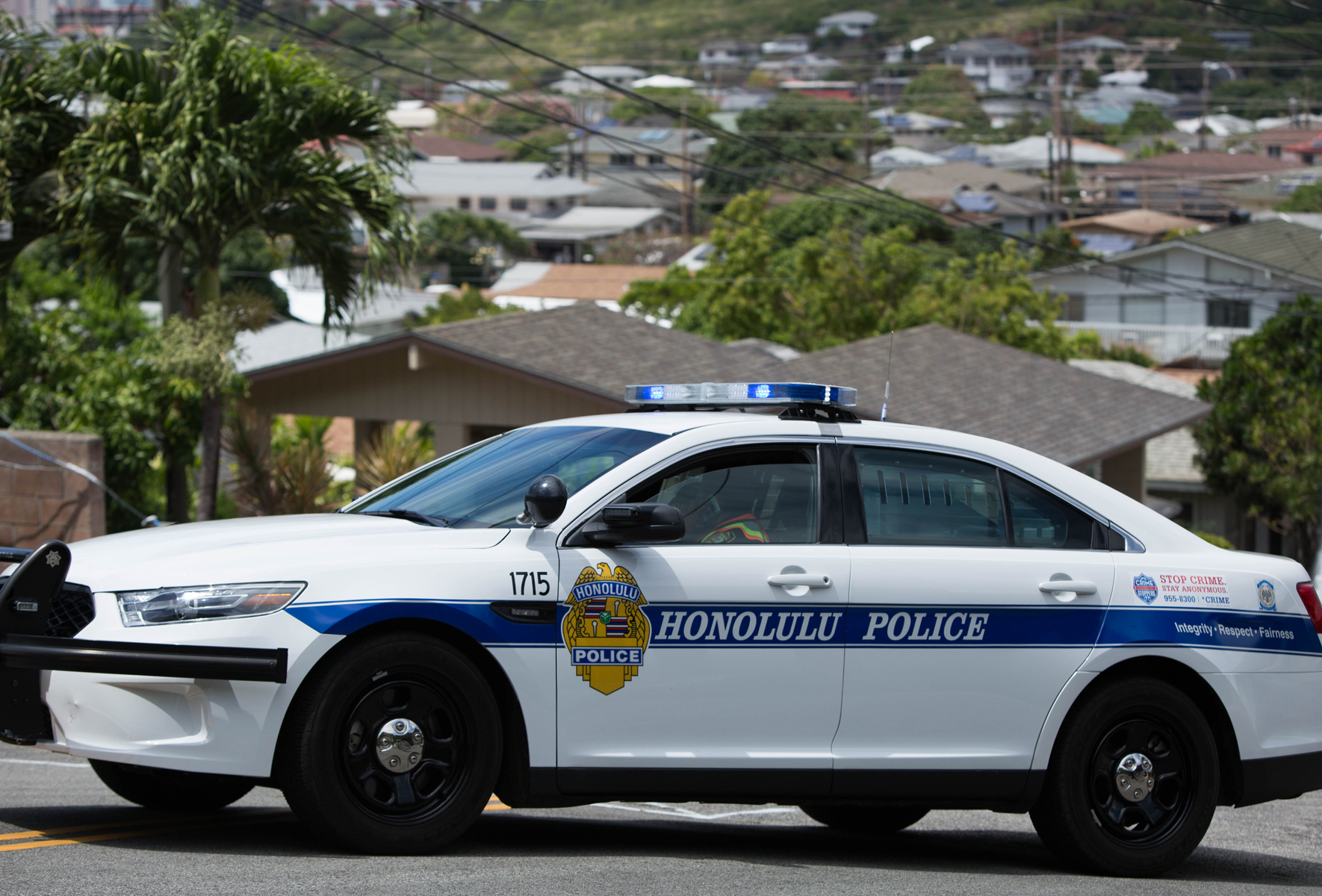
Not Even Minor Characters In This Story
The Salt Lake New Year’s Eve fireworks disaster was both a law enforcement and order maintenance failure.
The existing laws didn’t prevent it. After the fact, law enforcement officials mobilized to bring charges against some of the partygoers for contributing to the deaths of six people.
Yeah, after the fact. So much for prevention and deterrence. So much for the legal system as a white knight.
Every criminal justice honcho and politician knew that the laws weren’t enforced because they were cumbersome and unusable. These officials acted, or better yet didn’t act, accordingly.
A big fat law enforcement failure: only a handful of people over the years got arrested; prosecutors typically dismissed charges. End of story, or at least the end of any happy, courageous story.
The police were absent from this because cops don’t make the law and they got no help making sure the laws they enforce actually work. They knew the stats, so why bother?
The policing problem here was an order maintenance failure. The cops were so absent that they are not even minor characters in the Salt Lake story.
The media talked about bystanders, neighbors, firefighters, the convoy of ambulances, the emergency room workers, but not the police.
Because when it came to the police, there was nothing to talk about.
Salt Lake was not about some kind of furtive, sophisticated criminal conspiracy. It involved brightly lit objects that went boom boom way up in the sky for all to see, including the beat cops, this year and every recent year. And at the same place. Everything but a spotlight and a taco truck.
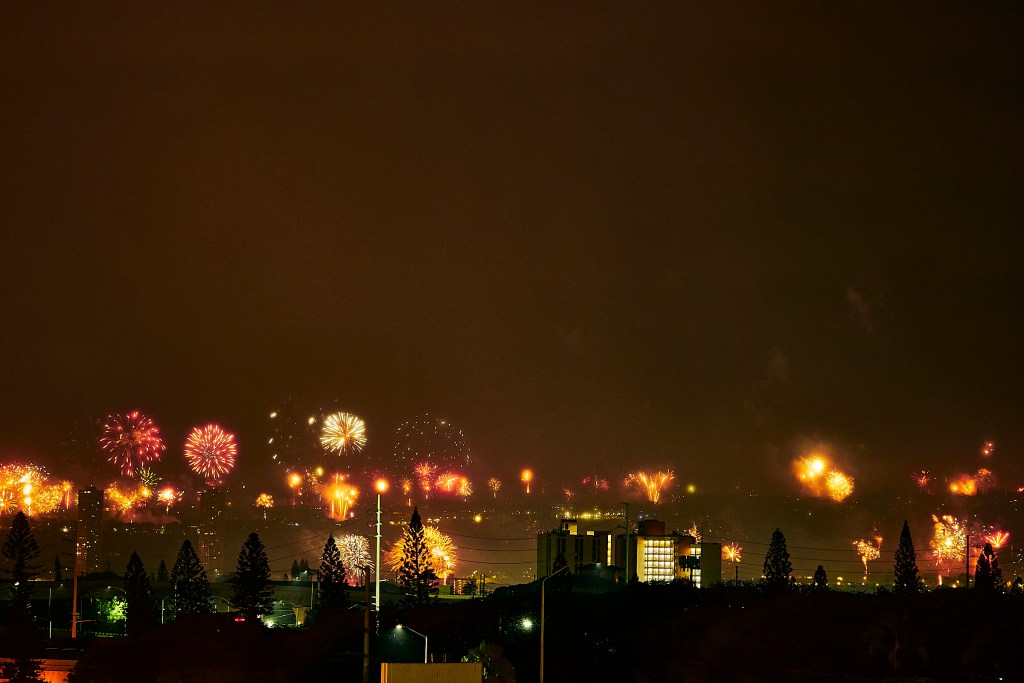
Work That Needed To Be Done Sooner
Police officers no doubt knew where these sites are located. How could they not?
With better order maintenance, there would have been plenty to talk about in those neighborhoods, but the talk would have happened days and even weeks before New Year’s about the damages illegal fireworks can cause to them and their friends and neighbors. Not so much on the night of the fireworks. That’s too late to persuade, too late to involve the community in dealing with a public safety issue.
Timely order maintenance would have asked this: “We have a fireworks problem. What ideas do you have to stop it, come New Year’s? We’ll be watching.”
Working to avoid conflict, to keep trouble from happening. Eyes and ears, watching for trouble, working to stop it before it gets out of hand.
Is order maintenance a be-all-end-all? Of course not. Better laws with better enforcement are important not just because they are more severe but because they make it possible for officials to do things private citizens on their own can’t do.
That’s not enough. No matter how punitive the laws are and how hard law enforcement officials work to keep them out, some illegal fireworks will still get here, and some people will fire them off.
In short, there will still be fireworks “trouble.”
That’s where order maintenance comes in. I’ve already given you a sketch of what police and their communities need to do.
In fact, Hawaiʻi’s communities themselves need to do a lot more. Strong, vital neighborhoods depend on volunteers and participating in community life.
Hawaiʻi has a very low volunteer rate, by some measures one of the lowest in the U.S. We may be family-oriented, but ʻohana is not the same as community. Family is about your own people. Community involves working with people who you see around but are not personally close to you, like parents of children at the same neighborhood school as yours.
Those middle-level relationships are the heart and soul of community life .
In his recent article “The Anti-Social Century,” Derek Thompson shows how much harm comes from people’s moving away from participating in village life
Hawaiʻi included.
It’s one-sided just to see the problem as the presence of illegal fireworks.
We also need to see the problem as the absence of police and communities.
 Sign up for our FREE morning newsletter and face each day more informed.

Local reporting when you need it most
Support timely, accurate, independent journalism.
Honolulu Civil Beat is a nonprofit organization, and your donation helps us produce local reporting that serves all of Hawaii.
ContributeAbout the Author