Deadline: Midnight! We’re in the final hours of our spring campaign and just 9 donors short of our goal. Give now and your donation will be DOUBLED!
Beth Fukumoto: These Bills Would Make Hawaiʻi's Tax System Fairer
Several measures are still alive to take more of the burden off low-income taxpayers.
March 13, 2025 · 5 min read

About the Author

For more columns like this, sign up for the Morning Beat, our free daily email newsletter that keeps you up to date on Hawaiʻi news.
Even after last year’s historic tax cuts, Hawaiʻi legislators are still working to make the tax system more balanced.

A key bill still alive this session could put more money into the pockets of local families, while others aim to ensure the wealthiest residents and non-resident property owners contribute more to ease the burden on lower-income families.
According to the Institute on Taxation and Economic Policy, Hawaiʻi has the 22nd most regressive state and local tax system in the country. ITEP’s research shows that Hawaiʻi families in the lowest 20% of earners pay 14.1% of their income toward general excise taxes, income taxes and property taxes. Meanwhile, the top 1% of earners pay only 10.1%.
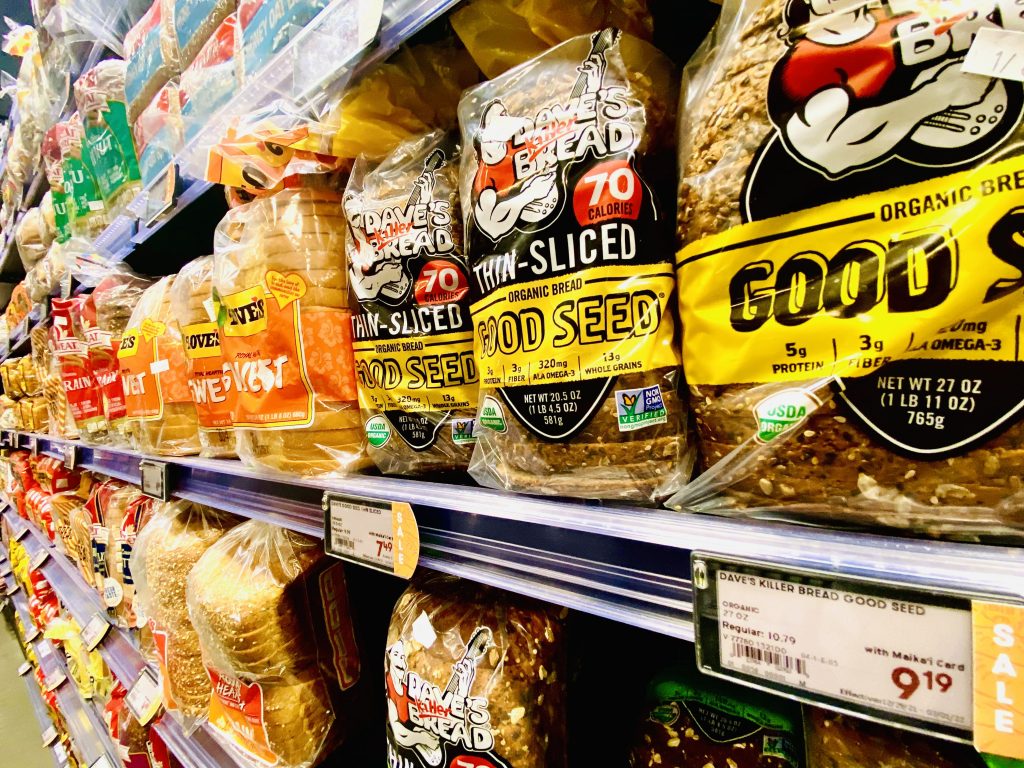
Taxing groceries under the general excise tax is one of the biggest reasons for this inequality. Everyone needs to buy food to live, no matter how much they earn. Taxing these necessities forces lower-income families to spend a bigger portion of their income just to meet basic needs. Families in the lowest 20% of income earners are paying 8.8% of their income on sales and excise taxes — while the top 1% pay just 1.5%.
Hawaiʻi is one of only nine states that still taxes groceries. Most other states distinguish between essentials like milk and luxury items like a Louis Vuitton purse. Hawaiʻi taxes them the same way. One bill moving in the Legislature seeks to change that.
Senate Bill 1043 would exempt groceries and nonprescription drugs from the general excise tax. According to the Hawaiʻi Food Industry Association, the general excise tax adds about $773 a year in extra costs for a family of four. Considering that one in three Hawaiʻi families struggles with food insecurity, removing this tax would provide immediate relief for families struggling with Hawaiʻi’s high cost of living.
Why Tax Capital Gains At A Lower Rate?
Another major reason Hawaiʻi’s tax system is unfair is how we treat capital gains — profits from things like selling investment properties. Right now, capital gains are taxed at a lower rate than regular income.
House Bill 476 would raise Hawaiʻi’s capital gains tax rate for individuals, estates, and trusts from 7.25% to 9%. It would also increase the capital gains tax for corporations from 4% to 5%. This change is long overdue, but it could go even further.
The Democratic Party of Hawaiʻi’s Education Caucus noted that taxing capital gains at the same rate as regular income — as most states do — could generate tens of millions in new revenue. In testimony, the caucus estimated 97% of that revenue would come from the top 5% of income earners in the state.
There’s no good reason to treat income from investment property or antiques differently than ordinary wages. By enacting this change, legislators would not only raise state funds from wealthy residents, they would also generate revenue from non-residents profiting from Hawaiʻi’s real estate market.
Senate Bill 721 would also increase taxes on certain non-residents by eliminating the estate tax exemption they currently enjoy. The bill could also increase the estate tax on Hawaiʻi’s wealthiest residents. Currently, a single resident can pass up to $5.5 million to their heirs tax-free, while a couple can pass $11 million.
Right now, Hawaiʻi’s estate tax exemption is tied to the federal exemption, but this bill would let state lawmakers set their own limit. With the median home price in Honolulu at $1.8 million, it would be reasonable to set the exemption higher than that — since most people passing estates to their children are passing on property. But at the current level, one individual could pass nearly three single-family homes tax-free. Adjusting the estate tax to exempt one property, or even two, is an easy, reasonable step toward fairness.
This Measure Deserved A Hearing
Last year’s tax cuts were another step in the right direction. The law eliminated the lowest tax brackets and lowered the income tax rate for all taxpayers, including high-income earners. The changes won’t fully take effect until 2031, but once they do, they’ll increase the share that high-income earners contribute to state tax revenue.
That’s progress, but we still have a long way to go. Sales and excise taxes hit low-income families the hardest, while income taxes are one of the best ways to ease that burden.
Senate Bill 1649 would have used income tax rates to create an even fairer tax system. Right now, individuals earning over $475,000 a year pay $36,811 plus 11% of any income over that amount. Under Senate Bill 1649, individuals earning over $950,000 would have paid $73,622 plus 16% on any amount above $950,000.
Unfortunately, this bill never got a hearing in the Ways and Means Committee. Lawmakers should bring it back next year. In a deep blue state facing a cost-of-living crisis for middle- and low-income earners, raising taxes on the wealthiest households to help relieve the burden on struggling families shouldn’t be controversial.
The proposed changes to the general excise tax, capital gains tax and estate tax are a solid start. But there’s more to do — and that includes taking another shot at asking residents making over a million dollars a year to pay a little more.
 Sign up for our FREE morning newsletter and face each day more informed.
Read this next:

Local reporting when you need it most
Support timely, accurate, independent journalism.
Honolulu Civil Beat is a nonprofit organization, and your donation helps us produce local reporting that serves all of Hawaii.
ContributeAbout the Author