Hawaiʻi Is On The Threshold Of A New Era Of Renewable Energy
The state’s commitment to explore the best sites for geothermal energy and push for commercial development is critical and timely.
March 20, 2025 · 4 min read

About the Author

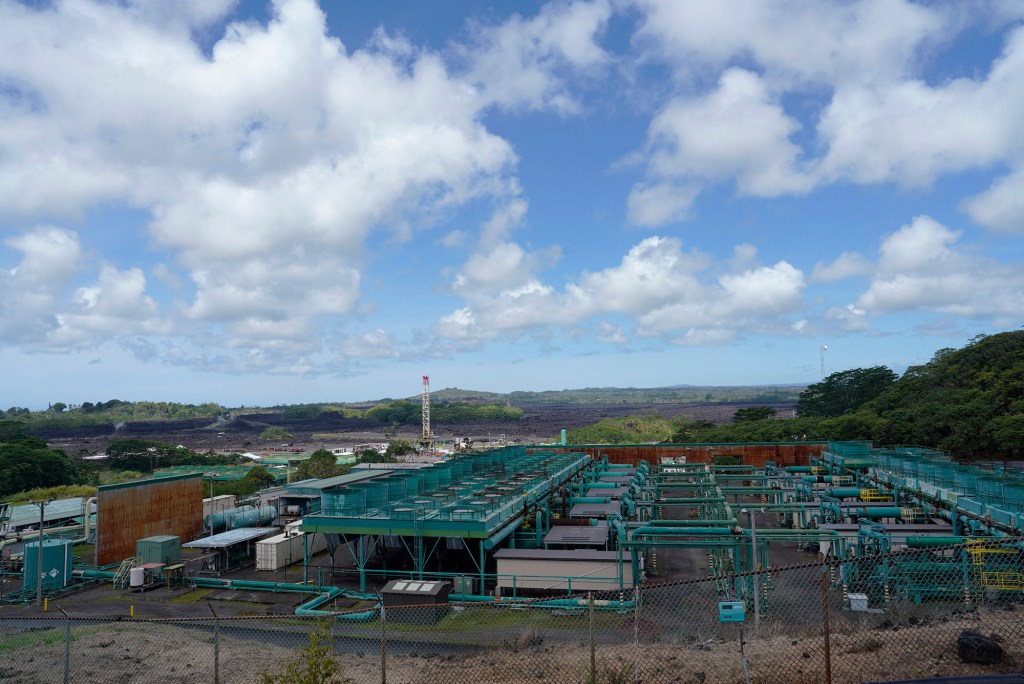
It was a long flight back from Hawaiʻi to Aotearoa. It gave me time to reflect on a busy week of meetings with Native Hawaiian advocates for geothermal energy, Hawaiʻi’s Department of Business, Economic Development and Tourism, and Hawaiʻi island lawmakers interested in learning more about the treasure that the island possesses in terms of untapped energy.

I was in Hawaii at the invitation of Waika Consulting, a company formed by the Innovations Development Group with whom I have worked on geothermal projects for two Maori trusts in Aotearoa (New Zealand).
That treasure — untapped geothermal energy — is especially significant in terms of freeing the people of Hawaiʻi island from the burden of the nation’s highest energy prices that make it hard for families to make ends meet and for businesses to thrive. It was clear to me that DBEDT recognizes how critical lowering the price of energy is to stimulating economic development.
Hawaiʻi is on the threshold of change that has been long in coming. I heard rising concern about people leaving the state in search of more affordable places to live. Hawaiʻi residents cannot afford to keep paying nearly 47 cents per kWh. So it’s not surprising that the exodus is very evident on Hawaiʻi island.
The high price of energy also dampens business growth and keeps small businesses from thriving. That is why DBEDT’s commitment to not just exploring the best sites for geothermal energy but pushing for the commercial development of the most promising ones is so critical — and timely.
That is also why they are working with Waika Consulting which has an outreach plan and medium-term goal of building a 50-100MW power plant as the first development on a geothermal road map.
Respect The Culture
Both in New Zealand and Hawaiʻi there is a deep-seated concern and respect for cultural traditions. For the Maori Trusts the geothermal resources they own possess significant cultural, spiritual and practical value to Māori and are considered a treasure (taonga).
This is not unlike the reverence Native Hawaiians have for Tūtū Pele, the goddess that produces the volcanic energy that Hawaii has not yet tapped fully.
It is worth noting that New Zealand began producing power from its geothermal resources in 1958. Hawaiʻi did not begin doing so till 1993.
But the need to move away from fossil fuels and the exorbitantly high prices that Hawaiʻi island residents are still paying for their electricity make the state’s current commitment to switching to 100% renewable energy on the neighbor islands by 2035 especially significant. Geothermal is the only firm power base load with scale that could replace the expensive fossil fuels Hawaiʻi has been importing for decades.
Nearly 90% of New Zealand’s electricity today comes from renewable sources, with geothermal being second only to hydroelectric power, both mostly firm sources of power. By contrast, firm renewable energy on Hawaiʻi island accounts for just slightly over one-fifth of the power generated in 2024, with most of this intermittent (only works when the wind blows and the sun shines).
There is plenty of room — and need — to grow the percentage of renewable energy. Gov. Josh Green recognizes it. Mayor Alameda recognizes it. DBEDT recognizes it. And lawmakers recognize it — as evidenced by the bills under consideration in this session of the Hawaiʻi Legislature.
I am greatly encouraged by everything I heard in my meetings and look forward to working with DBEDT to advance geothermal development for Hawaiʻi. Having done it with indigenous owners at the table in New Zealand and seen its success, I am delighted that the same experience can be bought to bear here in Hawaiʻi.
I believe Hawaiʻi is on the verge of ushering in a new era of energy independence and economic growth through the commercial development of geothermal energy to serve residents and businesses. This is reason to celebrate and acknowledge the leaders that have paved the way.
 Sign up for our FREE morning newsletter and face each day more informed.
Community Voices aims to encourage broad discussion on many topics of community interest. It’s kind of a cross between Letters to the Editor and op-eds. This is your space to talk about important issues or interesting people who are making a difference in our world. Column lengths should be no more than 800 words and we need a photo of the author and a bio. We welcome video commentary and other multimedia formats. Send to news@civilbeat.org. The opinions and information expressed in Community Voices are solely those of the authors and not Civil Beat.

Local reporting when you need it most
Support timely, accurate, independent journalism.
Honolulu Civil Beat is a nonprofit organization, and your donation helps us produce local reporting that serves all of Hawaii.
ContributeAbout the Author