City Council Should Reconsider Its Plan To Increase Sewer Fees
By using general funds for “sewer activities,” council members are betting rating agencies won’t decrease Honolulu’s bond ratings.
April 24, 2025 · 4 min read

About the Author

Most Honolulu residents are aware, hopefully, of the city’s proposal to increase sewer fees. The original fee increases would have started at 9% for next fiscal year and gone down to 3% at the end of the 10th year per the administration’s proposal.

The total increase over the 10-year period was estimated to be about 100%, depending on water usage. What many people may not know, however, is how the Honolulu City Council is handling those increases.
The current version of Bill 60 (2024), which is the bill that includes the fee increases, proposes an increase of only 4% for next fiscal year with blanks for the nine subsequent years.
Council members justified the decrease by transferring almost $17 million in general funds to “sewer activities” for “one year only” and telling the city administration to come up with a plan for the remainder.
There are some concerns related to this change.
First, using general funds to pay for sewer activities means that Hawaiʻi Kai residents, who have a separate sewer system and wastewater treatment plant, would unfairly have to help pay for city sewer service.
Some people have noted we all have to pay for rail, other infrastructure or city services that some do not use. However, when Henry J. Kaiser announced a proposal to develop Hawaiʻi Kai in 1959, the city basically told him “we’re not going to provide Hawaiʻi Kai with sewer services,” and now the council is saying to Hawaiʻi Kai residents, “but you’re going to help pay for everyone else’s.”
That is simply not right.
Dedicated Fund
For decades sewer maintenance and infrastructure have been paid for with a dedicated sewer fund, and investors and bond rating agencies have relied on this dedicated source of revenue to determine the risk of the underlying investment. High bond ratings equate to lower interest rates and vice versa.
By using general funds for “sewer activities, council members are throwing the dice and betting that the rating agencies won’t decrease Honolulu’s bond ratings. They’ve even disregarded the advice of the director of Budget and Fiscal Services, who “strongly recommended” against using general funds in place of the increased sewer fees.
This action by the council is especially irresponsible given the current turmoil in the markets.
I understand the concern about raising sewer fees 100% over 10 years, but cutting the first year by more than half and not providing for any increase thereafter creates other problems. The administration spent about a year-and-a-half putting together their proposed increases, after weighing demands put on us by the 2010 Consent Decree.
High bond ratings equate to lower interest rates and vice versa.
Decades ago, after the Clean Water Act went into effect, municipalities were offered federal construction grants to help come into compliance. The city blew it and did not take advantage of them.
More recently, the city hasn’t increased the sewer fee since 2016.
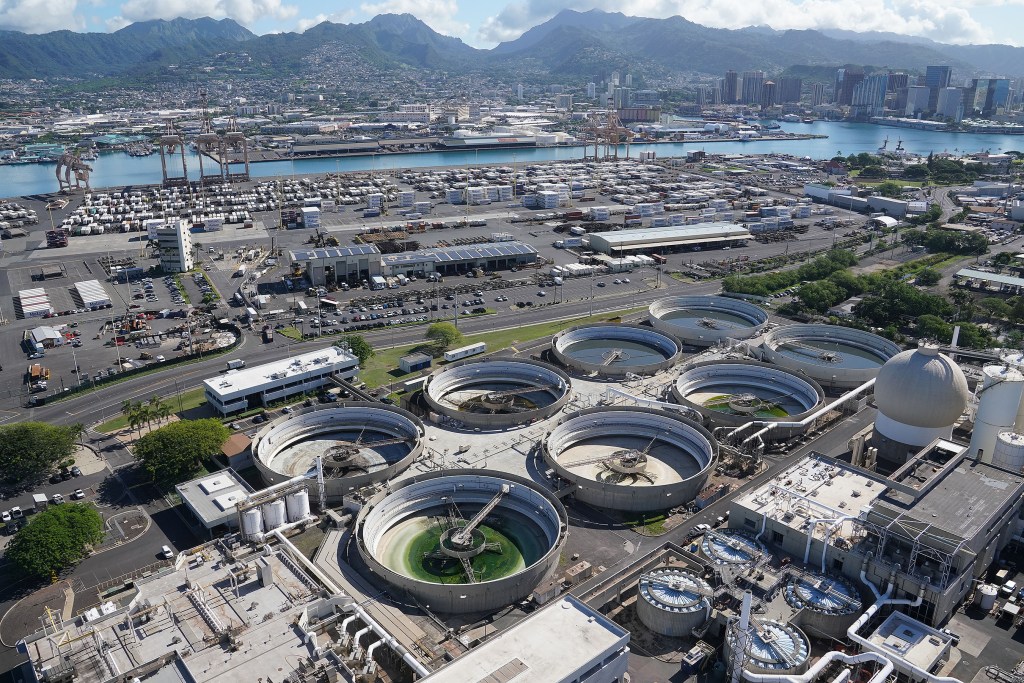
We are now faced with an estimated cost of $2.5 billion for secondary treatment at the Sand Island Wastewater Treatment Plant and a 2035 deadline for completion of the third phase of the consent decree on top of regular operations and maintenance and other sewer infrastructure needs. There are no more options for deadline extensions, and waivers appear to be extremely unlikely if not impossible.
Removing rate increases now very likely would mean double-digit increases in a few years. That, to me, is unfair as well.
If the Honolulu City Council moves forward with their plan and it backfires, we will be burdened with higher interest costs along with inevitable increases to pay for our sewers.
 Sign up for our FREE morning newsletter and face each day more informed.
Community Voices aims to encourage broad discussion on many topics of community interest. It’s kind of a cross between Letters to the Editor and op-eds. This is your space to talk about important issues or interesting people who are making a difference in our world. Column lengths should be no more than 800 words and we need a photo of the author and a bio. We welcome video commentary and other multimedia formats. Send to news@civilbeat.org. The opinions and information expressed in Community Voices are solely those of the authors and not Civil Beat.
Read this next:

Local reporting when you need it most
Support timely, accurate, independent journalism.
Honolulu Civil Beat is a nonprofit organization, and your donation helps us produce local reporting that serves all of Hawaii.
ContributeAbout the Author