Beth Fukumoto: How Legislators Kept Control Over 'Green Fee' Revenue
Gov. Josh Green wanted the money to go into special environmental funds. Instead, lawmakers retain a say in how it’s spent.
May 27, 2025 · 5 min read


About the Author

It was one of the most high-profile environmental policy wins of the year: Lawmakers increased taxes on visitor accommodations with the goal of funding climate resiliency and environmental protection projects.
Gov. Josh Green called it “a historic piece of legislation,” but he didn’t get everything he wanted in the final bill. Instead of placing the revenue into a special fund as the governor’s proposal suggested, legislators chose to direct the majority of the so-called “green fee” to the state’s general fund.
That decision highlights a deeper debate about how Hawaiʻi manages public money. Lawmakers have grown skeptical of special funds, and the disagreement over this particular bill offered a clear window into the fiscal politics shaping the state’s budgeting process.

Senate Bill 1396 increases the transient accommodations tax from 10.25% to 11% and expands the tax to include cruise ships. Under the Governor’s original proposal, the revenue would have gone into two newly established special funds: the Climate Mitigation and Resiliency Special Fund and the Economic Development and Revitalization Special Fund.
However, the Senate Ways and Means Committee amended the bill to remove the creation of the special funds. Instead, it inserted a requirement that the governor request funding through the state’s budget process. That’s when his office pushed back.
In testimony before the House Energy and Environmental Protection Committee, after the Senate amendments, the governor’s office urged lawmakers to restore the special fund provisions.
“The Office of the Governor believes that establishing a special fund into which TAT revenues could be deposited, rather than depositing the revenues into the general fund, is a more appropriate and prudent fiscal practice,” it said.
However, the bill’s final version did not restore the special funds. Instead, it mandates that the governor include in the executive or supplemental budget a request to allocate an amount equal to the additional TAT revenues to projects that improve climate resilience, protect the state’s natural resources and mitigate tourism’s impact.
This approach is unusual. The new law amended Chapter 37 of the Hawaii Revised Statutes to dictate that the governor’s operating budget request include this specific programming. It’s a requirement not commonly seen elsewhere in that section, and it offers a novel compromise between dedicating funds outright and retaining legislative discretion.
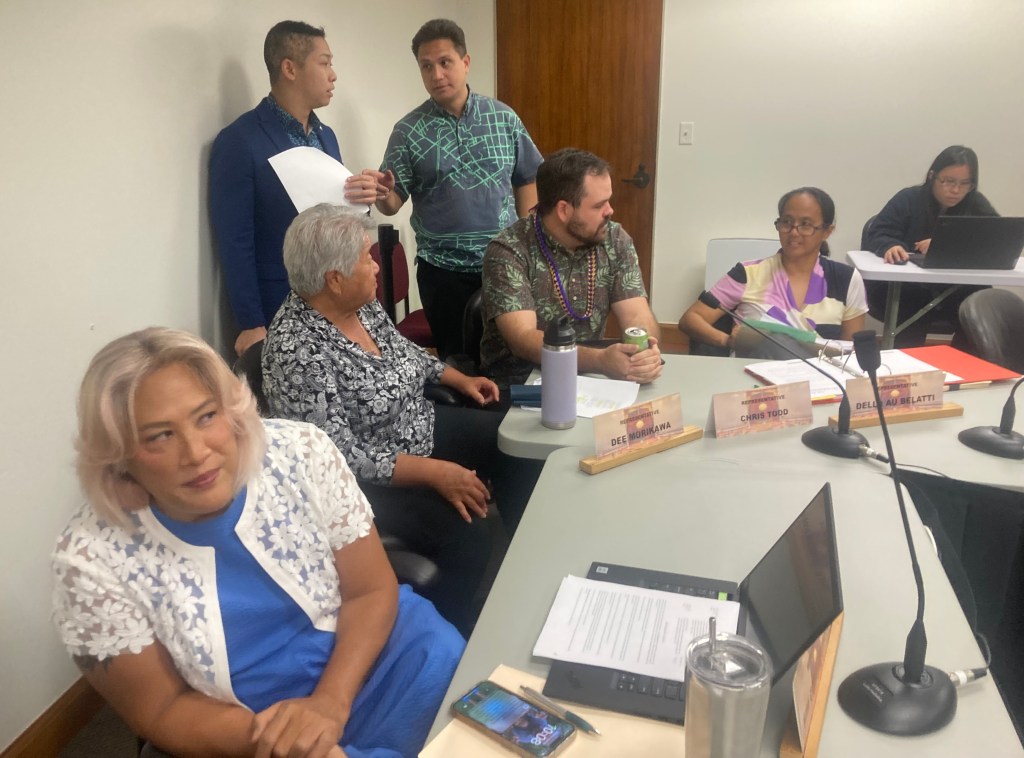
Rep. Adrian Tam, chair of the House Committee on Tourism, was involved in negotiating the final bill and explained the reasoning: “The Legislature isn’t a fan of special funds. We wanted some oversight into how that money will be spent.”
That says a lot. Special funds have long been used in Hawaiʻi to earmark revenue for specific purposes. While they can offer funding stability, they also remove flexibility. Once a special fund is established, its revenue and expenditures are guided by law, making it more difficult for lawmakers to shift money when priorities change.
Special Funds Are Widely Used
This isn’t just a Hawaiʻi issue. Nationally, non-general state funds, like special funds, make up 26% of state budgets. Special funds account for 22% of the state’s 2026 fiscal year operating budget in Hawaiʻi and 21% in fiscal year 2027. That translates to over $4 billion allocated through special funds in the upcoming budget cycle alone.
Lawmakers are right to be cautious of increasing our use of special funds. While there are laws meant to provide oversight of non-general funds, the state suditor has flagged repeated noncompliance with required financial reporting, including a recent case where the state Attorney General’s Office failed to report $4.7 million in trust funds. The audit also includes a response from the Attorney General explaining that the funds in question were reported separately to the Legislature.
But there are also limits to relying on the general fund. Voters are more likely to support tax increases when they believe the money will be spent on a defined, worthy cause – like restoring beaches or preparing for wildfires. Routing revenue through the general fund risks undermining that trust.
In this case, the legislation includes a safeguard: The governor is required by law to request that the money go toward climate-related and tourism mitigation projects. However, the Legislature retains full authority over budget approvals. That means lawmakers can, in theory, reject or redirect the funding request. It’s not a guarantee, but it is a formal instruction embedded in statute.
So, while Senate Bill 1396 is an important step forward in raising funds for climate projects, we still need to make sure that each year’s Legislature follows through on its commitment and appropriates money for the cause.
Civil Beat’s coverage of climate change is supported by The Healy Foundation, Marisla Fund of the Hawai‘i Community Foundation and the Frost Family Foundation.
 Sign up for our FREE morning newsletter and face each day more informed.
Read this next:

Local reporting when you need it most
Support timely, accurate, independent journalism.
Honolulu Civil Beat is a nonprofit organization, and your donation helps us produce local reporting that serves all of Hawaii.
ContributeAbout the Author