Hawaiʻi's Charter Schools Just Dodged A Financial Bullet
Forcing the state to pay for religious charter schools would exacerbate the financial disparity that already exists between state-funded charter schools and the DOE schools.
May 23, 2025 · 4 min read

About the Author

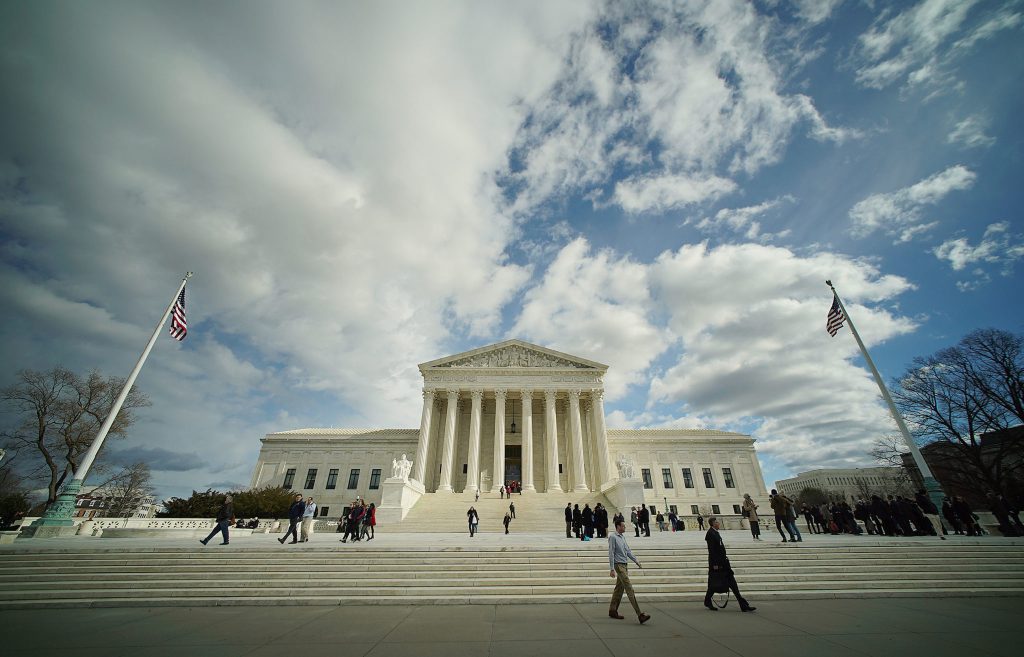
The U.S. Supreme Court’s 4-4 split decision in Oklahoma Statewide Charter School Board v. Drummond on Thursday affirmed the Oklahoma Supreme Court’s ruling that blocked the nation’s first religious charter school.
This outcome, a direct result of Justice Amy Coney Barrett’s recusal, means that while the Oklahoma decision stands, no binding national precedent was set regarding whether states must fund religious charter schools.

For Hawaiʻi, this ruling carries significant implications. The absence of a national precedent means that Hawaiʻi’s existing constitutional and statutory provisions, which mandate that charter schools be non-sectarian, remain undisturbed at the federal level for now. This allows Hawaiʻi’s unique statewide education system to continue operating without immediate federal pressure to fund religious charter schools.
Hawaii operates as a single, statewide school district, with one state educational agency and a single local educational agency. The State Public Charter School Commission is the exclusive charter school authorizer, accountable to the Hawaiʻi Board of Education. All education revenue is collected by the state and distributed directly to individual schools.
Despite being public schools, Hawaiʻi’s charter schools consistently receive significantly less funding per pupil compared to traditional DOE schools. For instance, in the 2019-2020 school year, charter schools received $9,697 per pupil from the state, while DOE-run schools received $17,475 per pupil. This disparity has been reported to be as high as 25% to 45% less in state funding per pupil.
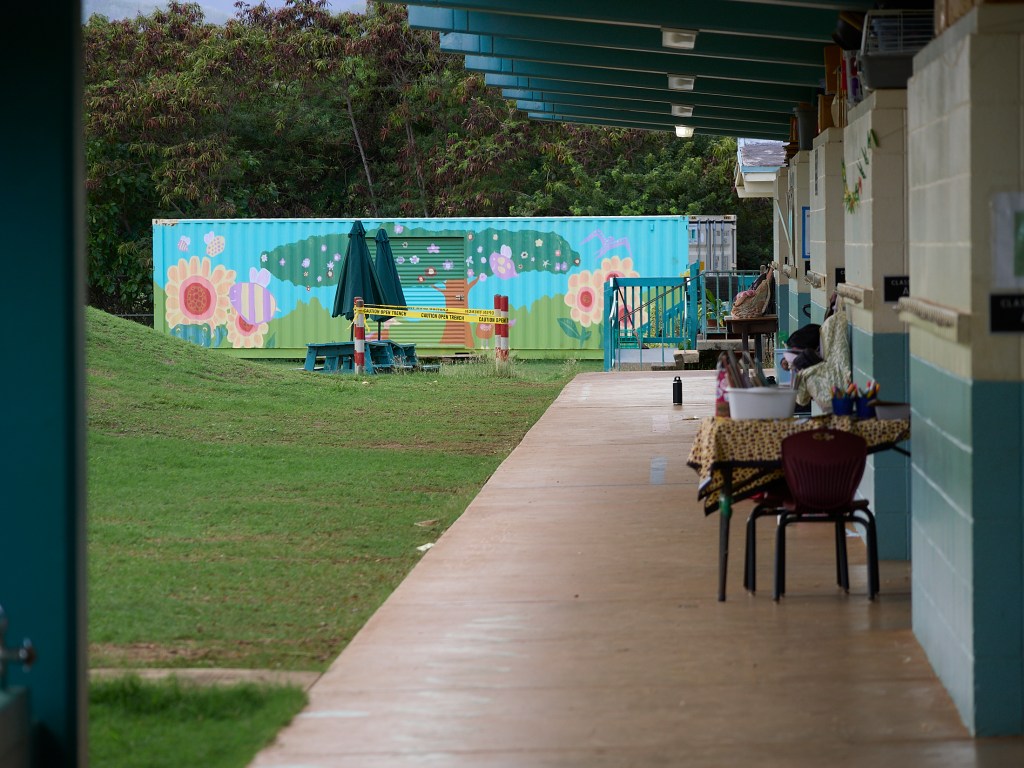
A major contributing factor to this funding gap is the requirement for charter schools to secure and maintain their own facilities, with these costs often absorbing 15% to 30% of their annual budget, diverting funds from other essential areas like teacher salaries and classroom supplies. Unlike DOE schools, Hawaiʻi’s charter schools do not receive state repair and maintenance funds. Federal COVID-related funds (ESSER III) that could have supported technology infrastructure for charter schools were also exclusively reserved by the DOE for its own schools.
The unique operational autonomy of charter schools, while intended to foster innovation, has also led to concerns about the lack of a clear and consistent appeals process for decisions made by the State Public Charter School Commission. While Hawaiʻi’s public school students, including those in charter schools, are generally guaranteed due process rights under state and federal laws like the Individuals with Disabilities Education Act, charter schools themselves have faced challenges in appealing SPCSC decisions that materially affect their operation, governance, or funding.
This has raised concerns about coercion and the ability of schools to challenge objectionable contract terms without risking non-renewal or revocation. To address this, House Bill 901 was introduced in the 2025 legislative session, aiming to authorize public charter schools to appeal directly to the Board of Education on such matters. However, the bill was not scheduled for a hearing by the Senate Education Committee, effectively halting its progress.
The Drummond ruling’s 4-4 split means the fundamental question of publicly funded religious charter schools remains federally unresolved. This leaves Hawaiʻi’s current non-sectarian laws intact but vulnerable to future challenges.
The persistent funding disparities for Hawaiʻi’s charter schools could make them more susceptible to exploring alternative funding models, including those with religious organizations, if future Supreme Court rulings open the door to publicly funded religious charters. This underscores the importance of Hawaiʻi’s continued efforts to define and regulate its charter system, including addressing funding inequities and clarifying governance and appeal processes, to maintain its commitment to a secular public education system.
By maintaining its commitment to public, non-sectarian education while addressing the practical challenges faced by its charter schools, Hawaiʻi can navigate the complex interplay of constitutional principles and educational policy, ensuring a robust and equitable public education system for all its students.
 Sign up for our FREE morning newsletter and face each day more informed.
Community Voices aims to encourage broad discussion on many topics of community interest. It’s kind of a cross between Letters to the Editor and op-eds. This is your space to talk about important issues or interesting people who are making a difference in our world. Column lengths should be no more than 800 words and we need a photo of the author and a bio. We welcome video commentary and other multimedia formats. Send to news@civilbeat.org. The opinions and information expressed in Community Voices are solely those of the authors and not Civil Beat.
Read this next:

Local reporting when you need it most
Support timely, accurate, independent journalism.
Honolulu Civil Beat is a nonprofit organization, and your donation helps us produce local reporting that serves all of Hawaii.
ContributeAbout the Author