Let’s Honor Hawaiʻi Veterans With More Than Just Words
Advocacy and engagement are essential to ensure the VA aligns policies with scientific findings on toxic exposure.
May 26, 2025 · 4 min read

About the Author

This May, America celebrates National Military Appreciation Month, a time to show gratitude and recognize the sacrifices made by the 15.8 million veterans and 1.3 million active-duty military personnel still serving the country.

Hawaiʻi is home to more than 90,000 veterans, and more than 65,000 of them live in Honolulu. With over 250,000 service members and their families stationed in Hawaiʻi, the total defense economy contribution of this state exceeds $4.6 billion annually.
There is, however, much more that these people contribute to the nation, risking their lives and health long after their military duty ended.
Studies show that, on average, veterans have a far reduced life expectancy when compared to the general population, with significantly increased rates of chronic serious conditions, as well as cancers. Many of these diseases can be traced back to toxic exposure, for which repercussions can take decades to manifest.
Up to 2022, veterans were faced with significant barriers in receiving claims for these illnesses, as they needed to demonstrate through a lengthy and difficult process a definitive causal link between exposure during service and disease development. With the implementation of the PACT Act, many of these conditions and several toxic agents were listed under presumptive laws, thus granting veterans automatic access to claims and free health care.
Nonetheless, the PACT Act is not without its limitations. Although the Department of Veterans Affairs is constantly expanding the list of diseases eligible for compensation, the list of toxic agents recognized as causal elements for these conditions has virtually remained the same.
As a result, toxic chemicals for which there is sufficient data to show disease-causing effects are excluded. Meanwhile, serious conditions such as cancers and chronic respiratory diseases are recognized, but only in connection with the limited approved toxic agents list.
Honolulu Veterans And Toxic Exposure
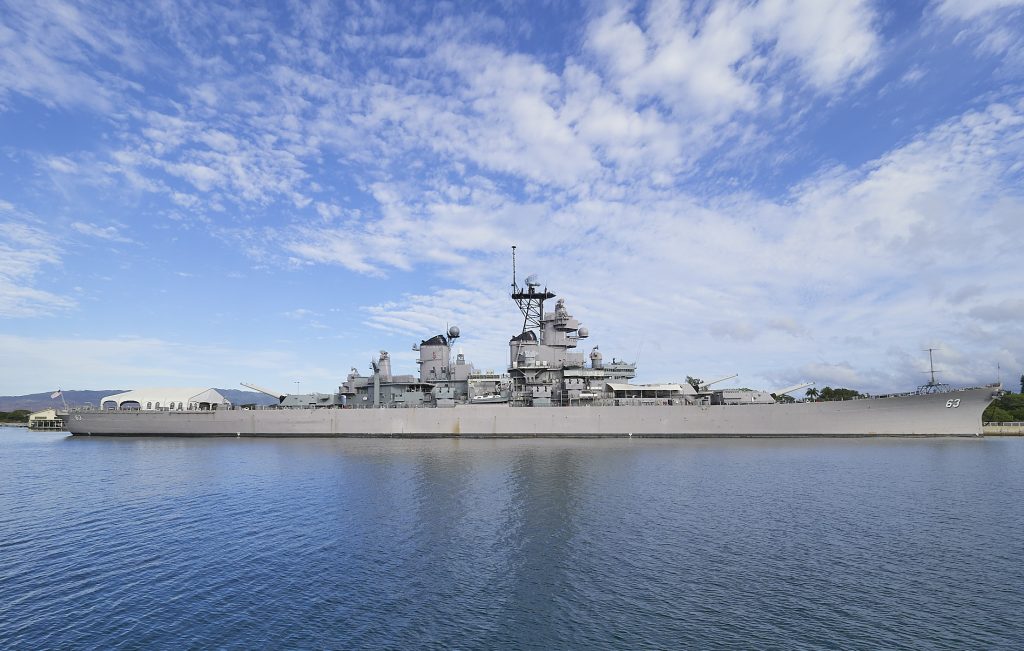
As a central military hub, Hawaiʻi has long been a strategic location for U.S. defense operations, placing thousands of service members in proximity to sites with known environmental hazards. During and after World War II, many veterans working aboard Navy vessels at the Pearl Harbor Naval Shipyard were exposed to asbestos for decades on end.
Now, compensation is available to these veterans, but for others who were exposed to different toxic agents, especially after 2000, presumption does not apply.
Per- and polyfluoroalkyl substances (PFAS), commonly referred to as forever chemicals, have been used by the military for decades, particularly in firefighting equipment and aqueous film-forming foams designed to combat Class B fires, such as those fueled by flammable liquids, including jet fuel.
Scientific evidence linking PFAS exposure to adverse human health outcomes began to emerge more than 20 years ago, raising significant concerns about their long-term environmental persistence and bio-accumulative nature. These chemicals are prevalent across Air Force bases and pose a serious health hazard to veterans, active-duty staff and local communities.
Another category of toxic chemicals not recognized under the act is volatile organic compounds, which are found in solvents, degreasers, fuels, paints, and industrial cleaners commonly used in military operations. Military personnel can come into contact with these substances daily while performing tasks such as equipment maintenance, aircraft and vehicle repair, cleaning weapons systems, and handling fuel or hazardous materials in confined or poorly ventilated environments.
As Hawaiʻi holds a significant military presence, with several bases located across the state, toxic exposure for many service members is very likely. During this National Military Appreciation Month, strong advocacy and civic engagement are essential to ensuring the VA aligns its policies with the latest scientific findings on toxic exposure.
Without updated recognition of harmful substances, many veterans will continue to suffer in silence and be denied access to timely care and compensation.
 Sign up for our FREE morning newsletter and face each day more informed.
Community Voices aims to encourage broad discussion on many topics of community interest. It’s kind of a cross between Letters to the Editor and op-eds. This is your space to talk about important issues or interesting people who are making a difference in our world. Column lengths should be no more than 800 words and we need a photo of the author and a bio. We welcome video commentary and other multimedia formats. Send to news@civilbeat.org. The opinions and information expressed in Community Voices are solely those of the authors and not Civil Beat.
Read this next:

Local reporting when you need it most
Support timely, accurate, independent journalism.
Honolulu Civil Beat is a nonprofit organization, and your donation helps us produce local reporting that serves all of Hawaii.
ContributeAbout the Author