What A Field Trip To Mauna Kea Taught My Students
A Keaʻau teacher’s kids came away with a deeper understanding of the cultural and scientific significance of their home island.
June 19, 2025 · 5 min read

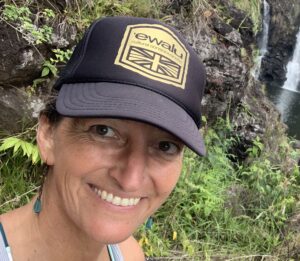
About the Author
We feel it all around us. The pressure, the high cost of living, the stress on the ecosystems of our islands, the “brain drain” we rarely speak of, global pressures that we often ignore because it feels too overwhelming.

We see the youth around us going through the motions of K-12 education, often unenthused, and approaching their senior year still unsure of what their next step is — those who do seem to have a plan, often leave the islands.
As an educator, I am confident that most of us care deeply about the future of our kids — and the future of our islands and culture. I believe the path to a successful future for our youth and our collective community, is a level of “village involvement” that is not currently taking place, but is possible.
This year I had the privilege of working closely with incredible community members — from the summit of Mauna Kea to small groups in a Keaʻau classroom. These professionals ranged from recent graduates to seasoned community leaders to world class cultural preservationists and scientists. Every one of them contributed to making school education more “real” and opened up possibilities for students to see themselves, their island, and their future differently.
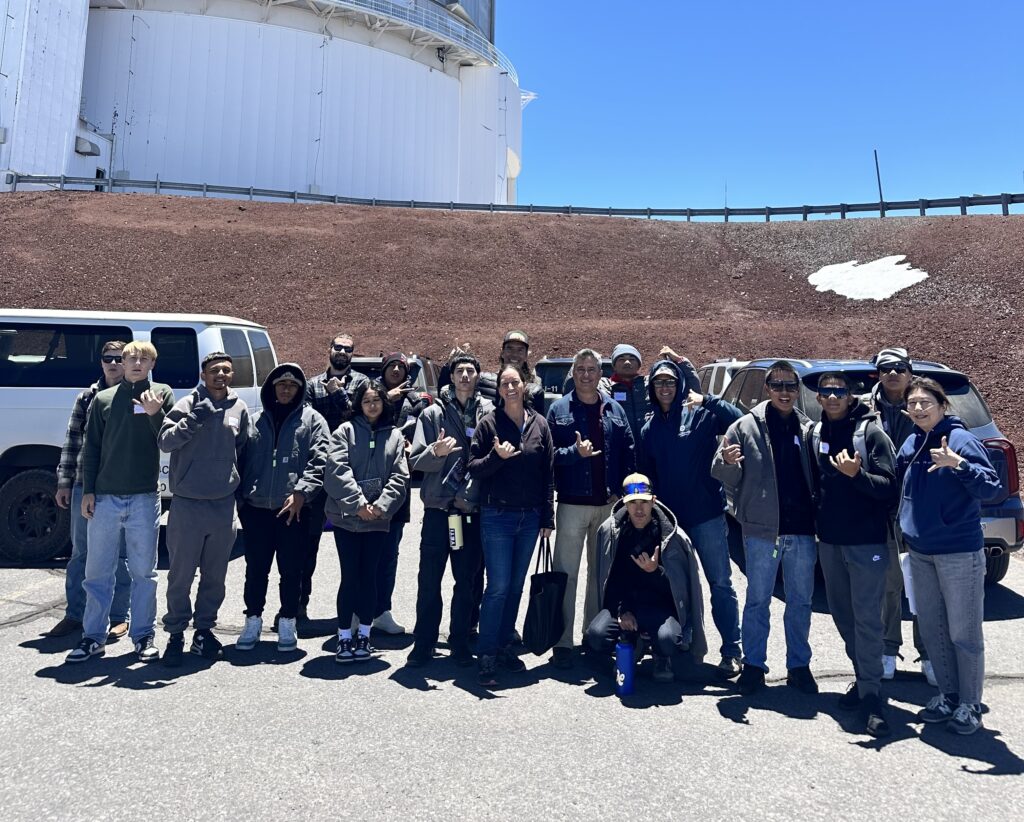
Born and raised here, many students hear everything about Mauna Kea but have never experienced it for themselves. Once our students had a chance to experience the culture, the environment, and the telescopes for themselves. I heard “I had no idea” and “it doesn’t have to be science or culture if people talk and learn more.”
A Big Ask
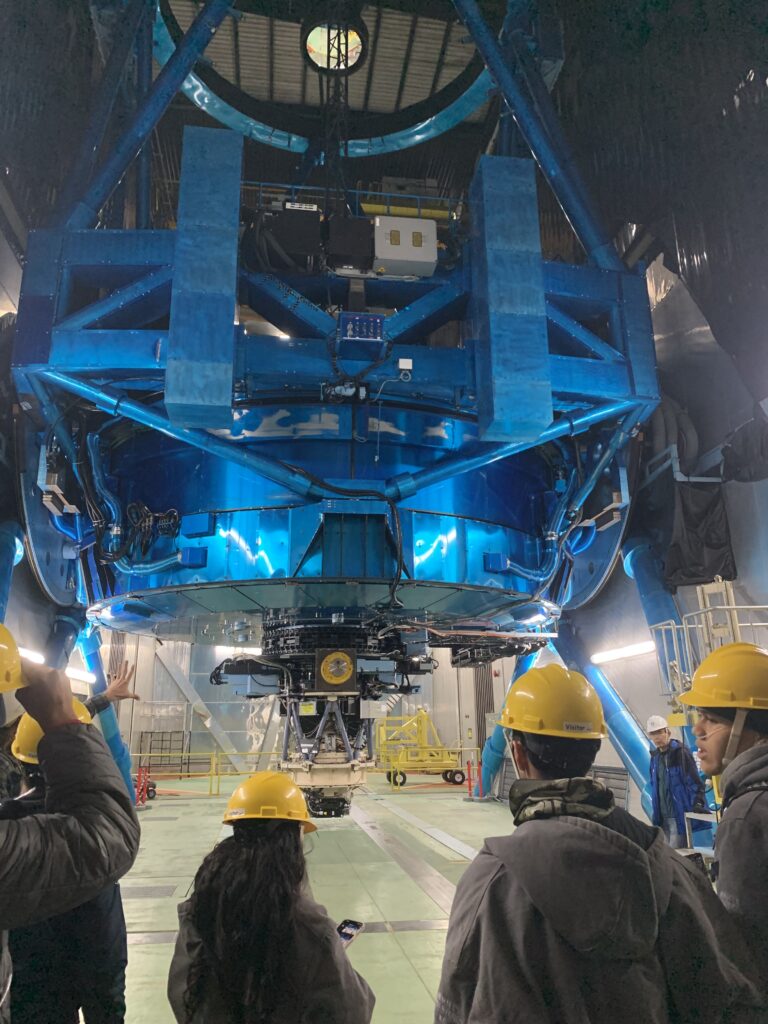
Facilitated by a team of diverse professionals, the Mauna Kea summit trip provided students with a deeper understanding of the cultural and scientific significance of their home island while encouraging conversations about cultural respect, history, conflict, sustainability, technology, and available career pathways. Students had access to observing and talking with different types of professionals working on Mauna Kea each presenting a different career path, story and background.
This trip was a big ask, but the Hawaii Science and Technology Museum, Center for Maunakea Stewardship, Subaru Telescope and Gemini Observatory collaboratively said “yes” knowing that our collective future is dependent on today’s youth being educated and invested in the opportunities on this island.
Equally valuable, 19 professionals visited our classroom giving a few hours each and encouraged students to practice informational interview skills as they talked in small groups covering topics of environment, mental and social health, and managing conflict, and how each professional navigated college and choosing a profession.
Conversations were focused on student-led questions and encouraged thinking about the role students and their families have in preserving the ecosystems on our island, de-stigmatizing mental health challenges, accessing social services, and working through bullying and conflict resolution.
The outcome? Students saying “Wow, a lot of us experience this. … I didn’t know native plants were in such trouble. … I didn’t know that people could do this job here.”
Every one of these professionals gave their time with intention and integrity, honoring the ‘āina that supports us, the culture of this land, and the individual interests and skills of each student. Each adult brought to life topics that are essential for a sustainable, thriving future on our islands, and they did it in a way that no single teacher can. It takes a village.
As this school year ends, and I publicly recognize those individuals who said “yes,” I am also calling on each of us to rise to the occasion and contribute more to the youth in our community, and the schools and educators that work intensely to prepare our youth to be the future.
Be inspired by the other community leaders’ contributions — this summer let it be you that offers to give a student an informational interview or a day of job shadowing. Talk to kids, get them comfortable talking about their skills and interests to an adult.
Students hear everything about Mauna Kea but have never experienced it.
Help them build their resumes and references through summer side jobs. Arrange to volunteer with them in one of the many local mālama ʻāina organizations. Talk to the educators in your circle, call your local school — ask how you can contribute towards bus funding to support field trips, or how to help in a classroom with reading, writing, or career exposure, help with a school garden, or donate snacks to a classroom.
Schools and teachers cannot do this alone. We need all of us — now more than ever — if we want our community to be sustainable, resilient, and peaceful as we face an ever changing and uncertain global future.
To those who said “yes” to my 200 hundred students this year, we are deeply grateful, and our community as a whole will reap the benefits of your contribution for years to come, in ways unspoken and unimaginable.
The future requires a healthy village. Mahalo.
 Sign up for our FREE morning newsletter and face each day more informed.
Community Voices aims to encourage broad discussion on many topics of community interest. It’s kind of a cross between Letters to the Editor and op-eds. This is your space to talk about important issues or interesting people who are making a difference in our world. Column lengths should be no more than 800 words and we need a photo of the author and a bio. We welcome video commentary and other multimedia formats. Send to news@civilbeat.org. The opinions and information expressed in Community Voices are solely those of the authors and not Civil Beat.
Read this next:
Local reporting when you need it most
Support timely, accurate, independent journalism.
Honolulu Civil Beat is a nonprofit organization, and your donation helps us produce local reporting that serves all of Hawaii.
ContributeAbout the Author