Will Bailey: Pōhakuloa Is Perfect For The Army. So Don't Let Them Pressure Us
Lease negotiations should proceed on island time, not military time.
August 31, 2025 · 6 min read

About the Author

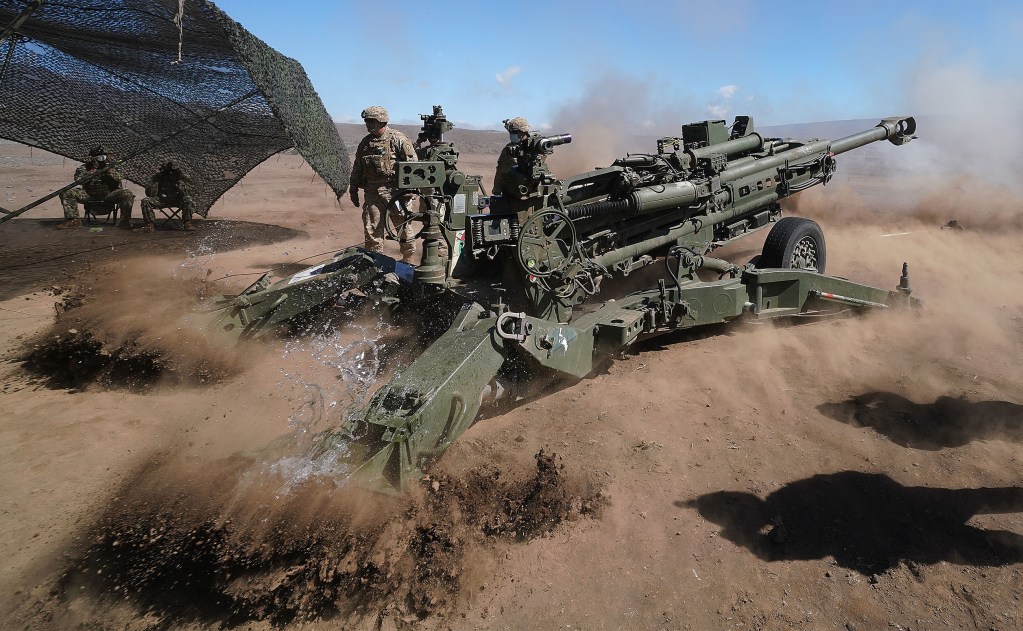
I trained at Pōhakuloa. We all did.
We’d fly in aboard Black Hawks and Chinooks, banking over the saddle. For the pilots, the winds were their own proving ground — sudden drops, unpredictable currents, landings on jagged lava fields. For us in the back, your stomach hit your throat as the bird plunged, hands gripping the seat. Scary at first. Then a rush.
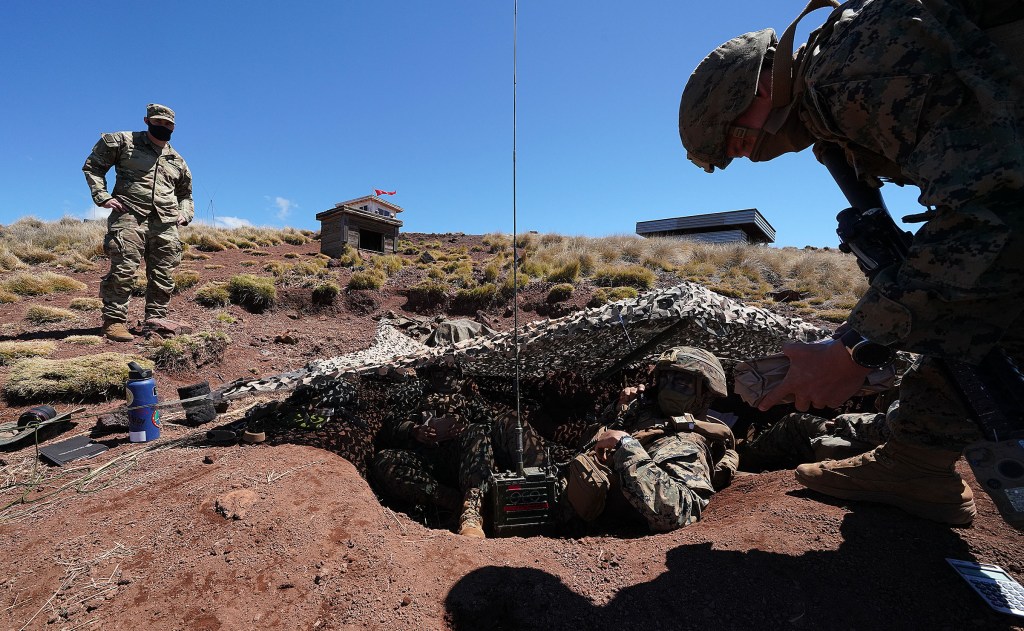
The doors would slide open, and it was red dust and lava rock below. Boots grinding in, rifles slung under the hard sun. For soldiers, it’s the only place in Hawaiʻi big enough to feel like war. For pilots, it was where they learned to fight the saddle winds, thread valleys and land heavy birds on unforgiving terrain.
I only deployed to Iraq, but Pōhakuloa Training Area’s terrain was vital. It readied units not just for the desert, but for Afghanistan’s mountains, Eastern Europe’s ridges and the rough stretches of Africa. On Oʻahu, the beaches and thick jungle gave us the other half of the picture — training that felt like it could be Southeast Asia, or anywhere the foliage swallowed sound and movement.

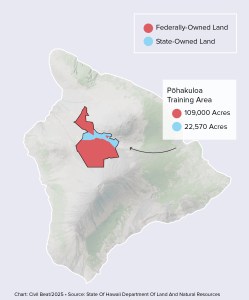
That’s why the Army values Hawaiʻi. And that’s why, 60 years ago, it leased 23,000 acres of Big Island land for a dollar.
Now the Secretary of the Army says Hawaiʻi needs to move quickly to decide if that lease should be renewed — even though the agreement doesn’t expire until 2029.
A Clash Of Clocks
Urgency on Washington’s clock. But here in Hawaiʻi, the land tells a different story.
In May, the state Board of Land and Natural Resources rejected the Army’s environmental review for Pōhakuloa, saying it left too many gaps: endangered species not properly surveyed, cultural sites overlooked, unexploded ordnance barely addressed. The following month, Kahuku Training Area on Oʻahu met the same fate.
Those weren’t just bureaucratic delays. They were reminders that communities deserve their say before another 65 years are signed away.

Then in July, Army Secretary Dan Driscoll flew in. He told Gov. Josh Green he wanted negotiations wrapped up not in years, but in months. By August, it had hardened into a 60-day deadline for a “holistic solution.”
Former state Land Board chair William Aila Jr. called that timeline “impossible.” And he’s right. Hawaiʻi’s processes — environmental law, cultural review, public testimony — aren’t built for shortcuts. They exist to ensure people are heard before the ink dries.
On. Aug. 21, Green made it clear he doesn’t intend to move on urgency alone, and he said Driscoll was now open to a resolution by year’s end instead of within 60 days. The governor also warned that the Army could fall back on eminent domain — taking the land outright, with nothing returned to Hawaiʻi.
Still, Green said he is setting conditions: the return of lands like Mākua Valley, cleanup of contaminated ranges, water protection, thousands of new homes, parcels for Hawaiian homelands and military investment in renewable energy and infrastructure.
If Hawaiʻi is asked to move on Washington’s clock, the governor insists it will be on Hawaiʻi’s terms.
The Stakes
The Army’s case is clear: Pōhakuloa is the only range of its kind in Hawaiʻi. Without it, battalions can’t train at full strength. In a Pacific moment defined by China’s rise and Taiwan’s fragility, readiness matters.
And defense dollars matter too. Nearly 9% of Hawaiʻi’s GDP flows from the military — billions of dollars in contracts, payroll and construction. For many local families, that means stability.
But another truth runs alongside.
Native Hawaiian groups see sacred sites disturbed, ecosystems damaged, water threatened. Environmental advocates point to decades of shelling that left landscapes scarred and ordnance still scattered. Communities remember the pattern: cheap leases, solemn promises, land returned contaminated.
Kahoʻolawe was bombed into ruin, and even after cleanup, large areas remain unsafe. At Mākua Military Reservation on Oʻahu, lawsuits halted live-fire training in 2004 after evidence of cultural destruction. Every new lease sits under that shadow.
So when Washington says “60 days,” the reaction isn’t just about paperwork. It’s about memory. It’s about sovereignty. It’s about whether Hawaiʻi gets to set its own tempo.
This isn’t only about Pōhakuloa. The leases at Kahuku, Kawailoa-Poamoho and Mākua also expire in 2029. Together, they frame a statewide debate about the military’s footprint — what stays, what goes, and who decides.
Pressure More Than Urgency
The Army has already signaled it may scale back. At Pōhakuloa, it now says it would retain 19,700 acres instead of 23,000. At Kahuku, just 450 acres instead of thousands. But for many, that doesn’t erase the larger issue: lands taken cheaply, used heavily, and returned damaged.
That history sits behind every hearing, every protest sign, every voice in testimony. It’s why the rush feels less like urgency and more like pressure.
Green has said he’s open to moving faster, if it stays lawful. Driscoll insists the Army will respect culture and the environment. Both may believe they can balance urgency with accountability.
But there’s a difference between wanting a deal and rushing one. Between Washington’s clock and Hawaiʻi’s.
I know what the Army sees at Pōhakuloa. I’ve seen it too — the scale, the realism, the sense of being tested. For soldiers grinding in the dust, for pilots working the saddle winds, it matters.
But knowing that doesn’t erase the red dust, the unexploded ordnance or the silence left when decisions move too fast.
Urgency is not accountability.
And if Hawaiʻi signs on Washington’s clock, what does that say about our own?
 Sign up for our FREE morning newsletter and face each day more informed.
Read this next:

Local reporting when you need it most
Support timely, accurate, independent journalism.
Honolulu Civil Beat is a nonprofit organization, and your donation helps us produce local reporting that serves all of Hawaii.
ContributeAbout the Author