HPD Needs A New Chief And A New Culture
The Honolulu Police Commission has a chance to put in place a chief who will bring about fundamental change, not just maintain a status quo that isn’t working.
September 14, 2025 · 8 min read

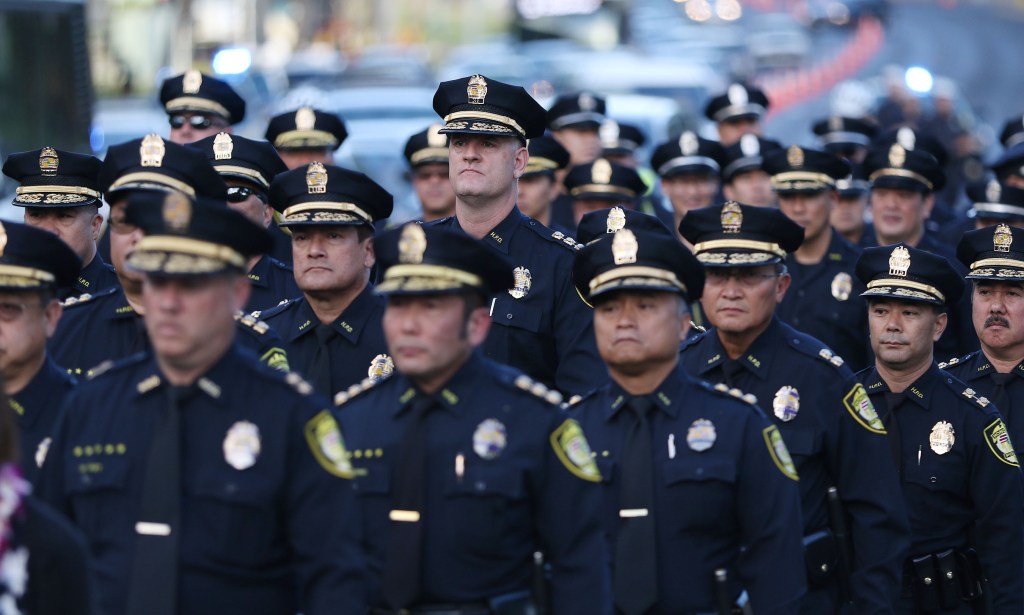
About the Author

The Honolulu Police Department needs a culture change, and the Honolulu Police Commission should make it a top priority when it decides who the next chief of police will be.
There are many HPD problems, including wrongful arrests, racial disparities in the use of force, overtime abuses, and police misconduct that has cost the city millions of dollars in legal settlements.
This essay focuses on three problems that are rooted in HPD’s organizational culture – the values, beliefs and assumptions that shape the behavior of the 1,700 sworn officers whose mission is supposed to be “serving and protecting with aloha.”

The first issue is the “clearance rate,” which is the percentage of offenses known to police that result in the arrest and charge of an offender. Like a batting average in baseball, this is widely regarded as an important measure of police success and failure.
Compared to other developed democracies, clearance rates in America are low. In 2024, only 58% of homicides in the country were cleared, while in Honolulu the rate was 57%. In contrast, the clearance rates for homicide in Germany and Japan are consistently well over 90%. Yet even within the lackluster American context, some of HPD’s clearance rates are strikingly unimpressive: just 6% to 8% for burglary (about half the national average), and only 2% to 3% for motor vehicle theft (about one-third the national average).
In other words, many criminal offenders in Honolulu have a very good chance of getting away with it. This is bad for justice, bad for victims and bad for public safety. Hiring a chief who is committed to improving the clearance rate (without manipulating statistics, as happens in some departments) should be a high priority for the Police Commission.
The second issue is integrity, as the scandal involving former HPD Chief Louis Kealoha revealed. In what is appropriately called “the greatest corruption case in Hawai’i history,” Louis and his wife, city deputy prosecutor Katherine Kealoha, were convicted of federal crimes, as were four other HPD officers. Among other serious offenses, the Kealohas choreographed an elaborate conspiracy to frame Katherine’s uncle (Gerard Puana) in order to cover up financial crimes they committed in order to sustain their own luxurious lifestyle.
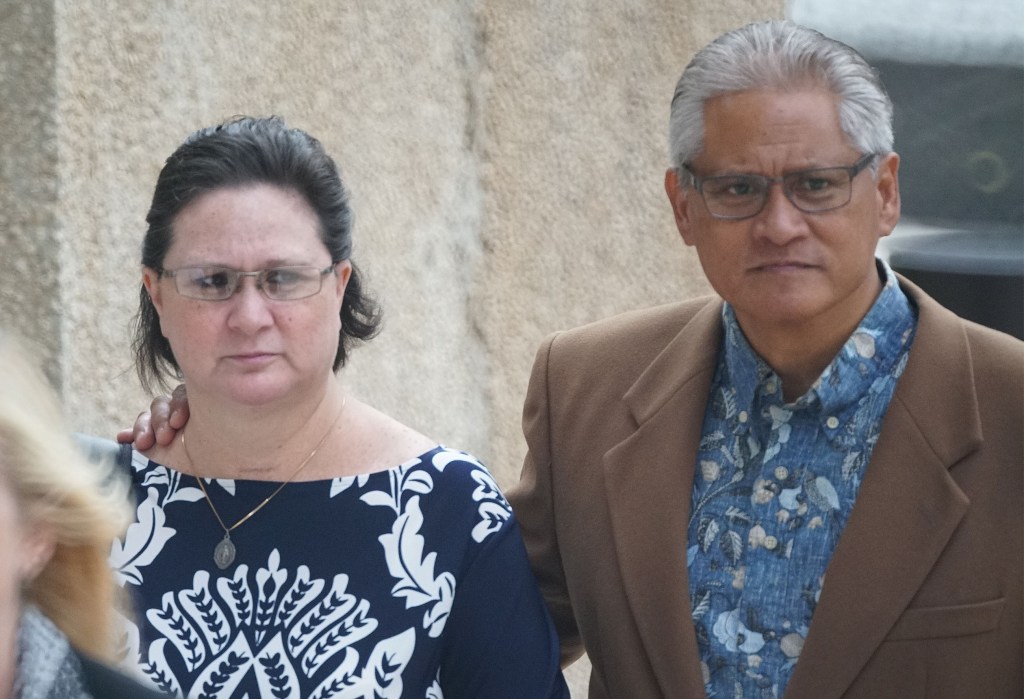
Some observers believe the Kealohas and their minions were merely a few bad apples in an otherwise healthy system, but as Alexander Silvert explains in his book about the scandal, “nothing could be further from the truth.”
Louis and Katherine were sentenced to prison in 2020 (they got seven years and 13 years, respectively). But little has been done to correct the cultural weaknesses that enabled their crimes to occur. In some discussions of what HPD needs to do going forward, the scandal barely even merits a mention.
And so the misconduct continues. In a case that occurred in Makaha, four HPD officers have been charged with felonies for their roles in a car chase that resulted in injuries to six people. Prosecutors say that after the crash the officers fled, regrouped and then returned to the scene pretending not to know what happened.
HPD officer Mason Jordan resigned from the force in 2021 during an internal investigation. He later pleaded guilty to crimes of sexual exploitation and cyberstalking, and he apparently used “elaborate ruses” to gain access to children.
According to a lawsuit filed by the ACLU earlier this year, Honolulu police arrested 127 people between 2022 and 2024 who were later shown to have no alcohol in their system through breath or blood tests. Fifteen of these people were given traffic tickets, three were charged with driving under the influence, and the rest were not charged. According to the ACLU, one incentive for making the arrests was that officers were told they could go home and be paid for a full shift if they made one DUI arrest. The goal of the litigation is to ensure that police stop arresting people without probable cause.
One of the officers being sued is Darren Cachola, a recently retired HPD sergeant with a long record of bad behavior who claims to have worked 2,375 hours of overtime in his final pension-spiking year on the force.
Silvert’s book about the Kealoha scandal was published in 2021. On the last page he observed, “It’s uncertain whether the City will learn from and embrace the opportunity to effect meaningful change that (this) case presents.”
“The opportunity exists,” he wrote, “but there are tremendous institutional forces resistant to change.” Four years later, the forces of resistance continue to prevail.
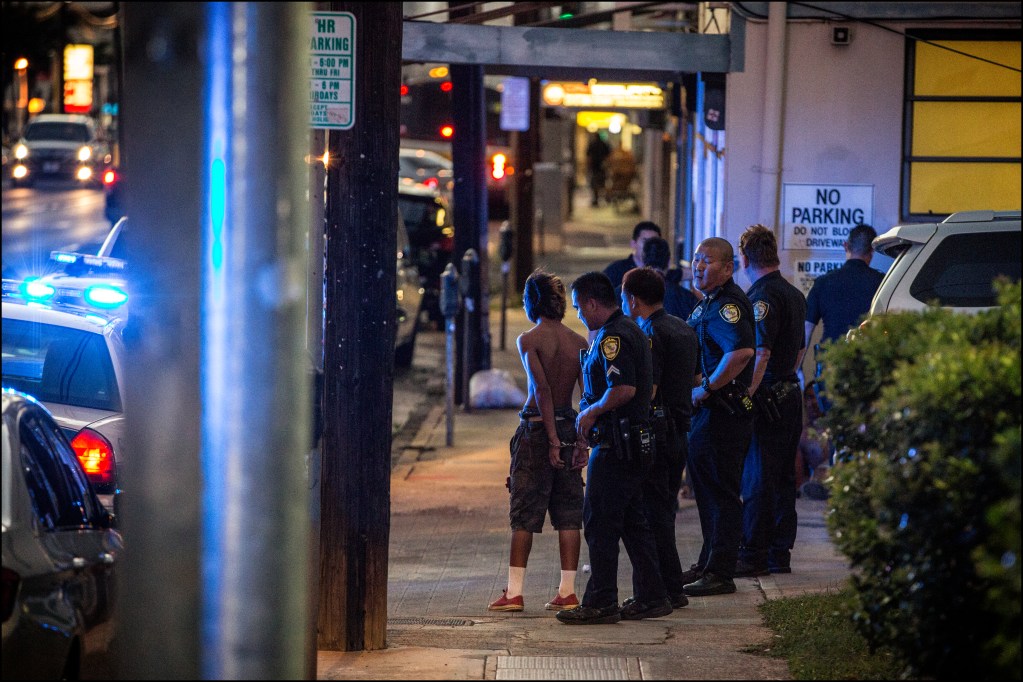
The third priority for police reform concerns HPD’s failure to collect information that would enable meaningful evaluation of police performance. Little is known about a host of important questions.
How do police actually spend their time? (In many American departments, police do remarkably little crime-fighting.)
Is police patrol effective? (Studies show not much is accomplished that way.)
How are body-worn cameras actually used, and to what effect?
Do police “sweeps” of homeless people work?
Do police provide an effective response to problems involving the mentally ill? And so on. Our ignorance about this crucial component of city government is vast.
In fiscal year 2024, HPD had an operating budget of $354 million, an increase of $43 million over the previous fiscal year. But the people of Honolulu know little about what they are getting for their money. There are plenty of assertions based on anecdotes, but when it comes to hard facts based on solid evidence, our knowledge about HPD is woefully inadequate. There are many reasons for this information deficit, including blind trust in police, fear of SHOPO (the powerful police union), and a law enforcement culture of secrecy and complacency.
It is hard to change a police culture. Many leaders promise change but few of them deliver. Yet change is possible, and some departments are walking the talk. As emphasized by former Berkeley (California) police officer Neil Gross in his book about how cop culture can been changed, the chief of police plays an especially crucial role. Among other qualities, successful chiefs display organizational savvy, skill at communicating with citizens and colleagues, humility, historical awareness, and grit.
Reformist chiefs also need to be given time, because short appointments make it impossible to build the support needed for change – inside the organization and outside of it. In Honolulu, gaining support from inside may be easier than some people suppose, for a recent survey of HPD employees found that many are frustrated with senior leadership. The next chief will also need to find allies in government and in the community – and on the HPC.
A decade ago, President Barack Obama assembled a task force charged with developing a vision for policing for the 21st century. Its most important finding is that policy change alone is not enough to improve policing.
“Organizational culture eats policy for lunch,” the task force concluded. “Any law enforcement organization can make great rules and policies … but if policies conflict with the existing culture, they will not be institutionalized and behavior will not change.”
Mayors and police commissions frequently install anodyne chiefs who do nothing to change police culture. All too often, their appointments placate constituents without disturbing the status quo. The Honolulu Police Commission has made this mistake four times since Louis Kealoha was arrested eight years ago, by installing two chiefs (Susan Ballard and Joe Logan) and two acting chiefs (Rade Vanic, twice) who were not agents of change. This has to stop.
The seven members of the commission now have another chance. Will they get it right this time, or will Honolulu be plagued by the same policing problems for years to come?
 Sign up for our FREE morning newsletter and face each day more informed.
Local reporting when you need it most
Support timely, accurate, independent journalism.
Honolulu Civil Beat is a nonprofit organization, and your donation helps us produce local reporting that serves all of Hawaii.
ContributeAbout the Author