Beyond The Trees: The Importance Of Our Native Forests
We have a shared kuleana to protect and nurture the native forests that sustain Hawaiʻi.
October 14, 2025 · 4 min read

About the Authors
When we look at Hawai‘i’s forests, we see more than just trees — we see life-sustaining systems that connect mauka to makai and touch every part of our daily lives. From capturing and filtering the wai that fills our streams and aquifers, to providing food and habitat for native birds, insects, and snails, our upland and even urban forests form one of the foundations of island life.
Yet these ecosystems face growing threats from invasive species, climate change, and habitat loss. Protecting our forests is not only about saving rare plants and animals; it’s about safeguarding water, culture, and community for future generations.
Hahai no ka ua i ka ʻulu lāʻau means “The rain follows the forest.” Forests play a vital role in protecting and replenishing our watersheds. Native forests act as natural sponges, capturing rain and slowly releasing it into streams and rivers, while also filtering water into aquifers. This process ensures a steady freshwater supply, reduces flooding, erosion, and wildfire risk, and maintains water quality for aquatic ecosystems.

Ideas showcases stories, opinion and analysis about Hawaiʻi, from the state’s sharpest thinkers, to stretch our collective thinking about a problem or an issue. Email news@civilbeat.org to submit an idea or an essay.
In Hawai‘i, the health of watersheds is interconnected from mauka to makai. The traditional ahupua‘a system reflected this balance, managing resources sustainably from uplands to ocean. Rain collected in forests flows through rivers to the sea, nourishing ecosystems and protecting coral reefs by preventing sediment runoff.
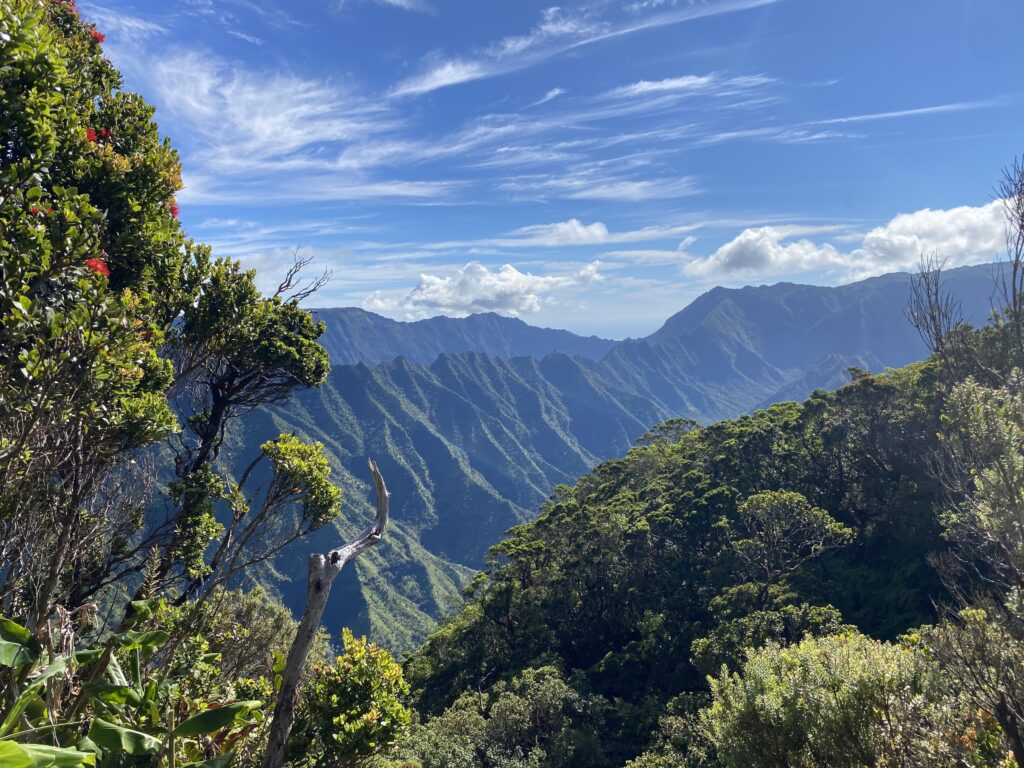
On Kaua‘i, the Alaka‘i Swamp — one of Hawai‘i’s largest high-elevation rainforests — anchors this system. It provides freshwater to the Wainiha, Hanalei and Waimea rivers, sustains native species, filters rainfall and protects water quality, linking land and sea while supporting biodiversity.
Interconnected Native Forest Communities
Forests are intricate networks where every organism, from the tallest tree to the smallest insect, has an important role. Many native bird species act as pollinators, seed dispersers, and pest controllers, helping forests regenerate and stay healthy. Birds such as the ‘apapane and ‘amakihi pollinate native plants, ensuring the survival of species unique to Hawai‘i. Others, like the ‘io (Hawaiian hawk), regulate populations of small mammals and insects, maintaining balance within the ecosystem.
Native birds also support forest growth as seed dispersers. The puaiohi, a Kauaʻi endemic, for example, transports seeds to new areas, promoting plant diversity and regeneration. Insects such as bees, moths, and butterflies are vital pollinators that allow plants to reproduce and thrive. Decomposers — like beetles, snails, and fungi — recycle nutrients into the soil, while predatory insects such as spiders and wasps keep pest populations in check. Together, these species sustain resilient and healthy forest communities.
The decline of native birds and insects from habitat loss, invasive species and climate change has serious consequences. Without these key species, forests lose resilience and become more vulnerable to threats like avian malaria and invasive plants such as Miconia. Protecting native wildlife is not only about saving individual species but also about safeguarding the health and future of Hawai‘i’s forests.
Our Role In Forest Health
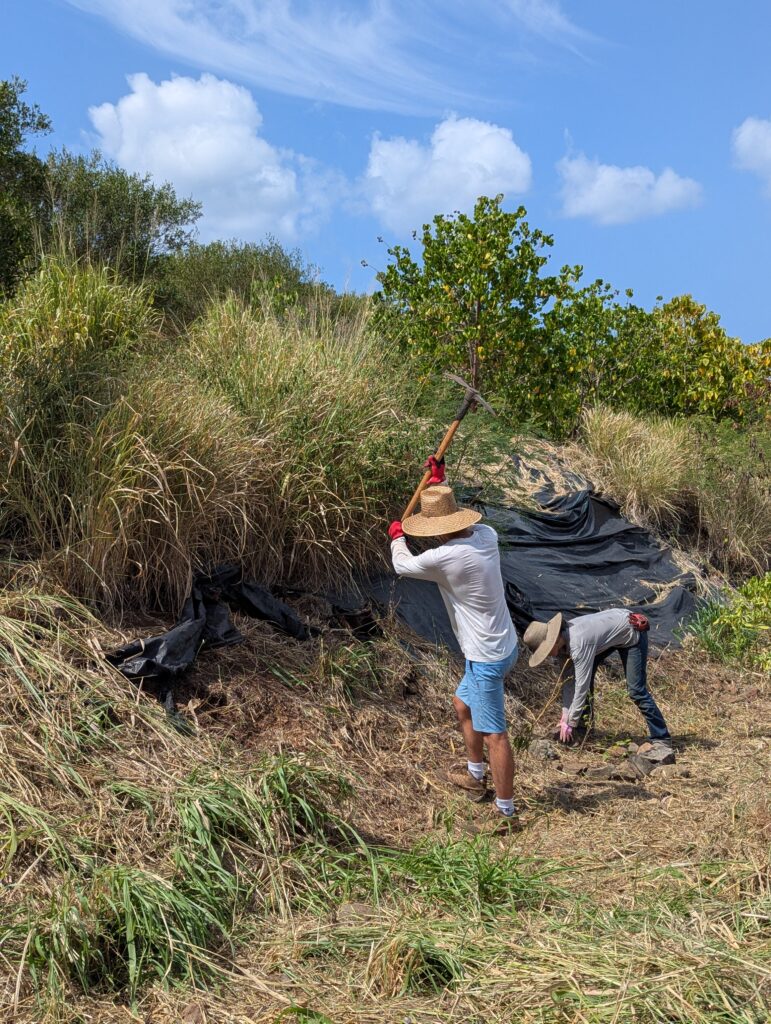
We have a shared kuleana to protect and nurture the native forests that sustain us. Simple actions, like planting native species, controlling invasive plants, and supporting conservation efforts, make a significant difference.
There are many community-driven initiatives, such as reforestation projects and education programs, that can empower individuals to take an active role in forest stewardship. Reducing our carbon footprint and supporting sustainable practices can also mitigate the effects of climate change, helping to preserve these vital ecosystems.
Closing Thoughts
Our native forests are invaluable, providing clean water, biodiversity, and habitat for native species. Recognizing the interconnectedness of ecosystems from mauka to makai reminds us that protecting forests secures a sustainable future for both nature and people.
Beyond the trees lies a delicate balance — one we must actively preserve.
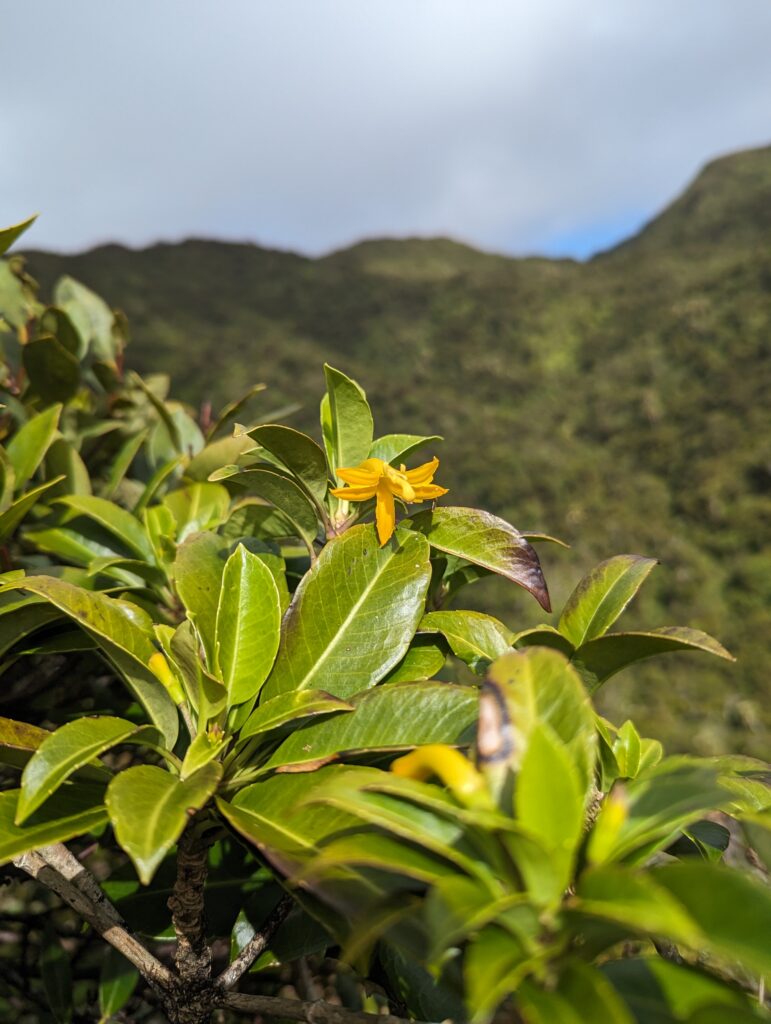
This year, let’s celebrate the Year of the Community Forests by taking concrete actions to support conservation efforts. Join local initiatives to restore native habitats; plant and protect native species including invertebrates, and birds, and take the time to educate others on the importance of our forest ecosystems.
By working together to protect native species and preserve forest health, we can honor our role as stewards of the land and protect the legacy of our forests for generations to come.
Learn more about native Hawaiian forest birds. Learn more about the Koʻolau Mountains Watershed Partnership. Learn more about the “Year of the Community Forests.”
 Sign up for our FREE morning newsletter and face each day more informed.
Community Voices aims to encourage broad discussion on many topics of community interest. It’s kind of a cross between Letters to the Editor and op-eds. This is your space to talk about important issues or interesting people who are making a difference in our world. Column lengths should be no more than 800 words and we need a photo of the author and a bio. We welcome video commentary and other multimedia formats. Send to news@civilbeat.org. The opinions and information expressed in Community Voices are solely those of the authors and not Civil Beat.
Read this next:

Local reporting when you need it most
Support timely, accurate, independent journalism.
Honolulu Civil Beat is a nonprofit organization, and your donation helps us produce local reporting that serves all of Hawaii.
ContributeAbout the Authors