How UH West Oʻahu Confronts Health Inequities Through Education
Hawaiian values guide students in seeing health not just as a biological phenomenon but as a social, cultural, and spiritual practice rooted in place.
October 3, 2025 · 5 min read

About the Author
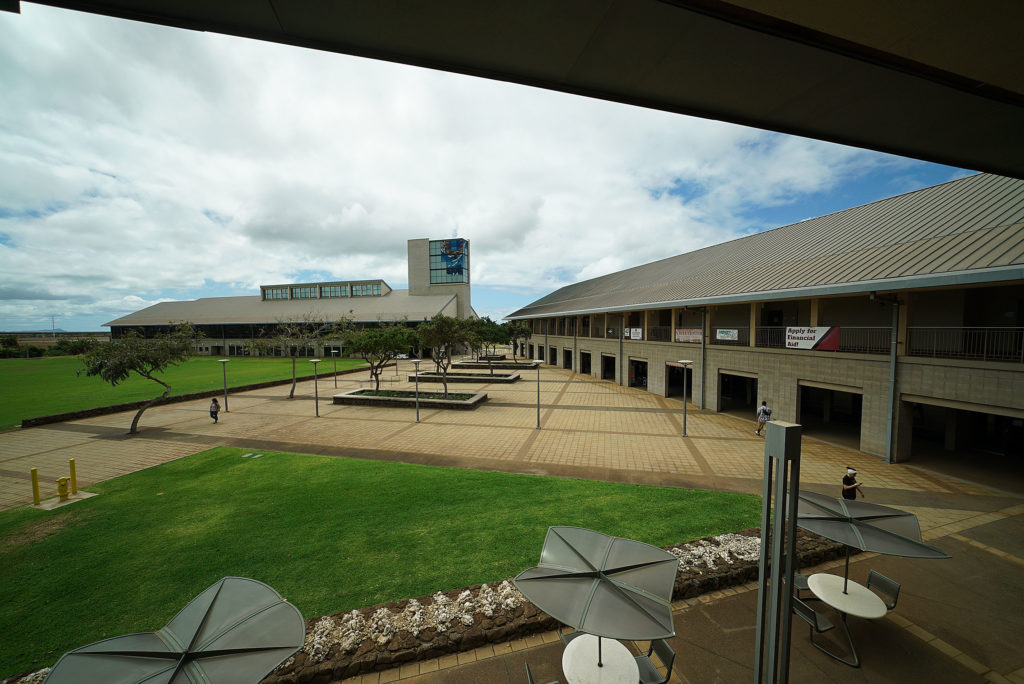
Colonialism did not just change Hawaiʻi’s politics and economy — it left a lasting imprint on the health of its people.
From Red Hill’s water contamination to the highest houselessness rate in the nation, inequities run deep. Native Hawaiians and Pacific Islanders face disproportionately high rates of diabetes, heart disease, asthma, and shortened life expectancy. Nearly one in three young adults report symptoms of depression, while houselessness and food insecurity remain pressing challenges across the islands.
Because health resources are concentrated in Honolulu, families in West Oʻahu face longer travel times to hospitals, fewer providers, and greater environmental threats such as water contamination and wildfire risk. At the same time, the state’s political economy prioritizes tourism and the military over community needs, deepening historic inequities.

Ideas showcases stories, opinion and analysis about Hawaiʻi, from the state’s sharpest thinkers, to stretch our collective thinking about a problem or an issue. Email news@civilbeat.org to submit an idea or an essay.
The University of Hawaiʻi West Oʻahu’s commitment to health equity is not confined to the classroom. Through the Makahaiwaʻa food distribution program, the university addresses food insecurity by partnering with Aloha Harvest, the Mililani Farmers’ Market, and Food Vault Hawaiʻi West. Weekly and summer food drops at the Nāulu Center, a Basic Needs Pantry, and community food distributions from the campus parking lot help relieve immediate burdens on students and local families.
These efforts show how UHWO puts its values into practice, ensuring equity work is lived, not just studied.
This mission is also advanced by faculty whose teaching and scholarship connect directly to community needs. In the sociology concentration, the Social Science, Health, and Medicine Certificate grew from the vision of Dr. Orlando Santiago-García, a full professor whose leadership made it one of UHWO’s signature offerings.
The program is further supported by faculty such as Dr. Konstantinos Zougris, whose research on social theory and text analytics sharpens students’ ability to analyze complex issues, and Dr. Nick Chagnon, who highlights the commitment of first-generation and non-traditional students while extending his scholarship into the community through the Reimagining Public Safety Hawaiʻi Coalition.
Institutional leadership is also aligning with this mission. UH President Wendy Hensel recently appointed Carlos Peñaloza, chancellor of Leeward Community College, to also serve as interim chancellor of UH West Oʻahu. His dual role strengthens the bridge between community colleges and UHWO, making it easier for students — especially first-generation and underserved students — to continue their education without losing momentum.
By extending his work at Leeward, where he helped reduce achievement gaps and build community partnerships, Peñaloza’s leadership reinforces UHWO’s goal of creating clear, accessible pathways to higher education and the health-related careers Hawaiʻi urgently needs.
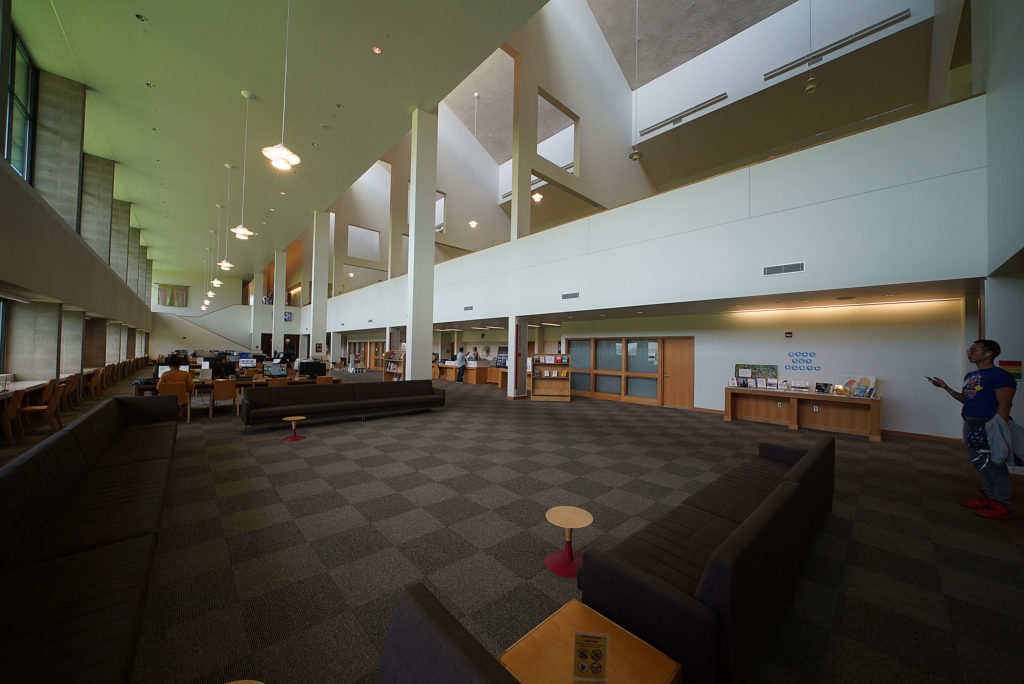
What makes the certificate compelling is how it combines structure with flexibility. Students take courses across the social sciences and health fields, blending research skills with community-based perspectives.
A student might, for example, analyze the social impacts of Red Hill’s water contamination or design a project addressing food insecurity in West Oʻahu.
The design prepares them to confront inequities in ways that are rigorous yet practical, while distance learning and integration with students’ majors ensure accessibility rooted in local needs.
The certificate is implicitly shaped by values long held in Hawaiʻi — lōkahi, the balance between self, community, and society; mālama ʻāina, the care of the land as inseparable from the health of the people; hoʻoponopono, the restoration of relationships fractured by inequity; pilina, the recognition that well-being flows from strong bonds across families and communities; and kuleana, the understanding that privilege carries the responsibility to serve.
These values guide students in seeing health not just as a biological phenomenon but as a social, cultural, and spiritual practice rooted in place.
I joined the UH West Oʻahu faculty this fall and have brought my background as a sociologist who studies the power of spirituality and health in Black communities. I see resonances between the struggles of Black communities and Native Hawaiian communities — both drawing on spirituality to resist marginalization and foster resilience.
This shared wisdom informs my commitment to working alongside UHWO students and faculty to confront health inequities and empower vulnerable communities.
In Hawaiʻi, health inequities are rooted in colonialism, yet the islands also resist through education. At UH West Oʻahu, that resistance takes shape in classrooms where faculty and students work side by side to address inequities, strengthen communities, and honor Indigenous values.
In this way, education becomes both a tool for healing and a pathway toward a more just and healthier future — one guided by the enduring power of aloha.
 Sign up for our FREE morning newsletter and face each day more informed.
Community Voices aims to encourage broad discussion on many topics of community interest. It’s kind of a cross between Letters to the Editor and op-eds. This is your space to talk about important issues or interesting people who are making a difference in our world. Column lengths should be no more than 800 words and we need a photo of the author and a bio. We welcome video commentary and other multimedia formats. Send to news@civilbeat.org. The opinions and information expressed in Community Voices are solely those of the authors and not Civil Beat.
Read this next:

Local reporting when you need it most
Support timely, accurate, independent journalism.
Honolulu Civil Beat is a nonprofit organization, and your donation helps us produce local reporting that serves all of Hawaii.
ContributeAbout the Author