Will Bailey: Pohoiki Bay Dredging Was A Onetime Job — That's How Feds Do It
These types of restoration projects are about the ribbon-cutting, but not the maintenance.
October 30, 2025 · 5 min read

About the Author

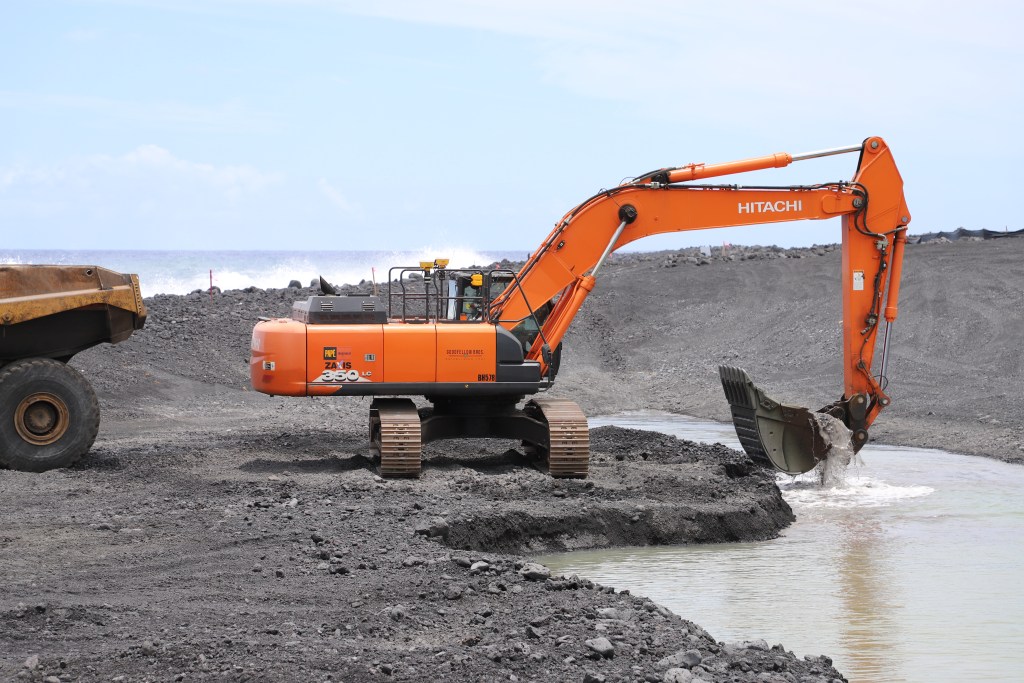
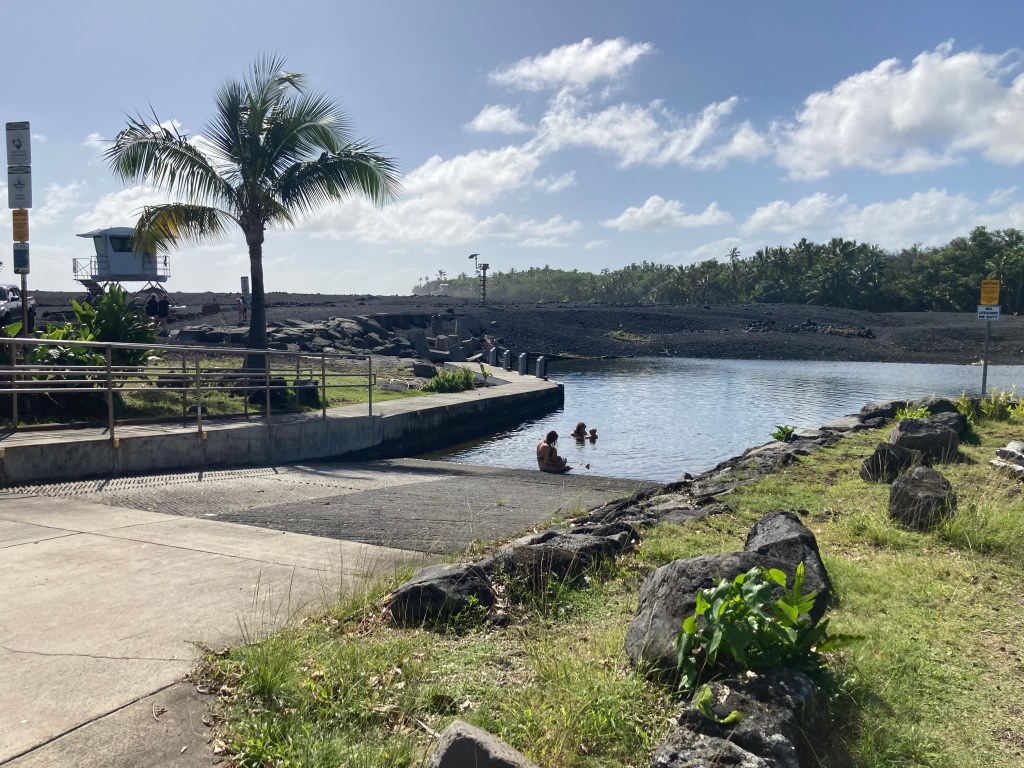
When the state’s dredging of Pohoiki Bay began, it was meant to be a homecoming. Seven years after lava sealed the boat ramp, Puna’s fishers would finally reach the sea again.
But weeks after the project finished, the channel was gone — filled once more with sand and stone. The water turned stagnant, the fish inside suffocated, and the celebration faded into a kind of stunned quiet.
For a $9 million project, the failure looked sudden. It wasn’t.
This was a collapse written in policy long before it appeared in the tide.

Ideas showcases stories, opinion and analysis about Hawaiʻi, from the state’s sharpest thinkers, to stretch our collective thinking about a problem or an issue. Email news@civilbeat.org to submit an idea or an essay.
Under FEMA’s Public Assistance program, disaster aid restores what was — never what could last. The policy is clear:
“FEMA does not provide funding for the costs of operation or maintenance, even if necessary to retain the restored facility’s function.”
That line in the agency’s 2025 manual meant Pohoiki was set up to repeat itself. The grant could only rebuild the channel as it existed before the eruption — a single push through the debris, with no allowance for the tide that would inevitably fill it again.
While the state had a FEMA grant for the dredging that failed, the Department of Land and Natural Resources hasn’t determined what it will do now.
By law, FEMA can’t fund the next round of dredging, or the one after that. The moment the project was finished, it was already on its own.
Other states have learned this lesson too: bayous in Louisiana, canals in Florida, harbors from Alaska to Maine. FEMA calls them restorations, not maintenance. The difference is everything. Restoration is an event. Maintenance is a covenant.
At Pohoiki, that covenant never existed.
The Two Hawaiʻis Of Infrastructure
The federal framework might explain the failure, but the imbalance is homegrown.
On Hawaiʻi island, there are two kinds of harbors.
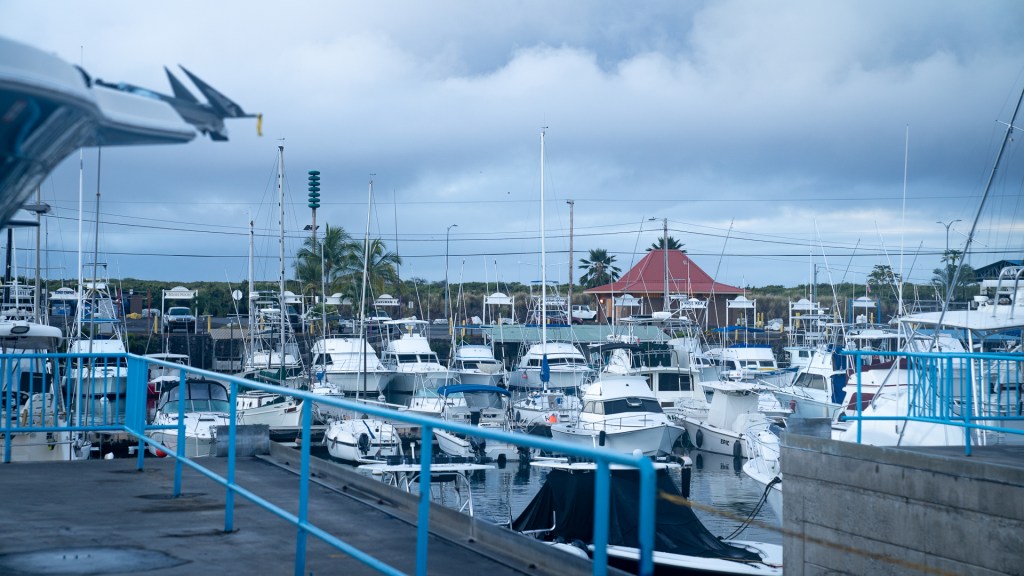
Honokōhau, on the Kona side, is federal — part of the Army Corps’ navigation network with regular dredging and a standing maintenance budget. Each year, Washington covers the cost because tourists sail from it, charters launch from it, and commerce depends on it.
Then there’s Wailoa in Hilo. State-managed. Shallow. Choked with silt after every storm. Its dredging depends on whatever the Legislature can spare that year. Sometimes it gets a little. Sometimes nothing at all.
It’s a culture of repair without relationship — a system that measures success by the first press release, not the second tide.
Pohoiki sits below even that. No federal authorization, no maintenance plan. Its one lifeline was a FEMA grant written for recovery, not resilience. When the project failed, the money was gone.
A 2021 State Auditor’s Office report found hundreds of millions of dollars in deferred harbor work statewide — a backlog built on the same quiet logic: fix what breaks, not what lasts. West side harbors that generate revenue stay dredged. East side harbors that feed families wait their turn.
That’s how you lose an island from the inside out — not through storms, but through the quiet politics of maintenance.
The Gap Between Aid And Stewardship
Across programs meant to help, the same flaw repeats.
NOAA builds reef barriers, restores wetlands, funds “coastal resilience.” But grants end when the ribbon is cut. The National Marine Fisheries Service calls it low-cost construction, not long-term care. FEMA restores. NOAA restores. Then the ocean takes the rest.
The University of Hawaiʻi Sea Grant warned years ago that one-time fixes fail under predictable conditions: “Without integrated resilience strategies, one-time restorations will fail repeatedly, as seen in vulnerable east-side sites.”
The Government Accountability Office has found the same at a national scale — billions spent on recovery, almost nothing on maintenance.
It isn’t neglect by one agency or one island. It’s a culture of repair without relationship — a system that measures success by the first press release, not the second tide.
Stewardship would mean watching what happens after the storm. It would mean budgeting for the day the sand comes back. But the federal lexicon has no word for that kind of care.
After The Ribbon Is Cut
The channel is gone again. The dredge lines erased, the water still. You can stand at the edge and see the pattern — sand returning to its place, as if to remind us what permanence really means.
Pohoiki was never just a ramp. It was proof of how far a community will go to stay connected to the sea. The engineers knew the current. The locals warned it would close. The data said the same thing. Yet the project moved forward anyway — funded once, built once, and forgotten the moment it failed.
That’s the part we never seem to learn.
We celebrate the act of reopening, not the work of keeping open. We rebuild the walls but never the covenant that holds them.
It doesn’t take another storm to close a harbor in Hawaiʻi. Just time, tide and paperwork written in the language of temporary things.
If there’s a lesson here, it isn’t about sand or swells. It’s about memory — how quickly we lose it, and what it costs each time we do.
 Sign up for our FREE morning newsletter and face each day more informed.
Local reporting when you need it most
Support timely, accurate, independent journalism.
Honolulu Civil Beat is a nonprofit organization, and your donation helps us produce local reporting that serves all of Hawaii.
ContributeAbout the Author