What I Learned As A White House Fellow
Hawaiʻi’s values are needed in places of power so that our voices are heard.
November 30, 2025 · 4 min read


About the Author
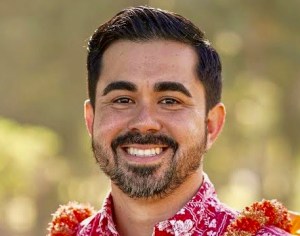
I recently completed my year as a White House Fellow, and I have been reflecting on what this experience has meant not just for me, but for what it says about the kind of service our country needs right now.
I was born and raised in a multigenerational household in Kailua, surrounded by my extended family and grounded in local Hawaiian values of aloha, kuleana and mālama. I never imagined I’d one day be walking the halls of the White House, let alone advising senior leaders on challenges like national security and economic diplomacy.
But this is not a story about personal success; it’s one of exchange. It’s about carrying the spirit of Hawai‘i into rooms where our perspective is often missing, and bringing back the knowledge learned to serve our people.
Founded in 1964, the White House Fellows program was established by President Lyndon B. Johnson to give emerging leaders a chance to serve at the highest levels of government. Alumni have gone on to serve as Cabinet secretaries, governors and ambassadors, including former Secretary of State Colin Powell, Gov. Wes Moore of Maryland and Hawai‘i’s own former Mayor Mufi Hannemann.
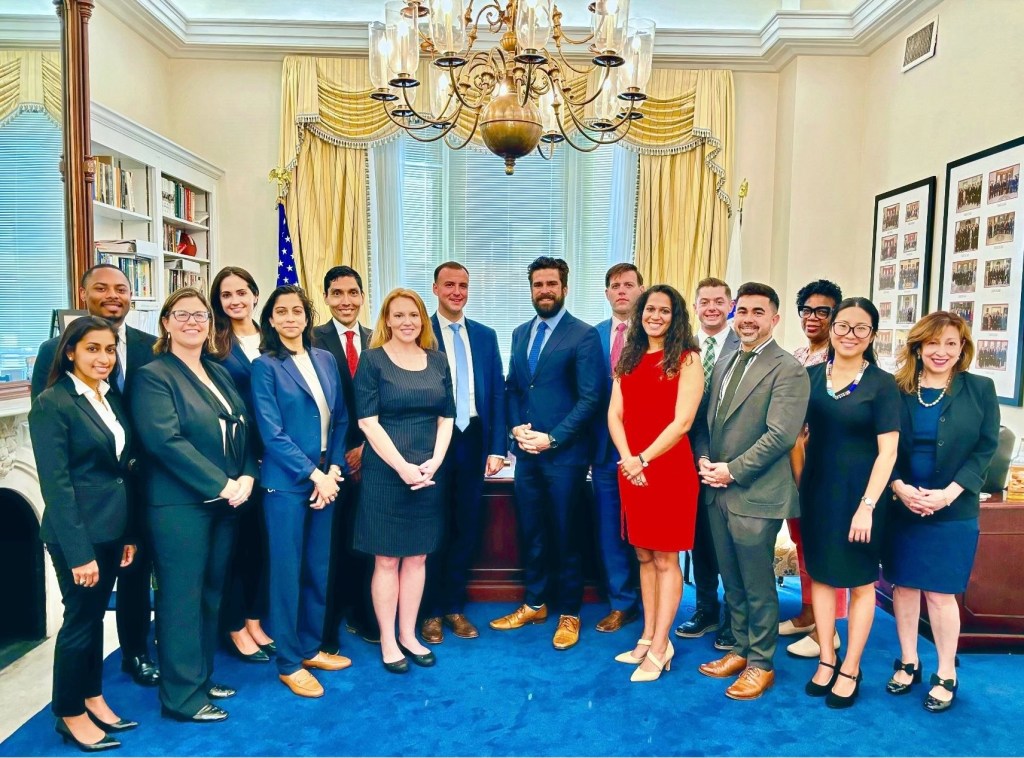
Yet, in six decades of the program’s history, only three fellows have come from Hawai‘i, and I was the first and only Native Hawaiian. The lack of representation in a country that has a proud history of national service needs to change, especially given that Hawai‘i has always produced servant leaders.
We have seen that leadership in Queen Liliʻuokalani’s strength and compassion. In Prince Kūhiō, who went from being imprisoned after the Hawaiian overthrow to becoming Hawai‘i’s congressional delegate.
And in King Kalākaua, who launched the Hawaiian Youths Abroad Program in the 1880s, sending young Hawaiian citizens to study overseas with the expectation that they would return home to lead. That spirit still lives in every local student who leaves to learn and comes home to give back.
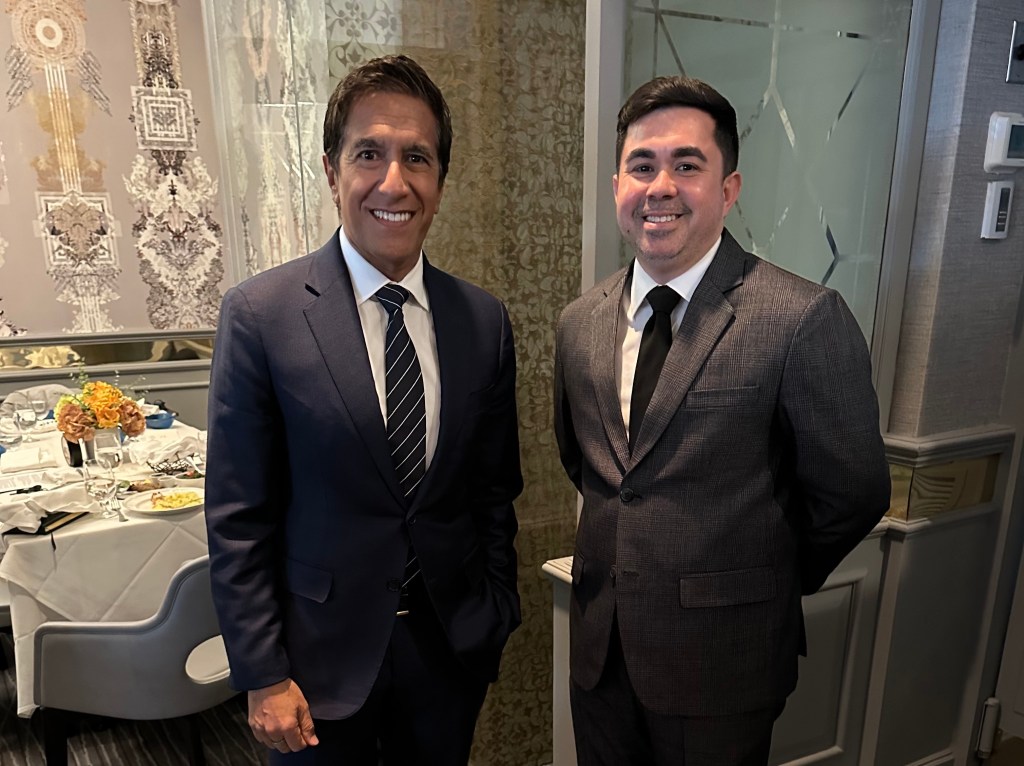
In my fellowship year, I worked alongside dedicated public servants, veterans, educators, and medical professionals from every corner of our nation.
What I brought to the table was the Hawai‘i I know and love, a community-first mindset, deep humility and the belief that leadership means listening before speaking. What I saw in the capital time and again is how much our values are needed in places of power.
Today, however, those service pathways are shrinking. Fellowships are being cut, civic programs are underfunded, and fewer people from communities like ours are being invited in.
That’s a loss not just for us, but for the country. Hawai‘i stands at the center of global conversations, and if we are not in the room when decisions are made, we risk being left out of the story.
And let us not forget that the opportunity to leave is not afforded to everyone. When I was at Kamehameha and many of my classmates left for the continent, I stayed home due to financial constraints and family needs. I remember feeling left behind until a wise teacher of mine, Mr. Mokunui, told me, “We need people to go out and carry the torch, but we also need people to stay and tend the fire.”
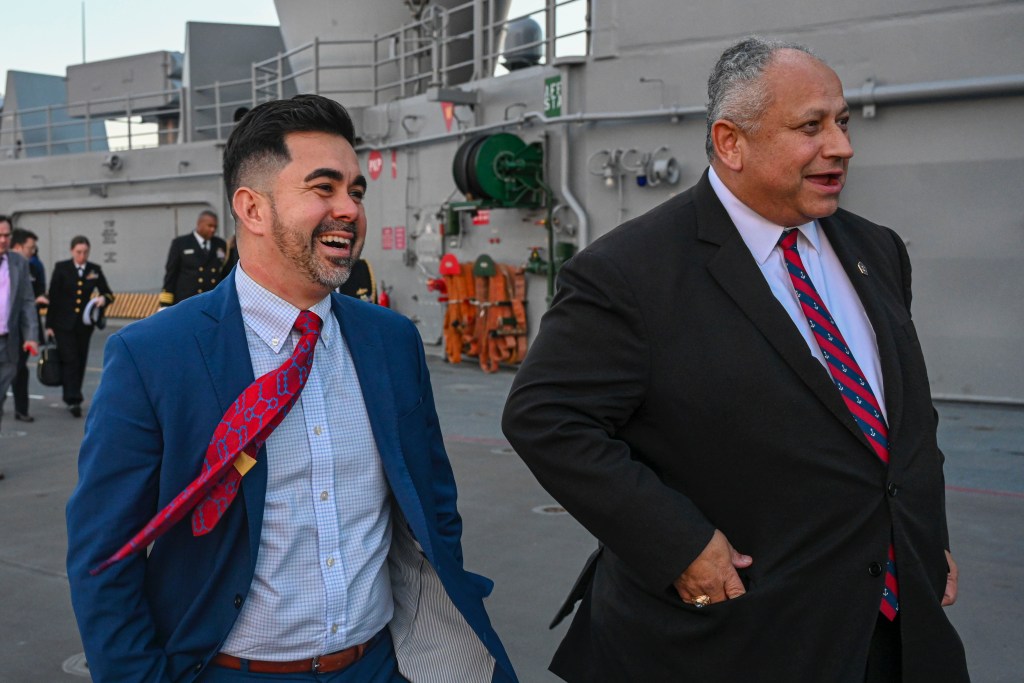
Hawai‘i needs both those who leave and return with new tools and those who do not go but serve with tradition every day. One is not more valuable than the other.
To the next generation: Your voice, values and experience belong at the table. Whether you go far or stay close, lead with aloha. All forms of service are needed now more than ever.
Our future depends on all of us. Those who go, those who stay, and those who choose to serve in whatever way they can.
 Sign up for our FREE morning newsletter and face each day more informed.
Read this next:

Local reporting when you need it most
Support timely, accurate, independent journalism.
Honolulu Civil Beat is a nonprofit organization, and your donation helps us produce local reporting that serves all of Hawaii.
ContributeAbout the Author