Deadline: Midnight! We’re in the final hours of our spring campaign and just 18 new donors short of our goal. Give now and your donation will be DOUBLED!
Hawaiʻi’s Aging Condos Are A Senior Housing Crisis
There is no real consumer protection for kūpuna facing selling their units, draining their savings or taking on debt.
December 31, 2025 · 6 min read

About the Author

Eight years ago, Civil Beat published “The Brutal Reality of Owning a Condo in Hawaiʻi,” highlighting sudden assessments, steep maintenance fee increases, and the absence of meaningful oversight in condominium governance.
Today, the situation has not only persisted — it has evolved into a deeper, more urgent crisis. This time, the impact falls most heavily on Hawaiʻi’s seniors, who make up a growing share of the state’s condominium residents and who rely on these units as their primary homes, retirement security, and pathway to aging in place.
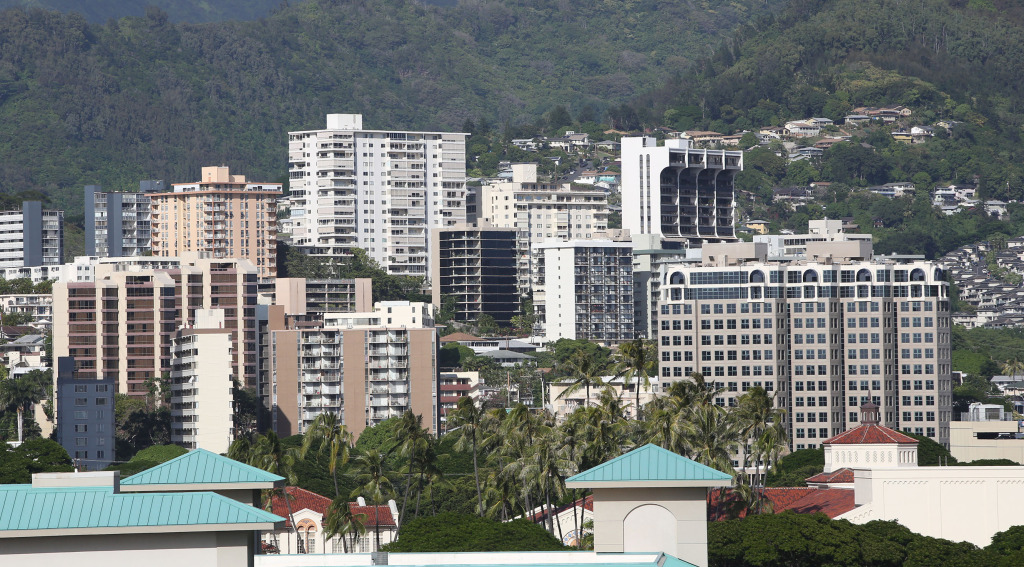
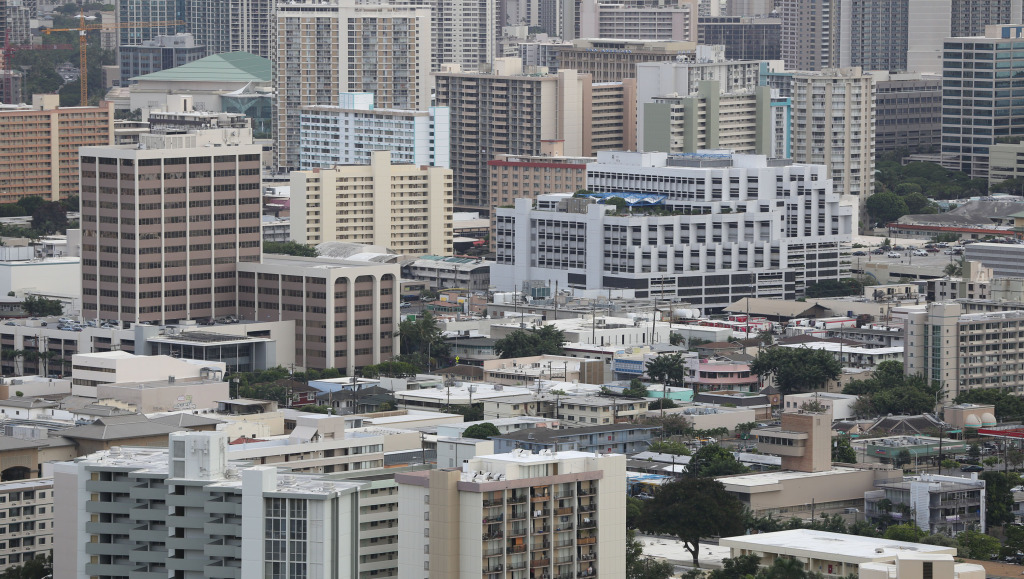
Hawaiʻi is unique in that 40% of its population lives in condominiums, many of which were built decades ago — in the 1960s, ’70s, and ’80s — and are now reaching the end of their functional life cycles. These buildings were never designed for today’s environmental conditions, the intensity of coastal exposure, or the extended lifespan demanded of them.

Ideas showcases stories, opinion and analysis about Hawaiʻi, from the state’s sharpest thinkers, to stretch our collective thinking about a problem or an issue. Email news@civilbeat.org to submit an idea or an essay.
As plumbing systems fail, concrete spalling spreads, electrical components corrode, and elevators break down, the cost of catching up on long-deferred maintenance has skyrocketed. Special assessments of $20,000, $50,000, even $100,000 or more are becoming common. For seniors on fixed incomes, these costs are not just burdensome — they are destabilizing and, in many cases, life-altering.
Thousands of kūpuna who expected to age safely in their homes now face selling their units, draining their retirement savings, or taking on debt they cannot realistically repay. Some are forced to choose between paying assessments and paying for medicine. Others move in with relatives or leave the state altogether.
These are not isolated stories; they are signs of a systemic failure that has transformed an infrastructure problem into a senior housing emergency.
No Seat At The Table
Despite these profound impacts, seniors — and condominium residents in general — have no formal seat at the table in state-level policy discussions. When shaping condominium rules, educational programs, or enforcement practices, state agencies consult management companies, Community Associations Institute representatives, attorneys, lobbyists, and developers.
The voices missing from these rooms are the residents who live in these buildings, pay the maintenance fees, shoulder the special assessments, and suffer the consequences when major systems fail. Seniors, who often have the most at stake, are among the least represented.
Civil Beat documented the human effect of this imbalance: a kūpuna forced to ration medications due to rising maintenance fees, a working mother suddenly hit with a $43,000 assessment, and families blindsided by multimillion-dollar repair projects they had no role in shaping. These stories show a troubling truth — those who are financially responsible are structurally invisible.
Even a Department of Commerce and Consumer Affairs condominium specialists acknowledge the limits of their authority: “We don’t have enforcement authority. We don’t have authority to advocate or mediate.”
That admission leaves a painful gap for seniors who cannot afford rapid fee spikes or emergency assessments. When their buildings deteriorate, they are left with no advocate, no safety net, and no realistic path to challenge decisions that may jeopardize their housing stability.
Aging Buildings, Aging Residents
Hawaiʻi’s aging condominium inventory parallels the aging of its people. Many kūpuna purchased their units decades ago, believing condos offered a safe and stable environment for aging in place. But as buildings deteriorate faster than boards and residents can respond, seniors become trapped between physical risks and financial risks.
Reserve studies, though legally required, are often ignored or underfunded. Boards may defer major repairs because they lack expertise, fear owner backlash, or simply hope to “stretch” aging infrastructure a few more years.
Without state enforcement, these decisions accumulate into the crises owners face today. And while assessments affect every owner regardless of age, seniors feel the impact most acutely because they often cannot increase their income to keep pace with rising costs.
Yet this issue does not discriminate. Young families buying condos today will inherit the same system. Today’s new homeowner is tomorrow’s senior — aging into the same structural vulnerabilities unless reforms are made now.
A Limited But Important Step
Act 43 (2024) was a meaningful acknowledgment that condominium residents need support. By permitting DCCA to hire a part-time hearings officer to assist with dispute resolution, the Legislature recognized that the current system leaves many owners without recourse. This step should be recognized and appreciated.
However, Act 43 does not address structural issues such as owner representation, reserve enforcement, board accountability, or long-term planning for aging buildings. A part-time hearings officer cannot prevent multimillion-dollar special assessments, cannot enforce reserve funding, and cannot protect seniors from displacement.
In looking nationwide, Hawaiʻi remains an outlier. Maryland, Virginia, Florida, Nevada, Colorado, and California all recognize condominium owners as formal stakeholders in their governance and oversight systems. Owners in these states participate directly in task forces, rule-making bodies, advisory committees, and educational program design. Their lived experiences shape policy.
Hawaiʻi is the only state among these peers that does not formally recognize residents — including seniors — as stakeholders in the system governing their homes.
Seniors must have a voice in the decisions that shape their housing.
Recognizing owners would not be adversarial; it would simply bring Hawaiʻi into alignment with established national models and ensure that the people most affected have a voice.
The Missing Piece: Representation
Seniors do not need more brochures, seminars, or hotlines staffed primarily by management industry professionals. They need transparency and a role in the decisions that determine whether their buildings are safe, their fees are predictable, and their long-term housing remains secure. Without resident representation, well- intended policies risk being shaped without the insight of those who live with their consequences.
Hawaiʻi faces a clear choice: continue operating with a system that excludes residents — especially seniors — or modernize its approach to recognize the reality that condominium housing is, in fact, one of the largest components of the state’s senior housing landscape.
Conclusion
To protect Hawaiʻi’s aging population and prevent displacement, seniors must have a voice in the decisions that shape their housing. They deserve fair representation, genuine transparency, and the basic security of knowing they can remain in their homes and age with dignity in the communities they love.
 Sign up for our FREE morning newsletter and face each day more informed.
Community Voices aims to encourage broad discussion on many topics of community interest. It’s kind of a cross between Letters to the Editor and op-eds. This is your space to talk about important issues or interesting people who are making a difference in our world. Column lengths should be no more than 800 words and we need a photo of the author and a bio. We welcome video commentary and other multimedia formats. Send to news@civilbeat.org. The opinions and information expressed in Community Voices are solely those of the authors and not Civil Beat.
Read this next:

Local reporting when you need it most
Support timely, accurate, independent journalism.
Honolulu Civil Beat is a nonprofit organization, and your donation helps us produce local reporting that serves all of Hawaii.
ContributeAbout the Author