Kirstin Downey: Should Oʻahu Be Broken Into 4 Cities With 4 Mayors?
A Honolulu Charter Commission proposal suggests smaller, more localized government authority would be better for the island of 1 million people.
January 9, 2026 · 8 min read

About the Author

Anyone who has ever attended a stormy neighborhood board meeting will have noted a point at which the grumbling starts about how people in urban Oʻahu pull all the strings in the state, whether in the Legislature or at Honolulu Hale.
Elsewhere in America, each state is divided into a variety of jurisdictions — towns, villages, boroughs and cities — each allowing local residents a greater say in how they are governed. According to a recent study by the Federal Reserve, there are some 90,800 local governments in America.
Illinois, for example, has 6,930, Texas has 5,533, Ohio has 3,939, Delaware has 334 and Nevada has 187.
People in those places generally like having more self-government. They want the discretion to decide how much money to spend on schools, for example, or for their parks or police, or whether to permit a controversial construction project to go forward. It makes them feel empowered rather than having distant officials make the decisions for them.
They like having their own mayors, for example, who they believe are obligated to defend their interests instead of wider regional interests.

Hawaiʻi, however, has only 21 local governments, the lowest number in America. That’s because the state is divided into only five counties, with no separate lower municipal governments. There are two islandwide counties — Hawaiʻi island and Oʻahu, operating as Honolulu. Maui includes Molokaʻi and Lānaʻi. Kauaʻi includes Niʻihau. There’s also a small county on Molokaʻi called Kalawao.
And even the 21 is a stretch. The Federal Reserve study included special land management districts, such as soil conservation, water and historic preservation entities, as adding to the state’s totals though they lack the power of actual municipal governments.
What that means is that places like Haleʻiwa or Kailua that seem like a town, and may even be known as Haleʻiwa Town or Kailua Town, are actually just neighborhood clusters operating under the rule of officials working downtown in Honolulu.
Local communities on Oʻahu are represented by individual city council members who live in their districts, but because there are nine members it is often hard for a single member to overrule actions that are more popular in other, more populated parts of the island.
This unusual centralization is a historic legacy from Hawaiʻi’s monarchy and territorial governance periods, which make it different from most communities in America.
By definition, governance by a monarch means centralized control of power. In Hawaiʻi, the Kamehameha dynasty typically appointed island governors, who were their relatives or allies, to rule the various islands on their behalf. After the overthrow of the monarchy, territorial leaders appointed by Washington, D.C., officials liked it that way too because it meant they had direct control over all the islands.
Hawaiʻi didn’t get any local elected government until Prince Jonah Kūhiō Kalanianaʻole became the U.S. congressman representing Hawaiʻi in 1903. A Senate investigation in 1902 had called Hawaiʻi’s governance so outrageously undemocratic that officials compared it to France before the French Revolution. After a long and rocky road, Kūhiō won passage of congressional legislation that permitted the creation of elected county boards that would represent voter interests.
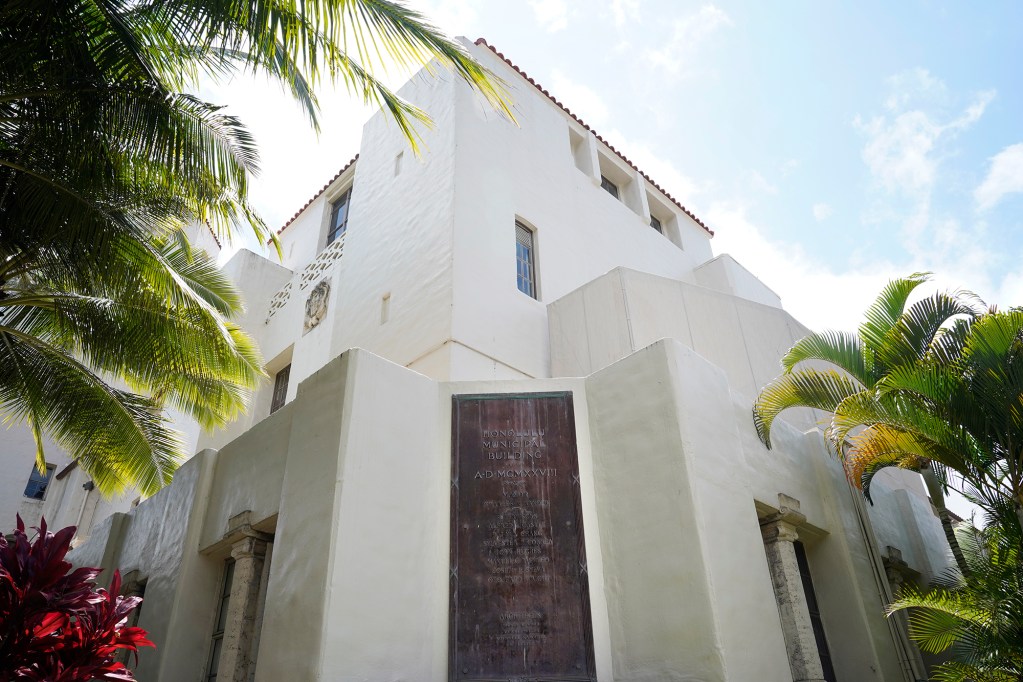
That’s how Oʻahu eventually got the Honolulu City Council. That one jurisdiction now encompasses all of Honolulu, which has about 1 million residents. That’s a large and diverse population for a single mayor and board to administer.
Over the years, some regions of Oʻahu have sought to break away from governance by Honolulu. In the 1970s, in the 1990s and in 2019, some Kailua residents proposed establishing their own municipal government. These efforts have been stymied because they would require changes in city and state law that officials downtown have proven disinclined to advance or eager to squash.
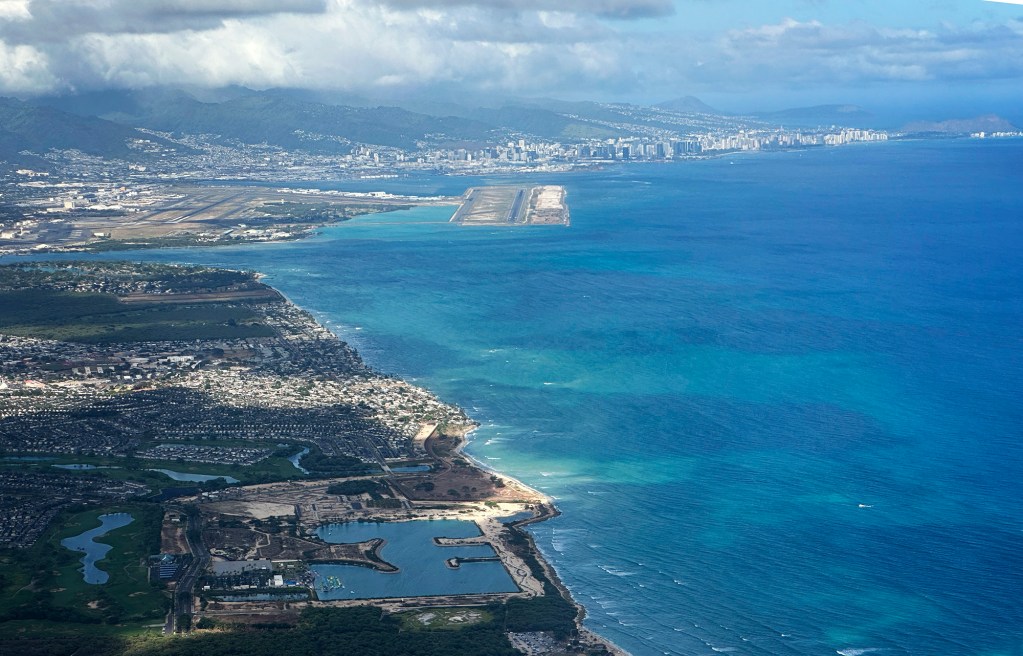
Now there is a new opening for consideration of the idea. A proposal submitted to the Honolulu Charter Commission would divide Oʻahu into four separate jurisdictions, each with its own mayor. The author of the proposal, Sarah Chinen, raised the idea that Oʻahu be reconfigured into a set of new municipal governments that would give urban Honolulu, Windward Oʻahu, West Oʻahu and Central Oʻahu each their separate self-representation.
“I have been to City Council meetings as an observer and to testify,” she told the Charter Commission in her proposal. “Many issues are specific to certain areas of Oʻahu and not beneficial” to others.
She told the commission she realized the idea would be difficult to implement — with issues such as who should handle the police, or fire protection, or property taxes and noted that exact boundaries might be hard to establish — but pointed out that many communities in California have been able to successfully manage these questions for some time.
Chinen, who said she didn’t expect the idea would win widespread support, could not be reached for comment.
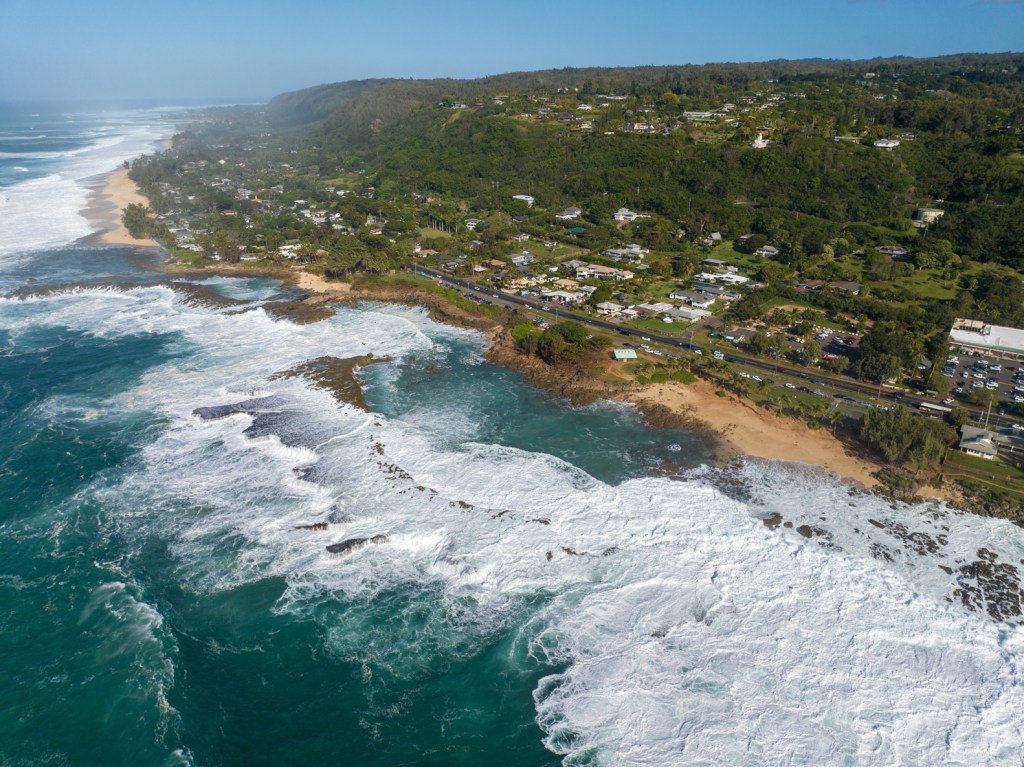
But it’s an idea worth considering.
I took the idea to a group of long-time neighborhood board chairs to get their opinions about it. After all, they are the ones presiding over the meetings where residents groan about things they fear will be imposed on them by officials downtown. Many of them are, in effect, shadow mayors of their communities, who hear their neighbors’ complaints and issues, though they lack any real power to address them because of the advisory nature of the neighborhood board structure.
But the idea didn’t get a lot of support from them. They worried that any effort to establish separate jurisdictions would only add to the expense of government with little appreciable difference in how areas are actually governed.
Roberta Mayor, who chairs the Hawaiʻi Kai Neighborhood Board, said she believed it would just add another level of bureaucracy and she said Hawaiʻi Kai is well-served by Honolulu officials.
“I feel the city administration and council members have been very responsive to our issues and concerns,” she said.
That view was shared by Mo Radke, the Kāneʻohe Neighborhood Board chair.
Kathleen Pahinui, who chairs the North Shore Neighborhood Board, said that local residents save money because of the efficiencies of scale provided by a larger government.
Larry Veray, who chairs the Pearl City board, said much the same, but noted that he believed some jurisdictions that have more poor residents, such as on the west side of the island, need more support and services while places like Hawaiʻi Kai, Diamond Head and Kailua have richer residents and need less support from city resources.
Danielle Bass, who chairs the Mililani-Waipi’o-Melemanu Neighborhood Board, worried that breaking the county into smaller jurisdictions would disadvantage poorer communities that need more resources while allowing wealthier areas to have more. She said that local residents are already hard-pressed financially and can’t absorb any more expenses.
Bill Hicks of the Kailua Neighborhood Board agreed to the concerns about duplication of services but said that on the mainland, some jurisdictions operate much more cost-effectively than others. He said that a well-administered smaller city could perhaps operate more efficiently than one that is larger but not run well.
He noted that a “smaller, more nimble” government could hire people faster than the city’s process, which many people have noted takes up to six months. He’d like to see lifeguard staffing happen faster because it has a direct effect on things in Kailua like operating hours for the public pool.
Hawaiʻi’s paucity of local government shows up as a disadvantage in times of crisis, however. Its notable how slowly Lahaina, which is governed from Wailuku, has recovered, possibly because rebuilding doesn’t have the same urgency for people who live elsewhere and prefer to spend long months in bureaucratic introspection.
This could be empowering for residents, particularly those in rural areas. Kahuku residents might have been more effective in fending off the windmills that hundreds of residents there opposed. People who lived in Waimānalo may not have been forced into street protests to defend a popular beach from a massive ballfield and parking lot being imposed on them by officials in Honolulu during the Caldwell administration.
This proposal doesn’t seem likely to make it to the ballot. But next time you see something happening in your local area that you don’t like and that you feel helpless to resist, you might want to give a thought to whether adopting a different governmental structure might have some benefits.
 Sign up for our FREE morning newsletter and face each day more informed.
Read this next:

Local reporting when you need it most
Support timely, accurate, independent journalism.
Honolulu Civil Beat is a nonprofit organization, and your donation helps us produce local reporting that serves all of Hawaii.
ContributeAbout the Author