The Cruise Industry And The Green Fee: Setting The Record Straight
Hawaiʻi’s policy decisions must be grounded in facts, not rhetoric nor emotion.
January 18, 2026 · 4 min read

About the Author

A claim that the cruise industry “does not pay its fair share” began circulating late in the last legislative session. That claim is patently false. Indeed, it misrepresents both the structure of the industry, and the substantial revenues cruise operations already generate for the state of Hawaiʻi.
For more than 25 years, cruise ships have operated lawfully and consistently between the islands, delivering visitors directly into local communities. Cruise tourism has proven to be a strong driver of repeat visitation; approximately 60% of cruise passengers later return to Hawaiʻi for land-based stays, the Cruise Lines International Association reports.
While recent commentary has questioned the industry’s value and alignment with sustainability goals, those discussions have too often overlooked basic facts, inconvenient as they may be.

Ideas showcases stories, opinion and analysis about Hawaiʻi, from the state’s sharpest thinkers, to stretch our collective thinking about a problem or an issue. Email news@civilbeat.org to submit an idea or an essay.
Cruise visitors represented only 3% of Hawaiʻi’s total visitor volume in 2024, yet their economic impact punched far above their weight exceeding $1 billion statewide, according to the Hawaiʻi Department of Business, Economic Development and Tourism. That activity supports maritime operators, local vendors, transportation providers and thousands of residents employed in cruise-dependent businesses.
Many of these jobs are well-compensated, year-round positions that allow Hawaiʻi residents to remain on island and in the state. Policy proposals now under consideration risk destabilizing these livelihoods without a clear understanding of their consequences.
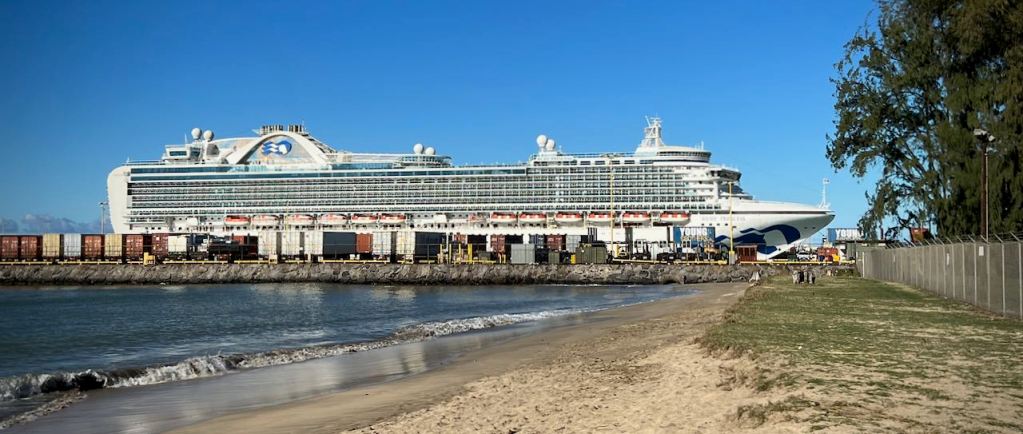
Cruise operations already generate significant direct revenue for the state, according to the Hawaiʻi Department of Transportation. Each time a vessel enters port, it pays a range of mandatory fees. On a seven-day Pride of America itinerary with five port calls operated by Norwegian Cruise Line, passengers pay $41 per person in head taxes, generating approximately $100,000 per week for the Harbors Division.
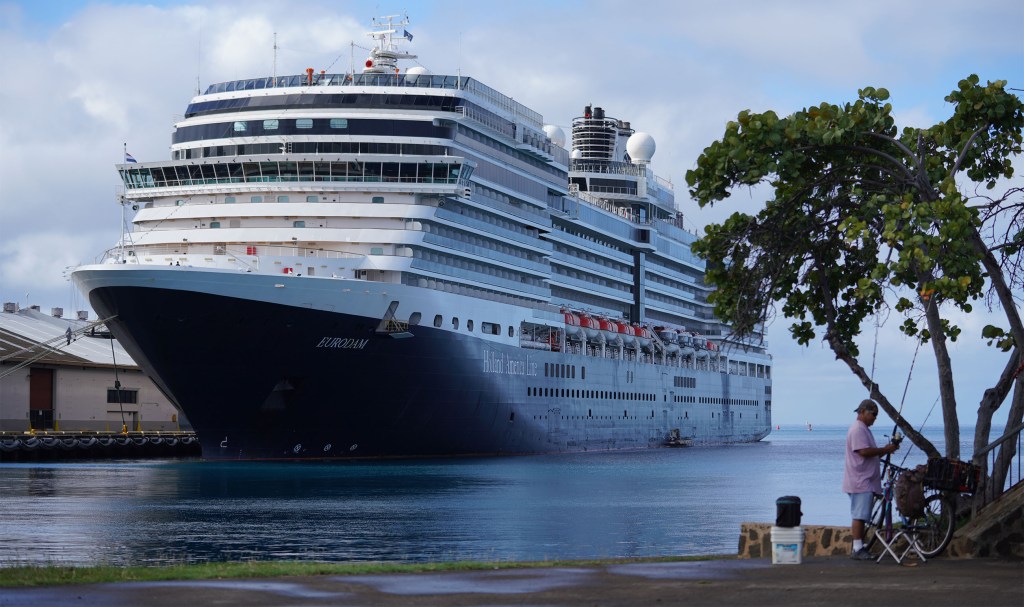
Additional charges — including berthing fees, pipeline tolls and port entry fees — bring the total to approximately $52 per passenger deposited into the State Harbors Special Fund. These funds are essential to maintaining and operating Hawaiʻi’s harbor system.
In addition, cruise operators pay for tug services, harbor pilots, longshore labor and port security. These are not optional expenses; they are required for safe and compliant operations and are built directly into the cruise fare. Passengers also pay the general excise tax on their cruise fare, bringing total state taxes and fees to more than $200 per guest for a seven-day cruise.
Applying the 14% transient accommodations tax to the full cruise fare would more than double that burden, pushing total state taxes and fees beyond $400 per passenger. This approach fails to account for the fundamental difference between a cruise fare and a hotel room rate.
A cruise fare is not a room charge. It is an all-inclusive, per-person price that bundles accommodations, meals, beverages, entertainment and the cost associated with interisland transportation.
It is not too late to correct course on the green fee.
Unlike a hotel guest, a cruise passenger can complete an entire seven-day visit without any additional spend whatsoever. Extending an accommodations tax to non-accommodation components of the cruise fare is neither fair nor equitable.
This problem stems from late-stage amendments to the “green fee” legislation enacted as Act 96. However, it is not too late to correct course.
To create a truly fair, equitable and representative tax, the state should isolate the true accommodations portion of cruise fares and recognize the substantial harbor fees already paid into state funds currently supporting maritime infrastructure and waterfront operations.
Hawaiʻi’s policy decisions must be grounded in facts, not rhetoric nor emotion. The cruise industry pays more than its share — significantly and consistently — and plays a defining role in the state’s visitor economy.
Sound governance requires clarity, proportionality, and an honest assessment of impacts on workers, businesses, and state revenues. This standard must guide the Legislature’s next steps as it considers how to best to improve the current situation such that it works for the people of Hawaiʻi, government as well as the cruise industry.
 Sign up for our FREE morning newsletter and face each day more informed.
Community Voices aims to encourage broad discussion on many topics of community interest. It’s kind of a cross between Letters to the Editor and op-eds. This is your space to talk about important issues or interesting people who are making a difference in our world. Column lengths should be no more than 800 words and we need a photo of the author and a bio. We welcome video commentary and other multimedia formats. Send to news@civilbeat.org. The opinions and information expressed in Community Voices are solely those of the authors and not Civil Beat.

Local reporting when you need it most
Support timely, accurate, independent journalism.
Honolulu Civil Beat is a nonprofit organization, and your donation helps us produce local reporting that serves all of Hawaii.
ContributeAbout the Author