Beth Fukumoto: Making Voting Harder To Address A Bogus Threat
The true aim of new laws to make voting more secure is to limit participation in democracy.
February 22, 2026 · 5 min read

About the Author

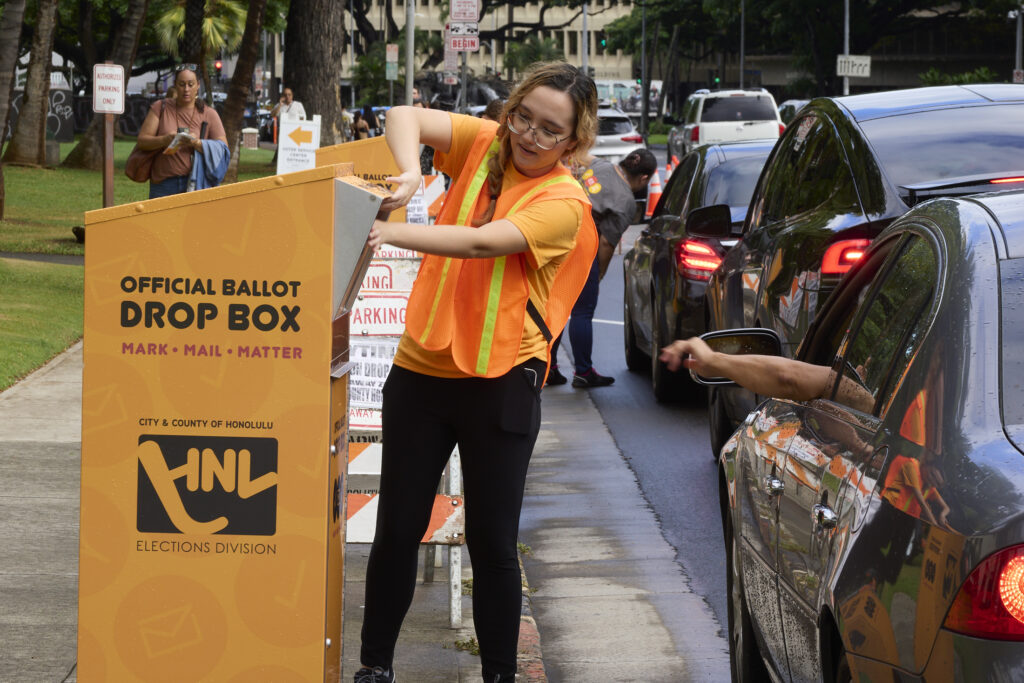
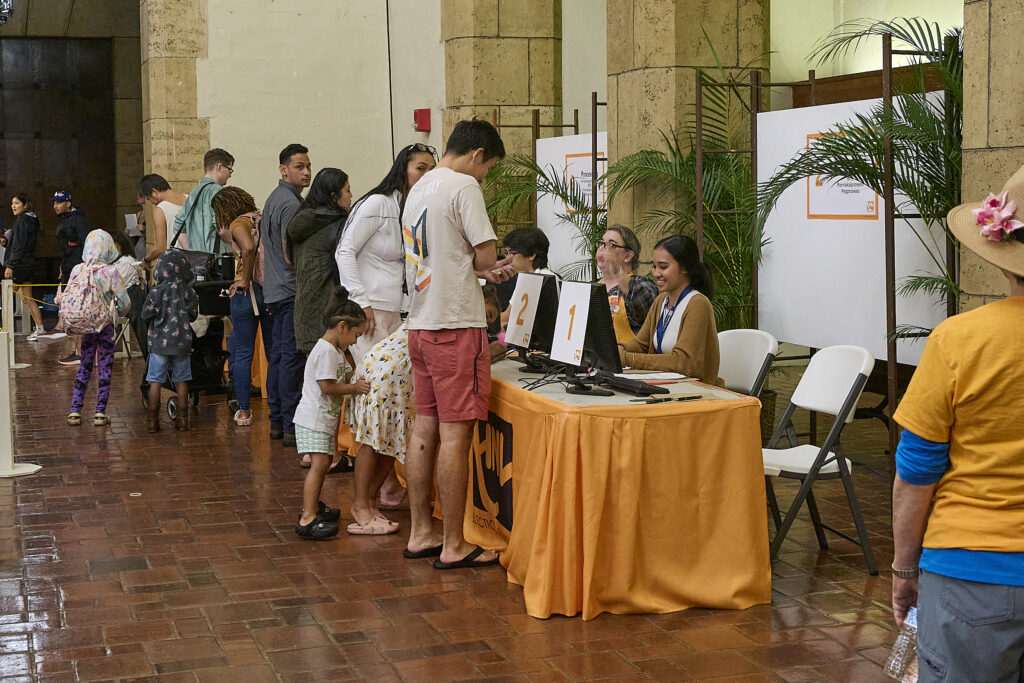
Hawaiʻi runs elections in a way that fits its geography. Voting is set up so people can do it from home, using mailed ballots and signature verification, with only a few in-person service centers.
And now, that very design choice is being targeted by an aggressive slate of national proposals that would make voting harder, more complicated and more in-person. The pitch is always the same: “election integrity.” The effect is almost always the same, too: unnecessary barriers for voters.
The most immediate vehicle is the SAVE America Act. Sitting right alongside it is a broader, more draconian House Republican omnibus package called the MEGA Act.

Ideas showcases stories, opinion and analysis about Hawaiʻi, from the state’s sharpest thinkers, to stretch our collective thinking about a problem or an issue. Email news@civilbeat.org to submit an idea or an essay.
The SAVE America Act keeps the core idea of its predecessor, the 2025 SAVE Act (requiring documentary proof of U.S. citizenship to register to vote), but goes further. It adds new requirements for photo identification to cast a ballot in federal elections and, crucially for states like Hawaiʻi, would require voters using mail ballots to include a copy of their identification with their ballot. It passed the U.S. House on Feb. 11 by a narrow 218–213 margin and now heads to the Senate for an uphill battle.
Also on deck is the Make Elections Great Again Act (MEGA Act), introduced in late January. While it isn’t moving yet, it functions as a big directional marker for the GOP’s broader election policy agenda.
If SAVE is about tightening eligibility and ID, the MEGA Act is about forcing states into a single national mold. In the House Administration Committee’s own framing, the package would ban universal vote-by-mail, prohibit counting ballots received after Election Day, outlaw ranked-choice voting and ban third-party ballot collection. Any one of these would complicate Hawaiʻi’s system. Together, they throw it into chaos.
I could talk about the legislation we’d need to pass, the IT systems we’d pay to upgrade and the staffing these changes would require, and yes, those bottlenecks matter.
But the larger point is human. Both of these measures are designed to make the voting process more difficult. While the excuse might be “integrity” and “security,” claims of widespread election fraud remain unfounded. We know our elections are already secure, even amidst all the administration’s attempts to prove otherwise. That tells us that it’s about something else. These changes would shift from accessible convenience to deliberate friction. And friction is never distributed evenly.
These bills aren’t happening in a vacuum. The president passed an executive order that would curb voting access in the first 100 days of his new term. In the last few weeks, he’s suggested nationalizing voting, and his policy advisor Stephen Miller said they would “have ICE surround the polls come November.”
And these positions reflect broader trends across the country. The National Conference of State Legislatures notes that citizenship verification has become a dominant trend in state election legislation and cites the proliferation of documentary proof requirements across multiple states in its piece, “9 Things to Know About the Proposed SAVE America Act.” National organizations promote election policy templates, and state lawmakers copy them into local bills. The American Legislative Exchange Council, for example, has pushed model legislation like the “One Citizen, One Vote Act”, which prohibits voting systems that allow voters to rank candidates.
All of this is to say that even if SAVE stalls again, it’s already played a role in keeping misinformation alive, expanding the menu of “reasonable” restrictions and shifting the public baseline.
Persistence is the strategy. And yes, that includes Hawaiʻi.
We have our own local mirror to this national agenda in House Bill 1761: Relating to Election Reform, introduced this session as part of the Hawaiʻi House Minority Caucus package. It proposes abolishing ranked-choice voting, mandating recounts by manual hand count of paper ballots, requiring signature verification in the presence of official observers and changing the chief election officer to an elected position instead of an appointed one.
The local damage isn’t theoretical, either. As Civil Beat reported in “Here’s How To Get The Hawaiʻi Elections Commission Back On Track”, the commission has become a magnet for imported conspiracy theories and performative outrage, with meetings devolving into marathon sessions consumed by threats and false claims. That is not a healthy governance environment for election administration. It is also not an accident.
To be fair, not every proposed change is inherently bad. The House minority package bill proposes at least one in-person voter service center for every county council district on Election Day, and on its own, this compromise would expand access to in-person voting while retaining the accessibility of our universal mail-in system. But it’s not just about expanding access; the bill does much more to limit voters’ choices, reinforce false election claims and make election administration more difficult.
Hawai‘i requires mail-in ballots to be verified by signature. Ballots do get bounced back when the signatures don’t match. We conduct a 10% post-election audit as mandated by law. And, there is no evidence of widespread fraud.
The system is already secure, and a strong democracy needs more of our eligible voters — not less — to take part in it.
 Sign up for our FREE morning newsletter and face each day more informed.
Read this next:

Local reporting when you need it most
Support timely, accurate, independent journalism.
Honolulu Civil Beat is a nonprofit organization, and your donation helps us produce local reporting that serves all of Hawaii.
ContributeAbout the Author