Circling The Wagons Around Sen. Michelle Kidani Is Not Serving The Public
Some of the Senate’s most powerful members are protecting their longtime friend. That’s not what the public wants or expects.
February 8, 2026 · 8 min read

About the Author

Perhaps nothing Civil Beat has written in recent memory has more clearly exposed the disconnect between elected officials and the voters they serve than the issue of whether a lawmaker suffering from dementia should step down.
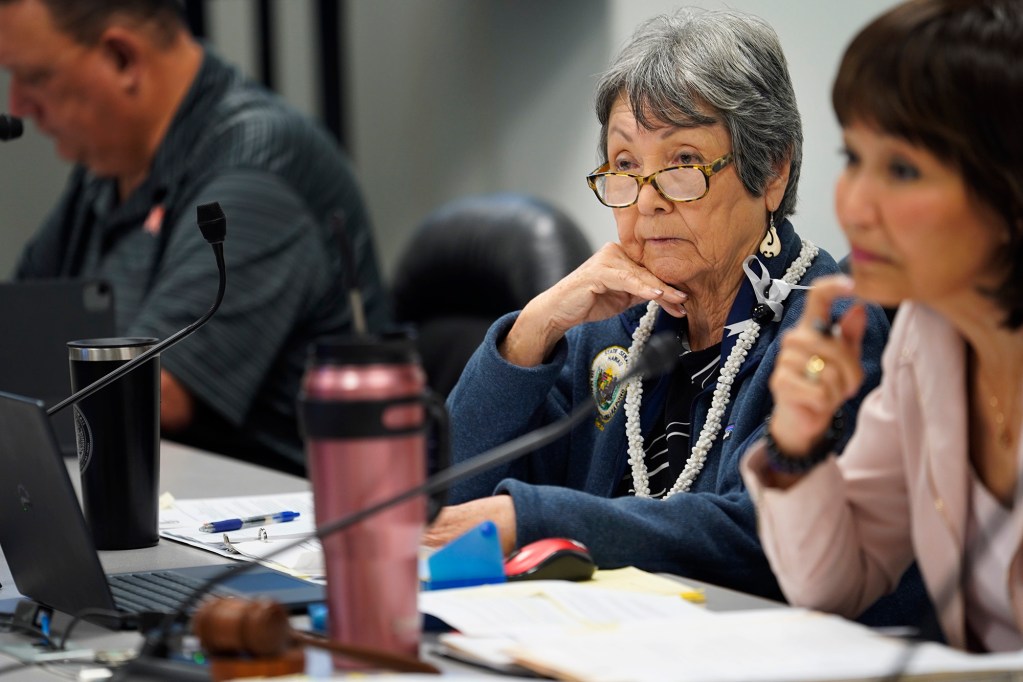
Civil Beat reported last week that 77-year-old Sen. Michelle Kidani, a longtime lawmaker from Mililani, had been getting increasingly confused and unable to fulfill some of her legislative responsibilities over the past few years. As we noted, it has been the biggest open secret at the State Capitol for at least a couple years, with her colleagues, their staff and even top state officials all whispering about it but never speaking up publicly.
Then last week, after Civil Beat let the cat out of the bag, the concern over what to do about a prominent elected official with obvious mental fitness issues had everyone talking. And not only about Michelle Kidani, but about Joe Biden and Dianne Feinstein and even Donald Trump.

The problem with elected officials who might not be able to give their all for their constituents has cropped up numerous times in recent years. The disconnect is that the public overwhelmingly thinks a public servant should gracefully step aside when decline becomes debilitating. Their colleagues want to dismiss the very real concerns as unfair attacks on a friend. And keep it all swept under the rug.
So it was perhaps no surprise that on Wednesday, a day after our story ran, 10 Hawaiʻi senators claimed points of personal privilege on the Senate floor to commend Kidani or lambaste Civil Beat (although not by name) for publishing the truth about her. She did not speak for herself but released a written statement as the floor session was beginning.
Interestingly, not one said or even suggested the story wasn’t true, just that it wasn’t right for a news organization to expose Kidani’s illness or document the mistakes they all knew she had been making. In fact, many of them testified to the seriousness of the disease, recounted their experiences with friends and family members who have suffered with it, and outlined efforts by the Legislature to support organizations and families who are coping with it.
Sen. Glenn Wakai was the first to rise. “I am a believer in her and I am a believer that dementia isn’t a death sentence for your brain,” he said in what was the first public affirmation after years of Capitol hallway chatter that Kidani was seriously ill and struggling.
Sen. Kurt Fevella choked up on the Senate floor, accusing us of being “mean and vicious people” who “want to sell papers or they want to do news. I am very offended.”
“You know, an attack on one is an attack on all,” said Sen. Lynn DeCoite. “Having to be put in a write-up such as this is just unacceptable. Michelle, you’ve been there for everybody. And when media takes something like this and decides to run with it, you know, shame on them. And I will say it, find the good things to write about people and all the good things that they have done.”
Not only do those senators and the others who spoke (watch the video and read the transcript on Digital Democracy) display a fundamental misunderstanding of the role of the press, but they are revealing a serious disconnect with what the people who elect them see as their role and responsibility.
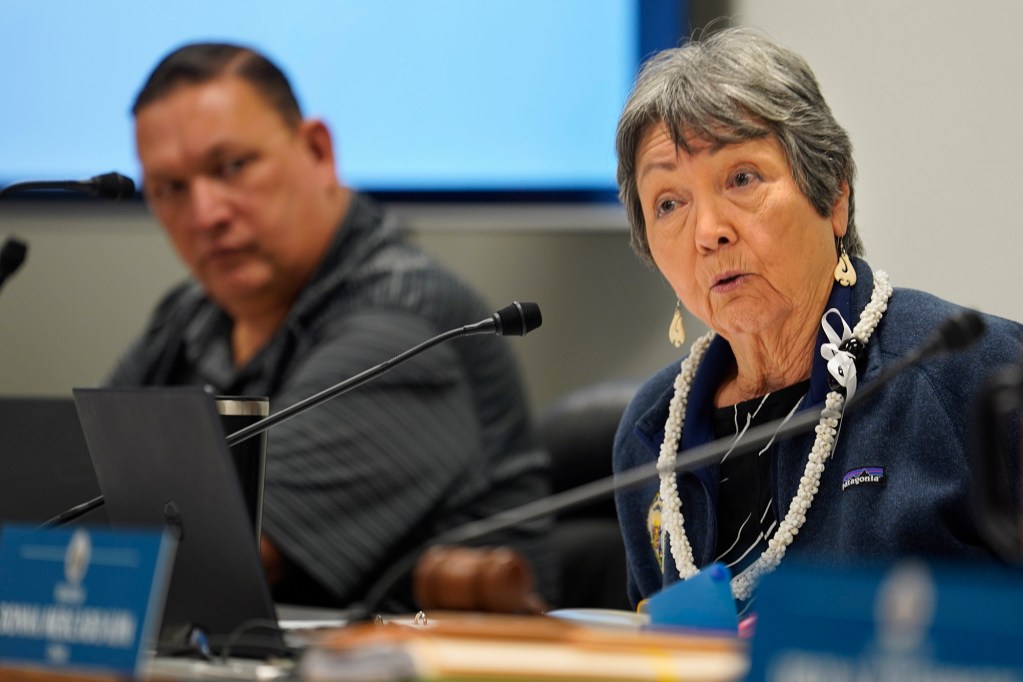
As reflected in the numerous comments on the stories we’ve run, most people understand that our responsibility is to the people of Hawaiʻi, not a lawmaker, and the Legislature is ultimately responsible to the people as well, including to make sure that one of their own colleagues is not allowed to take action on important public issues if she’s not capable of fully carrying out her duties.
“The role of the media is not to remove someone from office. But it is absolutely the media’s role to inform the electorate of relevant facts,” one commenter wrote. “The lawmaker may choose to step down voluntarily, but the public ultimately decides whether continued service is in the public’s best interest through elections, pressure, or legal mechanisms. That’s how democratic accountability works.”
Or this one: “Once a person is elected to public office they are entrusted with the responsibility to act in the best interests of their constituents and in some cases as they get appointed to leadership positions, to their colleagues, and also to the entire citizenry as a whole.
“Part of that responsibility is being completely honest and wholly transparent. Without those very important character traits, trust is eroded and often forever lost. Without trust, cynicism grows among the voters and non-voters alike.”
This person also pointed out “the irony of the Senate body expressing outrage over an article noting her cognitive decline, when her own colleagues spent the entire floor session dwelling on it in a way that takes away from her legacy.”
Michelle Kidani is not just any lawmaker. She remains the vice president of the Senate, a position that includes responsibilities rank-and-file members don’t have.
Senate rules require that the president and vice president prepare and administer a budget for the Senate and oversee permanent support staff. In the absence of the president, the vice-president “shall exercise all the duties and powers” of the president.
Those duties include resolving issues when there is a charge against a member for misconduct, disorderly behavior or neglect of duty. If the president can’t do that, the vice president can be called on to chair a special committee to investigate, hear and report on the conduct.
For the past two years, videos of hearings and floor sessions reviewed by Civil Beat show numerous instances of other senators and legislative clerks correcting and covering for Kidani’s mistakes. Of late, an aide accompanies her in the Capitol to help her get to hearings and meetings because, we were told, she is sometimes confused about where she is.
If the floor speeches last week are any indication, her colleagues don’t seem inclined to remove her from her second-in-command post. Yet Senate rules on standards of conduct state, “To the greatest extent reasonably possible, members should: (F) Consider at all times whether their conduct would create in reasonable minds the perception that their ability to carry out legislative responsibilities with integrity and independence is either questionable or impaired.”

She was removed in December from her longtime position as chair of the Senate Education Committee, which the legislative leadership has now combined with the Higher Education Committee and made Sen. Donna Kim the chair of the new committee. Kidani still has a key role, as vice chair.
On Wednesday, Kidani did not speak from the floor. But she issued a written statement addressing the Civil Beat story — her first public comment on the matter despite our efforts to give her and her staff that opportunity before publication. It, too, misstates the role of the media, suggesting we must wait for permission to write our stories.
“My health is a private matter, and speculation or reporting about it without my consent is deeply concerning,” she said in the statement. “I remain capable of representing my district and continue to carry out my duties responsibly in consultation with my physician.
“My focus remains on serving my constituents. If the time comes that I determine I can no longer fully and faithfully serve, I will make that decision to resign my seat.”
Kidani represents Senate District 18 (Mililani Town, a portion of Waipi‘o Gentry, Waikele, Village Park, Royal Kunia), home to around 58,000 people. In 2024, 13,700 of them voted to reelect her to another four-year term. In December, Kidani filed a fundraiser notice, showing that she planned to raise money for the 2028 race.
As lawmakers decide what to do next, maybe they should consider giving some thought to the residents of Mililani and the other communities Kidani represents. Circling the wagons is not helping anyone here, aside from perhaps Kidani and her understandably bruised dignity from having been publicly exposed.
But it shouldn’t have had to come to that had her fellow senators looked beyond their own tribe to have an open discussion of the situation and how best to make sure the thousands of residents who need a reliable representative have one. Not to mention the entire population of Hawaiʻi who need to be able to trust that every one of their lawmakers is capable of understanding and acting on the issues before them.
 Sign up for our FREE morning newsletter and face each day more informed.

Local reporting when you need it most
Support timely, accurate, independent journalism.
Honolulu Civil Beat is a nonprofit organization, and your donation helps us produce local reporting that serves all of Hawaii.
ContributeAbout the Author