Hot Political Topics Are Stoking Sunshine Bills This Year
Now that the bill-filing deadline has passed, here’s our handy roadmap for following hundreds of government accountability and political reform bills proposed for the 2026 session.
February 1, 2026 · 28 min read

About the Authors


At the end of last year’s legislative session, the big reform measures still on the table were cracking down on pay-to-play politics, the public financing of elections and implementing a year-round legislative session.
But that was then and this is now.
So many other seemingly more pressing events and issues have emerged in the last year to captivate lawmakers’ and the public’s attention that the idea of restricting money being given to candidates from people who stand to get big government contracts seems passé. So does arguing over whether the government should fund political campaigns as a way to encourage more people to run for office or whether lawmakers should meet for more than four months a year in order to get more done.
Instead, countering President Donald Trump’s aggressive immigration enforcement is a theme underlying a number of accountability bills. So is the outcry from election critics that has fueled chaos in Hawaiʻi’s elections oversight efforts. And lawmakers seem to be trying to find a way around another federal edict, the Citizens United ruling by the U.S. Supreme Court that allows vast amounts of money to flow to candidates.

That doesn’t mean corruption has taken a backseat. We’ve just moved on to today’s version of it — bribery. And specifically the revelation that an “influential state legislator” took $35,000 in a paper bag from someone the FBI was investigating for bribery, one of the biggest news stories in the past year.
As of Wednesday’s deadline for introducing new bills, at least nine measures had been filed that aim to address the aftermath of the mystery lawmaker scenario. Some would enhance the penalties for bribery, others extend the statute of limitations on the crime and a couple others would make it a crime for failing to report it if you think a lawmaker or elected official has taken a bribe. Others would extend the statute of limitations on campaign finance violations in case it turns out the $35k was actually a campaign contribution that just never got reported.
(Click here for a list of all 2026 House bills, and here for 2026 Senate bills. You can search by keyword.)
Additionally, lawmakers have an eye on other misconduct by elected and appointed officials, including extending the statute of limitations for crimes by a public servant and creating a new Office of Legislative Ethics and Accountability to investigate ethical violations by lawmakers and staff.
Yes, pay-to-play restrictions are back on the table including the main bill sought by the Campaign Spending Commission and an alternative version offered by House Judiciary and Hawaiian Affairs Chair David Tarnas that got lukewarm reception last year but no real discussion.
Nepotism is back too as lawmakers make another run at bringing judges and lawmakers under the state ethics code that covers all public employees.
Public financing of political campaigns is back in just a couple of bills, at least one that aims to put more money into the existing system of partial public financing and another that seeks to put in place a comprehensive candidate financing system.
There are surprisingly few bills dealing with the state public records and open meetings laws and very little aimed at beefing up Oʻahu’s neighborhood boards, as we’ve seen in previous sessions.
The idea of a year-round legislative session is being pitched as a study either by the Legislative Reference Bureau (which did one) or through a “Regular Session Review Working Group,” which appears to be the choice of House Speaker Nadine Nakamura, who last session seemed to be a champion of bringing lawmakers back to the State Capitol regularly throughout the year.
Members of both political parties are insisting that the Legislature begin requiring fiscal notes that analyze the financial impact of legislation before it can be voted on.
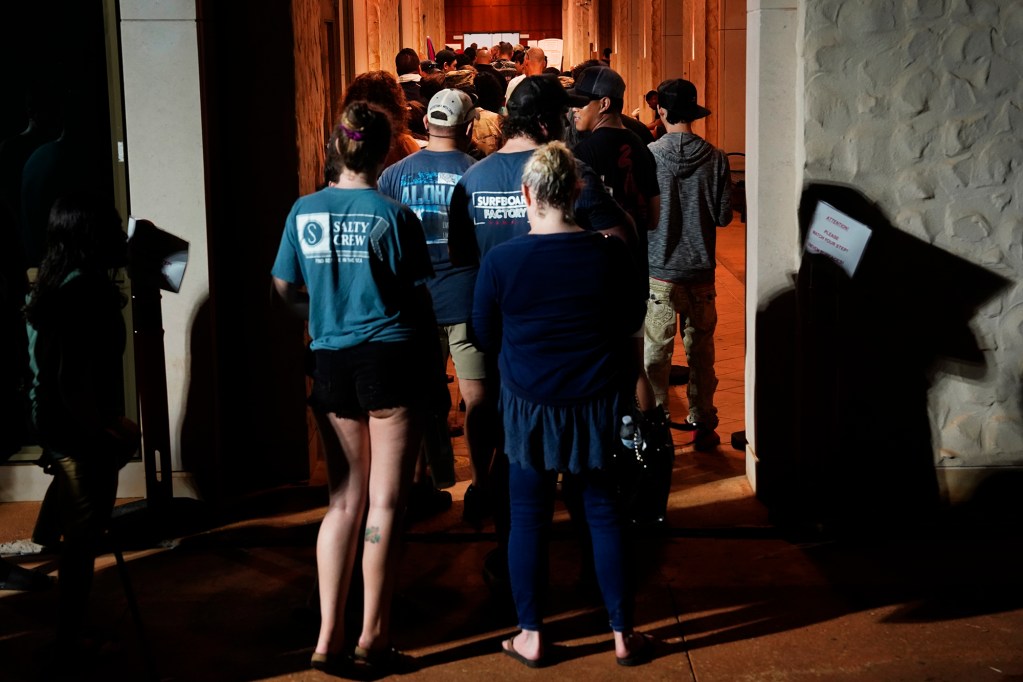
And both parties still want to see more voter centers made available throughout the state to people on election days who either can’t vote by mail or just want to vote in person. The 2024 elections saw people standing in line for hours to vote and generated numerous bills in the 2025 session, but none of them passed.
Election turmoil is also a hot topic in this year’s legislation, especially after the Hawaiʻi State Elections Commission recently voted to ask the Legislature to do away with its vote-by-mail system. That does not seem to be an Elections Commission bill this year, however.
Lawmakers did file plenty of bills to counter Elections Commission decisions, if needed, including protecting the chief election officer from being removed except for cause and requiring that the state attorney general act as chief election officer if it comes down to it.
Several bills offer intriguing ways around the Citizens United decision that allows corporations and unions to spend essentially unlimited amounts of money on elections by giving them the First Amendment right of a person. Bills proposed by both House and Senate members would restrict election participation by corporations and “artificial persons” by making abiding by those rules a condition of doing business in Hawaiʻi.
One of the biggest topics of Sunshine-related bills comes as lawmakers grapple with artificial intelligence and technological advances that are sweeping the country. More than 30 bills seek to address everything from protecting minors from problems associated with AI to prohibiting music streaming platforms from distributing AI-generated music to banning surveillance pricing in Hawaiʻi. The use of AI in many sectors — heath care, education, law enforcement, politics, among others — is the subject of numerous bills in both chambers.

Of course, Trump administration policies and cutbacks of funding to federal programs promise to be big issues that the Legislature and Gov. Josh Green will need to come to grips with this session. But federal practices are also big topics for Sunshine and government accountability legislation.
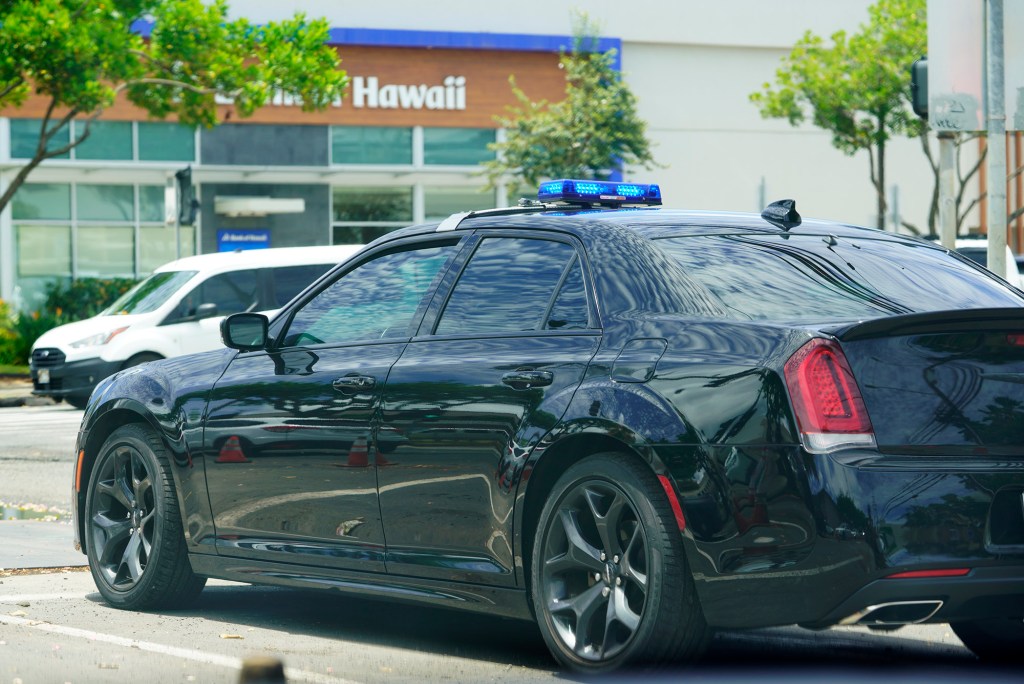
Most noticeable is the number of bills that aim to counter secret police activities or Immigration and Customs Enforcement raids carried out by anonymous agents who are hiding their identities behind masks and in unmarked uniforms and vehicles.
At least nine bills have been introduced that prohibit or discourage facial coverings on law enforcement. One makes it a crime for police to wear masks or disguises. Several other require all law enforcement operating in the state to publicly post their policies on face coverings and identification.

Explore detailed legislator profiles, voting records and what happens in hearings on Digital Democracy.
As in previous years, a few bills would reinforce the public’s right to record law enforcement. Others would prohibit the use of facial recognition and biometric surveillance technology except in certain circumstances.
Lawmakers have also introduced more than a dozen constitutional amendments that would then go to voters in November as ballot measures on a wide range of topics, from legalizing marijuana for recreational use to increasing the retirement age of judges to implementing a citizens initiative process.
Our list of Sunshine Bills totals more than 200, which is about how many we started out tracking last year. We’re doing the same thing again this year, organized here by subject matter so it’s easier to follow with the bill’s primary sponsor noted. The brief descriptions are just that — shorthand for what the bill is basically about. Please use the highlighted link to go to the bill for the details.
We plan to update this list periodically, so save this story and check back to see what progress, if any, has been made. A few have already had hearings in the past week and more are scheduled for this coming week, especially in the judiciary, government operations and public safety committees.
The Legislature’s website is the place to sign up for hearing notifications, watch hearings live and much more. And don’t forget Civil Beat’s Digital Democracy site that we started last year, which makes it easy to track issues, bills and lawmakers and will take you right to the spot you want in a legislative hearing by searching on key words.
Civil Beat’s List Of Sunshine Bills
ETHICS
Bribery
HB 1763 – Minority Caucus package: enhance penalties for bribery, official misconduct to Class A felony (House GOP members)
HB 1911 – Enhances bribery statute to include prior actions by a public official (Souza, Belatti)
HB 2082 – Honolulu Prosecutor Package: enhanced penalties for bribery (Nakamura, by request)
SB 2249 – Honolulu Prosecutor Package: enhanced penalties for bribery (Kouchi, by request)
HB 1912 – Statute of limitations for bribery begins when a crime is discovered, not when it occurred (Souza, Belatti)
HB 2124 – Makes failure to report bribery a misdemeanor (Iwamoto, Good Government Caucus)
SB 2494 – Statute of limitations for bribery expands to nine years (Keahokalole)
SB 2737 – Makes failure to report bribery a misdemeanor (Rhoads)
SB 2824 – Makes failure to report bribery a misdemeanor (Rhoads)
Other misconduct
HB 1675 – Establishes Office of Legislative Ethics and Accountability to investigate complaints of ethical violations by members of the Legislature and its staff (Garrett)
HB 2123 – Extends statute of limitations for public service misconduct (Belatti, Good Government Caucus)
SB 2830 – Misconduct by a public official is punishable up to 20 years after leaving office (Rhoads)
Ethical behavior and standards
HB 1885 – Prohibits a state agency from entering into any procurement or construction contract with any business that is owned by a relative or household member of a director or deputy director of a state department (Tarnas)
SB 2970 – Prohibits a state agency from entering into any procurement or construction contract with any business that is owned by a relative or household member of a director or deputy director of a state department (McKelvey)

HB 2106 – State Ethics Commission Package: Expands the list of members of boards and commissions and state officials who have to file financial disclosures, including more DOE officials, pension and retirement officials, green infrastructure authority, technology development corporation and school facilities board (Nakamura, by request)
SB 2246 – State Ethics Commission Package: Expands the list of members of boards and commissions and state officials who have to file financial disclosures, including more DOE officials, pension and retirement officials, green infrastructure authority, technology development corporation and school facilities board (Kouchi, by request)
HB 2107 – State Ethics Commission Package: Prohibits top state officials from hosting fundraisers (Nakamura, by request)
SB 2247 – State Ethics Commission Package: Prohibits top state officials from hosting fundraisers (Kouchi, by request)
HB 2108 – State Ethics Commission Package: Expands list of governor appointees who have to file financial disclosures (Nakamura, by request)
SB 2248 – State Ethics Commission Package: Expands list of governor appointees who have to file financial disclosures (Kouchi, by request)
HB 2109 – State Ethics Commission Package: Revolving door restrictions, prohibits new state employees from taking official action on matters they worked on before state employment, and prohibits former employees of governor and lieutenant governor from representing persons or businesses for a period of 12 months after termination from state employment (Nakamura, by request)
SB 2245 – State Ethics Commission Package: Revolving door restrictions, prohibits new state employees from taking official action on matters they worked on before state employment, and prohibits former employees of governor and lieutenant governor from representing persons or businesses for a period of 12 months after termination from state employment (Kouchi, by request)
HB 2110 – State Ethics Commission Package: Applies same ethical standards regarding nepotism to legislative and judicial employees as already in place for other state employees (Nakamura, by request)
SB 2244 – State Ethics Commission Package: Applies same ethical standards regarding nepotism to legislative and judicial employees as already in place for other state employees (Kouchi, by request)
SB 2661 – Repeals language in State Code of Ethics that exempts legislative and judiciary employees from prohibitions against nepotism (Kim)
SB 2778 – Requires top elected and appointed state officials and lawmakers and their family members to place certain financial interests in a blind trust and from acquiring certain financial interests during their terms (Keohokalole)
HB 1654 – Establishes a process to file anonymous complaints against public employees with a review by the AG (Sayama)
SB 2116 – Allows anonymously filed complaints against public employees (Elefante)
ELECTIONS
Voter centers
HB 1525 – Appropriates money for more voter service centers, a digital voter guide and an outreach campaign to encourage voting (Tarnas)
SB 2728 – Appropriates money for more voter service centers, a digital voter guide and an outreach campaign to encourage voting (Rhoads)
SB 2826 – Appropriates money for more voter service centers, a digital voter guide and an outreach campaign to encourage voting (Rhoads, Good Government Caucus)
SB 2722 – Requires voter service centers to maintain separate lines for voters with accessibility needs, voters who are newly registering or conducting a change of name or residence, and all other voters unless a line is unoccupied (Rhoads)
HB 1761 – Minority Caucus reform package: Increase voter service centers, abolish ranked choice voting, elect the chief election officer, among other things (House GOP)
SB 2821 – More voter service centers (Awa)
HB 2126 – More money for more voter centers (Souza, Good Government Caucus)
SB 2821 – More voter service centers (Senate GOP)
Voter registration
HB 2131 – Authorizes automatic voter registration for applicants for driver’s licenses and permits (Belatti)
SB 2238 – Automatic voter registration when you enroll in high school classes (Chang)
SB 2239 – Automatic voter legislation when working with some state agencies (Chang)
SB 2831 – Automatic voter registration by state agencies (Rhoads)
HB 2511 – Requires voter registration roll maintenance and election audits (Shimizu)
SB 2453 – Voter guide requirements and deadlines (Rhoads)
Elections and election practices
HB 1551 – Chief election officer can only be terminated for cause (Tarnas)
SB 2466 – Chief election officer can only be terminated for cause (Rhoads)
HB 1552 – Attorney general fills in as chief election officer if the position is vacant until commission appoints new chief (Tarnas)
SB 2143 – Attorney general fills in as chief election officer if position becomes vacant (Rhoads)
HB 2364 – Requires chief election officer to be elected by popular vote (Matsumoto)
HB 1716 – Any political party listed on the ballot for 20 years or more is deemed always qualified (Poepoe)
SB 2450 – Establishes presidential preference primary election for 2028 elections (Rhoads)
SB 2461 – Requires Office of Elections to come up with candidate Q&As pre-primary and publish the surveys, which are voluntary, 18 days before the primary (Rhoads)
SB 2480 – Establishes a top two election system where voters choose their two top choices regardless of party to advance to the general election (Gabbard)
Legislative vacancies
HB 2099 – Office of Elections Package: More time for filling legislative vacancies (Nakamura, by request)
SB 2499 – Office of Elections Package: More time for filling legislative vacancies (Kouchi, by request)
SB 2016 – Establishes that if incumbent dies or is incapacitated before primary, but after filing deadline (so June to August) and the incumbent was the only one on the ballot, the governor’s appointment of a replacement shall be valid for both the unexpired term and the succeeding term (Inouye)
Countering Citizens United
HB 2125 – Corporations can’t participate in election activity (Belatti, Good Government Caucus)
SB 2039 – Prohibits businesses from engaging in election and campaign finance activities (Keohokalole)
SB 2471 – Corporations/artificial persons can’t participate in elections (Rhoads)
SB 2825 – Corporations can’t participate in elections (Rhoads)
SB 2829 – Corporations (nonprofits, etc.) can’t contribute to or participate in elections (Rhoads)
Citizens initiative process
SB 2266 – Provides for a citizens initiative process, including referendum and recall (San Buenaventura)
SB 2767 – Citizens initiative process (Keohokalole)
CAMPAIGN FINANCE
State contractor donations / pay to play
HB 1519 – Restricting contributions from contractors and grantees, compensated officers and immediate family members to candidates in same branch of government that administers the contract (Legislature or state) (Tarnas)
HB 2052 – Campaign Spending Commission Package: Prohibits state or county contractor’s officers and any officer’s immediate family, with contracts of $100,000 or more for goods or services or $250,000 or more for construction, from contributing to candidate or noncandidate committees, candidates, or any person for any political purpose for the duration of the contract. Prohibits grantees, grantees’ officers and grantees’ officer’s immediate family, with grants of more than $100,000, from contributing to candidate or noncandidate committees, candidates, or any person for any political purpose for the duration of the grant (Nakamura, by request)
SB 2530 – Campaign Spending Commission Package: Prohibits state or county contractor’s officers and any officer’s immediate family, with contracts of $100,000 or more for goods or services or $250,000 or more for construction, from contributing to candidate or noncandidate committees, candidates, or any person for any political purpose for the duration of the contract. Prohibits grantees, grantees’ officers and grantees’ officer’s immediate family, with grants of more than $100,000, from contributing to candidate or noncandidate committees, candidates, or any person for any political purpose for the duration of the grant (Kouchi, by request)
Other campaign contributions
HB 2051 – Campaign Spending Commission Package: Excess campaign contributions go back to donor or state campaign fund (Nakamura, by request)
SB 2529 – Campaign Spending Commission Package: Excess campaign contributions go back to donor or state campaign fund (Kouchi, by request)
HB 2053 – Campaign Spending Commission Package: Prohibits state and county elected officials from soliciting or accepting campaign contributions during legislative sessions (Nakamura, by request)
SB 2531 – Campaign Spending Commission Package: Prohibits state and county elected officials from soliciting or accepting campaign contributions during legislative sessions (Kouchi, by request)

HB 1520 – Statute of limitations for campaign finance violations begins upon discovery of offense (Tarnas)
HB 2131 – Statute of limitations on campaign finance violations starts when the crime is discovered (Belatti)
SB 2447 – Statute of limitations on campaign finance violations starts when the crime is discovered (Rhoads)
HB 2430 – Exempts county elected officials and county candidates from law prohibiting contributions from lobbyists during legislative sessions (Yamashita)
SB 3214 – Exempts county elected officials and county candidates from law prohibiting contributions from lobbyists during legislative sessions (Kouchi, by request)
SB 2411 – Clarifies that the reporting date for contributions is the date a candidate receives a check from a third-party website or the date the deposit is made by the third party (San Buenaventura)
SB 2454 – Requires campaign contributions be deposited within seven days of receipt (Rhoads)
SB 2982 – Prohibits foreign corporations from making campaign contributions and election expenditures (C. Lee)
Public financing of elections
HB 2050 – Campaign Spending Commission Package: Increases the expenditure limit and the amount of partial public campaign financing (Nakamura, by request)
SB 2528 – Campaign Spending Commission Package: Increases the expenditure limit and the amount of partial public campaign financing (Kouchi, by request)
HB 2228 – Increases money for partial public financing of campaigns (Poepoe)
HB 2238 – Establishes a comprehensive public financing program for candidates, beginning in 2028 (Belatti)
SB 2313 – Establishes a comprehensive public financing program for candidates, beginning in 2028 (Rhoads)
SB 2462 – Increase voluntary tax deduction for campaign fund to $6 (Rhoads)
Campaign Spending Commission
HB 2054 – Campaign Spending Commission Package: Submit campaign finance forms electronically (Nakamura, by request)
SB 2532 – Campaign Spending Commission Package: Submit campaign finance forms electronically (Kouchi, by request)
HB 2055 – Campaign Spending Commission Package: Increases salaries for executive director and top staff (Nakamura, by request)
SB 2533 – Campaign Spending Commission Package: Increases salaries for executive director and top staff (Kouchi, by request)
SB 2794 – Requires Campaign Spending Commission to send notices of defective reports by mail and allow time for corrections (DeCoite)
PUBLIC RECORDS
HB 1521 – Records created, received, maintained or used by government contractors are subject to UIPA (Tarnas)
SB 2312 – Records created, received, maintained or used by government contractors are subject to UIPA (Rhoads)
SB 2151 – Prohibits suspension of public records law during emergencies and allows Legislature and counties to end emergencies (Rhoads)
HB 1935 – Requires that the home address of a public servant or candidate for office be removed from public records including websites, database, and printed documents (Tam)
HB 2184 – Prohibits distribution of lawmakers’ personal contact information on a voter’s affidavit of registration, nomination papers, and electronic database for campaign committee (La Chica)
SB 2914 – Prohibits distribution of lawmakers’ personal contact information on a voter’s affidavit of registration, nomination papers, and electronic database for campaign committee (Wakai)
SUNSHINE LAW
HB 1529 – Reduces the quorum requirement for boards and commissions to a majority of current voting members and reduces the number of votes needed to a majority of members voting at a meeting with quorum (Garrett)
SB 770 – Exempts Mauna Kea Stewardship and Oversight Authority from the Sunshine Law (Richards)
HB 1873 – Exempts UH Board of Regents’ strategic planning retreats from open meetings law (Garrett)
SB 2449 – Board packets must be made available three days before public meeting (Rhoads)
SB 2849 – Make agendas for public meetings more user-friendly (San Buenaventura)
SB 3329 – Written testimony submitted to state and county boards and the Legislature has to include information necessary to verify the authenticity of the testimony and communicate with the testifier (C. Lee)
SB 2397 – Changes definition of quorum for neighborhood boards to be a majority of all seats that are filled (Fukunaga)
ACCOUNTABILITY AND TRANSPARENCY
Fiscal oversight
HB 2128 – Requires legislative fiscal notes on all bills before they can be voted on (Shimizu)
HB 2183 – Requires legislative fiscal notes on all bills before they can be voted on (Reyes Oda)
HB 2364 – Requires legislative fiscal notes on all bills before they can be voted on (Matsumoto)
HB 1762 – Minority Caucus package: require cost-benefit analysis of the financial impact of administrative rules (House GOP)
SB 2822 – Require fiscal notes (Senate GOP)
SB 2828 – Require fiscal notes on all fiscal bills before voting and the notes be made public (Rhoads)
Legislative practices
HB 2180 – Study the feasibility of an electronic voting board (Reyes Oda)
SB 2343 – Requires the Legislative Reference Bureau, in collaboration with the Department of Budget and Finance, to conduct a study on the costs, savings, and potential productivity changes of transitioning to a continuous legislative calendar (Chang)
HB 2469 – Establishes a Regular Session Review Working Group to determine the essential timing and effective framework for a lengthened legislative calendar (Nakamura)
SB 3216 – Establishes a Regular Session Review Working Group to determine the essential timing and effective framework for a lengthened legislative calendar (Kouchi, by request)
Policing and public safety
HB 1886 – Provision regarding contracts between state and federal law enforcement including no face masks and ID requirements (Tarnas)
HB 2540 – Prohibits facial coverings on law enforcement (Belatti)
SB 2179 – Prohibits law enforcement from wearing masks and maintain policies on the visible identification of officers (Richards)
SB 2203 – Makes use of a mask or disguise by law enforcement a crime (Chang)
SB 2290 – Law enforcement to have public policies on use of face coverings and masks (San Buenaventura)
SB 2772 – Requires public policies for use of masks by law enforcement (Keohokalole)
SB 2774 – Requires public policies for use of masks by law enforcement (Keohokalole)
SB 3265 – Requires law enforcement to remain visibly identifiable, no masks, appropriately marked clothing and vehicles (Elefante)
SB 3322 – No masks for law enforcement and public policies about identifying themselves (Rhoads)
HB 1516 – Conditions for bail to include considering where money comes from (Social Security, social benefits) and ability to pay (Tarnas)
HB 2413 – No bail required for nonviolent offenders (Tarnas)
HB 1790 – Requires police to collect and report data on law enforcement stops, uses of force, and complaints to the Hawaiʻi Crime Lab (Tarnas)
SB 2049 – Prohibits law enforcement use of facial recognition and biometric surveillance technology in Hawaiʻi unless a crime has been committed or in emergency circumstances (Keohokalole)
HB 2025 – Prohibits digital navigation applications from providing an alert, indication, or other type of notice to users of the presence of law enforcement personnel or a law enforcement operation at any specific location (Kila)
SB 2839 – Prohibits digital navigation applications from providing an alert, indication, or other type of notice to users of the presence of law enforcement personnel or a law enforcement operation at any specific location (Fukunaga)
HB 2539 – Right to record law enforcement (Belatti)
SB 2145 – Right to record law enforcement (Rhoads)
SB 2030 – Require and fund body cams for correctional officers (Keohokalole)
HB 2077 – Pushes deadline for getting law enforcement standards in place til 2028 (Nakamura, by request)
SB 2519 – Pushes deadline for getting law enforcement standards in place til 2028 (Kouchi, by request)
Media literacy and civic education
HB 2127 – Establishes a Civic Education Grant Program to provide support to public middle and intermediate schools in providing civic education to students through department-approved programming (Perruso, Good Government Caucus)
SB 2827 – Establishes a Civic Education Grant Program to provide support to public middle and intermediate schools in providing civic education to students through department-approved programming (Rhoads)
Cellphones and social media
HB 2040 – Protect minors from addictive social media content (Shimizu)
HB 2466 – Prohibit cellphone use in schools and implement a social media and AI literacy campaign (Gedeon)

HB 2563 – Prohibit cellphones in schools beginning in 2027-28 (Woodson)
SB 2761 – Prohibits social media accounts for kids under 16 (Keokohalole)
Miscellaneous bills and issues
HB 2092 – Judiciary Package: Elevates harassment of a public servant (elected officials, judges, etc.) to a misdemeanor (Nakamura, by request)
SB 2862 – Any gubernatorial appointee making more than $160,000 a year needs to be confirmed by the Senate (San Buenaventura)
SB 2363 – Allows counties to close public lands if necessary to protect public safety or protect cultural resources (Moriwaki)
HB 2388 – Allow legal notices to be published on state and county websites (Miyake)
SB 2929 – Allow legal notices to be published on state and county websites (McKelvey)
SB 1618 – Establishes Journalism Ethics Commission, re-referred from 2025 session (Kim)
SB 2135 – Makes nonconsensual distribution of intimate images a crime (Elefante)
SB 2448 – Prohibits unauthorized use of intimate images (Rhoads)
SB 2844 – Makes nonconsensual distribution of intimate images a crime (Kidani)
SB 2219 – Establishes a Capitol Visitor Center at the State Capitol (Chang)
HB 1805 – Establishes Office of Child Advocate within the Ombudsman’s Office to oversee services to children and their families by various state agencies and to investigate complaints (Marten)
SB 2264 – Establishes Office of Child Advocate within the Ombudsman’s Office to oversee services to children and their families by various state agencies and to investigate complaints (Chang)
HB 1526 – Prohibits discrimination based on perception that a person has certain characteristics, sometimes more than one (Tarnas)
SB 2348 – Hawaiʻi Civil Rights Protection Act: Authorizes civil lawsuits and protections for interference with constitutionally protected free speech (Rhoads)
SB 2939 – PUC has to host at least two community meetings in a community where an energy project would go (McKelvey)
HB 1653 – Claims against the state. Annual AG report of claims that haven’t settled and possible dollar amount. Plus report every five years about further incidents in an agency that led to a claim (Hashem)
SB 2311 – Claims against the state. Annual AG report of claims that haven’t settled and possible dollar amount. Plus report every five years about further incidents in an agency that led to a claim (Rhoads)
HB 2250 – Vehicle for paying claims against the state (Nakamura, by request)
SB 3070 – Vehicle for paying claims against the state (Kouchi, by request)
AI AND INTERNET
HB 1676 – Establishes artificial intelligence in education task force to establish guidelines for use of AI in public education (Garrett)
HB 1753 – Requires social media platforms to provide easy way for users to permanently delete their accounts and any information (Templo)
HB 1782 – Safeguards for minors when interacting with AI (La Chica)
SB 2788 – Safeguards for minors using AI (Keohokalole)
HB 1887 – Requires DOE to establish curriculum for AI literacy in high schools (Woodson)
HB 2137 – Prohibits harmful uses of AI (M. Lee)
HB 2357 – Prohibits music streaming platforms from making available music performed or attributed to an artificial intelligence music artist (Ilagan)
SB 2036 – Prohibits surveillance pricing in Hawaiʻi as an unfair and deceptive practice (Keohokalole)
SB 2967 – Consumer protection oversight of AI (McKelvey)
HB 1787 – Establishes AI restrictions on health care decisions (La Chica)
HB 1954 – Prohibit AI use in identity theft (Nakamura)
HB 2499 – Safeguards fo AI demographic data in state docs (Hartsfield)
HB 2500 – AI disclosure in algorithms (Hartsfield)
HB 2502 – Disclosure of AI in services (Matayoshi)

HB 2537 – AI and patients’ bill of rights (Amato)
HB 2591 – Develop chatbot for state’s open data portal (Quinlan)
HB 2597 – Develop chatbot for state’s open data portal (Ichiyama)
SB 2281 – AI health care disclosure (San Buenaventura)
SB 2768 – AI and patients’ bill of rights (Keohokalole)
SB 3001 – AI services disclosure (Keohokalole)
SB 3027 – AI and patients’ bill of rights (C. Lee)
SB 2304 – AI identity theft (Kouchi, by request)
SB 1136 – Prohibits sale of geolocation and internet browser information without consent (C. Lee)
SB 2076 – Protects the right to be free from publicity from AI deepfakes (Wakai).
HB 2607 – Protects right to be free from publicity from AI deepfakes (La Chica)
HB 2137 – Prevents harmful use and mandates AI disclosure in advertising (M. Lee)
HB 2211 – Help small business with AI tools (Quinlan)
SB 2212 – AI literacy in DOE (Chang)
SB 2585 – Online clearinghouse using AI for best health practices (Gabbard)
SB 2923 – Set up DCCA regulations on AI (Gabbard)
SB 2953 – Sets up AI consumer protections for insurance (McKelvey)
CONSTITUTIONAL AMENDMENTS
Changes to the Legislature, elections and campaigns
HB 2528 – Requires ranked choice voting in all elections and eliminates primaries (Iwamoto)
SB 2040 – Restricting or prohibiting the participation of “non-natural persons” in elections (Keohokalole)
SB 2315 – Makes the standard for ratification of a constitutional amendment proposed by the Legislature to require that a majority of all the votes tallied upon the question be a “yes” vote, and not include blank, spoiled, and over votes in determining whether a majority was reached (Rhoads)
SB 2380 – Establishes a continuous Legislature beginning in 2031 (Chang)
Citizens Initiative
SB 2265 – Provides for a citizens initiative process (San Buenaventure)
SB 2766 – Citizens initiative process (Keohokalole)
HB 2620 – Citizens referendum process (Amato)
Term Limits
HB 2428 – Prohibits someone from serving in the Legislature for more than 24 years (Olds)
Judges
HB 1528 – increase mandatory retirement age for judges from 70 to 75 (Garrett)
SB 2152 – increase mandatory retirement age for judges from 70 to 75 (Rhoads)
Salaries
SB 2820 – Limits on salaries for lawmakers, judges and state officials (Awa)
Education
HB 2147 – Establish a surcharge on residential investment property to increase funding for public education (Perruso)
SB 2464 – Establish a surcharge on residential investment property to increase funding for public education (Rhoads)
HB 2234 – Reorganizes statewide school district into county-level districts that would be funded and oversee county-level programs (Iwamoto)
Health care
HB 1788 – Health care is a fundamental right (Perruso)
SB 2465 – Health care is a fundamental right (Rhoads)
Housing
HB 2476 – Allows counties to issue bonds to pay for housing infrastructure (Evslin)
SB 3219 – Allows counties to issue bonds to pay for housing infrastructure (Hashimoto)
Recreational marijuana
HB 1624 – Legalize adult use of cannabis (Tarnas)
SB 2420 – Legalize adult use of cannabis (San Buenaventura)
Environmental health
HB 1932 – Right to clean environment, clean air, clean water (Poepoe)
SB 2478 – Right to clean environment, clean air, clean water (Gabbard)
Military
HB 1916 – Prohibits live-fire training on public trust lands – (Souza)
Minimum wage
HB 2100 – Office of Hawaiian Affairs Package: prohibits live-fire training on public trust lands (Nakamura, by request)
SB 2534 – Office of Hawaiian Affairs Package: prohibits live-fire training on public trust lands (Kouchi, by request)
Wages
HB 2370 – Wage equity, everyone has the right to at least the minimum wage (Perruso)
Counties
SB 3269 – Allow counties to tax increment bonds (Wakai)
 Sign up for our FREE morning newsletter and face each day more informed.

Local reporting when you need it most
Support timely, accurate, independent journalism.
Honolulu Civil Beat is a nonprofit organization, and your donation helps us produce local reporting that serves all of Hawaii.
ContributeAbout the Authors