Make Big Oil Pay For Wrecking Hawaiʻi Home Insurance
Lawmakers in California and New York are advancing similar bills to hold polluters accountable.
March 1, 2026 · 4 min read


About the Author

Last year the Legislature passed a first of its kind resolution urging property insurers to take Big Oil to court to recover losses related to climate change, rather than raising premiums. Just from 2025 to 2026, Hawaiʻi homeowners are seeing premiums skyrocket by 50% or more.
Others have it worse: their insurance company dropped them altogether. Non-renewals by insurance companies more than tripled between 2018 and 2023.

Last month, I passed Senate Bill 3000 out of committee to empower our Hawaiʻi Attorney General Anne Lopez to pursue damages from large oil and gas corporations for their fair share of insurance costs after major weather disasters that are worsened by climate change.
This would hold Big Oil accountable for their decades of deception and the costs they’re imposing on the public, the same way Big Tobacco was held legally liable in the 1990s, and Big Pharma more recently following the opioid crisis.
Revenue recovered from successful legal action would be used to backfill financial losses of the Hawai‘i Property Insurance Association, a program that sells coverage to those unable to get home insurance policies from private-sector companies, and the Hawai‘i Hurricane Relief Fund, which now provides a financial backstop for condominium insurance in Hawai‘i as a result of the legislation I championed in 2024.
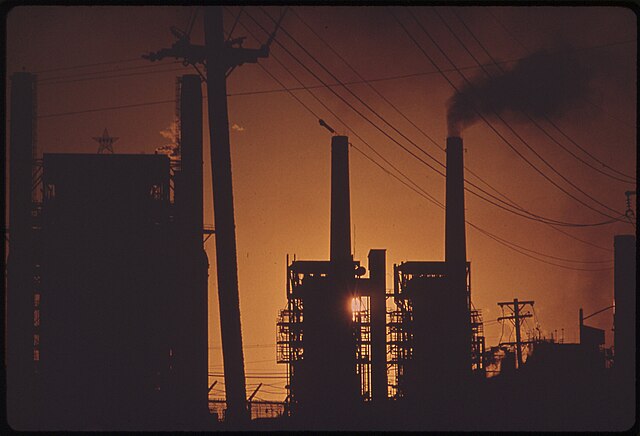
Hawaiʻi is not alone in the fight. Lawmakers in California and New York are advancing similar bills that give their attorneys general additional tools to hold polluters accountable.
Hawaiʻi’s growing insurance crisis is accelerating in the aftermath of devastating wildfires that ripped through Maui, killing more than 100 people and causing over $2 billion in insured losses.
While there were many contributors to the severity of the damage in Lahaina, the record-breaking hurricane force winds and dry conditions that lit the spark and contributed to the speed at which it spread are attributable to our dramatically changed climate.
Now, as climate-fueled extreme weather disasters become more frequent and severe, Hawaiʻi’s working families and taxpayers are absorbing these costs.
That’s not fair — and it’s not inevitable. Climate change didn’t happen by accident, and not everyone shares equal blame.
The world’s largest oil and gas companies knew as far back as the 1970s that their products would make extreme weather disasters worse — supercharging hurricanes, intensifying drought and accelerating sea level rise. Instead of changing course, they spent the ensuing decades lying to the public about the problem, sowing doubt about the science and blocking action in statehouses and federal governments to stall the transition to cleaner energy.
Hawaiʻi is seeing this injustice play out firsthand in the aftermath of the 2023 fires. Maui County faces a $7 billion bill for recovery. Hawaiian Electric Co. is pushing to increase rates to fund wildfire prevention.
To add insult to injury, insurance companies are trying to recoup billions of dollars in damages from the fires by raising property insurance premiums. These costs fall to ordinary families and worsen Hawai‘i’s affordability crisis which is more severe than any other U.S. state.
Meanwhile, the largest oil and gas corporations, who knowingly contributed to the drought conditions that made the Maui fires worse, pay nothing while continuing to rake in billions of dollars in profit every year.
Hawaiʻi taxpayers should not be forced to foot the bill for Big Oil’s deception.
Until the companies most responsible for this mess pay their fair share, Hawaiʻi families will continue to pay more for insurance, housing, and disaster recovery.
It’s time to protect ourselves — and make the polluters pay.
Editor’s note: Sen. Jarrett Keohokalole is also a candidate for Congressional District 1 in the 2026 elections.
 Sign up for our FREE morning newsletter and face each day more informed.
Community Voices aims to encourage broad discussion on many topics of community interest. It’s kind of a cross between Letters to the Editor and op-eds. This is your space to talk about important issues or interesting people who are making a difference in our world. Column lengths should be no more than 800 words and we need a photo of the author and a bio. We welcome video commentary and other multimedia formats. Send to news@civilbeat.org. The opinions and information expressed in Community Voices are solely those of the authors and not Civil Beat.
Read this next:

Local reporting when you need it most
Support timely, accurate, independent journalism.
Honolulu Civil Beat is a nonprofit organization, and your donation helps us produce local reporting that serves all of Hawaii.
ContributeAbout the Author