Neal Milner: We Live Together Because We Have To, Not Because We Want To
In Hawaiʻi it’s the economy, not the culture that forces families to jam together in small living spaces or move away altogether.
April 2, 2026 · 8 min read


About the Author
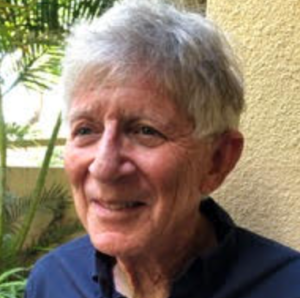
“I live with my grandchildren. You should too.”
That grandpa isn’t some retired Costco worker from Kaimukī. He’s Arthur Brooks, a famous Harvard professor who writes books about happiness, including one with Oprah Winfrey called “Build the Life You Want: The Art and Science of Getting Happier.”
Living together, he says about his family, is “noisy, crowded, occasionally chaotic, and far happier than the lonely alternative many families accept.”
Brooks’ positive view resonates in Hawaiʻi, which leads the nation in the number of multigenerational families living together and where living together under one roof is typically viewed as a strong cultural practice.

Ideas showcases stories, opinion and analysis about Hawaiʻi, from the state’s sharpest thinkers, to stretch our collective thinking about a problem or an issue. Email news@civilbeat.org to submit an idea or an essay.
Everyone benefits from multigenerational living, he says. The grandparents live longer. Children growing up in multigenerational homes do better later in life. It sounds great, and for families like Brooks’ it is.
But …
As Brooks admits, this arrangement works well only if it’s voluntary. The Brooks family lives together because they want to, not because they have to.
His family had enough money to buy a spacious house along with a house nearby in a comfortable suburban Virginia community.
What’s more, they can, and as he says probably will, break up some day maybe to take jobs elsewhere or because they want more space. A smooth, anticipated departure.
Brooks is barely 60 years old and still a moneymaker. So it’s not like old folks moving in so their children can take care of them.
So let’s see. Multigenerational living works well if the people have choice, money, space and an understanding that that they can and probably will leave. Ecstasy if they want it, exit if they need it.
It’s a safe bet that most of the close to 40,000 people in Hawaiʻi who live in a multigenerational arrangement don’t live anything like the Brooks bunch.
Hawaiʻi households are among the most crowded in the U.S. The state has a low percentage of homeowners. Renters here have much less space than homeowners.
Hawaiʻi also ranks very high in the number of people living under one roof. Overcrowding increases physical and mental health risks. There is far less chance that the younger generation will leave to seek greener pastures because Hawaiʻi rents are so impossibly high.
At the same time a significant number say they are thinking of moving to the continent.
Hawaiʻi family households more likely feature people sleeping on a couch, bunking, mom and dad rushing out in the morning to their first of two jobs, and grandma and grandpa doing most of the chauffeuring and scutwork.
And they lived this way because of their culture? Come on.
Cultural traditions about family are a big part of Hawaiʻi. ʻOhana, respect for elders, the close family living together as a powerful sources of cultural transmission in a world that makes the old ways harder and harder to keep.
In Hawaiʻi we love to explain things in terms of culture. It’s our go-to explanation, so we end up putting the multigenerational family on a pedestal because, well, it’s part of their culture. End of story.
That one-sided view of the power of culture is a cultural cushion that protects the rest of us from the hard realities of family life in Hawaiʻi.
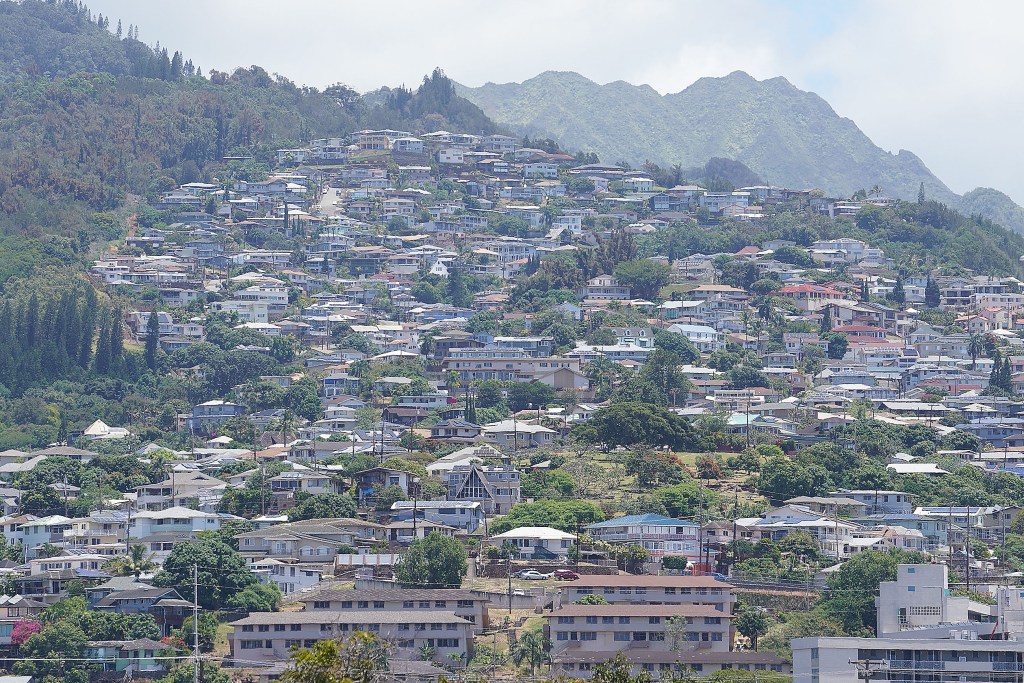
It’s a reassuring view from the distance, that distance being a couple living in a comfortable three-bedroom East Oʻahu home — where their kids grew up until they went to the continent for college and then stayed – celebrating the authenticity of a family of seven crowded into a two-bedroom rented apartment.
That culturally cushioned couple has many of the resources that the Brooks’ family does, but they choose to celebrate that Kaimukī family’s authenticity rather than its struggle.
Seven people in a tiny, rented house seen through rose-colored glasses.
But what about the money, the economics of living in Hawaiʻi? Statistics only report the percentage of these households by ethnicity, not by income, as if culture is all that matters.
Pacific Island, Hawaiian and Filipino families are much more likely to live this way. Culture plays a part in this.
On average, Hawaiians, Pacific Islanders and Filipinos also have lower incomes. So, it’s likely that more of those families fall into the have-to rather than want-to live together category.
They live together to pool their resources because with housing costs so out of reach, it’s their only way to survive. Two-bedroom apartments at market rate are out of the range of a couple with children.
Grandparents are living longer, an increasing number past 85 when medical problems tend to increase with, in Hawaiʻi’s case fewer health professionals to treat them.
Taking care of someone with dementia is excruciating and exhausting, no matter how strong your sense of family is.
Economists and housing policy experts emphasize the have-to of the economic situation rather than the want-to of culture. That’s a necessary adjustment to culture-cushioning. But it’s not one or the other.
Culture even in Hawaiʻi is not an all-purpose trump card or a standalone. Culture is one part of other forces, often as in the case of multigenerational living, economics. People make adjustments, sometimes because they want to, often because they have to.
That’s why I admire families who are willing to make the sacrifices to stay together. It’s also why at the same time I admire just as much the family members who take the risks and go out on their own.
The fact that so many families want to stay in Hawaiʻi and yet so many think of leaving shows how culture and economies mix.
The housing market makes it impossible for most multigenerational families to improve their living conditions. Most new housing projects are not specifically designed for multigenerational living.
The state as well as the county governments offer incentives for developers who want to build affordable, larger units, but that’s likely to impact a very small number of families.
More likely, a new affordable home will be a high rise that allows the three-generational family to continue to be crowded, but now in a newer surrounding.
The state is focusing on creating more opportunities for families to build their own multigenerational housing by building “ʻohana units.”
The concept is simple and culturally resonant: build a small structure attached or next to a house so that people can still live close to one another yet have more space.
Few people in Hawaiʻi have chosen this option. The Honolulu program is 10 years old. It envisioned thousands of ADUs being built, but so far there have been fewer than 1,500.
The number is likely going to increase, but a person can’t build an ʻohana unit unless she owns a home to put it on. Do the math.
That’s why I admire families who are willing to make the sacrifices to stay together. It’s also why at the same time I admire just as much the family members who take the risks and go out on their own.
Imagine a conversation between Brooks and that grandpa from Kaimukī living with his wife, kids and grandchildren.
As I said, Brooks describes his beloved living situation as “noisy, crowded, occasionally chaotic and far happier than the lonely alternative many families accept.”
The local guy would have no trouble agreeing with the noisy, crowded and chaotic part.
The happiness part? What does Brooks’ belief that people can build the life they want mean to this former Costco employee?
Considering Hawaiʻi’s mixture of love of family plus the hardships of keeping the family together, it would be an interesting conversation.
I can see the local guy inviting Brooks home for dinner and Brooks accepting for sure.
Followed by Brooks returning to his room at the Kāhala while that Honolulu grandpa tries to get a share of the remote.
 Sign up for our FREE morning newsletter and face each day more informed.

Local reporting when you need it most
Support timely, accurate, independent journalism.
Honolulu Civil Beat is a nonprofit organization, and your donation helps us produce local reporting that serves all of Hawaii.
ContributeAbout the Author