Stop Blaming Local Farmers For Rising School Meal Costs
If you don’t measure it, you can’t manage it — even in Hawaiʻi school cafeterias.
April 6, 2026 · 5 min read

About the Author

Following the devastating Kona low storms, a resilient local food system is more critical than ever. As Hawai‘i’s agricultural community recovers from crop and infrastructure losses, supporting local farmers is vital to improving food security. That’s why it’s important to challenge misleading narratives that may undermine that goal.
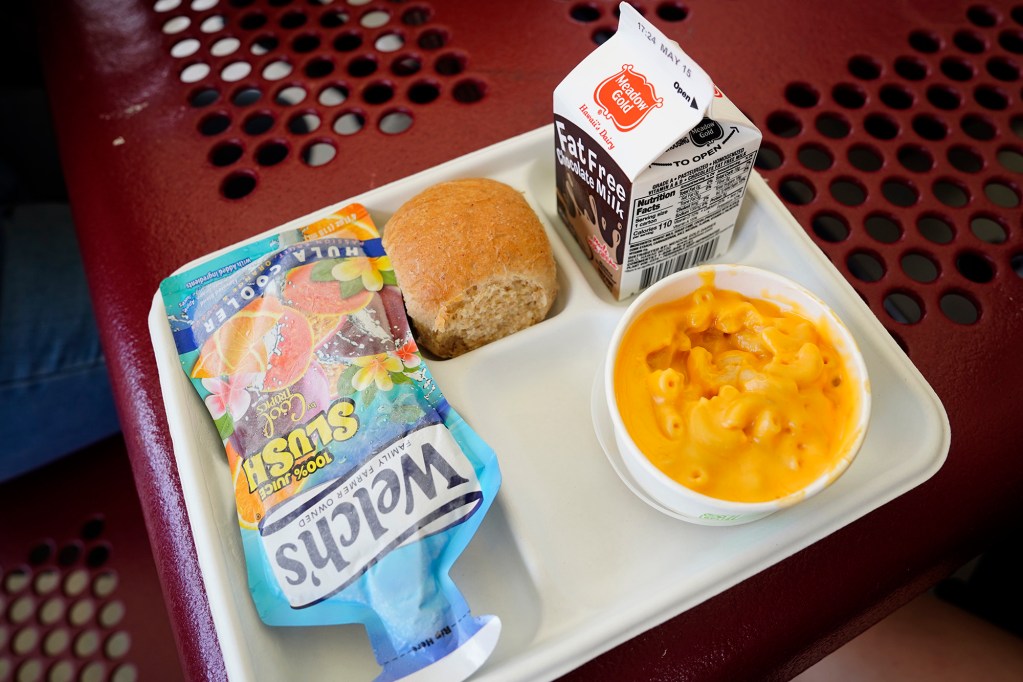
A recent state audit of the Hawaiʻi Department of Education showed significant increases in the cost of school meals. Some have suggested that rising prices for locally produced food are the reason for the high cost of school meals or that expanding procurement of local food is too expensive.
The data, however, tell a different story. Inflation is often cited as the primary driver of rising costs, including school meals. In this case, inflation alone doesn’t explain the increase.

Ideas showcases stories, opinion and analysis about Hawaiʻi, from the state’s sharpest thinkers, to stretch our collective thinking about a problem or an issue. Email news@civilbeat.org to submit an idea or an essay.
According to the U.S. Bureau of Labor Statistics, the consumer price index for food in Urban Honolulu rose 7.8% between July 2022 and July 2024. Over roughly the same period, from school year 2021-2022 to school year 2023-2024, the DOE’s food spending increased by more than $31 million (or more than 60%), while spending on local food increased by only $1.3 million.
Even though both inflation and increased purchases of local food may have contributed to higher spending, they explain only a small portion of the overall increase in the DOE’s total food costs.
What accounts for the rest? The answer lies in how, not what.
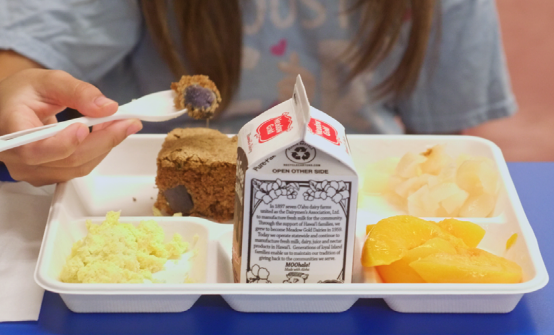
The DOE manages food service operations across more than 250 public schools, yet many purchasing and tracking decisions are made at the school level rather than coordinated systemwide.
While most would agree that government agencies shouldn’t be run like businesses (they’re not in the business of making a profit, after all), there are lessons to be taken from efficiently run enterprises. At its core, efficient resource allocation depends on developing a plan, establishing a budget, and then tracking spending against it.
There is an old saying in the business world: “If you aren’t measuring it, you aren’t managing it.” Ask any restaurant owner about the importance of maintaining a budget and tracking expenses, and the answer will likely be simple: without that basic financial oversight, the business would go bankrupt.
The DOE school meal system is effectively the largest restaurant chain in the state. From a business perspective, attempting to operate more than 200 cafeterias without budgets, cost controls, reliable financial data, or accountability from managers at all levels makes little sense.
Any discussion of stronger budgeting and expenditure tracking should also acknowledge the practical realities of implementation. Strengthening management accountability and requiring formal budgeting and cost tracking down to the school level will very likely necessitate adjustments in how cafeteria operations are managed.
That could involve investments in additional training and adjustments to responsibilities and associated compensation through collective bargaining. These are practical implementation questions that are real and will need to be worked through.
Past pilot programs suggest the results will be worth the investment.
The 2018 ʻĀina Pono Report illustrated exactly that. Conducted between August 2016 and July 2018 across several Hawaiʻi schools, the ʻĀina Pono pilot program demonstrated what happens when school food kitchens move from what one DOE cafeteria staff member described at the time as “a boat floating in the ocean without a rudder” to a system where “what gets measured gets managed.”
When basic budgeting and expenditure tracking were introduced, participating schools were able to increase local food purchasing while reducing overall food service losses. In a single semester, the Kohala cafeteria complex on Hawaiʻi island increased local food content from about 2% to roughly 24% (excluding milk), while reducing its net loss from $81,000 to $51,000. Mililani on Oʻahu experienced similar results, increasing local food content from about 3% to roughly 15% while reducing its net loss from $213,000 to $105,000.
The pilots were successful not because local food became cheaper, but because these schools established budgets and began tracking their expenses.
The takeaway from the state audit of the DOE’s Farm-to-School program is not that local food is too expensive or that expanding local procurement is unrealistic. The evidence suggests the opposite: when schools have clear budgets, track expenditures, and manage their food programs with intention, they can incorporate more local food while controlling costs. The recent audit provides a roadmap to strengthen these systems across the school meal program.
With new leadership in the DOE’s School Food Services Branch, there is a real opportunity to reset the trajectory. To be fair, this audit examined a period that largely predates the current SFSB management team.
As I noted last August, many farm-to-school advocates have already seen a shift in momentum since their arrival.
As farmers and producers rebuild, they also need clear signals about future demand. Knowing what schools can and will purchase — and in what quantities — allows producers to plan ahead for crops that take months to grow. Coordinated planning and long-term purchasing commitments can help ensure they are rebuilding toward a stable, reliable market.
Hawaiʻi now has a chance to move past the narrative that local farmers are the obstacle and instead focus on the practical steps that actually make local procurement work.
 Sign up for our FREE morning newsletter and face each day more informed.
Community Voices aims to encourage broad discussion on many topics of community interest. It’s kind of a cross between Letters to the Editor and op-eds. This is your space to talk about important issues or interesting people who are making a difference in our world. Column lengths should be no more than 800 words and we need a photo of the author and a bio. We welcome video commentary and other multimedia formats. Send to news@civilbeat.org. The opinions and information expressed in Community Voices are solely those of the authors and not Civil Beat.

Local reporting when you need it most
Support timely, accurate, independent journalism.
Honolulu Civil Beat is a nonprofit organization, and your donation helps us produce local reporting that serves all of Hawaii.
ContributeAbout the Author