This Rich Hawaiʻi Super PAC Is Already Shaping A Key Statewide Election
Pacific Resource Partnership has become a major player in the state’s most important political races.
April 26, 2026 · 12 min read

About the Author
A political action committee backed by Pacific Resource Partnership is again stepping up with loads of cash at a pivotal moment in Hawaiʻi politics. This time the independent expenditure committee — more commonly known as a super PAC — is called For A Better Tomorrow.
With impeccable political timing, the super PAC mobilized a few weeks ago to promote Kauaʻi Mayor Derek Kawakami’s campaign for lieutenant governor just as incumbent Lt. Gov. Sylvia Luke was finding herself in real political trouble. In the last week, events have unfolded quickly and Luke has ended her reelection bid and gone on an unpaid leave of absence while she is under investigation by the state Attorney General’s Office.
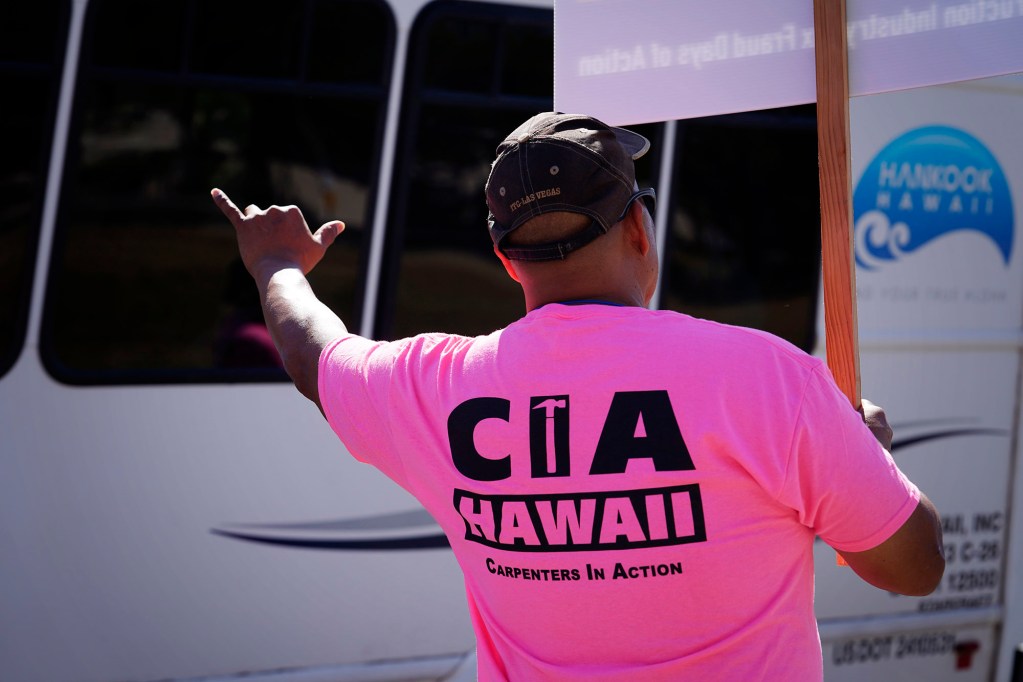
PRP, a consortium made up of the 6,000-member Hawaiʻi carpenters union and more than 250 contractors statewide who employ them, has a long history of profoundly influencing local politics through its political action committees. And this year it is perfectly positioned to do so again.

PRP “is probably the single most powerful political group in the state, at least in terms of an independent political expenditure group,” University of Hawaiʻi political scientist Colin Moore said.
Over the last half-dozen election cycles PRP has also become a much-feared political behemoth in Hawaiʻi. It is strategic in how it deploys its considerable resources, Moore said, “and in the past they have shown they play hardball, and that’s unique here.”
It was the PRP-backed super PAC Be Change Now that waded into former Gov. Ben Cayetano’s 2012 bid for Honolulu mayor with advertisements that created a cloud over Cayetano, helping sink his chances. Be Change Now invested more than $3 million in that effort — an enormous political spend by Hawaiʻi standards — helping lift Kirk Caldwell into the Honolulu mayor’s office instead of Cayetano.
In the years that followed, Be Change Now and another super PAC funded by PRP helped Gov. Josh Green win election as lieutenant governor and then governor, and gave a major boost to television executive Rick Blangiardi’s 2020 campaign for Honolulu mayor.
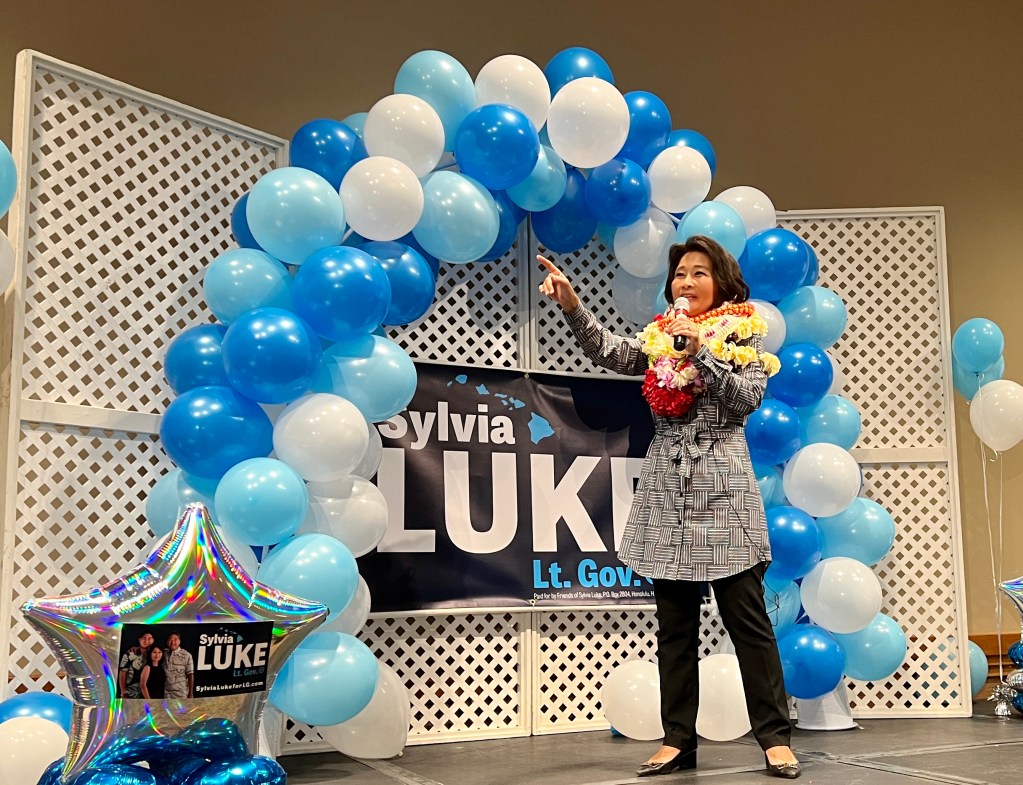
This year Luke’s plans to run for reelection catastrophically ended after she became entangled in a drawn-out investigation into an unnamed “influential state legislator” who the U.S. Attorney’s Office says accepted $35,000 in a paper bag in 2022.
Luke admits she received $10,000 in checks from a lobbyist and his stepdaughter in 2022 — which she gave back but did not report until Civil Beat asked about them — but not $35,000. She has also acknowledged errors and omissions in her campaign spending reports. The controversy escalated, and she announced on April 19 she was ending her reelection campaign.
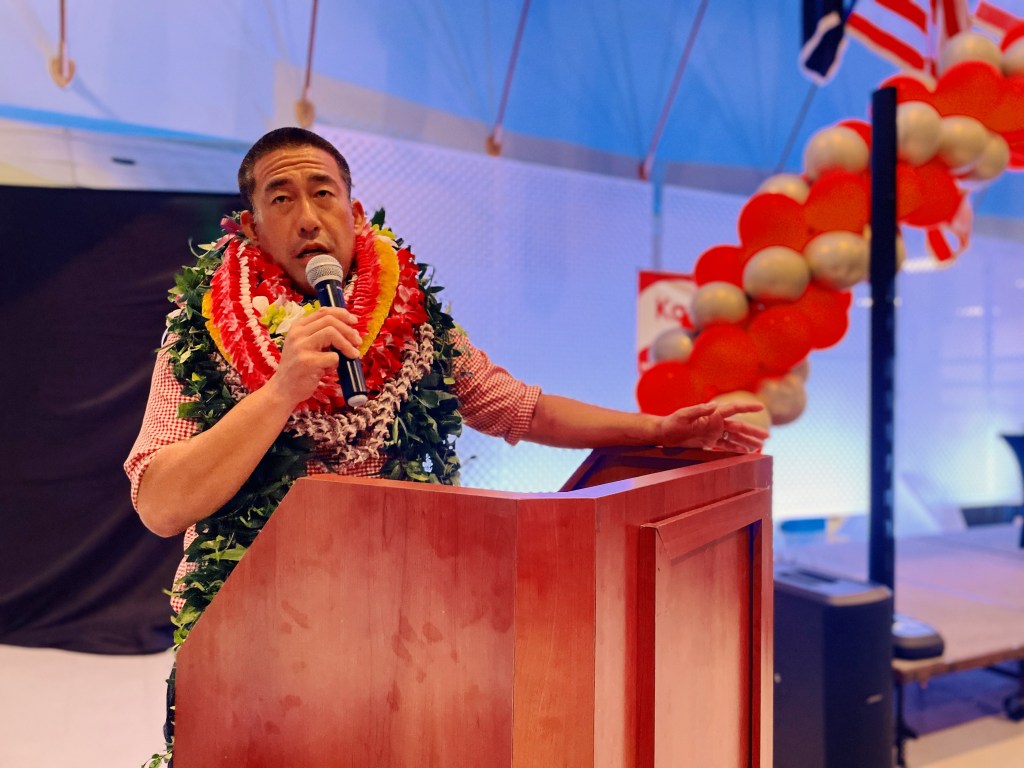
As it became obvious Luke was politically vulnerable, Kauaʻi Mayor Derek Kawakami announced he would challenge Luke in the Democratic primary. PRP’s super PAC For A Better Tomorrow promptly mobilized to support Kawakami with money from the Hawaiʻi Carpenters Market Recovery Program Fund, and Kawakami is now the best-known candidate in the race.
Andrew Pereira, director of public affairs for Pacific Resource Partnership, said his organization backs Kawakami because of his track record as mayor of Kauaʻi. “We’re supporting candidates that we believe will be beneficial to our hardworking union members, as well as our contractors who employ them.”
“It’s really based on the principles that the carpenters union follows, as well as PRP,” he said, “and that’s advocating for fair wages, living wages, for our members, as well as the ability to build the homes that Hawaii so desperately needs.”
Deploying The Big Money
By any reckoning, PRP has been a major player in Hawaiʻi politics for more than a decade.
PRP launched the pro-rail I Mua Rail initiative and the “Read Ben’s Record” campaign that clobbered the former governor with attack ads during the 2012 campaign for Honolulu mayor. Cayetano promised to end the rail project if elected and won a remarkable 45% of the vote in the primary, but lost the general election to Kirk Caldwell.
That was the only election Cayetano ever lost, and he sued PRP over the ads, alleging libel and slander. The lawsuit was later settled with a public apology and a cash payment by PRP to the University of Hawaiʻi Manoa medical school and a charity.
PRP went on to fund a political action committee it called Be Change Now that spent more than $1 million to saturate the local media ecosystem with advertising in 2018 to help elevate Josh Green to the job of lieutenant governor, and in so doing sunk the candidacy of Jill Tokuda, now a U.S. congresswoman.
Be Change Now also took an interest in urban Honolulu in 2018, spending more than $62,000 on direct-mail attack ads targeting Carol Fukunaga in a Honolulu City Council race. Fukunaga won her council race anyway, but residents of the council district still remember the attack ads, which then-Council Chairman Ernie Martin described as “smear tactics.”
In 2020, it ran a slew of television advertising supporting Rick Blangiardi in his successful bid for Honolulu mayor.
Be Change Now again flexed its political muscle in 2022 by backing Ikaika Anderson in the lieutenant governor’s race, spending more than $2 million in the Democratic primary. That included hundreds of thousands of dollars for attack ads targeting Luke, who won in spite of those efforts.
PRP later funded a new super PAC, For A Better Tomorrow, which backed candidates in the Maui County Council races in 2024. In February, For a Better Tomorrow reported it had more than $12.46 million on hand at the end of last year in advance of this year’s campaigns.
Kawakami officially announced he was running for lieutenant governor on March 17, and within a week For A Better Tomorrow was airing television advertisements supporting him.
Don’t Poke The Bear
Many current and former Hawaiʻi elected officials and candidates refuse to discuss PRP’s political action committees publicly for fear of arousing a potent enemy. They point to PRP’s record of committing millions of dollars to what can be hard-hitting negative campaign advertising and they fear it being deployed against them.
As one well-known political figure put it: “Why poke the sleeping bear?”
Now 86, Cayetano, who was governor from 1994 to 2002, is out of politics and agreed to speak candidly with Civil Beat for this story. He fought back against PRP by filing a lawsuit after the 2012 primary election because one or more of the PRP ads targeting him “basically accused me of a crime.” Cayetano had pledged to stop the city rail project if he were elected mayor, and PRP backs rail.
The ads falsely stated or implied Cayetano was a corrupt public official who knowingly received and kept illegal campaign contributions, according to the lawsuit. In fact, the state Campaign Spending Commission never concluded he had done anything wrong. His campaign accepted contributions in excess of state limits, but it was the contributors and not Cayetano who were found to be at fault.
“Basically what really pissed me off was that the commercials were really based on half truths,” Cayetano said. “That’s how they do it, you know.” He said he expected the same would be done to Luke in the campaign this year if she had stayed in the race.
“The commercials they made were designed to put a cloud over my head, so to speak,” he said, as part of a sophisticated strategy to deprive Cayetano of the haole or white vote. “That thing that hurt me in particular was this thing about just painting this cloud over my head, you know, and and creating doubt in people’s minds.”
Tokuda says the enormous resources deployed by PRP PACs when they seek to influence the races can be overwhelming, and she would know: Her 2018 campaign for lieutenant governor was swamped by spending by Be Change Now.
“It’s probably the worst kind of political bullying and intimidation you can experience,” she said in an interview, “because you can raise your money, you can pound the pavement, you can go out and talk at forums and do absolutely everything you need to do to try to win those votes.
“But when you’re staring at, you know, a significant amount of money potentially being infused into the race to be able to put out whatever narrative it is they want to put out — whatever message they want to create about you — that can be very intimidating.”
Green won that election by less than 3 percentage points. Luke, who is close to Tokuda, opined in 2018 that PRP indulged in “a personal vendetta” against Tokuda during that campaign because she clashed with the organization over a proposed bailout for the city rail project the year before.

Tokuda points out there is generally less money spent on elections in Hawaiʻi than on races in New York or California, “so when you put in half a million, or a million dollars, or $2 million, you could literally be putting in more money than all the candidates combined, and that’s what I saw in my races.”
She worries that when super PACs appear to be determining the outcomes of elections, “it can have a real chilling effect to those who stand against them,” and possibly affect who runs for office or how lawmakers vote on the floor of the Legislature.
“My big takeaway from everything that’s happened is we just cannot allow this to be viewed as a win for super PACs,” she said. Tokuda suggested publicly financed elections could help reduce the influence of “dark money” wielded by the super PACs.
“With the impact of social media on elections,” she said, “and being able to get in front of voters consistently and frequently, the kind of money super PACs can put into elections literally equates to buying the election and buying those people’s votes.”
‘They’d Be Doing The Same Thing’
Mark Anthony Clemente, political director for the Hawaiʻi Regional Council of Carpenters, says describing the union and the PAC as bullies is unfair because “everything we do is to support our members and their families to ensure that the working class is thriving and not just surviving in our state.”
“I think if any other entity out there had the capability, they’d be doing the same thing,” he said.
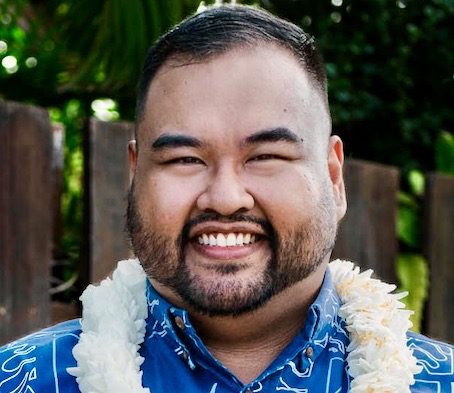
Clemente said he does not see the union as the dominant force in Hawaiʻi politics, and said the union does not decide how the independent expenditure political action committee spends its money. He also doesn’t understand why people worry about “dark money” in the case of For A Better Tomorrow because it is clear who is contributing.
He said the money comes mostly from PRP, with some additional funding directly from the carpenters union. “I think it’s a term that folks like to throw around to kind of paint us as some shady organization, but everything we’ve done is according to the law,” he said.
“When you’re a candidate and you’re running for office, I think you pray for an easy race, right?” Clemente said.
Opposition from a large organization can be intimidating, he said, and “you want to develop the narrative that you think is most advantageous to you as a candidate, because otherwise, dollar for dollar, it’s difficult to battle a PAC.”
Sean Newcamp, chair of For A Better Tomorrow PAC, declined a request for an interview, but said in a written statement the PAC “supports Mayor Derek Kawakami because he has demonstrated the kind of leadership and character Hawaiʻi needs right now: practical, steady, community-focused, and willing to take on difficult issues with new and bold ideas.”
“His record and character reflect the kind of results-oriented leadership Hawaiʻi needs to bring down costs and keep local people from being priced out,” the statement said.
Assuming Kawakami wins the election this year — and polls suggest he is the top contender — he will be well positioned to run for governor in four more years. It seems quite likely that Green will be easily reelected this year and would complete his second and final term in 2030.
Under that scenario PRP would once again have a governor who benefited greatly from from PRP’s support, and is likely to be politically friendly.
PRP’s Pereira declined to speculate on whether that might happen. “We wouldn’t pretend to speak on behalf of Mayor Kawakami,” he said. “However, we do believe that he has a bright future in politics, after serving for so long on on Kauaʻi, and we wish him well in all his future endeavors.
He added: “He’s somebody that that we put our trust behind and and we see him working hard to to benefit not only our hard working union members, but as well as our contractors that that give them their jobs.”
 Sign up for our FREE morning newsletter and face each day more informed.

Local reporting when you need it most
Support timely, accurate, independent journalism.
Honolulu Civil Beat is a nonprofit organization, and your donation helps us produce local reporting that serves all of Hawaii.
ContributeAbout the Author