Why Hawaiʻi Needs An Outpatient Diagnostic Access Act
Healthcare practitioners licensed in Hawaiʻi would be able to order outpatient diagnostic studies, lab testing and image-guided biopsies at licensed hospitals.
June 30, 2026 · 5 min read

About the Author

I find myself in a position I never expected.
I am still seeing patients. I am still performing surgery. I am still actively practicing medicine on Maui.
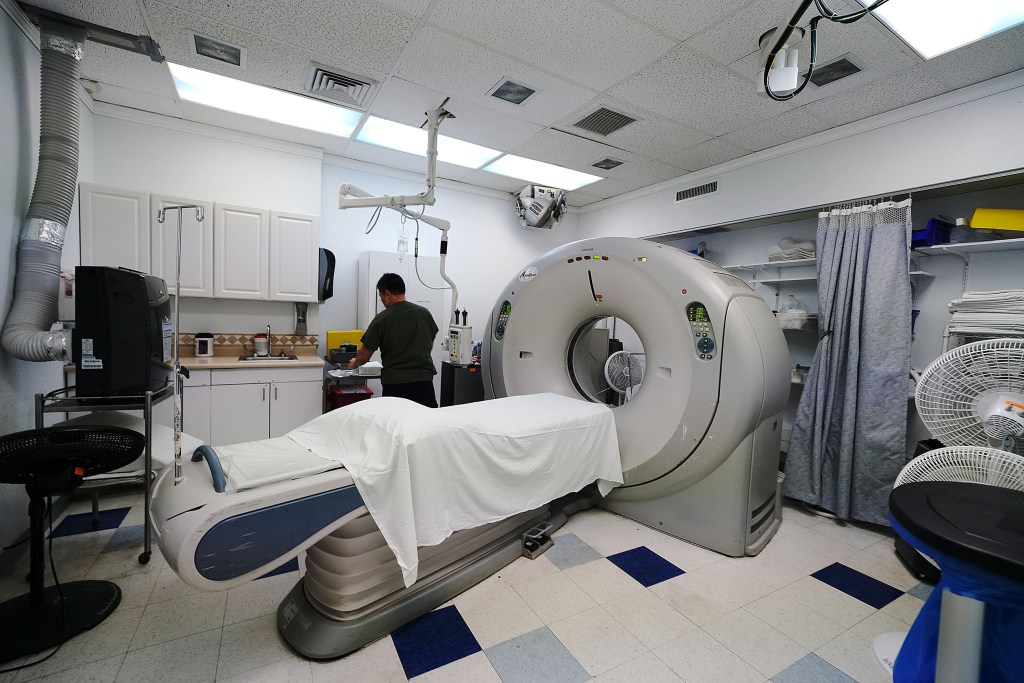
Yet I can no longer directly order certain outpatient diagnostic studies and biopsies for my own patients through the local hospital system.
How did that happen?

Ideas showcases stories, opinion and analysis about Hawaiʻi, from the state’s sharpest thinkers, to stretch our collective thinking about a problem or an issue. Email news@civilbeat.org to submit an idea or an essay.
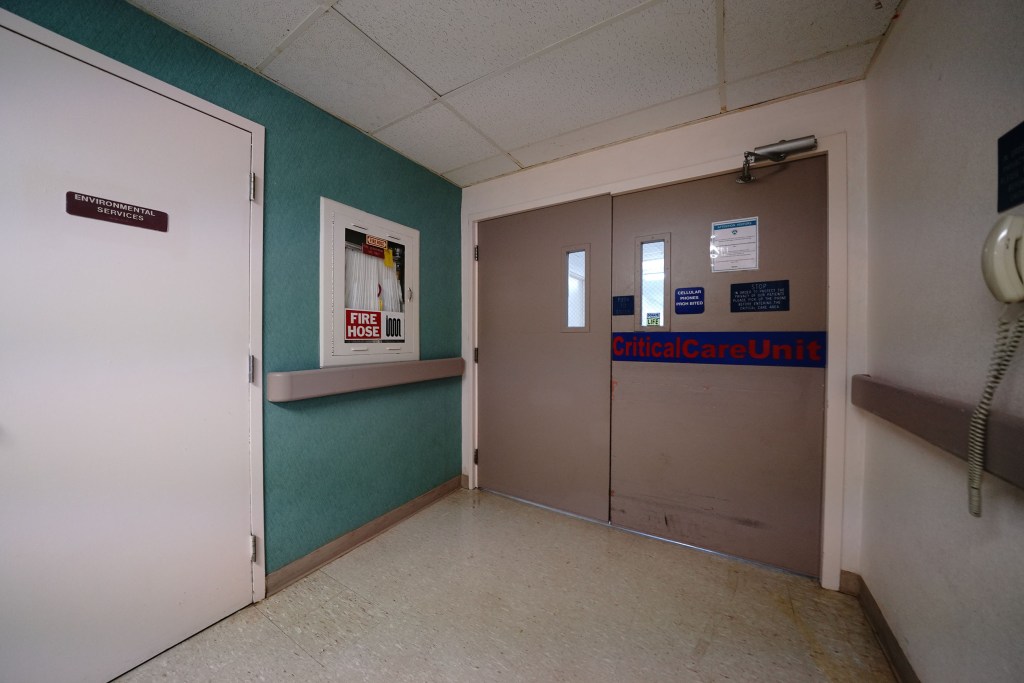
Beginning around October 2025, I developed increasingly severe asthma symptoms that were consistently triggered by the hospital environment. During hospital work, I required multiple inhalers, repeated courses of oral steroids, and ongoing medical treatment. Outside the hospital environment — in my office and ambulatory surgery center — I remained able to safely practice medicine and perform surgery.
Eventually, the steroid treatment contributed to a gastrointestinal bleed. I requested and received an approved medical leave from hospital duties while continuing my outpatient surgical practice.
I never stopped caring for patients.
I never stopped operating.
I never stopped practicing medicine.
What changed was my ability to directly obtain certain hospital-based outpatient diagnostic services for the people under my care.
No one informed me before my leave was approved that this would occur. As I worked through the issue, I discovered something even more concerning: my situation was not unique.
Many Hawaiʻi residents assume that when they visit a licensed physician, surgeon, midwife, or other healthcare professional, that practitioner can order the tests necessary to diagnose and treat them.
That is not always the case.
Across Hawaiʻi, there are healthcare professionals who hold active state licenses, practice within their legal scope, and care for patients every day, yet face barriers when attempting to order certain outpatient hospital-based diagnostic services.
Most patients never know these barriers exist until they are affected by them.
Limited Neighbor Island Options
The problem is particularly significant on the neighbor islands.
On Oʻahu, patients often have multiple hospitals and imaging centers available. On Maui, Molokaʻi, and Lānaʻi, options can be much more limited. When access to outpatient diagnostic services becomes concentrated within a single health system, administrative barriers can have real consequences for patients.
A patient waiting for a biopsy to determine whether a mass is cancerous should not face delays because of a physician’s employment status, hospital affiliation, or staff designation.
A patient who needs an MRI should not have access complicated by internal administrative classifications that have little to do with whether the study is medically appropriate.
The question should be simple: Is the ordering practitioner licensed by the State of Hawaiʻi and acting within their scope of practice?
If the answer is yes, patients should be able to access the diagnostic care they need.
That is why I am proposing the Outpatient Diagnostic Access Act for consideration during the next legislative session.
The bill would establish a straightforward statewide standard: any healthcare practitioner licensed in Hawaiʻi and acting within the scope of their professional license may order outpatient diagnostic studies, laboratory testing, and image-guided biopsies at licensed hospitals.
The proposal would not grant hospital admitting privileges.
It would not allow practitioners to perform procedures for which they are not credentialed.
It would not eliminate quality standards or patient safety requirements.
Hospitals would retain authority over inpatient care, surgical privileges, credentialing, and quality oversight.
The bill simply recognizes that ordering outpatient diagnostic testing is a fundamental part of patient care.
This should not be a controversial concept.
We already trust licensed healthcare professionals to diagnose illness, prescribe medications, perform procedures, and manage complex medical conditions. It makes little sense to tell patients that the same practitioner can diagnose a possible cancer, but cannot directly order the biopsy needed to confirm it.
At a time when Hawaiʻi faces persistent physician shortages and ongoing healthcare access challenges, we should be removing unnecessary barriers to care, not creating new ones.
My experience brought this issue to my attention. But this legislation is not about me.
It is about the patient waiting anxiously for answers.
It is about the family hoping for a diagnosis before a condition worsens.
It is about ensuring that people living on neighbor islands have timely access to care regardless of where their healthcare professional works or how a hospital classifies them administratively.
Healthcare systems, physicians, regulators, and legislators may disagree on the details of implementation. Those conversations are important.
But the principle should be clear: Patients deserve timely access to diagnostic care, and licensed healthcare professionals acting within their scope of practice should be able to help them obtain it.
The Outpatient Diagnostic Access Act would move Hawaiʻi one step closer to that goal.
Together, we can build a healthcare system that puts patient access first.
Please help us advance the Outpatient Diagnostic Access Act in Hawaiʻi.
We have approximately six months before the start of the next legislative session to educate the public, gather patient and provider stories, build community support, and work with lawmakers to draft and introduce this bill.
The goal is simple: ensure that licensed healthcare practitioners acting within their scope of practice can order outpatient diagnostic studies and biopsies for their patients, improving access to timely care throughout Hawaiʻi, especially on the neighbor islands.
This effort will require physicians, nurses, midwives, healthcare professionals, patients, community advocates, attorneys, policy experts, and concerned citizens working together.
If you believe patients should have timely access to diagnostic testing regardless of administrative barriers, please reach out. We are looking for volunteers, supporters, patient advocates, legislative contacts, and anyone willing to help move this proposal from an idea into law.
Together, we can build a healthcare system that puts patient access first.
 Sign up for our FREE morning newsletter and face each day more informed.
Community Voices aims to encourage broad discussion on many topics of community interest. It’s kind of a cross between Letters to the Editor and op-eds. This is your space to talk about important issues or interesting people who are making a difference in our world. Column lengths should be no more than 800 words and we need a photo of the author and a bio. We welcome video commentary and other multimedia formats. Send to news@civilbeat.org. The opinions and information expressed in Community Voices are solely those of the authors and not Civil Beat.

Local reporting when you need it most
Support timely, accurate, independent journalism.
Honolulu Civil Beat is a nonprofit organization, and your donation helps us produce local reporting that serves all of Hawaii.
ContributeAbout the Author