Time To End Hawaiʻi’s ‘Shotgun Marriages’ For Governor And Lt. Governor
For the good of our governance, this is a system we need to leave in the past.
July 24, 2026 · 4 min read


About the Author
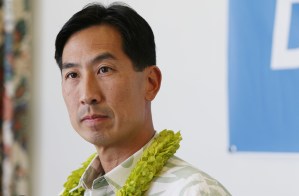
The recent chaos over Hawaiʻi’s lieutenant governor office demands attention and reform.
Every election cycle, Hawaiʻi voters participate in a fundamentally flawed political experiment. In our primary elections, candidates for governor and lieutenant governor run in entirely separate races.
Then, the winners are bolted together like Frankenstein onto an awkward single ticket for the general election, regardless of their political alignment, policy priorities or personal working relationships.

Over the past 16 years Hawaiʻi has had only three governors, but seven different lieutenant governors including the current acting lieutenant governor, all often strangely selected and ill-fitted with the state’s chief executive.
It is the political equivalent of a shotgun marriage. For the good of Hawaiʻi’s governance, this is a system we need to leave in the past.
Hawaiʻi should join the 18 other U.S. states that modernized their elections by allowing gubernatorial candidates to select their own lieutenant governor running mates, much like presidential candidates select their vice presidents.
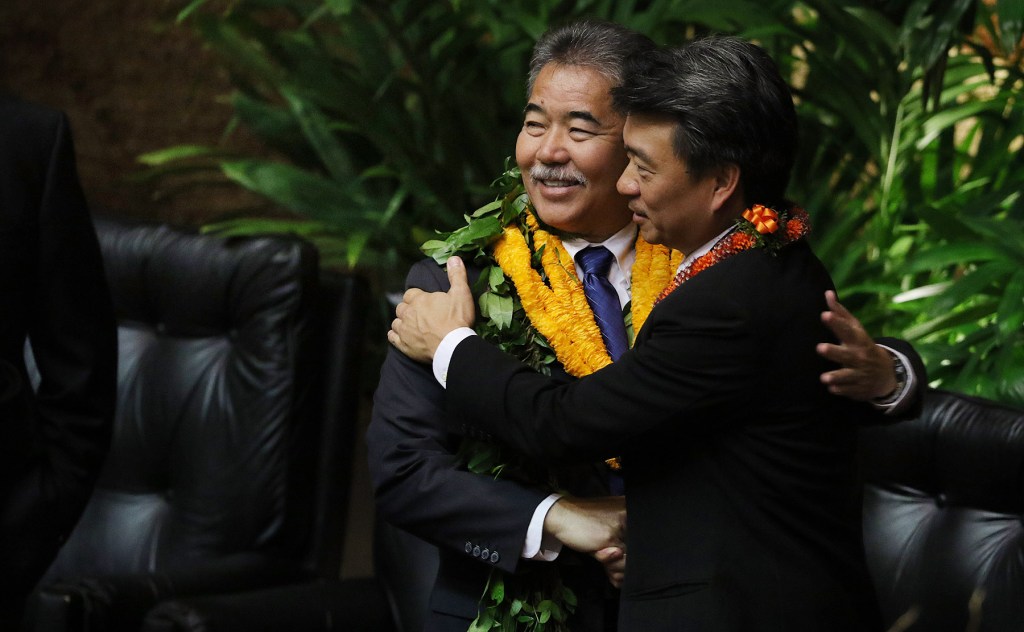
This is not a concept that is inherently liberal or conservative. Both staunchly Republican states such as Utah and Kentucky as well as solidly Democrat states such as Maryland and New Jersey have all already adopted this system.
This is a concept that makes simple common sense. Both Arizona and New York recently decided to switch to this system, allowing for the gubernatorial nominee to select his/her lieutenant governor running mate, starting with this year’s election.
Under our current system, the primary election often forces former rivals to suddenly campaign as awkward collaborative partners. While this can occasionally result in a balanced ticket, it more frequently breeds internal friction, mistrust and dysfunction at the highest levels of our state government.
When a governor and lieutenant governor do not share a unified vision, the results are predictable: The lieutenant governor is marginalized, assigned to superficial task forces, or effectively frozen out of the executive decision-making process.
This is a disservice to the taxpayers who fund the office and to the voters who expect the executive branch to function cohesively. The lieutenant governor is a heartbeat away from the state’s top job; they should be an active, trusted partner in governing, not a political rival or political baggage.
Allowing gubernatorial candidates to select their running mates solves this structural flaw.
A governor who chooses their partner is making a public declaration about their administration’s values and priorities. If elected, they enter office on day one with a trusted deputy ready to tackle complex issues like affordable housing, the cost of living and infrastructure, rather than spending months trying to establish a working relationship with a former competitor.
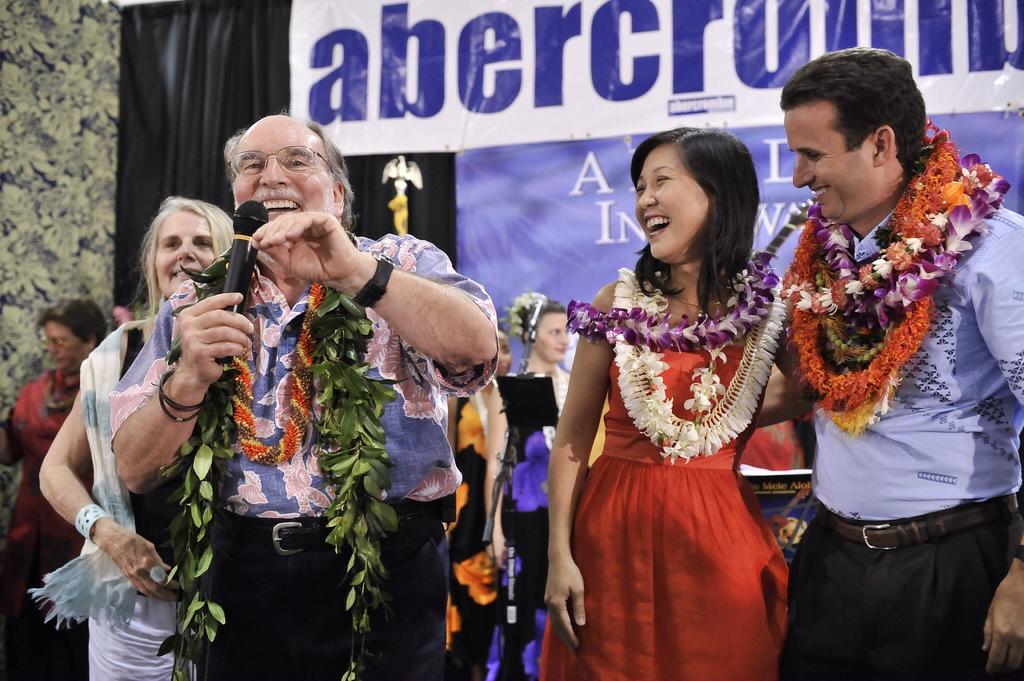
Next, it brings true accountability. When a governor nominee selects his/her running mate, they own the choice. Voters can judge the gubernatorial candidate not just on their own platform, but on their judgment in selecting a competent successor and partner.
Currently, a governor can easily blame a lack of progress on a lieutenant governor they didn’t choose, or sideline them entirely without facing voter backlash. This is exactly the problem Hawaiʻi has right now between Gov. Josh Green and his Lt. Gov. Sylvia Luke with Luke’s campaign finance troubles.
Finally, a joint ticket chosen by the nominee reduces the sheer volume of political noise and campaign spending during the primary season. Instead of millions of dollars being poured into a secondary race that often devolves into name recognition and personality contests, candidates and voters can focus squarely on the top of the ticket and the overarching vision for Hawaiʻi’s future.
Changing this system would require amending the Hawaiʻi State Constitution, a process that necessitates legislative action and ultimate approval by the voters. It is a heavy lift, but a necessary one that should start the next legislative session.
The current stress on the governor and lieutenant governor offices shows Hawaiʻi needs a governor and lieutenant governor who are genuinely rowing in the same direction from the campaign to the day they take the oath of office. It’s time for the state Legislature to put a constitutional amendment on the ballot and let the voters decide to end these forced political marriages once and for all.
 Sign up for our FREE morning newsletter and face each day more informed.
Read this next:

Local reporting when you need it most
Support timely, accurate, independent journalism.
Honolulu Civil Beat is a nonprofit organization, and your donation helps us produce local reporting that serves all of Hawaii.
ContributeAbout the Author