Neal Milner: There's So Much We Don't Know About Hawaiʻi Politics
The only truly documented thing we know for sure is that most people vote Democratic if they vote at all. Not much news there.
August 2, 2026 · 6 min read

About the Author

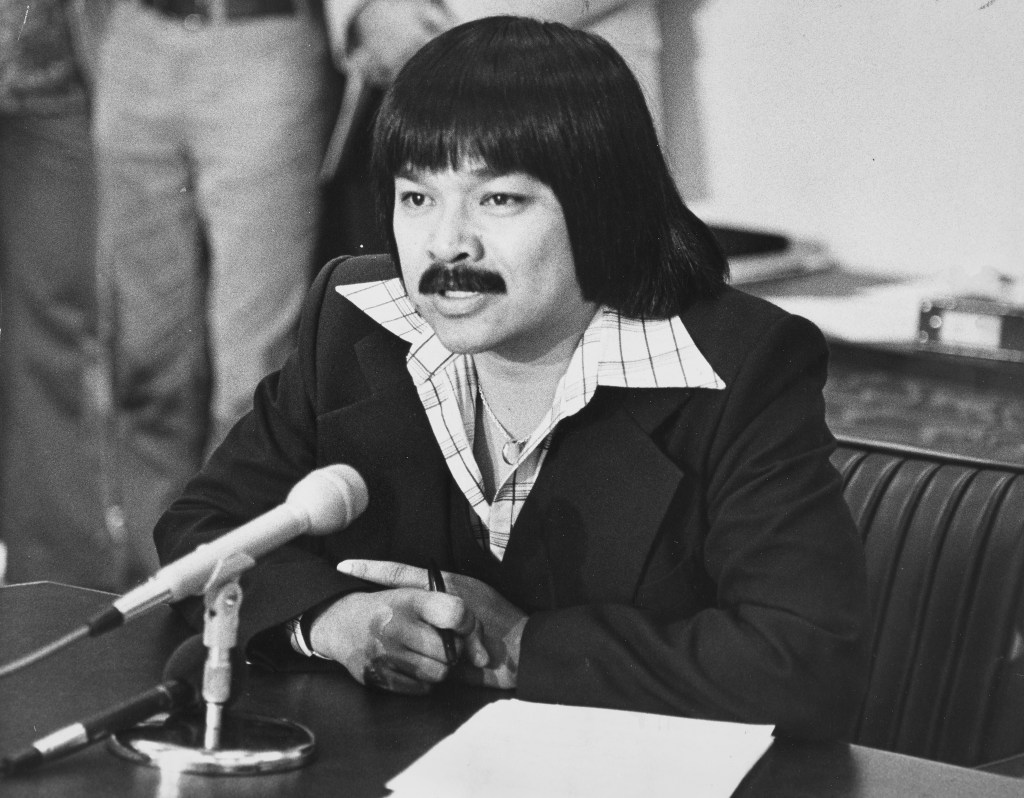
It’s worth reading former Hawaiʻi Gov. Ben Cayetano’s memoir just to see the picture of him with the Rolling Stones (p. 398).
I digress.
Mick Jagger or not, there are much more important reasons to read it that have to do with what I wrote last time, “When Political Memoirs Go Bad,” about JD Vance’s and Jill Biden’s recent memoirs.
Cayetano’s leaves these other two books in the dust.
“Ben: A Memoir, From Street Kid to Governor” is an honest memoir. The other two are not because they lack self-reflection. Most of all, they omit issues they should have covered.
Cayetano’s book also has serious omissions. But unlike Vance and Biden, they are not his fault because they’re beyond his control.

What’s beyond his control is this: How shamefully little we know, as opposed to what we think we know, about Hawaiʻi politics. Lore passes for analysis, opinions pass as facts. It’s sad, really.
As good as “Ben” is, it can’t really fill that vacuum of knowledge. It’s not supposed to.
Cayetano’s chapters about growing up in Kalihi show an authenticity that carries throughout the book.
He brings that neighborhood to life without romanticizing it or seeing growing up there as an obstacle he needed to overcome.
None of the kind of “I’m a Kalihi boy through and through” posturing and contortions that were, and maybe still are, so much a part of local politics.
The book is a candid, insider’s account of so many important issues in Hawaiʻi from the 1970s when he got his start in politics until he left the governor’s office.
For me, reading the book again after 15 years, it was both a fresh reminder and a source of new insights even the second time around, especially about his handling of the teachers strike, the Bishop Estate debacle, and Hawaiian sovereignty.
The book includes all kinds of revealing and often heated conversations between the governor and others. Like one of my favorites, between Cayetano and Neil Abercrombie when they were both state senators.
The two argued over who should chair the powerful Senate education committee. Cayetano wanted Abercrombie to take the job. Abercrombie wanted someone else.
Cayetano won the argument. He describes the result this way: “Neil was silent.” Really.
The book is an insider’s account. But just one account. Remember, that’s what memoirs are.
That’s any memoir’s foundation and also its basic weakness. But that trivializes the obstacles that Cayetano’s memoirs are up against.
The book stands by itself in a desert of knowledge.
If I were teaching a course about Hawaiʻi politics today, I would definitely use his book.
But I don’t know what else I would use because there is so little else to choose from.
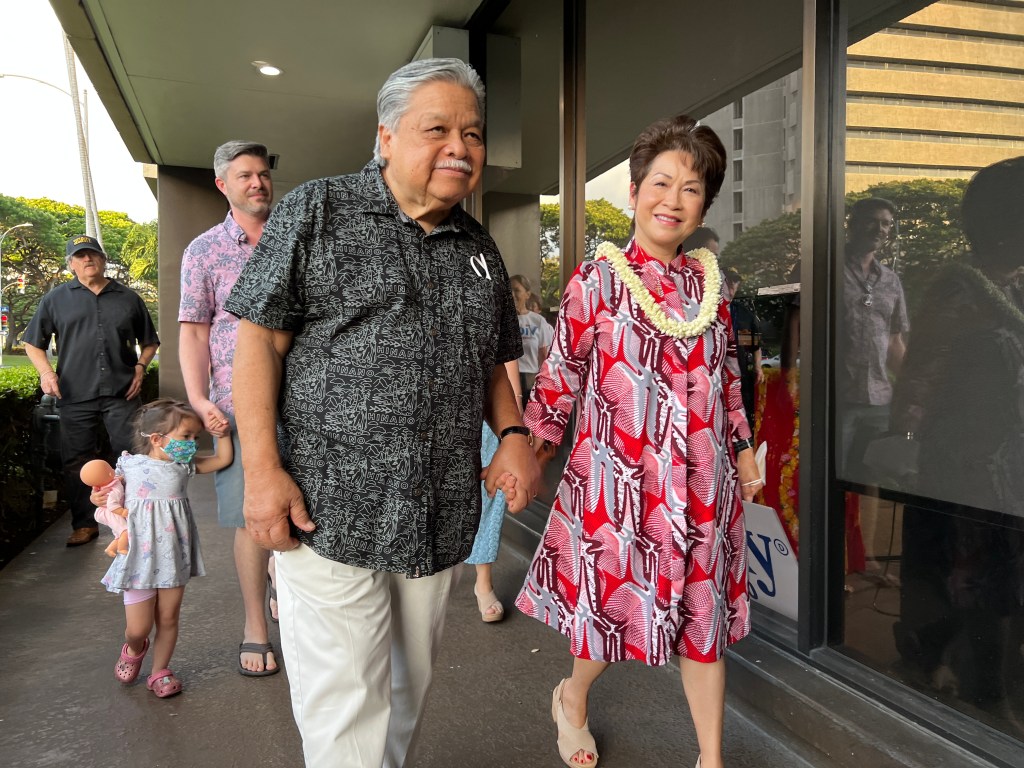
Cayetano’s memoir has to occupy too big a place in the puny pantheon of research about Hawaiʻi politics.
Think of all the material Vance and Biden had at their disposal if they chose to look. Or think about how, say, a historian, could turn to all this material to build on or test those memoirs’ accuracy.
Nothing like that exists as a backdrop to draw from about Hawaiʻi politics. There are no regular Hawaiʻi polls that could be used to spot trends. The classic books on Hawaiʻi politics, like Tom Coffman’s “To Catch a Wave,” written many years ago, remain really the only books.
Source material, like archives, remain untouched mainly because nobody at the University of Hawaiʻi, including my old compadres in the political science department (and myself when I was still there), have taken it upon themselves to do these kinds of inquiries.
Thanks to the UH School of Hawaiian Knowledge scholars, we have learned so much in recent years about Hawaiian history and culture.
Nothing like that about Hawaiʻi’s politics.
“Ben” is a fascinating and important book, but it’s not a full-on history or a look at the politics and culture in ways that go beyond what’s happening today, like who’s going to win, and who got the upper hand over whom — personalities, gossip, chatter, the issue of the day.
So often when I’ve been asked to comment about Hawaiʻi politics I have felt limited and wished I had more material to draw from to put things in a broader perspective.
Hawaiʻi has some excellent investigative reporters, but they are also limited by the lack of basic, background information. Here are some examples of what’s missing:
Political histories: a political history of Hawaiʻi from the missionaries to the present.
Political culture: the shared and not so shared beliefs, values and attitudes that people here have about politics and government. People in Hawaiʻi pride themselves about culture. But political culture — those shared beliefs about politics that impact civic life — pretty much all gossip and lore.
The only truly documented thing we know for sure about Hawaiʻi’s political culture is this: Most people vote Democratic — if they vote at all. How deep is that?
How Hawaiʻi’s Democratic and Republican Party evolved: The conservative columnist A. Kam Napier recently had a provocative explanation about the local Democrats’ history.
“The party is running on fumes of nostalgia for when it was sensible and stood for the betterment of people right here in the Islands,” he says.
I am not saying he is right, but it’s an idea, among many others, that’s worth a closer look as part of a broader study.
And one other supremely important development that’s never received the attention it deserves: The impact of Felix v. Waiheʻe, the sweeping federal class action case requiring the state of Hawaiʻi to completely change the way it offered services to children with disabilities.
There is no other single issue that can teach us more about how Hawaiʻi government works — delays, oversight, huge amounts of money (as of 2003 $1.3 billion), the ins and outs of legislative oversight.
Biden’s and Vance’s memoirs deserve to become trivialized because they left so much out.
“Ben” could become a mere memoir, too, unless it becomes a small part of a large body of decent political knowledge about Hawaiʻi. And, really, that’s not trivial at all.
 Sign up for our FREE morning newsletter and face each day more informed.
Read this next:

Local reporting when you need it most
Support timely, accurate, independent journalism.
Honolulu Civil Beat is a nonprofit organization, and your donation helps us produce local reporting that serves all of Hawaii.
ContributeAbout the Author