Denby Fawcett: Why Engaging With Art Bolsters Your Brain
A Honolulu Museum of Art exhibit explores how regular encounters with art — creating it or experiencing it — can stave off the ravages of aging.
September 2, 2026 · 6 min read

About the Author

Scientific research is emerging that the making and viewing of art is not only pleasurable but can fortify the brain. On Sept. 12, the Honolulu Museum of Art will launch one of the nation’s first large art exhibitions to explore this fast-growing field of study.
The exhibition – called “Vital Connections: Art and the Brain” – will offer visitors a chance to interact with a carefully curated selection of artworks from the museum’s permanent collection to experience for themselves how art can strengthen their minds and bodies. Immersive activities will include movement and art making.
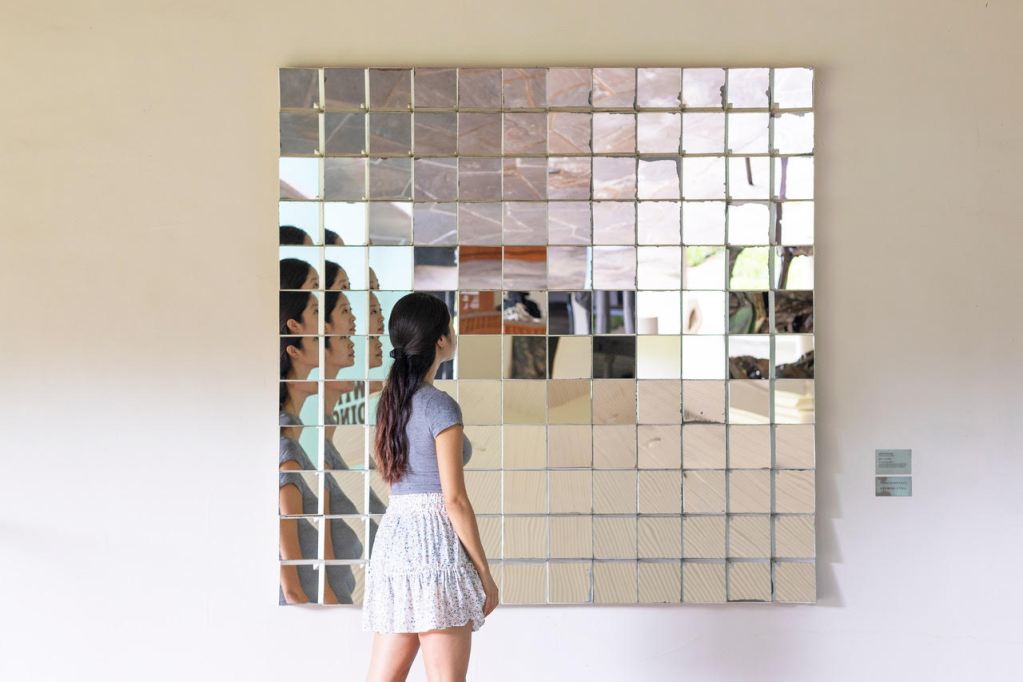
As visitors walk through the exhibition, they are given prompts on how to look more intentionally at the artworks. These works range from a 19th century painting by post-impressionist Henri-Edmond Cross to a modern eight-screened video installation by Ellie Schmidt. There is also a wall of mirrors titled “Mirror XV” by contemporary artist James Seawright.
“This exhibition is not about art therapy but to share emerging research … that art is not only beautiful, but can also have a profound health effect on your brain,” said Catherine Whitney, the museum’s director of curatorial affairs.

Ideas showcases stories, opinion and analysis about Hawaiʻi, from the state’s sharpest thinkers, to stretch our collective thinking about a problem or an issue. Email news@civilbeat.org to submit an idea or an essay.
In the past, art often has been considered a luxury, something extra. But neuroscientists — including practitioners of the new field neuroaesthetics — are producing peer-reviewed research to examine why and how artistic experiences such as theater, dance, music and museum visits might delay the onset of dementia and help lessen the effects of stroke trauma and other brain injuries.
“Art is not extra, it is essential,” Daisy Fancourt writes in her book “Art Cure: The Science of How Art Saves Lives.”
Fancourt — a professor of psychobiology and epidemiology at University College, London — writes that engagement with the arts should be considered the fifth pillar of health along with diet, exercise, sleep and connection to nature.
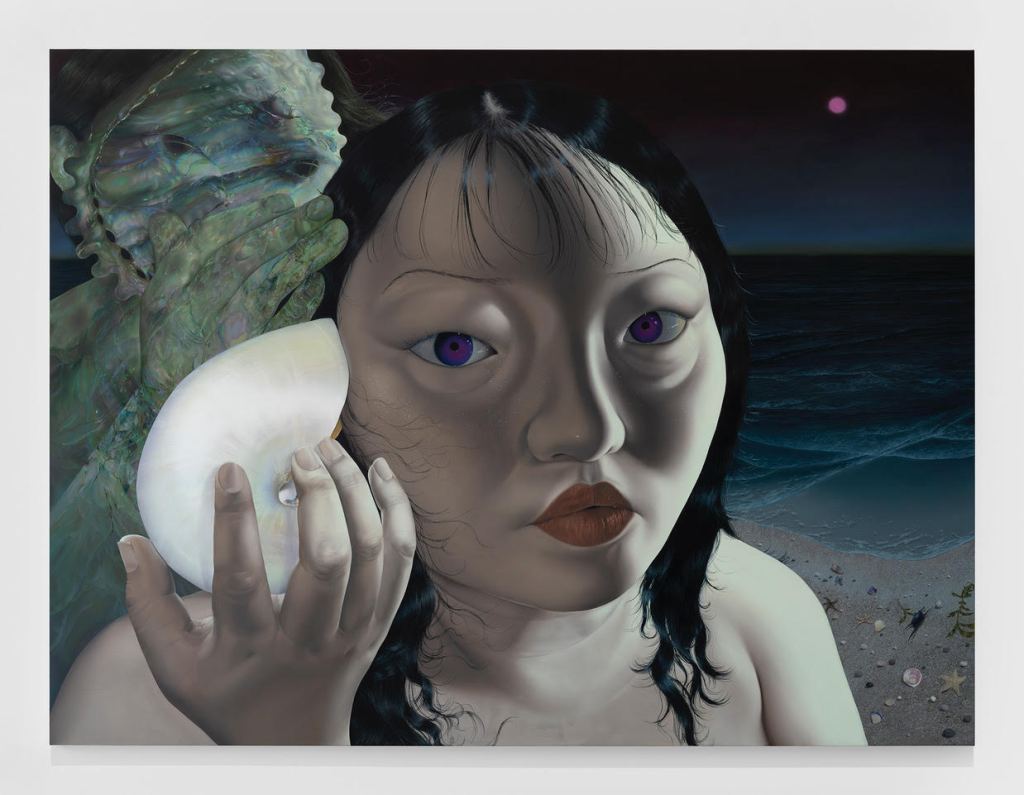
An observational study that Fancourt and her university colleagues published this year even suggests that art engagement can slow biological aging. In their research, they found that, of the 3,556 British adults they studied, those who engaged in the arts at least weekly seemed to age biologically 4% more slowly than those who rarely created art or engaged in other art related activities.
For the last two years, HOMA curator Whitney has partnered with B+HARI — Brain Health Applied Research Institute — a Honolulu-based organization to create the Art and the Brain exhibition.
B+Hari co-founder architect Ma Ry Kim says this is an unusual presentation because nothing about it is passive. Visitors are prompted to take their time and think carefully about what they are seeing.
“It asks you to use your brain while you are in it, and to feel the difference in how you see each art piece affects you in various brain states of calm, stress, happiness,” said Kim.
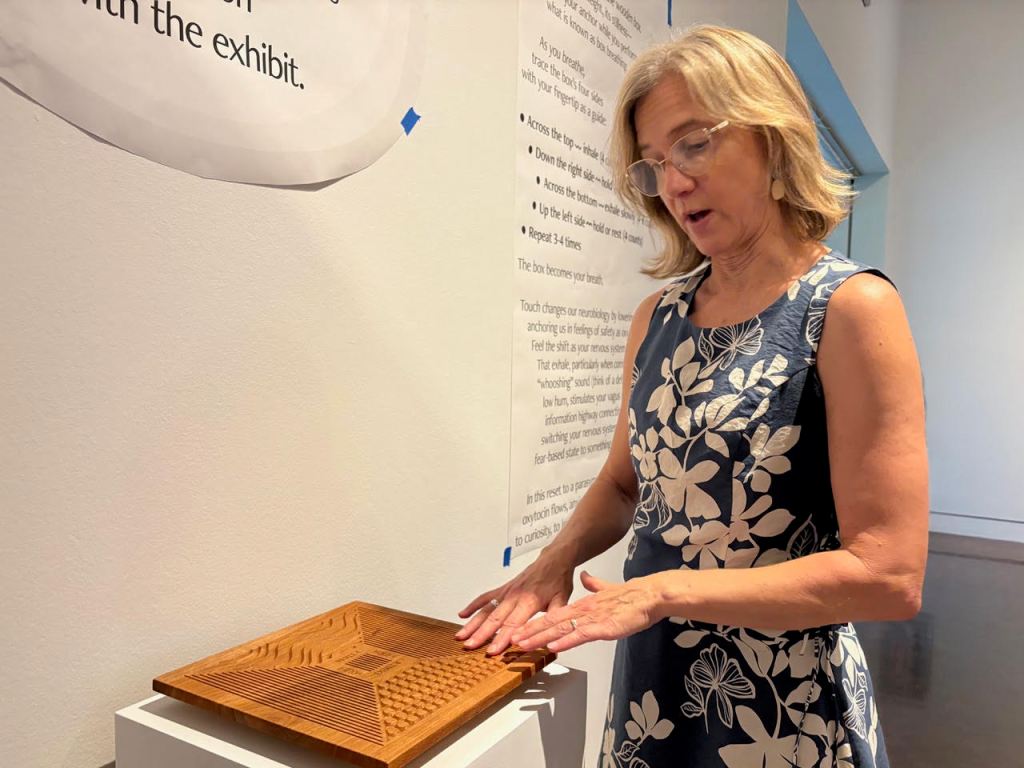
At the introduction of the exhibition, visitors are encouraged to reset their nervous systems with breathing boxes designed by B+HARI architect Elim Ng and woodworkers from Honolulu Kūpuna Shed, a creative space for seniors. The breathing boxes feature wooden panels participants touch while taking measured breaths.
Feeling calm and relaxed, guests then make their way through the three sections of the exhibit featuring first, art and science, and then, art and nature, and finally the effect on the brain of “flow” — the deep mental state that kicks in when a person is completely focused on what they are doing. As flow takes over, time seems to stand still.
B+HARI, the co-creators of the exhibition, includes collaborators you ordinarily might not expect in the same room: neurologists, architects, nutritionists, artists, agriculture specialists and master Polynesian navigators.
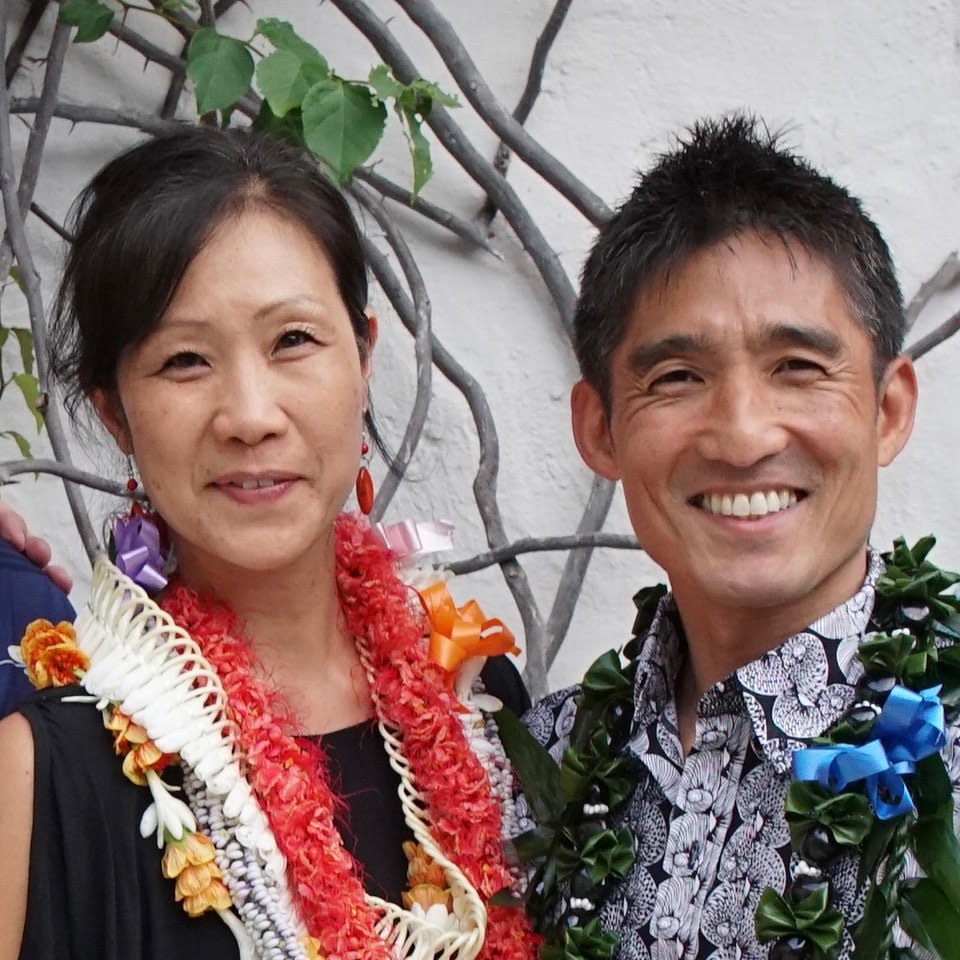
They have joined forces with the shared goal of making brain health an ongoing part of life rather a special practice prescribed after a traumatic brain injury or the onset of dementia.
The Queen’s Medical Center neurologist Dr. Kazuma Nakagawa co-founded B+HARI with Kim.
Nakagawa — the chief of The Queen’s Neuroscience Institute — treats patients afflicted by strokes and other brain injuries. He is also a professor of neurology at the John A. Burns School of Medicine, University of Hawaiʻi.
It was once commonly thought, he said, that after a brain was damaged the harm could not be undone. But it has become increasingly apparent that more can be done to reconnect the brain – including through non-medical interventions such as art making and viewing art, design, theater-going and music.
And the effects can be measured with machines such as functional magnetic resonance imaging (MRI) to test the activity and connectivity happening in a brain; EEG testing to measure the electrical brain activity and also cognitive testing.
“For us, the key question is not simply, ‘Does art activate the brain?’ Of course, it does. The more important question is: Can sustained engagement with art change how effectively different brain systems work together and adapt over time?” Nakagawa wrote in an email to Civil Beat.
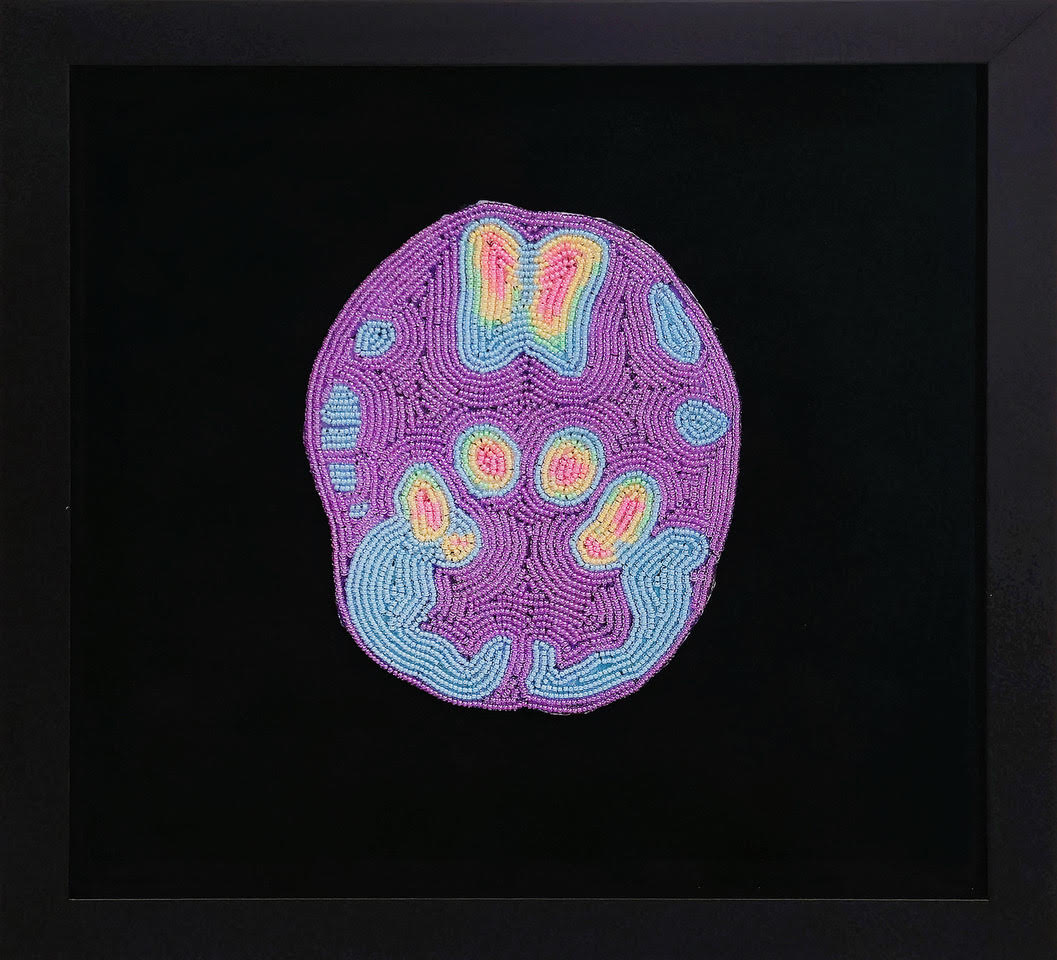
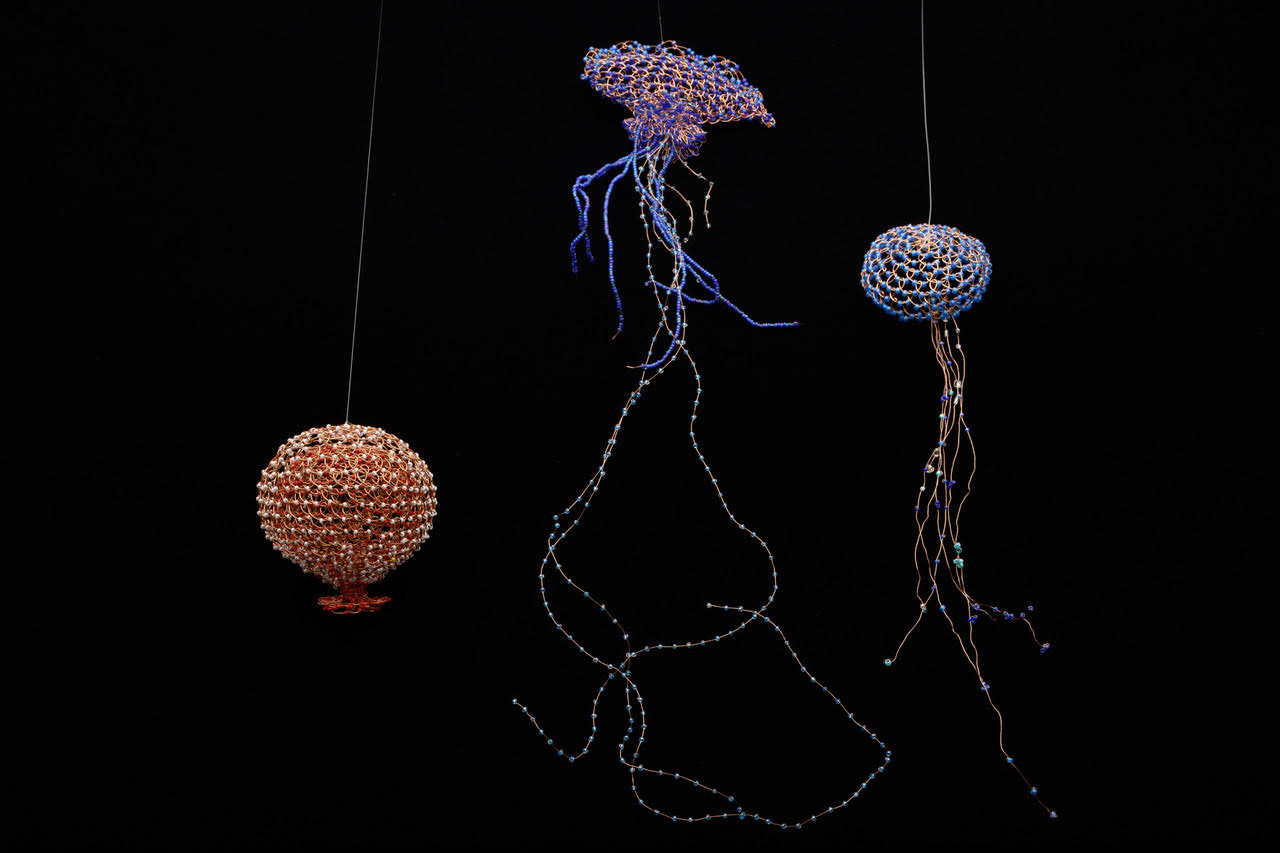
What is still unknown: Do structured art experiences produce measurable and lasting benefits for cognitive health? “This is an area we believe is worth pursuing,” he added.
B+HARI professionals – including Kim, nurse practitioner Dr. Courtnee Nunokawa and Hawaiian cultural practitioner Garrett Kam – will conduct art-brain interactive learning classes for the duration of the exhibition. Museum visitors will learn exercises to make their brains more resilient with everyday interactions with art, music and movement.
Curator Whitney expects other museums soon will launch efforts to portray their own selected art as “vessels of wellness,” not just visually stunning works.
This is just the beginning. As more becomes known about this field of research, Whitney speculates that HOMA’s efforts will one day be remembered as bold but beautifully rudimentary.
 Sign up for our FREE morning newsletter and face each day more informed.
Read this next:

Local reporting when you need it most
Support timely, accurate, independent journalism.
Honolulu Civil Beat is a nonprofit organization, and your donation helps us produce local reporting that serves all of Hawaii.
ContributeAbout the Author