Denise Foster Should Not Have Died In Hālawa
The death of this transgender woman behind bars was completely preventable. It shows why we must reimagine public safety in Hawaiʻi.
September 22, 2026 · 5 min read

About the Authors


Denise Foster should be alive today.
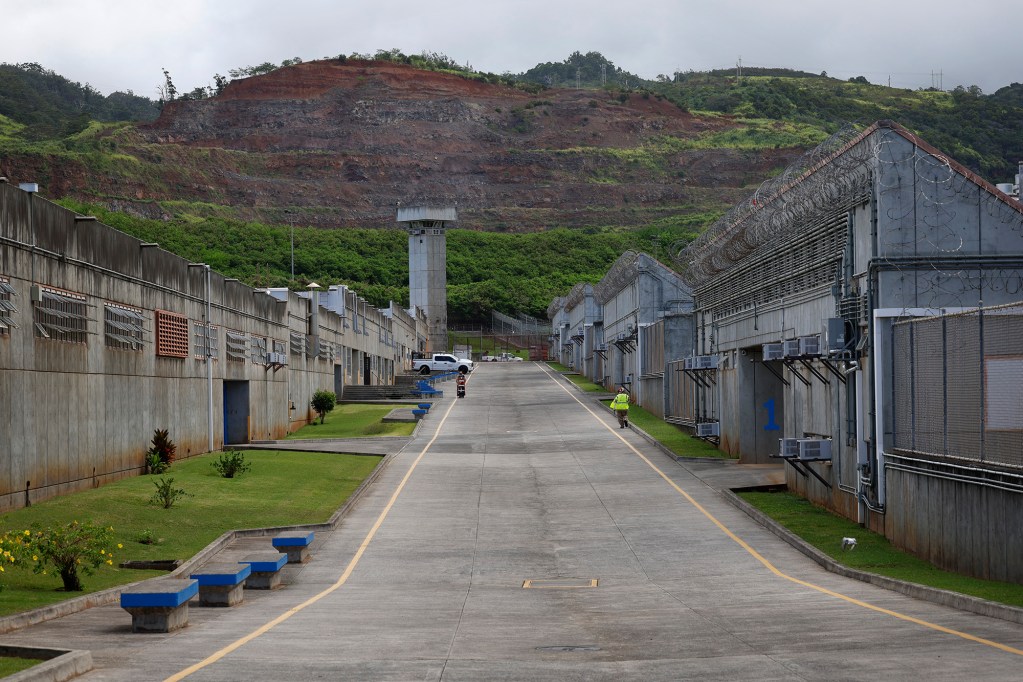
She was the youngest of nine children, someone who loved sharing family meals and spending days at the beach. She was also a transgender woman who was incarcerated at the Hālawa Correctional Facility beginning in May 2023, after being convicted of thefts and other non-violent charges. While inside, Denise pursued higher education in counseling, and had secured a job at Goodwill for when she was due to be released next year.
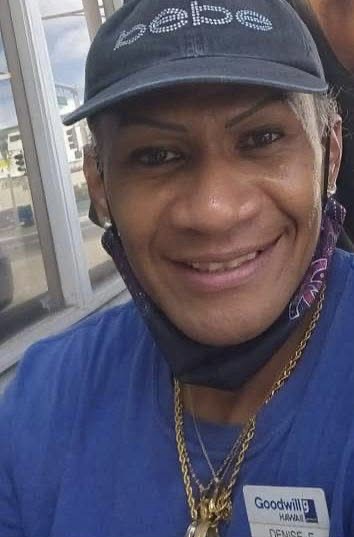
Before she had the chance to see those plans through, Denise was beaten and strangled to death in August. While prison officials have not named the culprit and no charges have been filed, reporting by Civil Beat has identified Jason Lee McCormick, an inmate with a history of similarly violent killings, as the man who entered Foster’s cell and attacked her.
McCormick was sentenced in 2008 for strangling a visiting professor to the University of Hawaiʻi in 1996, and he also pleaded guilty in the 2015 strangulation death of his cellmate at the Saguaro Correctional Center. That killing occurred after his victim, Johnathan Namauleg, had told prison staff he feared for his life.
Death Exposes Flaws Across Legal System
The first question we must ask is why Denise was placed in a men’s facility to begin with.
Across the country, housing transgender women in men’s prisons has created a documented crisis of violence and sexual abuse. Advocacy groups and reporting on departments of corrections in states such as Georgia have repeatedly documented the predictable and potentially catastrophic harm caused by these placements. When officials disregard those known risks, they may also violate constitutional protections against cruel and unusual punishment.
Hawaiʻi can and must establish clear, binding policies that prohibit placing transgender people in facilities where their safety would be jeopardized. Gender identity, personal safety, and each individual’s circumstances must be central considerations in placement decisions to prevent foreseeable harm. This is especially important given that gender identity is a specifically protected category under our State anti-discrimination laws.
Even before placement decisions are made, we must also question whether Denise needed to be in the Department of Corrections and Rehabilitation (DCR)’s custody at all. When a person is convicted of non-violent offenses driven by underlying economic or personal challenges, those cases are best addressed with community care and diversion programs, not incarceration.
Investing in robust, community-based diversion programs avoids exposing individuals to the trauma and violence of prison while also targeting the root causes of criminal behavior far more effectively than confinement.
Was Denise ever offered an opportunity to participate in a specialty court or diversion programming prior to her sentencing? If restrictive or binary eligibility criteria prevent transgender individuals from accessing these alternatives, DCR should adjust its internal criteria immediately.
Violent Offender Next To A Nonviolent One?
Inside Hālawa, institutional failures seem to abound. DCR claims its mission is to provide a “secure correctional environment for comprehensive rehabilitative, holistic, and wraparound re-entry services… with professionalism, integrity, respect, and fairness.”
This latest in a series of preventable deaths tells a very different story about DCR facilities. Hālawa mixes medium- and maximum-custody inmates convicted of wide-ranging offenses — from property crimes to violent felonies — forcing incompatible classifications into close quarters. Housing a violent repeat offender alongside non-violent individuals reflects an utter breakdown in basic risk assessment.
Repeated violent behavior by Denise’s attacker demonstrates a lack of successful rehabilitative practices in DCR facilities.
Beyond immediate physical danger, severe institutional shortfalls continually show up in Hawaiʻi’s correctional system. Nearly 50% of released individuals are re-incarcerated within three years, while the March 2025 Hawaiʻi Correctional System Oversight Commission (HCSOC) Reentry Assessment reveals that 47% of inmates “max out” their sentences and return to the community with zero structured support or parole supervision.

Ideas showcases stories, opinion and analysis about Hawaiʻi, from the state’s sharpest thinkers, to stretch our collective thinking about a problem or an issue. Email news@civilbeat.org to submit an idea or an essay.
Inside the walls, conditions are equally concerning; the 2024 HCSOC Hālawa Staff Survey found that 89% of officers report critical understaffing, 83% cite low overall morale, and 63% feel the facility itself is unsafe.
A staggering six-year backlog exists for inmate complaint remediation, and the state currently lacks a dedicated investigator to independently examine in-custody deaths (stated at August 2026 Meeting). Chronic staffing shortages persist while Hawaiʻi spends millions sending prisoners to facilities on the continent, severing vital family support systems.
Rights Of Incarcerated People Must Be Respected
These compounding issues highlight why we need to work with state and county officials, legislators and community groups to build alternative crisis response systems. State institutions will remain cyclical unless and until we address root causes of harm, including the criminalization of poverty and behavioral health issues fueled by overzealous prosecution.
Denise’s family is demanding answers and seeking accountability for this preventable tragedy. We must stand with them in their pursuit of justice and back potential legal action.
True public safety will not come from retroactive punishment or continually inflated facility budgets. We must demand systemic transparency, adopt gender-affirming placement policies, expand specialty court eligibility and invest deeply in community care. The preventable violence inside Hawaiʻi’s correctional facilities will only end when we all shift our focus toward proactive health, stability, and human dignity.
Justice for Denise Foster, and our deepest condolences to her family and loved ones.
 Sign up for our FREE morning newsletter and face each day more informed.
Community Voices aims to encourage broad discussion on many topics of community interest. It’s kind of a cross between Letters to the Editor and op-eds. This is your space to talk about important issues or interesting people who are making a difference in our world. Column lengths should be no more than 800 words and we need a photo of the author and a bio. We welcome video commentary and other multimedia formats. Send to news@civilbeat.org. The opinions and information expressed in Community Voices are solely those of the authors and not Civil Beat.
Read this next:

Local reporting when you need it most
Support timely, accurate, independent journalism.
Honolulu Civil Beat is a nonprofit organization, and your donation helps us produce local reporting that serves all of Hawaii.
ContributeAbout the Authors