Kirstin Downey: ‘Fat Leonard’ Corrupted The Navy. Will Trump Pardon Him?
Leonard Francis was alleged to have bribed hundreds of U.S. Navy officers, including many in Hawaiʻi. But few paid a price, one reason he hopes to be freed.
September 4, 2026 · 9 min read

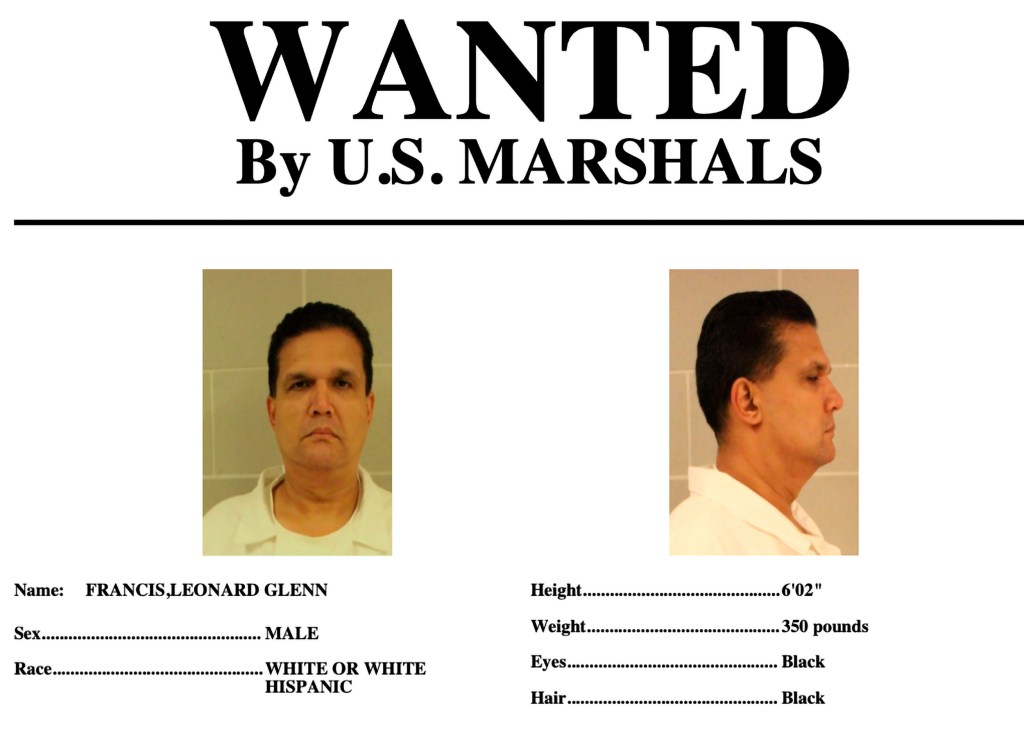
About the Author

A huge scandal that rocked Pearl Harbor, home of the Pacific Fleet, is coming to an end. Everyone agrees that taxpayers were badly rooked, but now it appears that many of those complicit will not be brought to justice.
In fact, even the imprisoned Malaysian entrepreneur who masterminded the schemes and bilked the United States out of tens of millions of dollars – Leonard G. “Fat Leonard” Francis – recently told Washington Post reporter Craig Whitlock that he intends to seek a pardon from President Donald Trump.
Last week, Whitlock spoke with me about what he had learned from Francis during a recent prison interview, including an account of Fat Leonard’s daring escape from prison in 2022 and how he had orchestrated it.
First, a little background:
In the three decades between 1992 and 2012, Francis was alleged to have bribed hundreds of U.S. Navy officers, including dozens of admirals, plying them with fine wines, exotic delicacies, lavish parties, posh hotel rooms and sex with comely prostitutes in exchange for lucrative, bloated defense contracts throughout Southeast Asia.
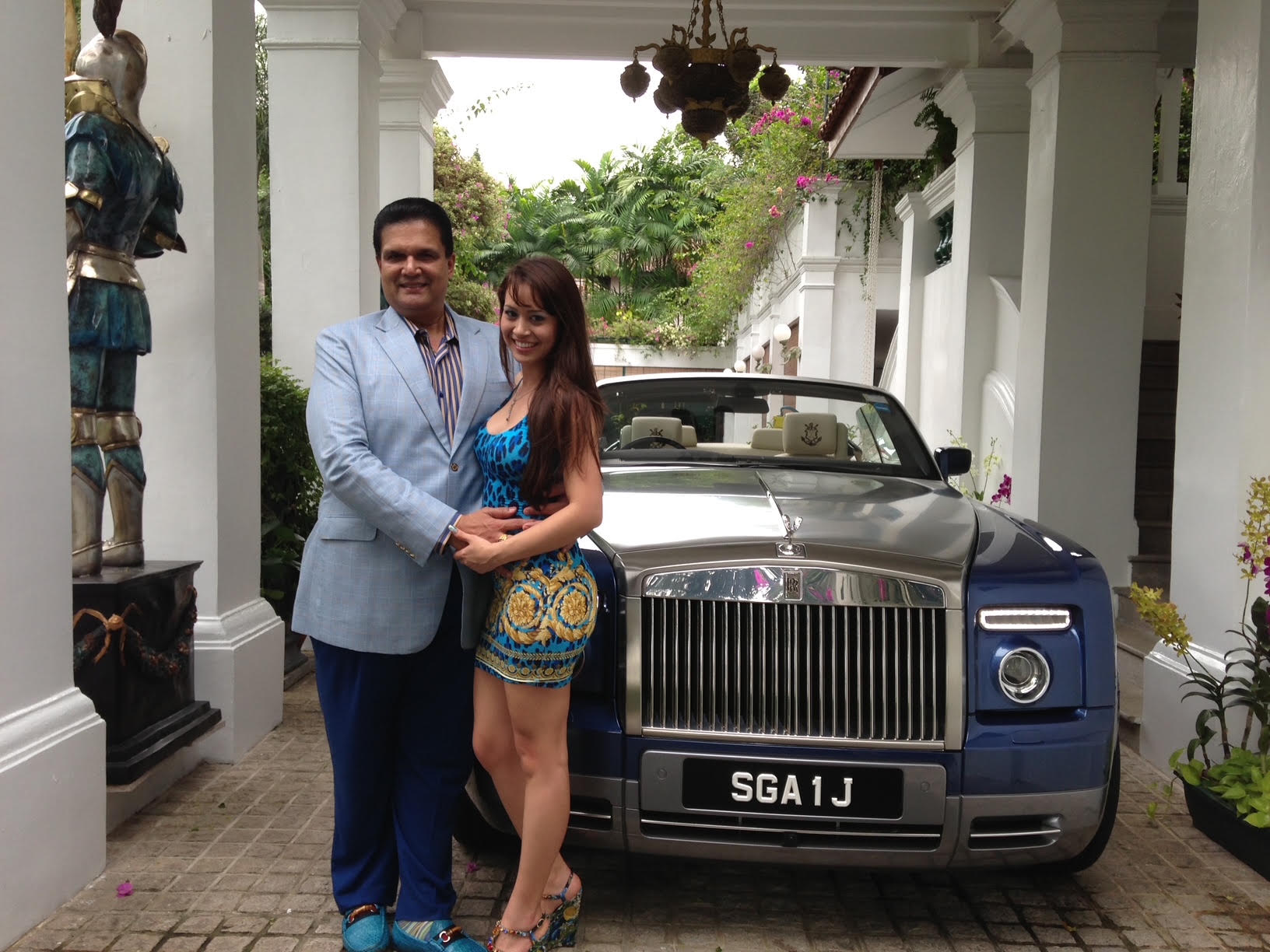
He owned a company, Glenn Defense Marine Asia, that specialized in “husbanding,” or servicing, Navy ships in ports overseas – providing them with food, water, transportation services, security and sewage management.
Flamboyant, exuberant and massively obese, Francis raked in the money, becoming a multimillionaire living an extravagant life in Singapore, frequently squiring officers from place to place in a fleet of luxury cars. He liked to model himself on Elvis Presley. He entertained his guests in over-the-top fashion, performing unusual tricks, including one in which he would smash a wine glass and chew and swallow the broken pieces.
His public behavior was outrageous but he also meticulously covered his tracks, at least up to a point. If someone had looked, they might have noticed he had once been convicted of armed robbery. Yet Francis evaded detection for years. Finally his misdeeds became too obvious to sweep under the rug and naval investigators lured him to San Diego and arrested him.
Hawaiʻi Navy personnel ensnared
In 2013, when Francis realized he faced serious prosecution, he turned informant, sharing with federal prosecutors mountains of incriminating emails and explicit photographs — material that he had been using as fodder for blackmail.
This juicy paper trail opened the investigation even wider. More than 1,000 Navy personnel, some of whom lived in Hawaiʻi or were former Hawaiʻi residents, faced or underwent inquiries, according to Whitlock.

Ideas showcases stories, opinion and analysis about Hawaiʻi, from the state’s sharpest thinkers, to stretch our collective thinking about a problem or an issue. Email news@civilbeat.org to submit an idea or an essay.
Between 2017 and 2019, Civil Beat chronicled the cascade of resulting Francis-related prosecutions that unfolded in federal court. I flew to San Diego and spent days reviewing the voluminous court files that were emerging, focusing on the Hawaiʻi ties. There were plenty.
Former U.S. Navy Cmdr. David Kapuan, deputy chief of staff for U.S. Special Operations in Honolulu, was sentenced to 18 months in federal prison. Jeffrey Breslau, former director of public affairs for the Pacific Fleet at Pearl Harbor, was sentenced to six months. Enrico DeGuzman, former deputy chief of staff for operations at Camp HM Smith in Aiea, pleaded guilty to felony charges, though his conviction was later converted to a lesser misdemeanor charge.
In all, some three dozen Navy officers were convicted or pleaded guilty to federal criminal charges in the case. A half-dozen more were court-martialed in military proceedings.
Even so, about a dozen other suspects – including some who had already pleaded guilty to felonies – had their sentences reduced after defense attorneys successfully accused federal prosecutors of misconduct, saying they had withheld exculpatory evidence in their clients’ cases. Prosecutors didn’t forward documents they should have sent or misidentified evidence; in one case, prosecutors claimed that one defendant had sex with a prostitute, even after the prostitute had told them she had only slept in the same hotel room with the man. No sex.
Judge Janis Sammartino said the prosecutors committed “serious misconduct,” which she said had caused the “unraveling” of the case. That didn’t alter the underlying facts, however, she said.
“Nothing is saying these men are not guilty,” she said, according to San Diego’s KPBS.
The prosecutors had “become overconfident,” Whitlock said. The wave of prosecutions ended.
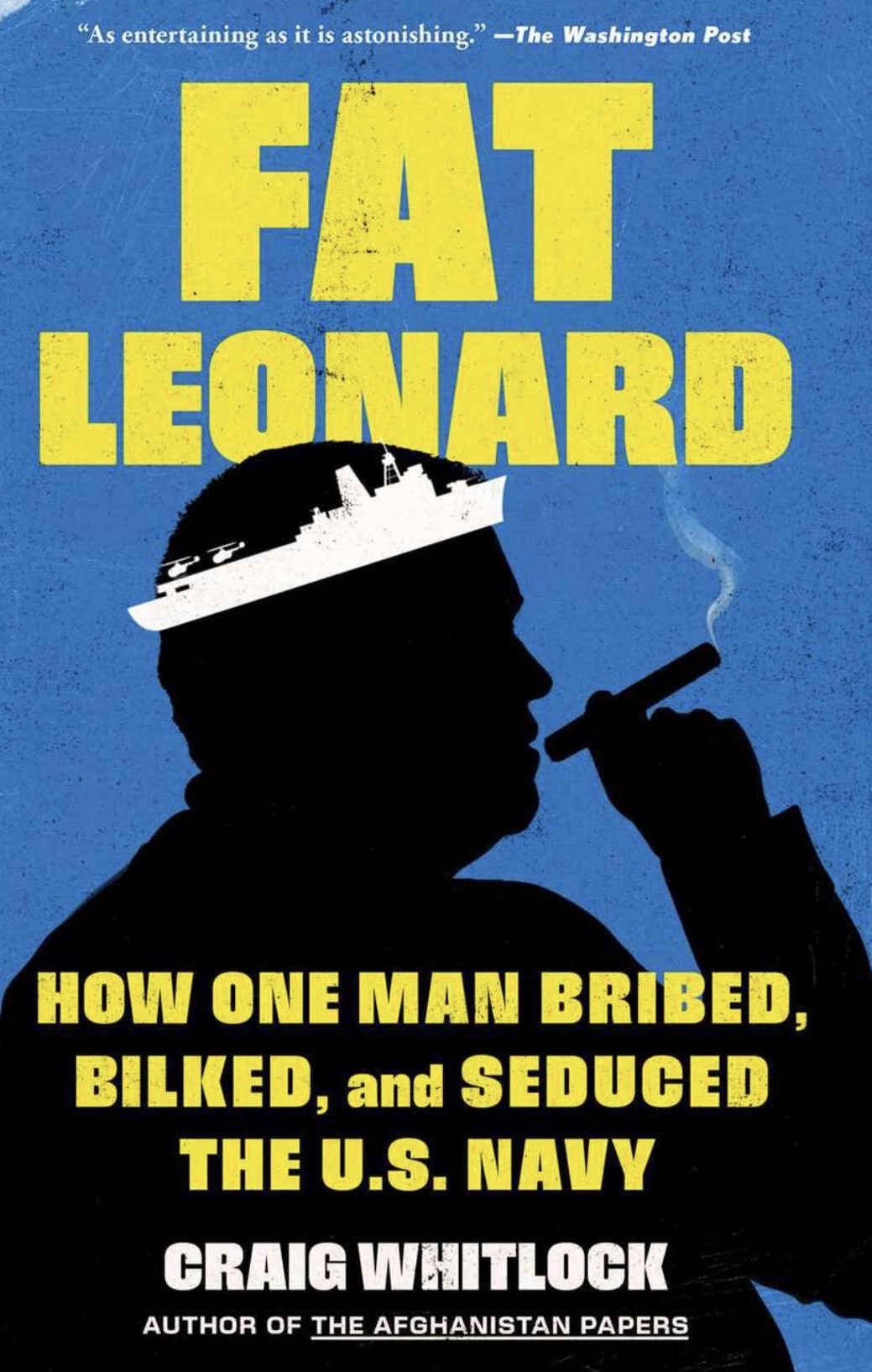
But even so, over the years, many more details about the extent of the Navy’s failures came to light in court documents and trial testimony, much of it revealed by Whitlock’s dogged reporting, published in the Washington Post. He also wrote a 2024 book: “Fat Leonard: How One Man Bribed, Bilked and Seduced the U.S. Navy.”
Whitlock found that scores of Navy officers, eager to oblige Francis and to secure further gifts for themselves, gave the contractor access to top-secret ship schedule information, slipped him memorandums about American defense strategy and even presented him with confidential documents about the Navy’s ballistic defense operations in the Pacific.
Francis used this inside information to win more military contracts, which allowed him to further pad bills paid for naval services overseas and to charge ever-higher prices for unnecessary services for ships that visited harbors in Singapore, Japan, Malaysia, Indonesia, the Philippines and Thailand.
After his arrest, in exchange for his cooperation and claims of ill health, Francis secured preferential treatment by prosecutors, which allowed him to live under house arrest in a comfortable home in Southern California, complete with a swimming pool, paying for his own guards. Then one day he managed to slip away entirely and disappeared.
A new interview in prison
In the prison interview, Francis told Whitlock how easily he was able to engineer his getaway. He said he simply renewed his Malaysian passport with the help of the Malaysian embassy and chartered a private jet in Mexico. The guard was absent the day he left. He cut off his ankle bracelet with its GPS monitor, submerged it in icy water to dampen the signal, called an Uber to pick him up, crossed the border and got on board the chartered plane.
As a little inside joke, he set up a cardboard Elvis Presley mannequin for prosecutors to find when they searched his home.
When Whitlock asked him how he had arranged a chartered jet, Francis told him he had used a credit card.
Francis flew from Mexico to Cuba, then to Venezuela. He was hoping to get to Russia, like Edward Snowden. He spent time at an island resort in Venezuela but then officials detained him at the airport and put him in jail. After some months, they turned him over to American officials in a prisoner swap.
Commanding officers are normally held responsible for everything that happens on their watch. More than 60 admirals were interviewed or investigated in the probe. There was ample photographic evidence showing many of them appearing to be on close personal terms with Francis, but only one admiral, Robert Gilbeau, was convicted. He served 18 months in prison.
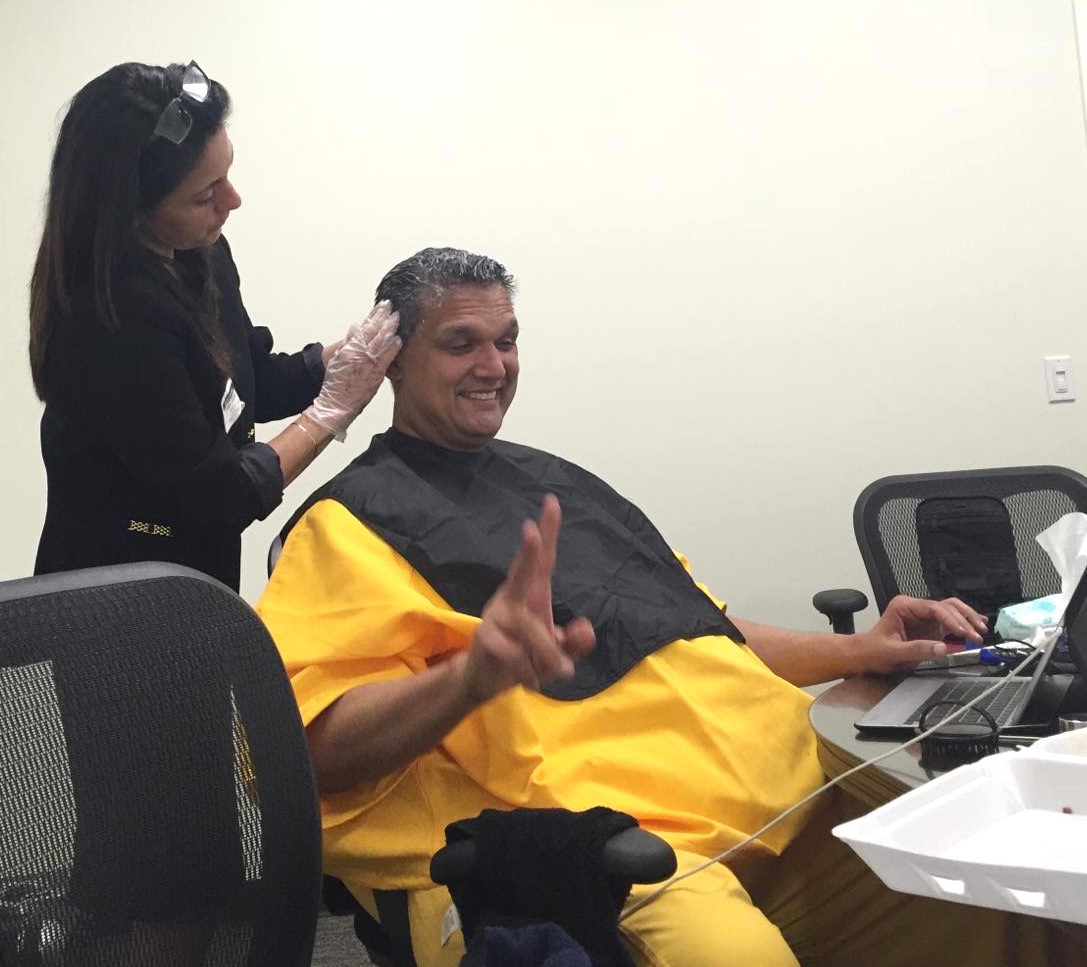
In his thoroughly footnoted book, Whitlock details dozens of examples of admirals sharing the high life in company with Leonard. But once the prosecutions began, almost all grew forgetful about the past and hired top-flight lawyers to represent them. Vice Admiral Mike Miller, superintendent of the U. S. Naval Academy at Annapolis, for example, was represented by former FBI director Louis Freeh.
Many of the service members that Whitlock interviewed were not surprised at the outcome.
“I guess that’s why they pay so much attention to rank, you know who is going to get punished,” Whitlock said. “The Navy was determined to protect the people at the top and they were pretty successful in that regard.”
Given that so many other people were let off lightly, Francis himself is also hoping for a reprieve from his 15-year sentence. The former defense contractor told Whitlock he is hoping for a pardon from Trump. He said he has a kidney ailment that may mean he doesn’t have much longer to live.
Could Francis be pardoned?
A pardon is not implausible. Legal analysts have noted that such a pardon would allow Trump to ridicule the Biden Administration for its prosecutorial mistakes and Francis’s successful flight from federal custody. On the other hand, pardoning Francis would also make it hard for Trump to take credit for the successful prosecutions that occurred between 2017 and 2019, during his first term in office.
In our conversation, Whitlock described his long odyssey reporting the story. He spent many years unearthing a complex trail of court documents and military records and sifting emails shared by informants who wanted the facts exposed. He spoke in person and by telephone with dozens of participants and eyewitnesses.
He reminisced about the first time he heard Francis’s nickname. It was 2013. He was a military beat reporter working at the Pentagon. He had spotted a short Associated Press story, based on a press release from the US Attorney in San Diego, about a Navy contractor from Singapore who was arrested on bribery charges. The man’s alleged accomplice, oddly enough, was identified as a special agent for the Naval Criminal Investigative Service.
It piqued his interest. Whitlock wandered down the hall and spotted a Navy officer he knew, buttonholing him to ask if he had ever heard of a defense contractor named Leonard Francis.
The man’s eyes opened wide and a big smile spread across his face.
“Fat Leonard, right?” the officer quickly responded.
Everybody in the Navy, it seemed, knew Leonard Francis.
 Sign up for our FREE morning newsletter and face each day more informed.
Read this next:
Local reporting when you need it most
Support timely, accurate, independent journalism.
Honolulu Civil Beat is a nonprofit organization, and your donation helps us produce local reporting that serves all of Hawaii.
ContributeAbout the Author