Hawaiʻi Should Tap Small Boat Owners For The Next Disaster
A volunteer flotilla can help save lives after emergencies, as the Maui fire and Hurricane Harvey vividly demonstrated.
September 6, 2026 · 6 min read

About the Author

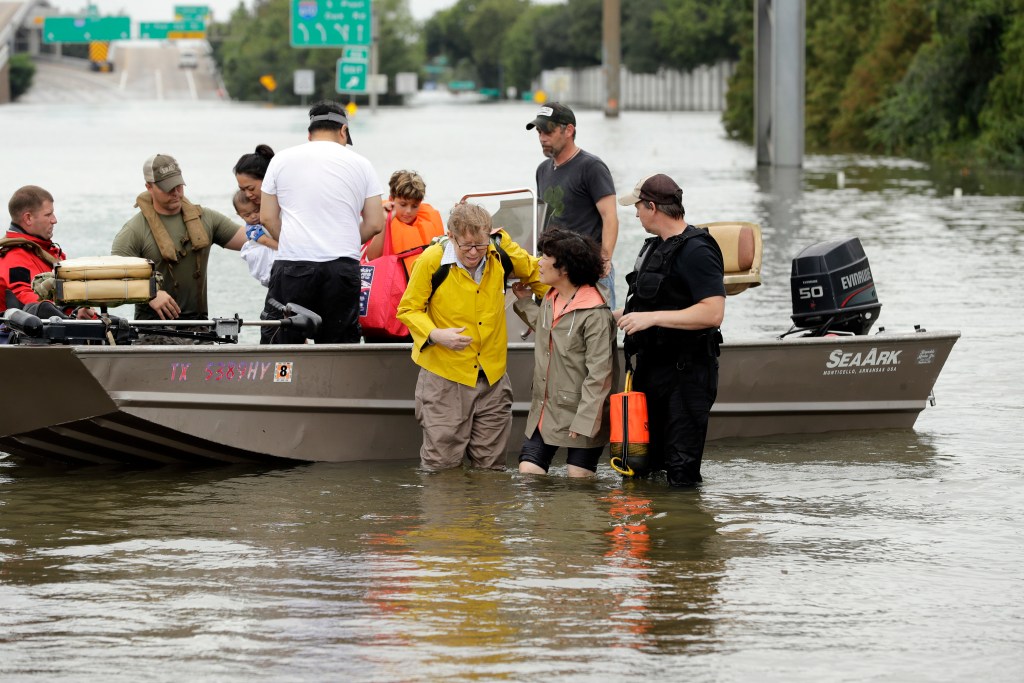
That’s what I wrote in these pages in 2017 after small boat owners rescued more than 2,000 people and provided follow-up care for those in cut-off communities, supplementing the work of government first responders.
That was nine years ago. Since then, we’ve had the devastating fire in Lahaina in 2023, and then this year, the Kona low storm and the sideswipe of Hurricane Lala, which cut off roads and left communities without power, water and supplies.

Ideas showcases stories, opinion and analysis about Hawaiʻi, from the state’s sharpest thinkers, to stretch our collective thinking about a problem or an issue. Email news@civilbeat.org to submit an idea or an essay.
The need isn’t so much for search and rescue, but for the days after — when the roads are gone and the harbor is jammed and someone still must get baby formula and food to Waimānalo, or a rural stretch of the Big Island the highway no longer reaches.
Consider what happened on on Aug. 8, 2023, when Lahaina burned.
The harbor itself became part of the disaster. Boats sank at their moorings. The Coast Guard pulled 17 people from the water who had fled by jumping in. Lahaina Small Boat Harbor remained closed to commercial traffic for more than two years.
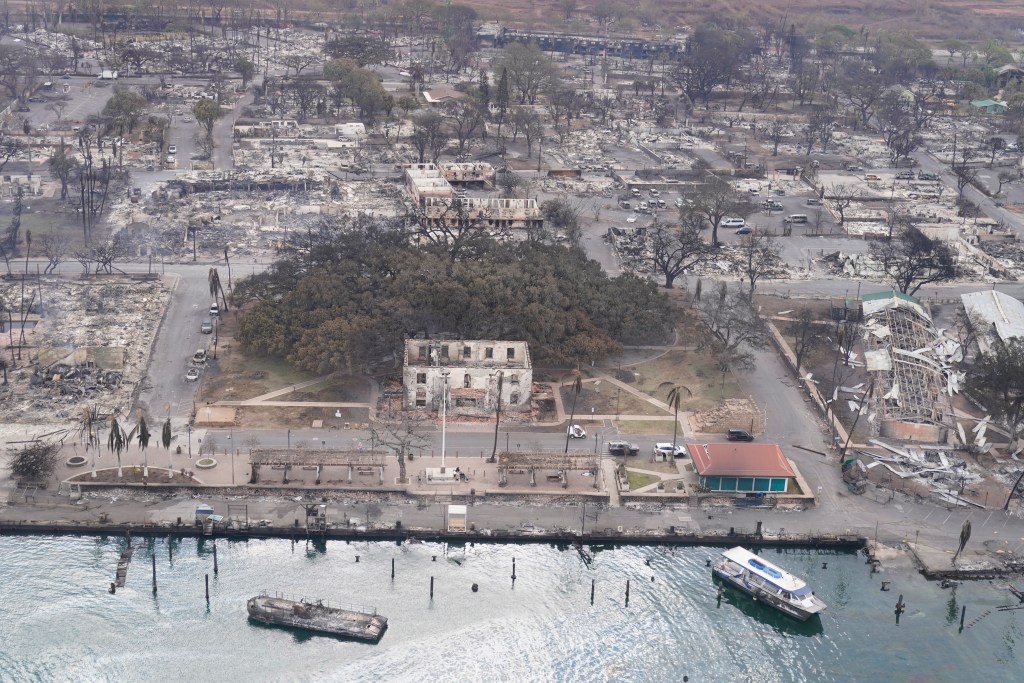
Much of the early movement of people and supplies was not directed by FEMA or the state. It came from boat owners on Oʻahu who, in Sen. Brian Schatz’s words to Congress, “saw the smoke … and sailed to Maui to help rescue survivors,” followed by more boats bringing supplies that surfers ferried to shore on personal watercraft. Lahaina boat captains also assisted in numerous rescues.
Nobody dispatched them. Nobody had a plan for them. They simply existed, and they went.
Helicopters Can Only Do So Much
Then, this month, Lala passed south of Hawaiʻi island without making landfall — and still washed out six bridges and cut off remote Kaʻū behind landslides and flooded roads. Relief agencies delivered supplies almost entirely by helicopter because the roads were gone.
It worked, this time. But helicopters are expensive and can fly only if the weather allows. They can’t be expected to provide long-term relief for isolated communities. Boats also have their limitations during big storms and high seas, but they can efficiently resupply areas when calmer conditions return.
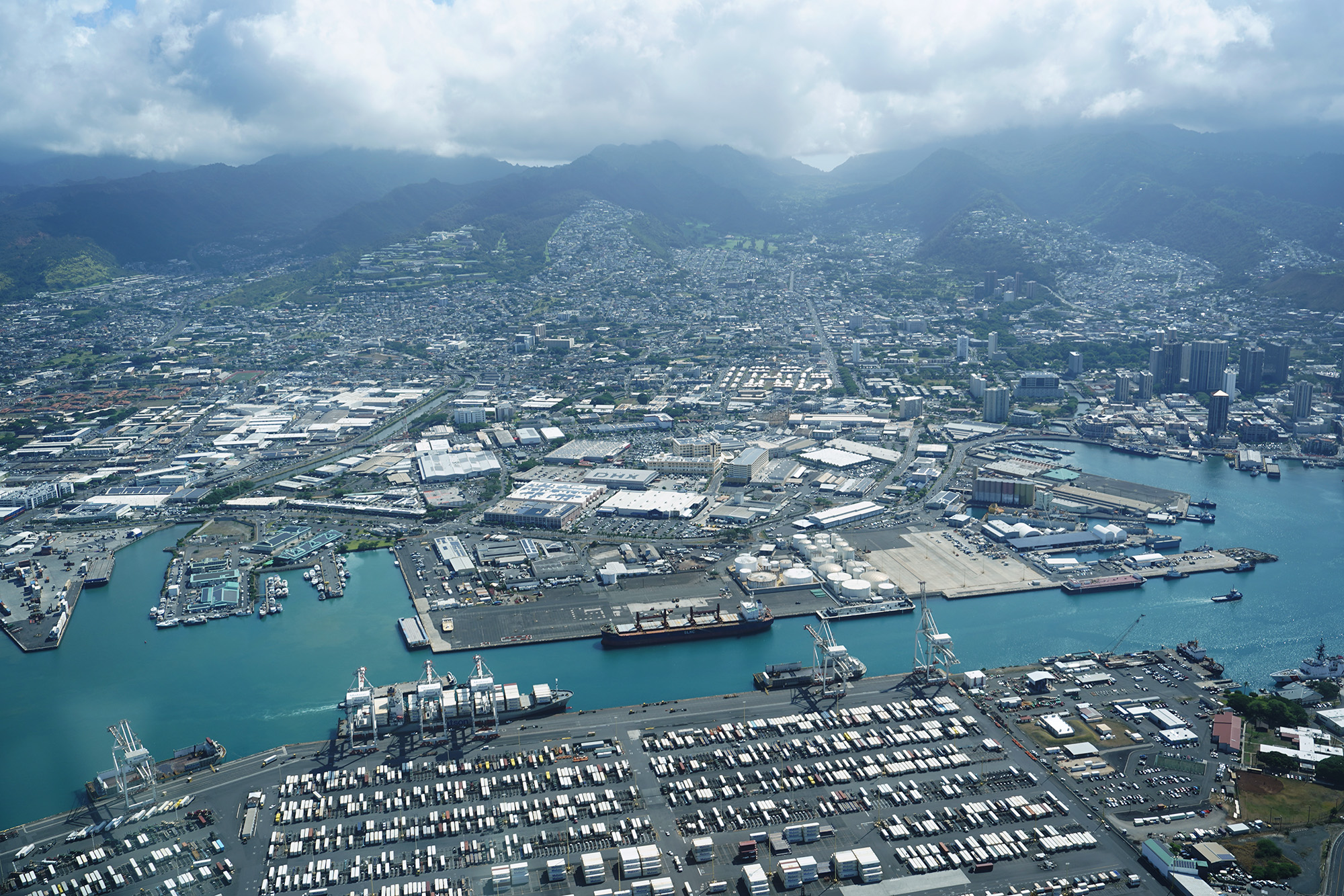
Imagine the consequences had Lala hit us directly, possibly inflicting serious damage on Honolulu Harbor, the state’s hub for resupply during a disaster.
What happens when the helicopters are maxed out, the harbor is damaged and the community is still cut off, waiting for food, medicine and other essential supplies?
Hawaiʻi has emergency plans. What it does not appear to have is a standing blueprint for using the state’s existing small commercial vessel fleet to solve that last-mile problem when roads and conventional ports are unavailable.
That distinction matters.
The state has developed detailed logistics plans for moving food, water and other necessities through its major transportation infrastructure. But those systems depend on roads, ports and other links that may themselves be heavily damaged. The state’s own planning documents recognize the limitations of neighbor island harbors and the time it could take to restore Honolulu Harbor if it took a direct hit.
Even if supplies can reach a functioning harbor, there remains a basic question: How do they get to a community whose road connection has disappeared?
That is the gap.
The tools to close it already exist, and they are not exotic.
The military has a doctrine for exactly this problem: Joint Logistics Over-the-Shore, or JLOTS, which is designed to move cargo from ships to an unimproved beach when a conventional port is damaged or unavailable. It is a highly specialized military capability, far beyond what Hawaiʻi would need.
But the principle is simple: You do not always need a functioning port to move supplies from water to land.
A small nonprofit called Sea Mercy has demonstrated a civilian version of that idea, using sailing catamarans as floating clinics and disaster response vessels in the outer islands of Fiji and Tonga, including direct beach landings.
And Hawaiʻi has something even more important: its own fleet sitting in plain sight.
Commercial Catamarans To The Rescue
The same commercial catamarans that carry passengers on sunset cruises and snorkeling trips out of Honolulu, Māʻalaea and Kona could, under the right circumstances, become part of an emergency transportation network.
This is where FEMA’s “Whole Community” approach becomes relevant, as noted in my 2017 Civil Beat commentary. Emergency preparedness should begin by identifying the assets, capabilities and gaps that already exist in a community. Hawaiʻi can do this itself. It doesn’t need to wait for FEMA to create the solution.
The first steps are not particularly complicated, and they would cost far less than building a new fleet. The state could create a registry of commercial vessels and operators willing to be activated in an emergency. It could identify and pre-clear potential beach landing and small dock sites on each island. It could establish protocols among HIEMA, the Department of Land and Natural Resources’ Division of Boating and Ocean Recreation, the Coast Guard and the charter-boat industry.
This would not mean sending every available boat into a disaster. It would mean identifying in advance which commercial vessels, crews and landing sites are suitable for which missions.
And it would require answering the practical questions that make a plan real: Who activates the boats? Who decides where they go? What cargo do they carry? Who receives it? Who pays for fuel and damage? What liability and insurance protections apply? And how often does everyone practice?
Lahaina showed what happens when a community’s harbor becomes part of the disaster. Lala showed how quickly roads can disappear even when a hurricane never makes landfall.
The lesson from both is the same: Hawaiʻi needs more than one way to move people and essential supplies when the normal transportation system breaks.
 Sign up for our FREE morning newsletter and face each day more informed.

Local reporting when you need it most
Support timely, accurate, independent journalism.
Honolulu Civil Beat is a nonprofit organization, and your donation helps us produce local reporting that serves all of Hawaii.
ContributeAbout the Author