Makana Eyre: The World War II Hero Who Quietly Settled In Hawaiʻi
A forthcoming book, “Operation Sparrow,” chronicles the team that risked their lives in a successful WWII deception mission. Guy Nunn was one of them.
September 21, 2026 · 5 min read

About the Author

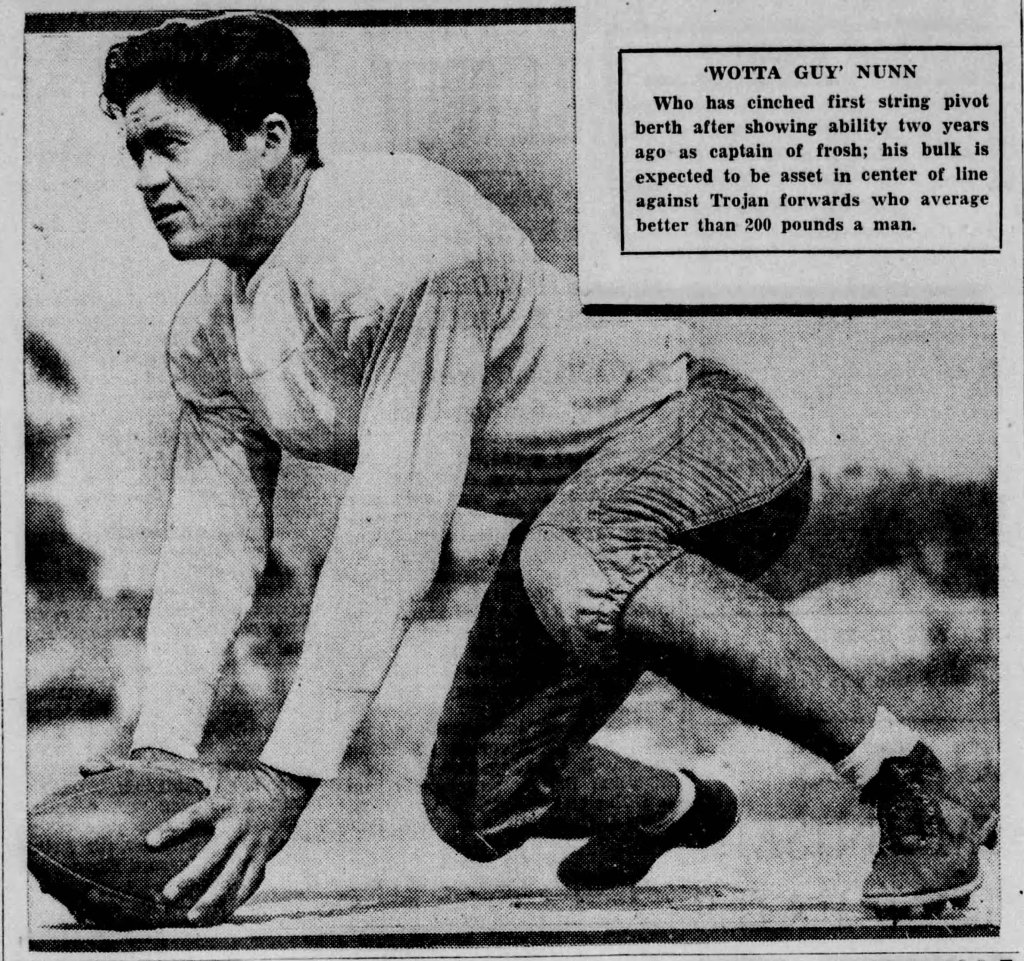
As Guy Nunn neared the quiet end of his life in the 1970s, few in Hawaiʻi would have guessed he was a war hero.
He had resettled on Oʻahu to work as a sociology professor at University of Hawaiʻi Mānoa. A longtime labor organizer, he trained union leaders on the side.
Before the decade’s end, he would retire to Kauaʻi where, with his wife, he’d spend his last days cultivating tropical plants.
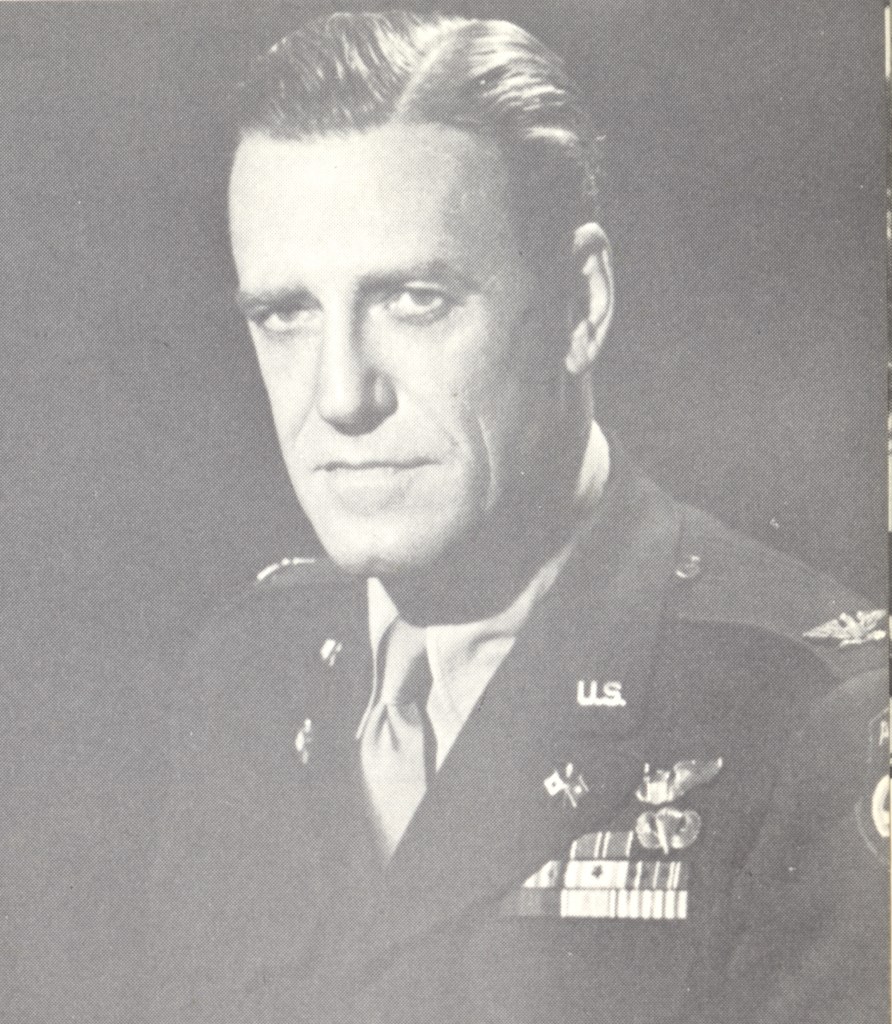
When Nunn died in the fall of 1984, 40 years had passed since his World War II valor. Nunn, a former college football star, was one of three American commandos who parachuted into Axis-allied Hungary in one of the most daring and successful deception missions of World War II.
As Jason Bell tells us in “Operation Sparrow,” his forthcoming book, Nunn and fellow OSS officers, Florimond Duke and Alfred Suarez, carried out the only mission of the war designed to result in capture, interrogation and incarceration at the hands of the Nazis.
Their mission, Bell reveals, was part of an intricate American intelligence plot to fool Hitler and convince the Germans to divert millions of Axis troops away from the beaches of Normandy in advance of D-Day.
It was, Bell asserts, the highest-stakes deception since the Trojan Horse.
“Operation Sparrow,” based on recently declassified war files, is the first time this story has been told in full.
A professor of philosophy at the University of New Brunswick, Bell manages to do something rare: marry the research rigor of an academic with the crackling prose of a writer.
In his skillful rendering, he braids the lives of Nunn, Duke and Suarez, charting their mission from its planning in Washington to their daring arrival in Hungary by parachute. Most consequentially, he tells of their months-long interrogation when they gradually sold their captors on the ruse that an Allied invasion was soon to take place – not in France but the Balkans.
Bell’s close study of the archives gives his book its thrust. “Operation Sparrow” is filled with tense scenes and vivid descriptions, such as when Nunn, Duke and Suarez are preparing to dive from their plane – a Halifax B.II Series I – into the darkness above Hungary.
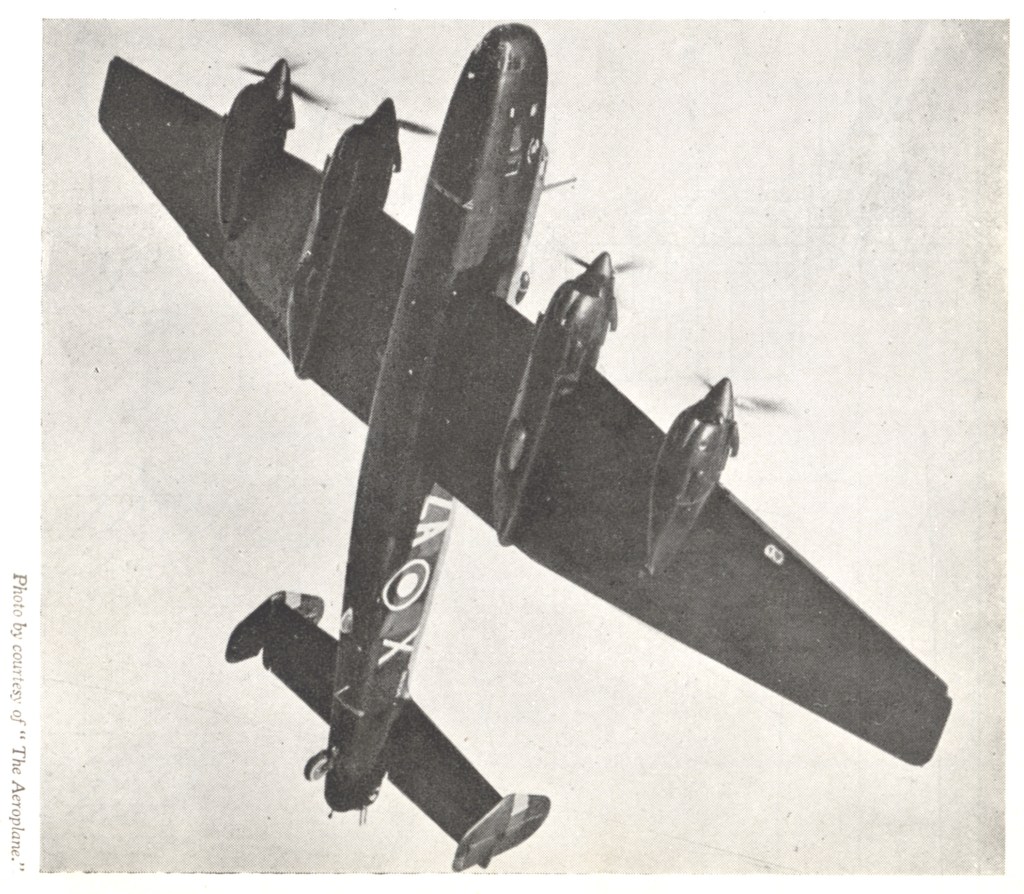
Bell writes about how the aircraft cut low through the night sky, just above enemy territory, the men inside bathed in bloodred light, the metal of their gear rattling around them in the freezing wind.
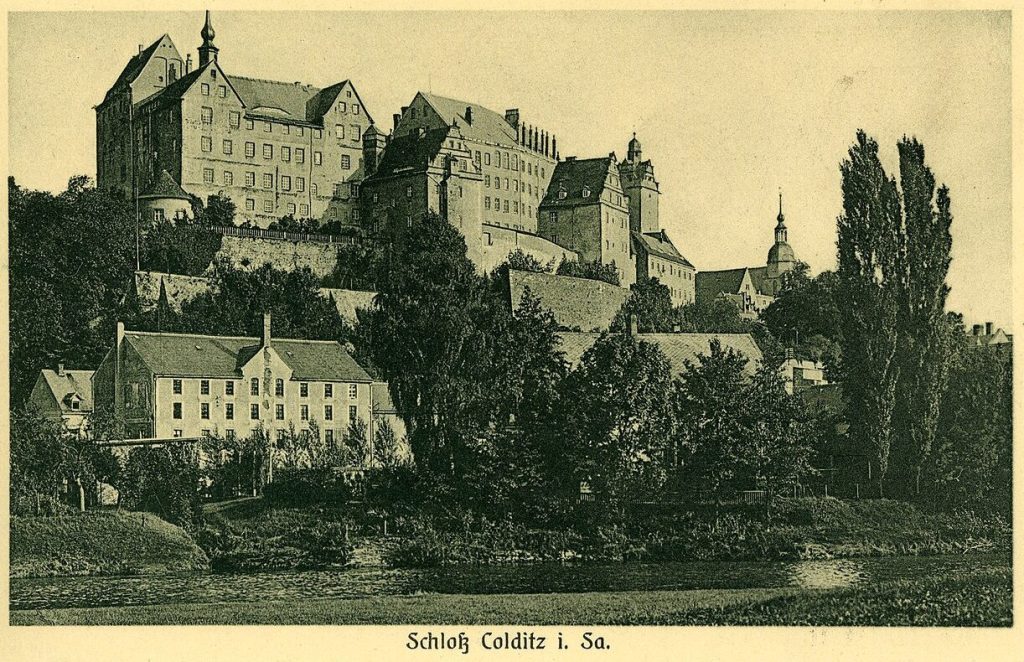
Throughout, he manages to put us up close to the action, from the moment their boots hit the ground in March of 1944 to their liberation from Germany’s Colditz Castle in the spring of 1945.
It seems we are living in a golden age of narrative nonfiction about World War II. Books such as Erik Larson’s “The Splendid and the Vile,” Sonia Purnell’s “A Woman of No Importance,” and Jack Fairweather’s “The Volunteer,” have given us riveting narratives on one of the modern era’s most defining periods of upheaval. “Operation Sparrow” is a fine addition to the genre.
That Guy Nunn spent his final days in Hawaiʻi is an intriguing coda to his life, though it is not, of course, central to his achievements.
That reminds me of something I’ve long been perplexed about: Books about the war rarely use Hawaiʻi as a setting.
For the better part of a century, Hawaiʻi has been a strategic bridge between the U.S. mainland and the western Pacific and a place where Washington projects power eastward. If you add Pearl Harbor and the hundreds of thousands of troops that staged through Oʻahu on the way to the Pacific Theater, you’d expect more feats of non-fiction storytelling about wartime Hawaiʻi than we’ve seen lately, even with ever-larger troves of archival material.

Ideas showcases stories, opinion and analysis about Hawaiʻi, from the state’s sharpest thinkers, to stretch our collective thinking about a problem or an issue. Email news@civilbeat.org to submit an idea or an essay.
As ever, there are exceptions. Christine Kuehn’s “Family of Spies” tells the fascinating story of an Axis spy ring that passed information about Pearl Harbor onto the Japanese. Kuehn’s own grandparents, it turns out, were deeply involved.
“Ghosts of Honolulu,” an account of Japanese espionage and American counterintelligence in the months before Pearl Harbor improbably co-authored by the NCIS star Mark Harmon, is another outlier.
It makes me wonder how many stories of consequence must be hidden in archives around our state and nation, waiting for rediscovery.
Eager UH graduate students, this is your cue.
In the meantime, if you enjoy nonfiction about World War II, consider getting a copy of “Operation Sparrow.”
And if you do so, pick it up at a local bookshop, such as Bookends in Kailua, da Shop in Honolulu, or Basically Books in Hilo. These bookstores are doing far more to preserve Hawaiʻi’s history than Amazon ever will.
 Sign up for our FREE morning newsletter and face each day more informed.
Local reporting when you need it most
Support timely, accurate, independent journalism.
Honolulu Civil Beat is a nonprofit organization, and your donation helps us produce local reporting that serves all of Hawaii.
ContributeAbout the Author