Hawaiʻi's LNG Boondoggle: Why Are So Many Staying Silent?
The governor’s plan to spend billions to switch from one imported fossil fuel to another is not climate leadership. It’s a step backward.
October 22, 2026 · 8 min read

About the Author

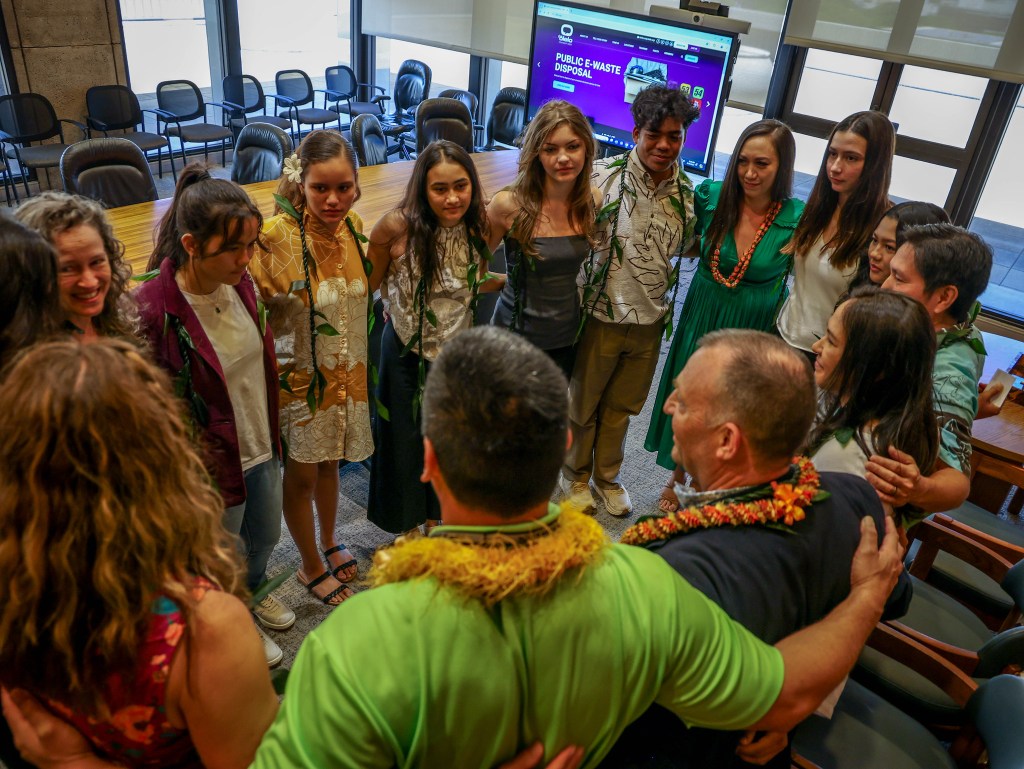
Recently, I watched my daughter graduate from Punahou’s Sustainability Fellowship Program. These young people spoke earnestly about the future they want to build and know they are inheriting. Their sense of purpose struck me. Their generation understands what is at stake.
We see that same moral clarity in the 13 young plaintiffs who sued their own government to demand a livable climate in Navahine v. Hawaiʻi Department of Transportation, and won a historic settlement committing Hawaiʻi’s transportation system to zero emissions.
Think about that. Our children had to sue us to protect their future.
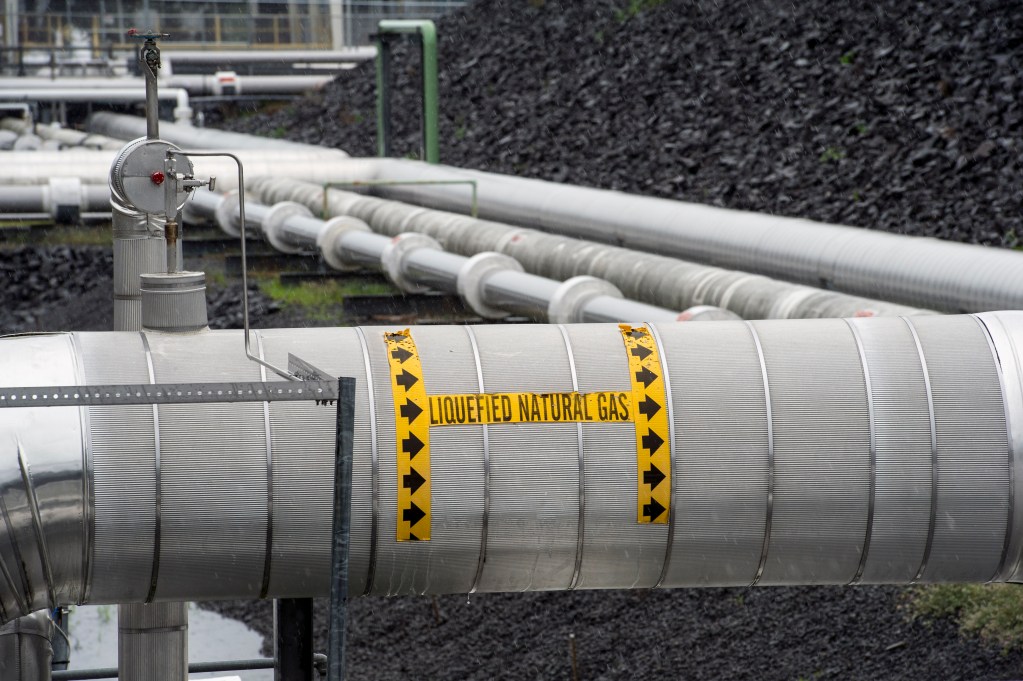
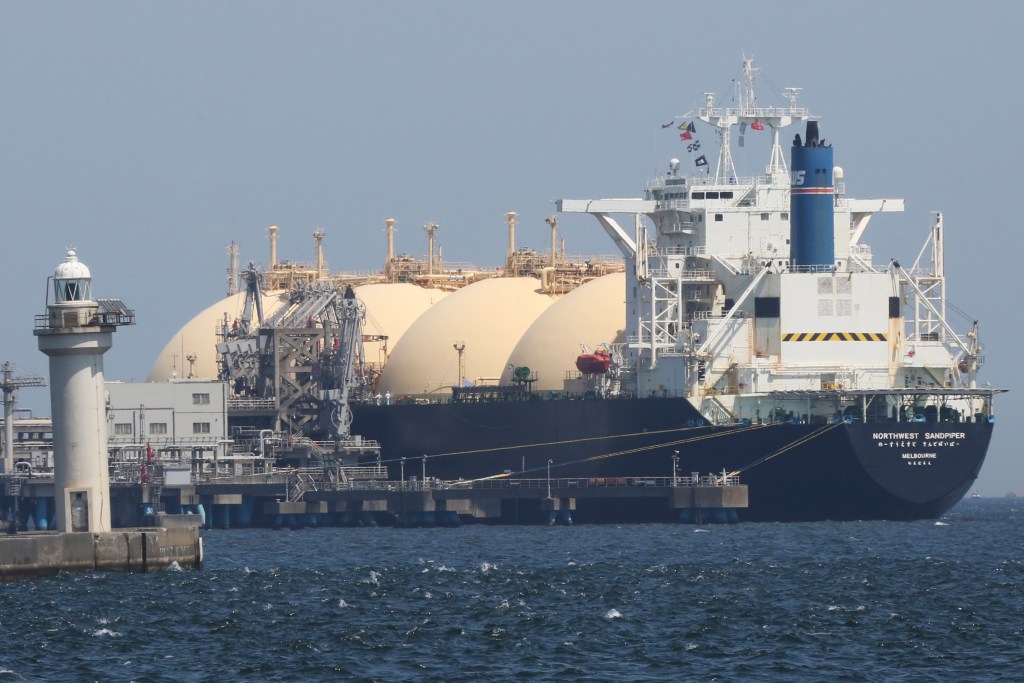
Now, barely two years later, the State of Hawaiʻi is entertaining a roughly $2 billion proposal from a Japanese conglomerate – JERA – for a massive fossil fuel gas power plant and import terminal at Kalaeloa, which would supply roughly one-third of ʻōu’s electricity. Gov. Josh Green’s administration has entered into a no-bid “strategic partnership” with JERA and publicly championed liquified natural gas as a “bridge” to Hawaiʻi’s renewable energy future.
The story they are selling is simple: cheaper fossil-fuel energy when the sun isn’t shining and the wind isn’t blowing. Sounds too good to be true? It is.
This is fossil-fuel infrastructure designed to operate for decades. It is a bridge to nowhere.
Spending billions to switch from one imported fossil fuel to another is not climate leadership. It’s a step backward when the world is embracing clean energy faster than ever: solar and wind were the largest source of new energy last year – not fossil fuel.

Ideas showcases stories, opinion and analysis about Hawaiʻi, from the state’s sharpest thinkers, to stretch our collective thinking about a problem or an issue. Email news@civilbeat.org to submit an idea or an essay.
The economic argument is increasingly questionable, too. An independent University of Hawaiʻi analysis found LNG may produce only modest savings — much of the benefit comes from replacing aging plants with more efficient generation, something we are already slated to do.
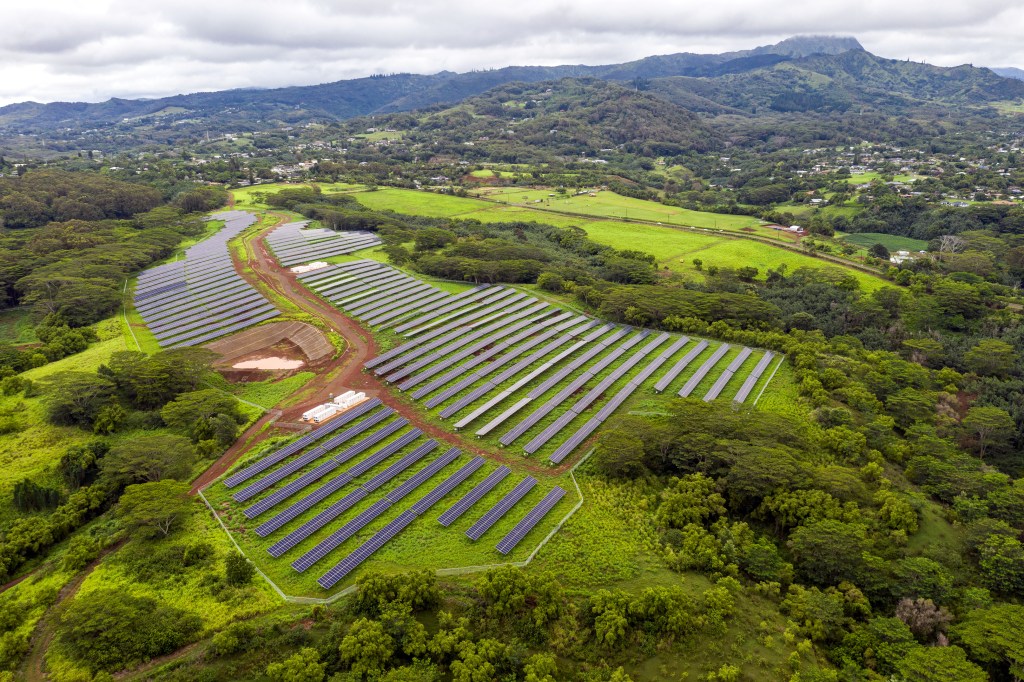
If we truly care about affordability and reliability, look to Kauaʻi. Most of its energy already comes from renewables, on track for 90% within years. Oʻahu residents pay about 27% more than Kauaʻi residents. Kauaʻi isn’t an exception – it’s a preview of our clean energy future.
Other Paths To Reliable Energy
And then there is the industry’s favorite justification: “firm power.”
It sounds technical. Authoritative. Hawaiʻi needs electricity 24 hours a day, whether or not the sun is shining or the wind is blowing. Of course we do.
But somewhere along the way, a legitimate engineering requirement has become an industry-backed argument for importing another fossil fuel. Because renewable generation is variable, we supposedly need new fossil-fuel infrastructure for reliability. And because we need reliability, LNG becomes inevitable.
That is a false choice.
Firm power is not synonymous with fossil fuels. Reliability is a characteristic of an entire electricity system, not a particular fuel. Batteries, diversified renewables, demand management and grid modernization can all keep the power flowing. Kauaʻi’s solar-plus-storage projects, Oʻahu’s Kapolei grid battery, home storage and electric vehicle batteries already demonstrate pieces of that future.
The question is not whether Hawaiʻi needs reliable electricity. It is why we let the fossil-fuel industry define reliability — and why we are making multi-decade decisions on assumptions about what renewable technology supposedly cannot accomplish a decade or two from now.
Long-term fuel-purchase commitments could lock us into fossil fuels just as better technologies become available. There is an enormous difference between planning responsibly for reliability and letting speculative energy gaps justify billions in fossil-fuel commitments today.
We should be designing an energy system that delivers reliable, affordable, locally controlled clean electricity — not asking which imported fossil fuel should dominate the next generation of our economy. We should be making no-regrets choices that preserve optionality while clean technology improves exponentially.
More Need To Speak Out
What astounds me is that this boondoggle — an expensive, long-term, no-bid contract benefiting a single company — is not setting off alarms.
Instead, I hear silence. I recognize that silence.
Earlier in my career, I spent years fighting pesticide corporations. I watched powerful industries convince governments and communities that their products were indispensable, wrapping corporate interests in the language of affordability, food security and necessity.
One of their greatest sources of power wasn’t the people loudly defending them. It was the people who knew better and stayed quiet — people worried about relationships, funding, access, careers.
Recently, an influential local financial leader told me privately the proposal is one of the “dumbest” things he has seen Hawaiʻi pursue on affordability and energy security grounds. He won’t say it publicly. It’s a small island, after all.
I suspect many conversations like this are happening across Hawaiʻi right now — in boardrooms, offices and private text chains.
Not everyone stays silent out of self-interest. Some are preserving political capital and relationships to advance renewable energy, affordable housing and other priorities. I understand that calculation. I just don’t think it is the right one.
Political capital exists to be spent. If we won’t spend it when Hawaiʻi weighs billions in fossil-fuel infrastructure that could shape our energy system for decades, what are we saving it for? This isn’t my expertise or the focus of my work — and yet this may be the most consequential investment of public dollars we will make.
Now is the time for Hawaiʻi’s business, political, philanthropic and civic leaders to speak clearly. Tell the JERA board. Tell our elected officials. Tell the Public Utilities Commission. Tell the Green administration: Hawaiʻi does not support another generation of imported fossil fuels.
And then let’s show our children what real progress looks like.
Solar On Every Rooftop With Batteries
Our officials should be clearing every barrier to keeping power on in people’s homes and making sure it is clean and affordable.
Until every home has rooftop solar and backup batteries for when the grid goes down, why prioritize another centralized power plant that can’t solve downed transmission lines or fossil-fuel price spikes from halfway around the world?
Imagine directing that political energy into making clean energy cheaper and easier to build. What if we radically streamlined renewable-energy permitting and attacked the ballooning “soft costs” — interconnection studies, regulatory hurdles, financing delays — that make solar and storage so expensive here? What if we approached the barriers to renewable energy with the urgency the Green administration applies to LNG?
And why stop with energy? We have made the things our communities desperately need — housing above all — extraordinarily difficult and expensive to build.
The choice is between doubling down on imported fossil fuels and removing every unnecessary obstacle between Hawaiʻi residents and the renewable transformation we have spent decades promising.
That would be climate leadership.
Kids Sued: What Will We Do?
Every billion dollars and every year of regulatory attention directed toward LNG is capacity not directed toward solar, storage, grid modernization and locally produced clean energy.
Infrastructure has gravity. Once we build it, financial and political forces emerge to keep it operating. Contracts create obligations. Capital demands returns. Today’s “bridge fuel” becomes tomorrow’s reason we cannot move faster.
Most importantly, this is not about JERA. It is about us, and the infrastructure we leave our children.
The young people I watched graduate should not have to spend the next 30 years dismantling infrastructure we knowingly built in 2026. The Navahine plaintiffs should not have to sue us again. They have marched, organized and gone to court. They have told us, with remarkable clarity, what future they are asking us to protect.
Now it is our turn.
Those of us with power, relationships, platforms and political capital have a responsibility to use them — not after the contracts are signed, not after the infrastructure is built, not when opposition becomes safe.
Shame on us if we leave it to our children to fight the battle we were too afraid to fight ourselves.
Editor’s note: Ashley Lukens is a consultant for Civil Beat.
 Sign up for our FREE morning newsletter and face each day more informed.
Community Voices aims to encourage broad discussion on many topics of community interest. It’s kind of a cross between Letters to the Editor and op-eds. This is your space to talk about important issues or interesting people who are making a difference in our world. Column lengths should be no more than 800 words and we need a photo of the author and a bio. We welcome video commentary and other multimedia formats. Send to news@civilbeat.org. The opinions and information expressed in Community Voices are solely those of the authors and not Civil Beat.
Read this next:

Local reporting when you need it most
Support timely, accurate, independent journalism.
Honolulu Civil Beat is a nonprofit organization, and your donation helps us produce local reporting that serves all of Hawaii.
ContributeAbout the Author