How To Encourage Hawaiʻi’s Young Talent Back Home
Returning students need more than housing and career support. They need identity support too.
October 30, 2026 · 5 min read

About the Author
As I approach mid-term projects and assessments, I realize I haven’t told my grandmother that I am a student at Harvard University. I can envision the conversation: us seated on the living room daybed, the cat watching the mail being delivered from the windowsill. My grandmother, whose world revolves around working in the garden, watching a Filipino drama, and securing things on sale at Longs, may not fully understand what Harvard University is or what it means to attend.
Rather than dwelling on this missing conversation, I think about my eventual return to this community that is 5,000 miles away. Hawaiʻi students who left are learning about the world in places we once could only imagine. If we want Hawaiʻi’s students to return after these transformative experiences, community leaders cannot focus solely on housing access and job opportunities. They must also consider how to reintegrate us into the communities we left behind.
Dialogue centered around Hawaiʻi’s ongoing exodus has largely left young perspectives out of the conversation. We yearn for global perspective, life in a major city, road trips, and opportunities unavailable at home, even at the cost of leaving behind the places and people integral to our becoming.

Ideas showcases stories, opinion and analysis about Hawaiʻi, from the state’s sharpest thinkers, to stretch our collective thinking about a problem or an issue. Email news@civilbeat.org to submit an idea or an essay.
Many students from Hawaiʻi hope to return one day, bringing with them new experiences, friendships, and aspirations to build lives of their own here. I certainly do. We often assume the transition back will be easy. It shouldn’t surprise us when it isn’t.
While we are away, life continues here. Traffic backs up on the H-1, Waiola’s serves shave ice and our local churches and organizations keep gathering.
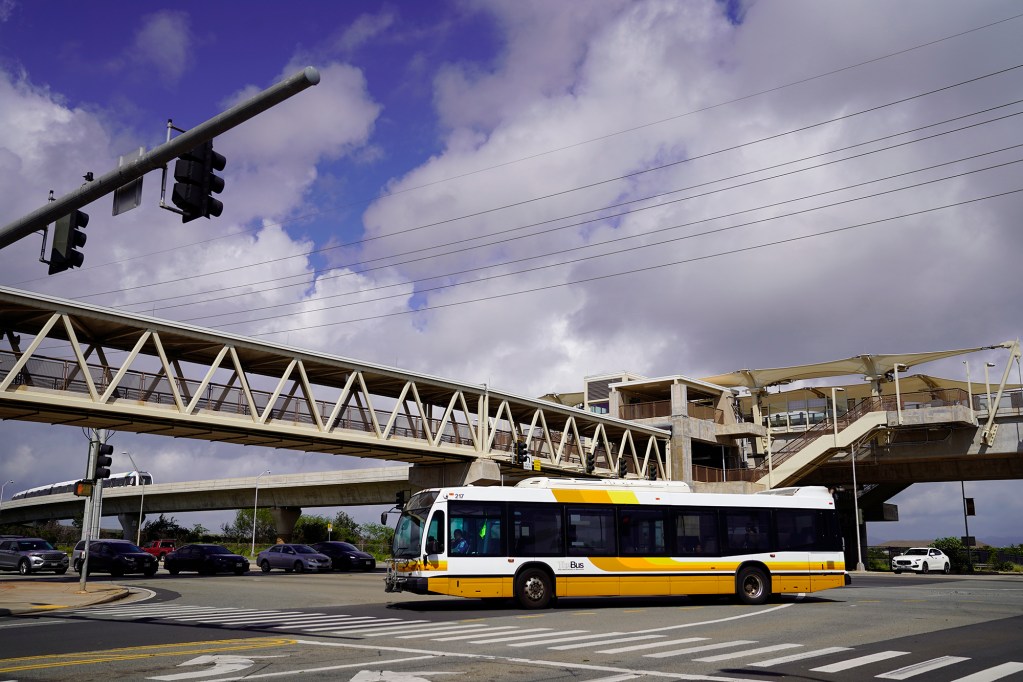
But significant changes occur too. Another local business ceases operations, another section of the rail is completed, and a loved one passes away. We watch fires, floods, and storms that impact the islands from our phones, reposting a Hawaiʻi News Now article out of solidarity. We may donate funds and call our loved ones, but ache to be present in these moments.
The missing piece isn’t simply that our relatives might not know every detail about our lives. It’s that we cannot continue to fully participate in community-building here. Our communities grieve, rebuild and cultivate collective action in the wake of loss, and we remain time zones away, sitting in classes or meetings that our relatives don’t need to understand to be proud of us.
What happens when Hawaiʻi’s young talent returns? We are no longer the same, and neither are the communities we left behind.
Hawaiʻi’s employers and institutions need to create meaningful work, research, and fellowship opportunities that encourage local talent to return and to stay. Invite us to the table to address Hawaiʻi’s most enduring challenges and equip us to lead our communities as we enter adulthood.
Addressing Hawaiʻi’s housing crisis is essential so that remaining away does not become the more viable option. Without meaningful opportunities to return, we risk becoming strangers to the very place we have spent years longing for.
But making it possible to return is not the same as making us feel at home again.
For those who remain in Hawaiʻi, celebrate our homecomings. Invite us to your potlucks and your kid’s ‘ukulele recital.
For the people who are still here, don’t let us process our return alone. If we need time to recalibrate, offer it with patience and grace. While we have much to share from our experiences away, we are still learning and growing too. We must be united, those who returned and those who remained, in preserving this sacred place that we call home.
Our closest friends may now be scattered across the globe, a loss we must learn to grieve. Just as leaving Hawaiʻi required sacrifices, returning means leaving behind the routines and relationships we built elsewhere. Homecoming is exciting and difficult too.
Making it possible to return is not the same as making us feel at home again.
For those of us still away, we have a responsibility to reach out to one another. I always do a double take when I encounter a sign of Hawaiʻi life here in Boston: a Mahina Made shirt on the subway or an event catered by Mānoa Poke in Somerville. (Boston-area friends, check them out!).
Reach out to Hawaiʻi students across your schools and cities, whether they are pursuing undergraduate or graduate degrees. Celebrate one another’s accomplishments, share your aspirations to return, and find ways to honor the place that raised you.
We carry Hawaiʻi with us wherever we go. But carrying Hawaiʻi with us is not the same as feeling hopeful about our place in its future.
If Hawaiʻi truly wants its young talent to return, we must do more than make it possible for them to come home. We must make sure that our rising generation feels that they belong.
 Sign up for our FREE morning newsletter and face each day more informed.
Community Voices aims to encourage broad discussion on many topics of community interest. It’s kind of a cross between Letters to the Editor and op-eds. This is your space to talk about important issues or interesting people who are making a difference in our world. Column lengths should be no more than 800 words and we need a photo of the author and a bio. We welcome video commentary and other multimedia formats. Send to news@civilbeat.org. The opinions and information expressed in Community Voices are solely those of the authors and not Civil Beat.

Local reporting when you need it most
Support timely, accurate, independent journalism.
Honolulu Civil Beat is a nonprofit organization, and your donation helps us produce local reporting that serves all of Hawaii.
ContributeAbout the Author