Making The Green Fee Work For Maui Communities
It can strengthen communities, support local livelihoods and ensure tourism gives something back to Hawaiʻi.
October 26, 2026 · 4 min read

About the Authors


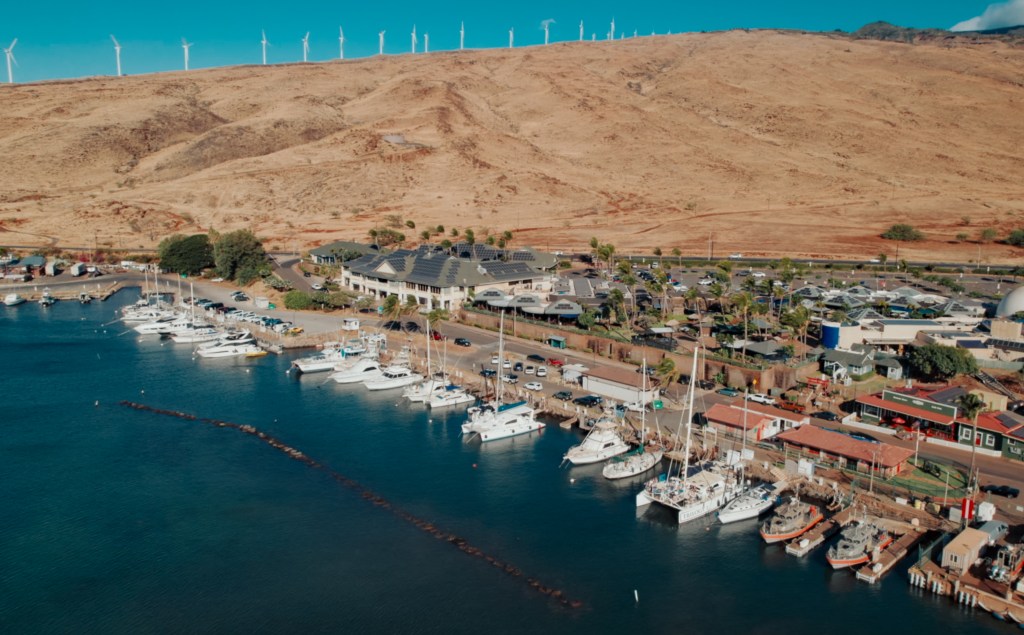
Before sunrise at Māʻalaea Small Boat Harbor, captains and crews prepare vessels, fishermen head out, researchers load equipment and local businesses begin another day tied to the ocean.
A harbor is not simply a place to launch a boat. It is a workplace, an economic hub and a connection to waters that have sustained our islands for generations.
At Pacific Whale Foundation, we know that firsthand.

Ideas showcases stories, opinion and analysis about Hawaiʻi, from the state’s sharpest thinkers, to stretch our collective thinking about a problem or an issue. Email news@civilbeat.org to submit an idea or an essay.
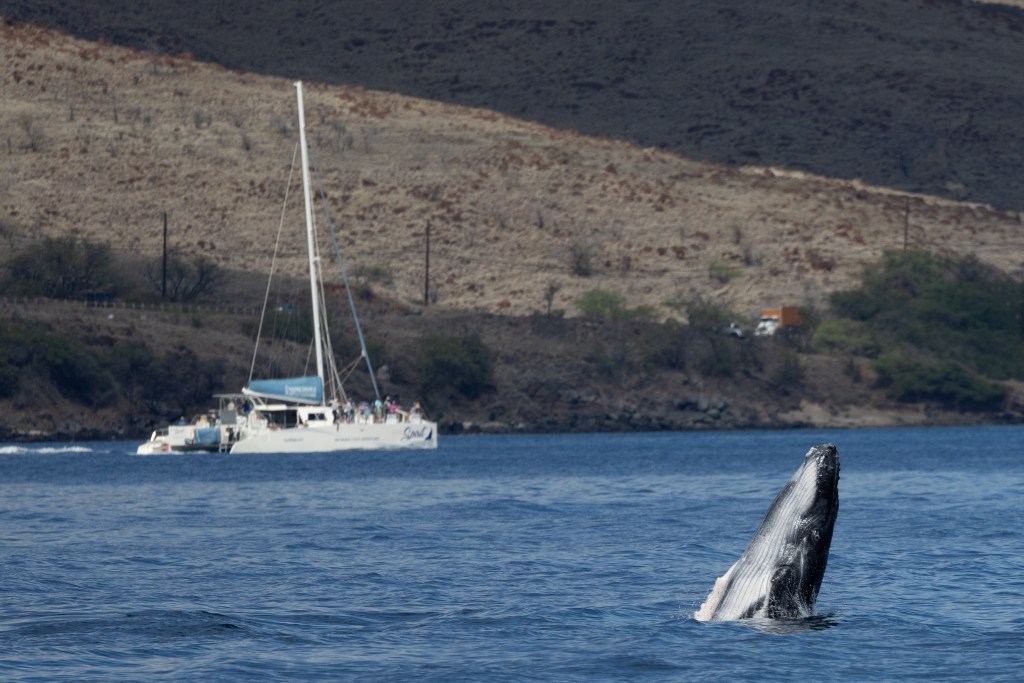
Since our founding in 1980, Māʻalaea and Lahaina Small Boat Harbors have been central to our mission. Our research, conservation and education programs operate from these harbors, as does PacWhale Eco-Adventures, our social enterprise that offers whale watches and ocean tours, connecting residents and visitors with Maui’s marine environment and inspiring them to protect it.
Today, Māʻalaea Harbor supports more than 100 of our employees, five eco-tour vessels and welcomes over 100,000 guests annually. Our research vessel, Kaiao, is moored there, allowing researchers to respond quickly to opportunities to collect data on false killer whales and other cetaceans.
Our education team takes thousands of students onto the ocean through school Keiki Whale Watches and Ocean Camps. Our conservation team departs from Māʻalaea to protect and preserve reefs, removing fishing line and lead weights, and responding to marine debris at sea.
That is why the state’s investment of $500,000 in “green fee” funding for Māʻalaea Small Boat Harbor, along with $500,000 for Lahaina Small Boat Harbor, is meaningful. These are not abstract environmental investments. They are investments in essential community infrastructure.
Harbor users have faced serious safety, security and maintenance challenges. Vessels have been burglarized, causing tens of thousands of dollars in losses and damage. Fishermen and crews have experienced harassment and threatening encounters. Better lighting and security are urgently needed.
Basic infrastructure also requires attention. Waste pump-out stations, electricity and water systems frequently need repair. Inadequate dredging limits access to the boat ramp, while aging pylons and fixed finger piers leave vessels vulnerable during extreme tides and ocean surges.
These conditions require Pacific Whale Foundation to spend resources protecting vessels, equipment and employees — resources that could otherwise support our mission. When equipment or people are at risk, work stops. That threatens research, conservation programs, funding and local jobs.
Harbor users have faced serious safety, security and maintenance challenges.
In Lahaina, the stakes are even deeper. Before the August 2023 wildfire, more than half of PacWhale Eco-Adventures’ business operated from Lahaina Harbor. Its closure led to significant layoffs, the end of some research projects and reductions in education programs. Rebuilding the harbor is part of restoring the infrastructure local people need to work, provide for their families and maintain their connection to place.
These investments demonstrate what Hawaiʻi’s green fee should accomplish. If visitors contribute toward sustaining Hawaiʻi, residents should see how that money benefits their communities.
PacWhale Eco-Adventures advances that regenerative model. After wages, fuel and vessel expenses are covered, tour revenue supports our nonprofit research, education and conservation work. Our vessels also help guests learn about Maui’s marine environment and become volunteers, donors and advocates for ocean stewardship.
The green fee’s success should not be measured only by the revenue collected. Residents should see tangible results: safer harbors, modern and climate-resilient infrastructure, protected local jobs, stronger marine research and healthier waters.
Conservation and community well-being go hand in hand. By investing in Māʻalaea and Lahaina harbors, the green fee can strengthen communities, support local livelihoods and ensure tourism gives something meaningful back to the places that make Hawaiʻi extraordinary.
That is how the green fee can make a difference people can actually see.
 Sign up for our FREE morning newsletter and face each day more informed.
Community Voices aims to encourage broad discussion on many topics of community interest. It’s kind of a cross between Letters to the Editor and op-eds. This is your space to talk about important issues or interesting people who are making a difference in our world. Column lengths should be no more than 800 words and we need a photo of the author and a bio. We welcome video commentary and other multimedia formats. Send to news@civilbeat.org. The opinions and information expressed in Community Voices are solely those of the authors and not Civil Beat.

Local reporting when you need it most
Support timely, accurate, independent journalism.
Honolulu Civil Beat is a nonprofit organization, and your donation helps us produce local reporting that serves all of Hawaii.
ContributeAbout the Authors