Beth Fukumoto: Hawaiʻi's Pat Saiki Broke All The Rules
The former congresswoman fought for women’s rights, reparations and a two-party Hawaiʻi, often in opposition to her own GOP colleagues.
October 18, 2026 · 7 min read

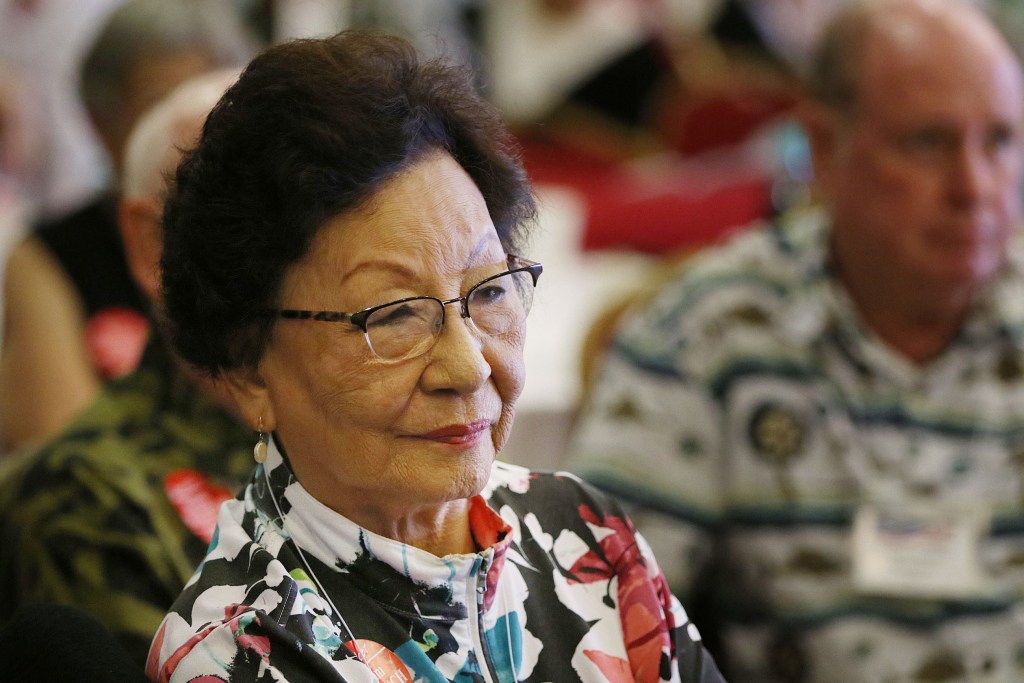
About the Author

It’s always been tempting for me to believe that the Republicans who left the party over Donald Trump were the brave ones. Former Congresswoman Patricia “Pat” Saiki complicated that.
Saiki, who died Sept. 30 at 96, spent most of her life as a Republican in a state that rarely elects them, and she still won seats in the state House, the state Senate and Congress. We both spoke out against Donald Trump in 2016. Then she stayed in the Republican Party, and I left. Which of us got it right probably depends on your perspective. Mine has gone back and forth. My respect for her never has.
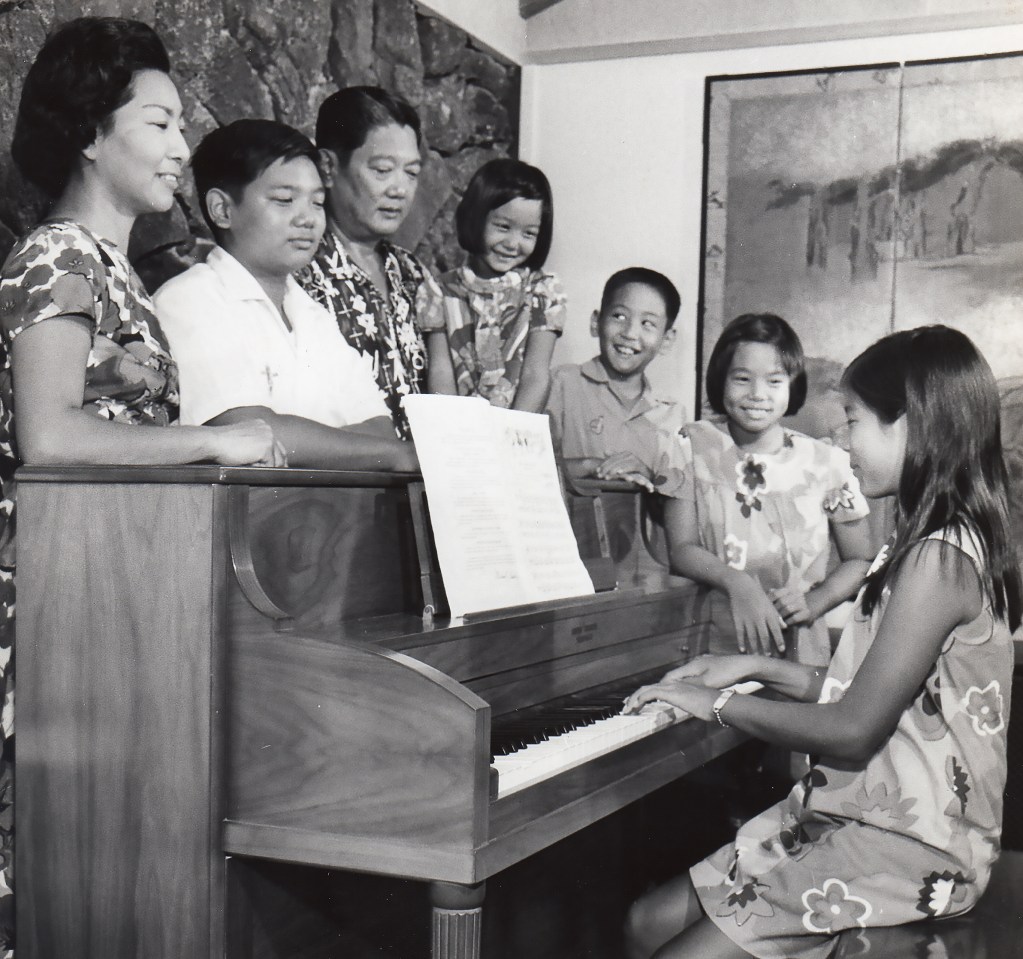
Saiki was a Hilo girl, like my grandma. Her father, a tennis coach at Hilo High, told his three daughters they could be anything they wanted, even though the culture they grew up in said otherwise. Recounting it for PBS Hawaiʻi in 2008, she said girls weren’t supposed to speak up too loudly and had to sit on the ocean side of the table, below the men. “And I broke all those rules,” she said. Asked what happened to her when she broke them, she said, “Nothing. Because my daddy backed me up,” and laughed.
Because women like her were willing to defy those expectations, I grew up seeing Japanese-American women, Saiki and the late Congresswoman Patsy Mink among them, hold office. It never occurred to me that someone who looked like me couldn’t run for office or stand at a podium. In a culture that taught me to blend in, they showed me that some things were worth standing up for.
And stand up she did. Throughout her career, Saiki took on fights that weren’t popular, often with her own party.
The story I remember best is about Saiki’s quiet courage during a time when abortion was illegal in Hawaiʻi. When women called the Saikis’ home in the middle of the night, bleeding from botched illegal procedures, Saiki didn’t hesitate to help. She accompanied her husband, Dr. Stanley Saiki, an OB-GYN, to his Kaimukī clinic and held a lamp so he could work without turning on the office lights and drawing the police.

In her first term in the state House, she backed the 1970 law that made Hawaiʻi the first state to decriminalize abortion, and she stood by it even after her party’s national platform came out against abortion. Nearly 50 years later, she told the House historian that she still had to accept “being called an abortionist or whatever,” but that it was “a relatively difficult personal decision which I still think is correct.”
In 1972, she led the push for Hawaiʻi’s Equal Rights Amendment. Then, with the Legislative Reference Bureau, she drafted 28 bills to fix state laws that treated women unfairly, from the credit cards and mortgages women couldn’t get in their own names to discriminatory pension rules. Lawmakers passed 25, but Democrats did so on bills that carried her language and then took credit for it. She didn’t fight them. She wanted the laws, not the credit.
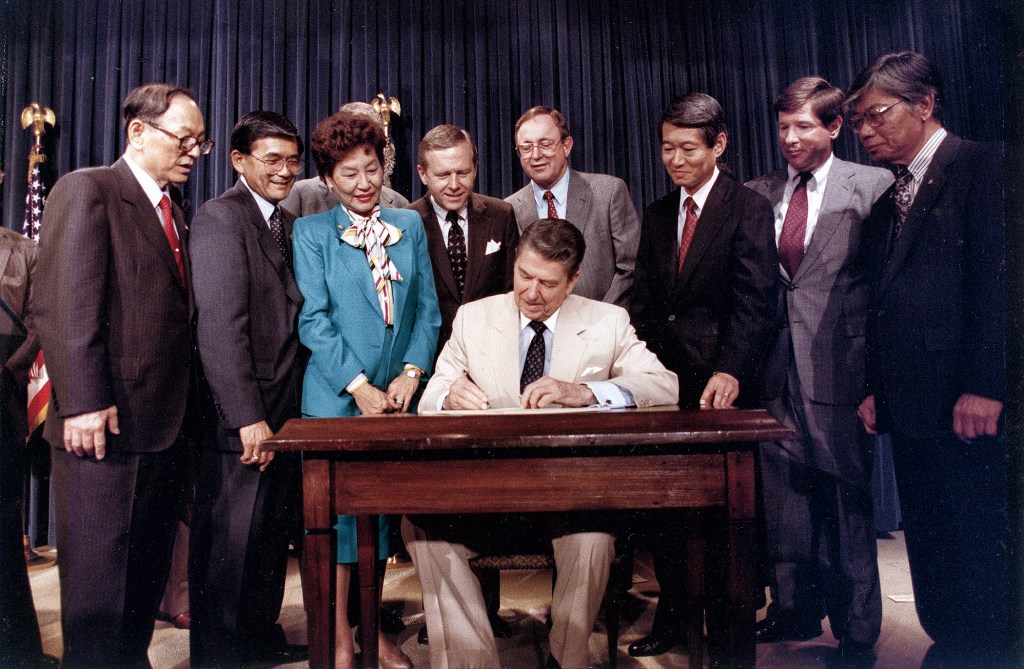
In 1986, she became the first Republican in Hawaiʻi sent to the U.S. House since statehood. As a freshman, she pressed fellow House Republicans to back reparations for Japanese Americans imprisoned during World War II, including her own uncle, aunt and cousins. She laid, by her own account, “the biggest guilt trip you ever had” on them until enough supported the bill.
When President Ronald Reagan hesitated over the bill’s formal apology, his staff asked her to talk to him. He signed it in 1988, and she was there when he did.
When President George H.W. Bush asked what he could do for her as she weighed a 1990 Senate run, she told him to stop bombing Kahoʻolawe. He did. She lost that race, but Bush put her in charge of the Small Business Administration. In 1994, she became the first woman a major party nominated for governor of Hawaiʻi.
Saiki’s work was one of the reasons I was drawn to the Republican Party in Hawaiʻi. As a young staffer, I’d watched a committee chair kill bill after bill without any explanation, and it made me hungry for opposition, for someone willing to stand up and say no, not like that. Saiki had been doing it for decades. She challenged Democrats and her own party, then found the votes to change laws.
Over the years, other moderates left for the Democrats. But Saiki stayed. She believed Hawaiʻi needed two real parties, and in 2014, the same year I became house minority leader, she came back to chair a party whose conservatives were openly worried about her views on social issues, abortion among them.
Then came Trump. In March 2016, Saiki told Hawaii News Now that he had made a mockery of the presidency. In the same story, I called his remarks racist. When an ʻEwa Beach district chair filed a complaint demanding that we both be punished for our statements, Saiki called it ridiculous.
Where we finally split was Trump himself. I couldn’t support him, but by July 2016, The Outline reported, Saiki had said she would have to.
Still, she didn’t stop looking out for me. After I spoke at the Women’s March in January 2017, some Republicans wanted me censured. Saiki defended me to the party’s leaders, and to me she wrote, “I’ll always have your back.” When my caucus removed me as minority leader, she wrote again that night, telling me not to let them chase me out of the party. Seven weeks later, I left anyway.
I never asked her why she stayed, and she never asked me why I left. In June 2017, 12 days after Democrats accepted me, we sat side by side on a panel at the East-West Center’s #galswithLEI forum. She had told me not to leave the GOP, and I was nervous she’d be upset with me as so many other people were.
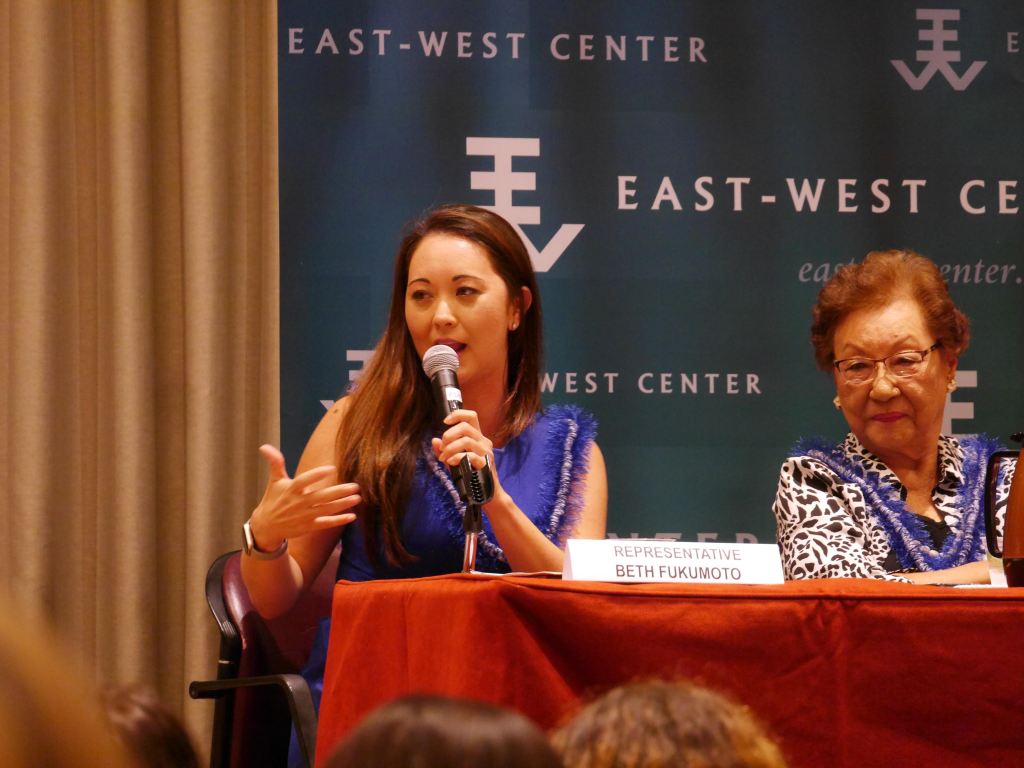
But when it was my turn, I talked about fighting for what you believe in, and Saiki smiled and nodded at me the way my grandma would have, a silent offering of approval that I desperately wanted.
Saiki kept working from the inside. A month before that panel, she had run for vice chair on new party chair Shirlene Ostrov’s winning slate. When former Congressman Charles Djou quit the party over Trump in 2018, she said she was sorry to see him go. That September, the party’s finance chairman resigned with a letter blaming her for the party’s toxic climate and saying she should have retired instead of meddling with the chair. Saiki, then 88, told The Garden Island she wasn’t going anywhere, because the state needed two parties.
I understood why she stayed. Part of me wanted to do the same thing: stay, be stubborn, and keep making trouble from the inside. Maybe I would have, had I been more of a Republican at heart. I wasn’t, and in 2024 I wrote that I should have left sooner. I still believe that. But some part of me envied her willingness to keep fighting long after it was clear the fight was lost. We need that kind of bravery now, but I don’t think we’ll see another like her for a while.
 Sign up for our FREE morning newsletter and face each day more informed.
Read this next:

Local reporting when you need it most
Support timely, accurate, independent journalism.
Honolulu Civil Beat is a nonprofit organization, and your donation helps us produce local reporting that serves all of Hawaii.
ContributeAbout the Author