What We Owe The Ocean
Papahānaumokuākea showed me what abundance can look like, and what we must do so the next generation can inherit a healthier ocean.
October 8, 2026 · 5 min read

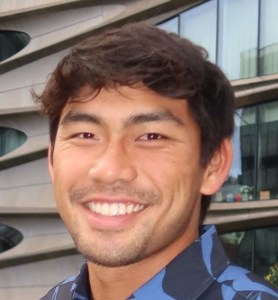
About the Author
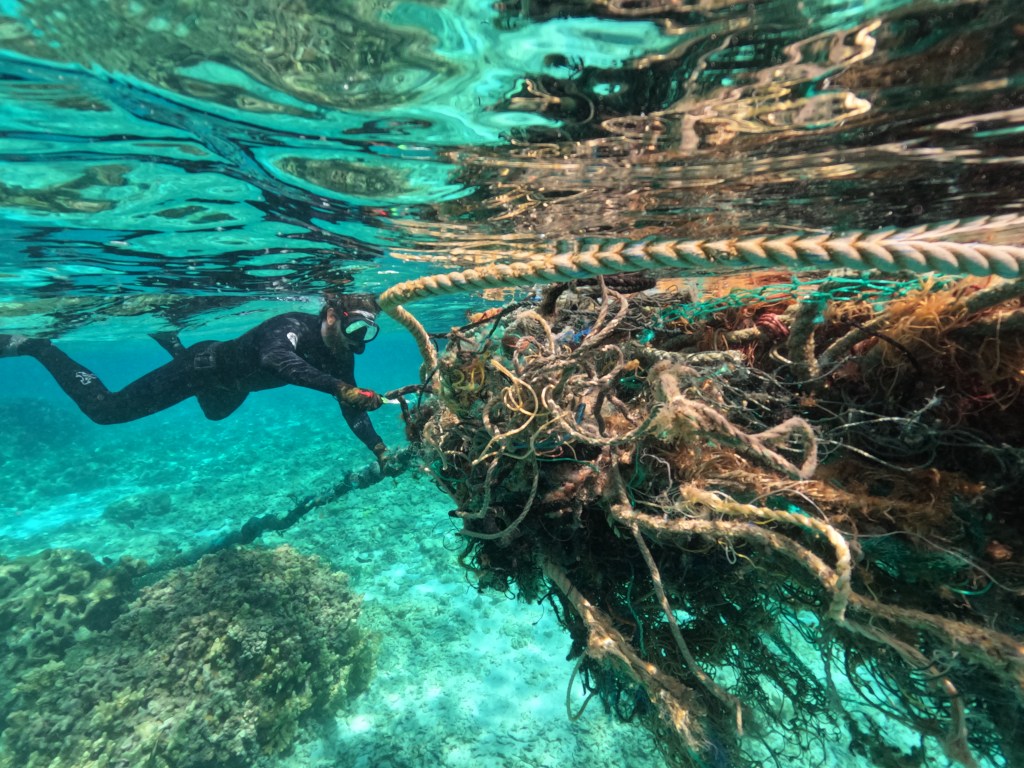
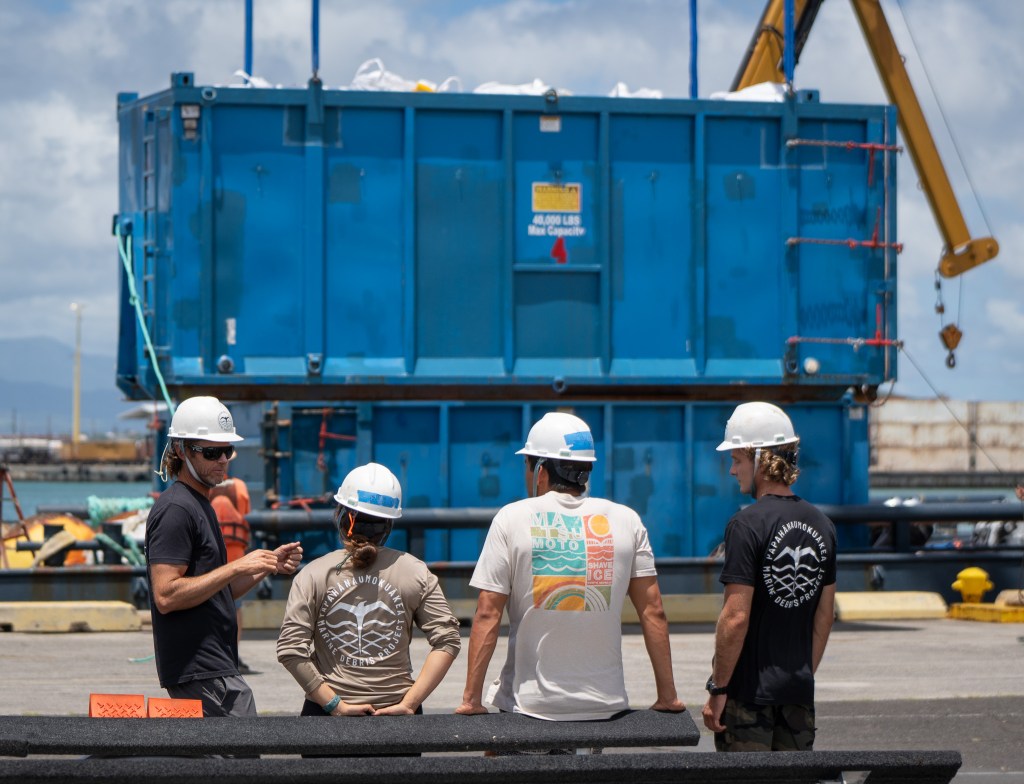
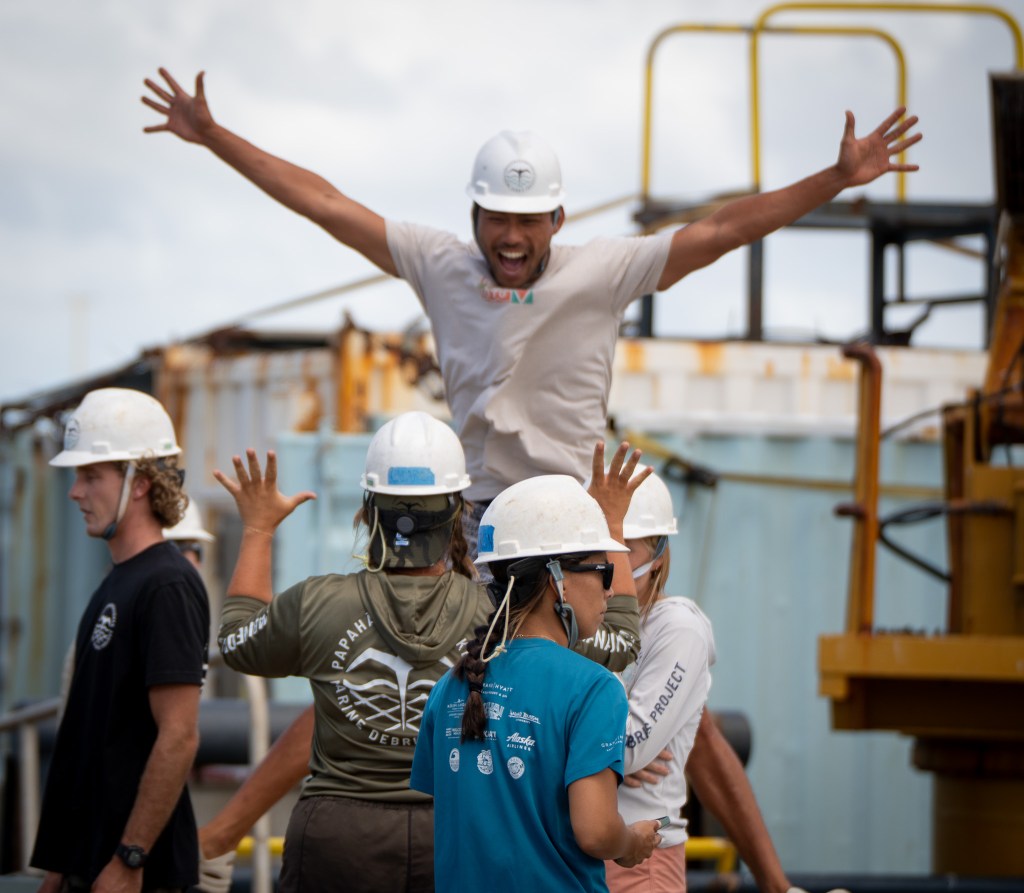
This past August, I joined the Papahānaumokuākea Marine Debris Project for its second marine debris mission of 2026. The experience gave me a rare opportunity to work in one of the most ecologically and culturally significant marine environments in the world.
It also made me think more deeply about a question that sits at the center of my work back home: What kind of ocean are we leaving for the next generation?
I currently serve as the Fisheries Management Area Coordinator for Mālama Maunalua, where my work focuses on the long-term health of Maunalua’s fisheries and marine resources. At its core, that work is about understanding the relationship between people and place — recognizing that fish is food, looking into how we use marine resources, how those resources are changing, and what responsibility we have to ensure they remain healthy into the future.
Papahānaumokuākea brought those questions into sharp focus.
For Kānaka ʻŌiwi, Papahānaumokuākea is more than a remote chain of islands and atolls. It is part of our genealogy, history and understanding of where we come from. Traveling north into this place carries a weight that is difficult to describe until you experience it.
There are moments when the scale of the ocean makes you feel small. There are others when the abundance of life makes clear just how productive marine ecosystems can be when they are given the conditions to thrive.
Then you encounter the debris.

Ideas showcases stories, opinion and analysis about Hawaiʻi, from the state’s sharpest thinkers, to stretch our collective thinking about a problem or an issue. Email news@civilbeat.org to submit an idea or an essay.
Our teams spent long days swimming reefs, walking shorelines and removing discarded nets, fishing line, plastics and other marine debris. Thousands of pounds were pulled from ecosystems that are otherwise among the most protected in the Pacific.
That contradiction was difficult to ignore.
Papahānaumokuākea is geographically remote, but it is not insulated from human activity. Ocean currents carry debris across enormous distances. Lost fishing gear continues moving long after it has stopped serving its intended purpose, becoming entangled on reefs and threatening fish, sea turtles, marine mammals and seabirds.
It is a reminder of a basic reality of marine management: boundaries on a map do not mean much to an ocean.
As a kanaka lawaiʻa, time on the water has shaped much of my relationship with the ocean. It teaches the power of kilo; observation and patience. A good lawaiʻa pays attention not only to what is being caught, but to the season, habitat, size and abundance of fish, and whether a resource appears healthy enough to harvest.
That relationship comes with responsibility.
Seeing abandoned fishing nets stretched across coral habitat reinforced something I have long believed: fishing and conservation should not be treated as opposing interests.
Healthy fishing communities depend on healthy fisheries. Healthy fisheries depend on functioning habitats, responsible harvest and people willing to think beyond what they can take today.
In that sense, the best lawaiʻa are also the best conservationists.
That principle is central to the work we do at Mālama Maunalua.
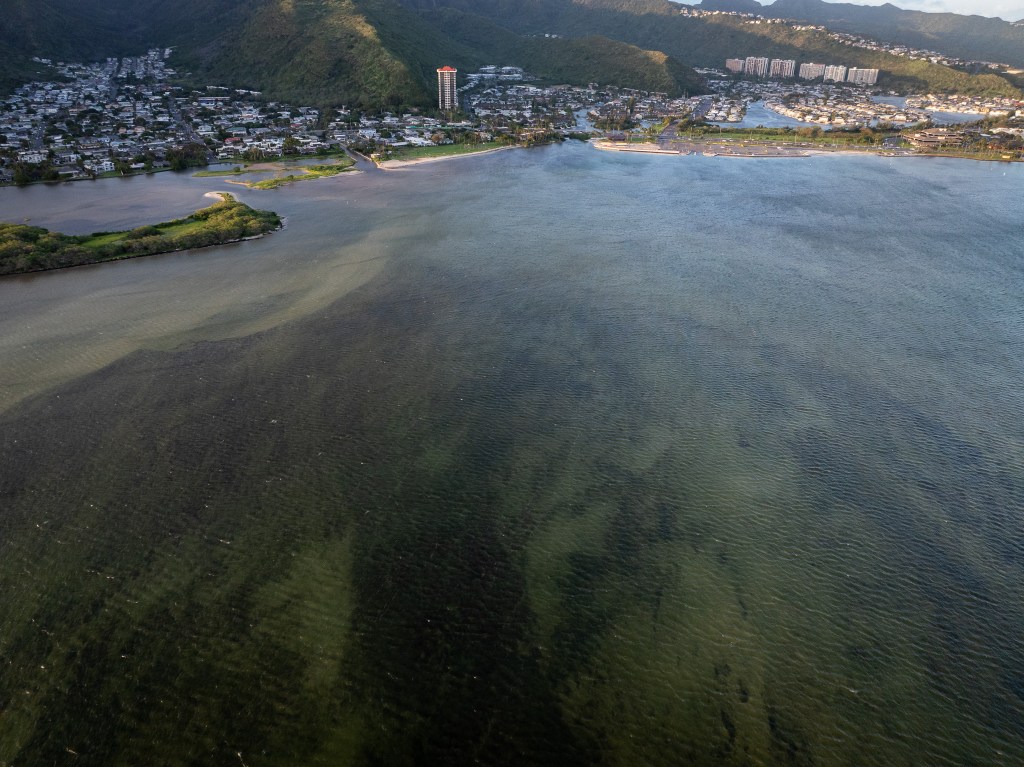
Maunalua is very different from Papahānaumokuākea. It sits alongside one of the most populated areas in Hawaiʻi and has experienced generations of human pressure and environmental change. Its fisheries exist alongside homes, roads, businesses, recreation and all the other demands placed on an urban coastal ecosystem.
But the underlying challenge is similar: How do we maintain a healthy relationship between people and the ocean?
Effective fisheries management requires many systems of knowing: Western science, traditional and local knowledge, community participation and a clear understanding of how conditions are changing. It requires looking beyond individual species and considering habitat, water quality and runoff, fishing practices and the many other threats that influence an ecosystem.
Most importantly, it requires people.
Rules alone cannot create stewardship. Lasting conservation happens when fishers, families and communities understand why a resource matters and see themselves as part of its future.
That is why our work in Maunalua is about more than managing fish. It is about strengthening the relationship between people and place and creating the conditions for healthier fisheries over time.
Papahānaumokuākea showed me what abundance can look like. From seeing massive ulua swimming across reefs and schools of weke numbering in the thousands, those encounters were incredible, but they were also instructive.
They offered a glimpse of what marine ecosystems are capable of when habitat is healthy and ecological processes remain intact.
Coming home, I found myself thinking less about how different Papahānaumokuākea is from Maunalua and more about what connects them.
We may never expect an urban bay to look like one of the most remote marine environments on Earth. But we can still ask what abundance should look like for Maunalua, what needs to change to get there, and what role each of us has in making that possible.
Our kuleana is not simply to give the next generation access to the ocean.
It is to leave them an ocean worth inheriting.
 Sign up for our FREE morning newsletter and face each day more informed.
Community Voices aims to encourage broad discussion on many topics of community interest. It’s kind of a cross between Letters to the Editor and op-eds. This is your space to talk about important issues or interesting people who are making a difference in our world. Column lengths should be no more than 800 words and we need a photo of the author and a bio. We welcome video commentary and other multimedia formats. Send to news@civilbeat.org. The opinions and information expressed in Community Voices are solely those of the authors and not Civil Beat.
Local reporting when you need it most
Support timely, accurate, independent journalism.
Honolulu Civil Beat is a nonprofit organization, and your donation helps us produce local reporting that serves all of Hawaii.
ContributeAbout the Author