Maui’s STR Phaseout Could Provide Real Economic Benefits
The removal of short-term rentals in West Maui from the Minatoya list is not just a policy change — it’s a chance to reclaim community and secure a sustainable future.
May 22, 2025 · 5 min read

About the Author

Maui County’s plan to phase out short-term rental use from the apartment zone is a critical step in reining in rampant real estate speculation and extractive tourism policies that have prioritized profits for outside interests over locals’ essential needs. This shift would provide a much-needed economic boost for residents facing an ever-increasing cost of living.

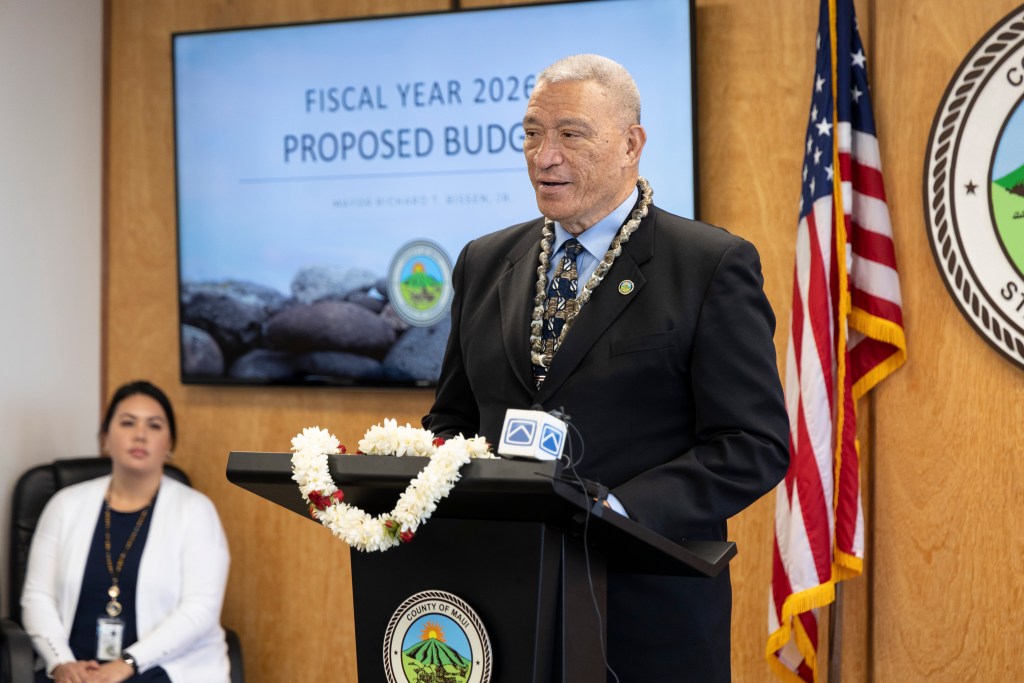
When Mayor Richard Bissen proposed repealing the law that had exempted over 7,000 short-term rentals, the response was predictable: off-island owners intending to continue using Maui’s high-demand real estate as passive income expressed outrage, while residents applauded the shift in priorities to support a new economic framework.
Across the U.S., cities like Seattle and Baltimore have adopted “equitable development” models that prioritize residents’ basic needs — housing, dignified work, education, health, economic security and environmental regeneration — rather than relying on speculative hopes that the benefits of wealth will indirectly “trickle down” to the local workforce.
STRs’ Tourism ‘Trickle Down’ Fail
As Rust Belt cities pivoted from manufacturing loss to hospitality, entertainment and retail, politicians offered subsidies to developers, promising that all boats would be lifted by the rising tide. But the jobs that trickled down lacked living wages, benefits and dignity. These developments raised property values and rents, further pricing people out.
In tourism-dependent regions, prioritizing short-term rentals consistently:
- reduces access to affordable housing for residents;
- inflates property values and rents, leading to displacement and homelessness; and
- places disproportionate tax burdens on residents compared to absentee property owners.
Economic Burden Shifts to Residents
As the director of human rights-based development at Partners for Dignity & Rights, I have worked with numerous communities to fulfill the United Nations 1986 Declaration on Development, which directs governments to make residents the prime participants and beneficiaries of development that meets their fundamental economic needs.
In Baltimore, community groups advanced human rights principles of universality, equity, participation, transparency and accountability. Foremost was that no single development goal shall be pursued to the detriment of other community goals. Development must not result in the displacement of persons or communities.
From this work, I have seen that widespread notions of economic impacts often cite broad-stroke consequences, leaving out the details about how dollars move through a community, and which residents are impacted in the short and long terms. They often also neglect to consider the existing context in a particular community and how current tax policies put a disproportionate burden on residents vis a vis absentee property owners.
Paying For STRs’ Hidden Costs
For example, county property taxes and transient accommodation taxes can be easily “passed on” to tourists and consumers, relieving STR owners of meeting their own tax obligations. Meanwhile, Maui residents shoulder property taxes, licenses/permits, fuel/franchise, public service fees and general excise taxes, likely bearing the majority of the costs for county infrastructure and services.
Equity and universality demand, at the least, equal tax burdens between residents and non-resident property owners. A tax incidence study would provide clarity to any studies of the impact of prohibiting STR use in apartment districts on jobs and local tax revenue.
Resident wealth also requires assessment and analysis. Are absentee property owners getting higher returns on investment than resident property owners? This is likely, considering the appreciation in property values since the Minatoya list was established.
Prohibition of STRs in apartment districts may compel some to sell, but it’s likely that their return on investment will exponentially exceed the 8% to 15% that normal real estate investment yields.
STRs also generate an annual profit stream for their owners that owner-occupied homes don’t. A family home purchased 20 years ago may have tripled in “value,” but it does not generate recurrent dividends, rather it simply provides a family shelter and security.
Sustainable Economic Benefits
A Maui economy that serves Maui residents provides real and sustainable economic benefits. STRs that serve as homes for residents will result in Maui’s people staying on Maui. Maui’s population has dropped by 1,000 residents since the fires, which has resulted in a loss of $53 million in collections from the general excise tax, economic activity and income tax.
When Maui’s people are able to live and work in the county, they pay state income taxes that tourists and non-residents do not. Those taxes underwrite state expenditures that meet fundamental human needs, create local jobs and improve quality of life.
Residents, not snowbirds or tourists, are Maui teachers, doctors, nurses, addiction counselors, domestic violence caseworkers, fire and police. With 700 current job openings in Maui County government, supporting residents’ ability to live and work locally is essential to maintaining these vital services.
Ultimately, the question for Maui is who controls its economic future: residents or outside investors?
Supporting the conversion of short-term rentals into long-term homes is a bold and vital step toward an economy that ensures that the island’s wealth and opportunities will benefit those who live and work on Maui for generations.
 Sign up for our FREE morning newsletter and face each day more informed.
Community Voices aims to encourage broad discussion on many topics of community interest. It’s kind of a cross between Letters to the Editor and op-eds. This is your space to talk about important issues or interesting people who are making a difference in our world. Column lengths should be no more than 800 words and we need a photo of the author and a bio. We welcome video commentary and other multimedia formats. Send to news@civilbeat.org. The opinions and information expressed in Community Voices are solely those of the authors and not Civil Beat.

Local reporting when you need it most
Support timely, accurate, independent journalism.
Honolulu Civil Beat is a nonprofit organization, and your donation helps us produce local reporting that serves all of Hawaii.
ContributeAbout the Author