Beth Fukumoto: Fund That Rakes In Millions Has Been Mismanaged For 20 Years
Yet another state audit takes the Department of Health to task over its deposit beverage program. It’s time for the Legislature to step in.
June 22, 2025 · 7 min read

About the Author

Hawaiʻi’s Deposit Beverage Container Fund holds an impressive balance of more than $77 million.
Equally impressive, but in a bad way, is that the department overseeing the fund and the program that produces it has failed for 20 years to properly account for all that money, according to state audits.
Last month the State Auditor’s office released its 10th audit of the Deposit Beverage Container Program. As with previous biennial audits dating back to 2005, the conclusions were blunt: After two decades, the Department of Health still hasn’t put basic internal controls in place.
“We’ve done I don’t know how many of these audits, and every year it’s the same finding,” said State Auditor Les Kondo. “There’s really no program. It’s really completely self-reported by both the distributor as well as the redemption center.”

The program fund is shielded from the level of scrutiny applied to general fund dollars. And this year’s audit listed decades of failures to act on recommendations to protect the fund from fraud and incorrect payments.
In addition, it appears the Department of Health failed to submit its annual non-general funds report to the Legislature as required by law since 1995. The report isn’t listed with other department’s special fund reports on the Legislature’s website, and the department’s 2025 report page is blank. As of Friday, the department had not responded to my inquiry about the report.
This Money May Be Needed Elsewhere
This isn’t just about missed paperwork. It’s about the broader risks when public programs operate without strong oversight and when billions of dollars sit in special funds that too often escape meaningful accountability.
In financially difficult years — and this could certainly turn out to be one — the Legislature may need to draw from special funds to keep the general fund stable. But if lawmakers don’t know what’s in those accounts or how the money is being used, they can’t make smart decisions.
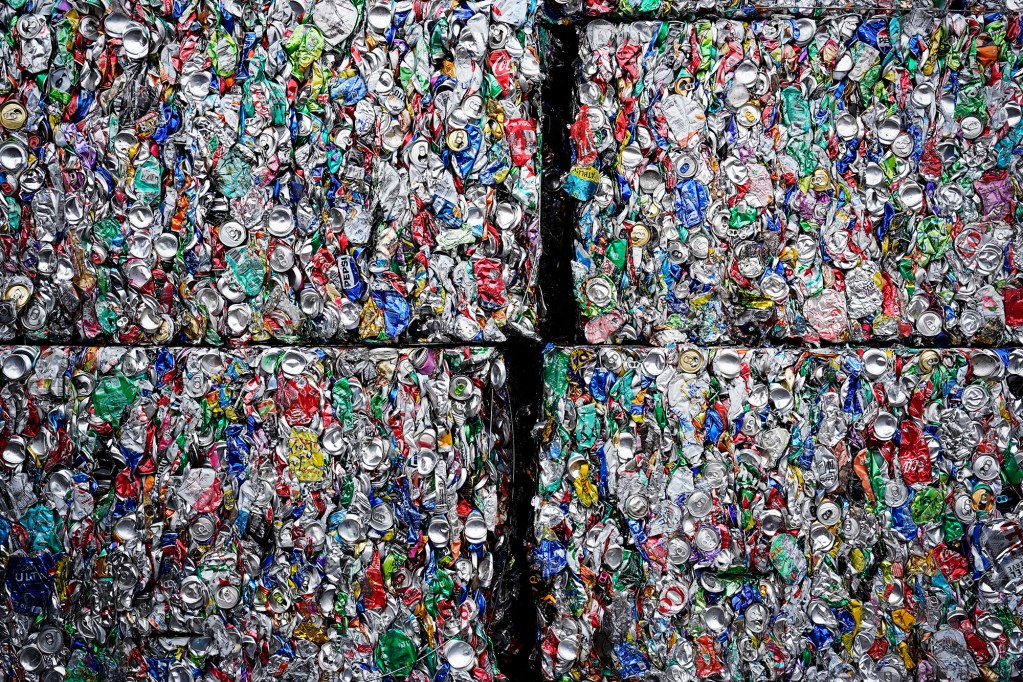
Since January 2005, the program has recycled more than 10 billion bottles and cans. When it was created in 2002, the goal was clear: increase recycling and reduce litter. Within just six months of operation, redemption rates jumped from 20% to 70% as Hawaiʻi joined a small group of states with serious container recycling programs.

Under the program, distributors pay 5 cents into the Deposit Beverage Container Fund for each qualifying container sold. Consumers pay those deposits when they buy beverages and can redeem them later by returning empties to a certified redemption center.
The centers reimburse consumers and are then reimbursed by the Department of Health from the fund. Distributors also pay an additional 1-cent fee for each container sold, which is intended to cover the cost of program administration.
In fiscal year 2024, the fund gained nearly $21 million in revenue from unredeemed deposits. Additionally, the program received $10 million in fees to support its operations and $2 million from investments. That same year, the Department of Health spent just over $2 million on program operations and paid out $21 million in handling and redemption fees.
A program designed to sustain itself on small fees and deposits is both accumulating a surplus and spending heavily, relying on consumers who don’t redeem their deposits to keep the fund balances high.
DOH Says Progress Being Made
The dangers of a lack of oversight cited by audits aren’t just theoretical. In 2015, auditors reported that Whole Foods underpaid the program for more than six years, paying 6 cents per case instead of per container. The department never collected the full amount owed, settling with Whole Foods for less than half.
In 2018 auditors found two instances in which a redemption center claimed a reimbursement for significantly more than it paid consumers. The DOH paid the inflated amount and took no action — even after the apparent fraud was documented.
“This (fund) is one that we’ve reported repeatedly is ripe for fraud. And we actually found fraud, which should raise the level of risk and concern,” Kondo said.
In 2022, the Legislature responded by passing a law requiring DOH to implement a risk-based auditing system, complete with enforcement and data verification. However, according to the latest audit, DOH still has made no progress even on requirements now written into law.
The Department of Health disagrees, contending improvements are in the works.
“The department is committed to improving the program,” said Lene Ichinotsubo, DOH’s solid waste section supervisor. “The (auditor’s) report does not reflect the work in progress to enhance accountability, improve oversight, and ensure the program operates in accordance with state law.”
“The department doesn’t seem overly worried about it because the fund balance is so large, and it continues to grow.”
State Auditor Les Kondo
Ichinotsubo pointed to recent approval of contract services to increase the program’s own auditing capacity, a new requirement that distributors must submit internal process control documents beginning in September, and an electronic reporting system that is in testing.
While some progress has been made since the audit period in 2024, much of it remains in the development stage. Kondo is not impressed, saying, “Draft policies, that’s not implementation to me.”
“The big deal is the department doesn’t seem overly worried about it because the fund balance is so large, and it continues to grow,” Kondo said. “So it’s not like all of a sudden the program is, you know, running on empty. I think that’s the reason why perhaps things have not been addressed is because the money is there to pay for the program activities.”
To be fair, DOH isn’t blind to the broader financial picture.
“We understand that concern because we have programs in our branch that are facing cuts with the proposed fiscal year 2026 federal budget,” Ichinotsubo said.
In fiscal year 2025, the department received nearly $1 billion in federal funds, including $27 million for environmental protection.
Ichinotsubo said many of the auditor’s recommendations would require “significant funding” that could affect the program’s solvency.

Lower Level Of Scrutiny
Special funds like this one account for roughly 22% of Hawaiʻi’s fiscal year 2026 operating budget — more than $4 billion.
These funds often operate with less legislative scrutiny than the general fund, and the Department of Health alone manages more than 45 special funds. In fiscal year 2025, it used more than $800 million in special funds for various programs.
For this fund, it may be time to consider a statutory change that would allow unredeemed deposits to escheat to the general fund to be used for other environmental priorities within DOH. This year’s green fee legislation set a new precedent for this style of budgeting. And other states with similar deposit programs already do this.
The deposit beverage container program serves a real purpose. As a recycling initiative, it has been a success.
Nationwide, most states with deposit programs use a portion of unclaimed deposits for other environmental initiatives, like recycling infrastructure, waste reduction or cleanup. Hawaii could amend the fund to do the same or redirect some of the money when necessary without undermining the program’s core goal. After all, the program is designed to be self-sustaining even if every container is redeemed.
The deposit beverage container program serves a real purpose. As a recycling initiative, it has been a success. Redemption rates peaked in 2009 at nearly 80%. While participation has declined steadily since then, Hawaii’s recycling rate remains much higher than it was prior to the program’s creation.
But without oversight, accountability and follow-through, it doesn’t do as much good as it could.
The department has had more than 20 years to get this right. At some point, the Legislature has to step in and make sure it finally does.
Correction: DOH solid waste section manager Lene Ichinotsubo was incorrectly identified in an earlier version of this story.
 Sign up for our FREE morning newsletter and face each day more informed.
Local reporting when you need it most
Support timely, accurate, independent journalism.
Honolulu Civil Beat is a nonprofit organization, and your donation helps us produce local reporting that serves all of Hawaii.
ContributeAbout the Author