Police Reform: How To Fix A Watchdog That Will Barely Bark, Let Alone Bite
The Honolulu Police Commission has been long-criticized and often targeted for significant reform. Several proposals are in the works for voters to consider next election.
June 1, 2025 · 29 min read

About the Author
Two weeks ago, the Oakland police chief stood before the city’s police commission and asked for approval to change his department’s hot pursuit policy.
For 10 years, Oakland cops had been required to break off from high-speed chases once they or the suspect hit 50 mph unless they got a supervisor’s permission to continue. But with dozens of residents there to support him, Chief Floyd Mitchell stood at a podium in the spacious City Council chambers where the commission regularly meets and argued that the rule needed to be lifted for violent felonies like murder, rape, robbery and kidnapping.
The no-chase policy had been enacted after citizens and officers were injured during pursuits. But a new detailed report prepared for the commission by the chief showed crime was on the rise while “non-response” incidents had more than doubled in the previous couple of years, according to local news reports. Mitichell’s supporters wanted him to go even further, reinstating pursuits for some property crimes as well as thefts like “smash and grabs” and even some traffic situations.

The nine-member commission now has four months to come up with its own recommendations, which will be sent to the City Council. The commission can either accept the chief’s recommendations, keep the current policy in place or propose its own changes, according to The Oaklandside, a Bay Area news outlet.
In the end, the police chief can still change the policy if he wants to. He doesn’t really need the police commission’s OK, or the council’s. But a relatively new civilian oversight process grounded in a combination of legal mandates, oversight mechanisms and public accountability measures has encouraged more cooperation and less tension between citizens and the police, a model that policing experts say has promise for other cities.
Oakland’s police oversight system was put in place in 2016 by voters, who amended the city charter to replace their old citizens review board with a new police commission and investigative agency. In 2020, they created an inspector general’s office that reports to the police commission.
Honolulu voters will soon have a chance to improve oversight of the Honolulu Police Department through their own charter commission process, a wide-ranging opportunity to update and change how local government works that only comes along every 10 years.
The 13-member charter commission is expected to spend the next year firming up proposals to put before voters in November 2026. Already, a number of ideas are being drafted, including one by Mayor Rick Blangiardi’s administration that, like Oakland, would give the mayor the power to hire the police chief.
Ten years ago, Honolulu voters were presented with only one ballot proposition dealing with police oversight. An overwhelming 78% approved the change that gave the commission more leeway to suspend or fire the police chief and to bolster its investigative powers.
Since then, the Honolulu Police Department has been rocked by serious corruption that saw the former chief, Louis Kealoha, and several of his officers as well as his deputy prosecutor wife convicted of conspiring to frame a man for a federal crime. Yet the police commission gave Kealoha a $250,000 bonus for retiring, despite the fact that he was under federal indictment.
His successor, Susan Ballard, quit after three years in the job. And then it took the police commission well more than a year to find another chief.
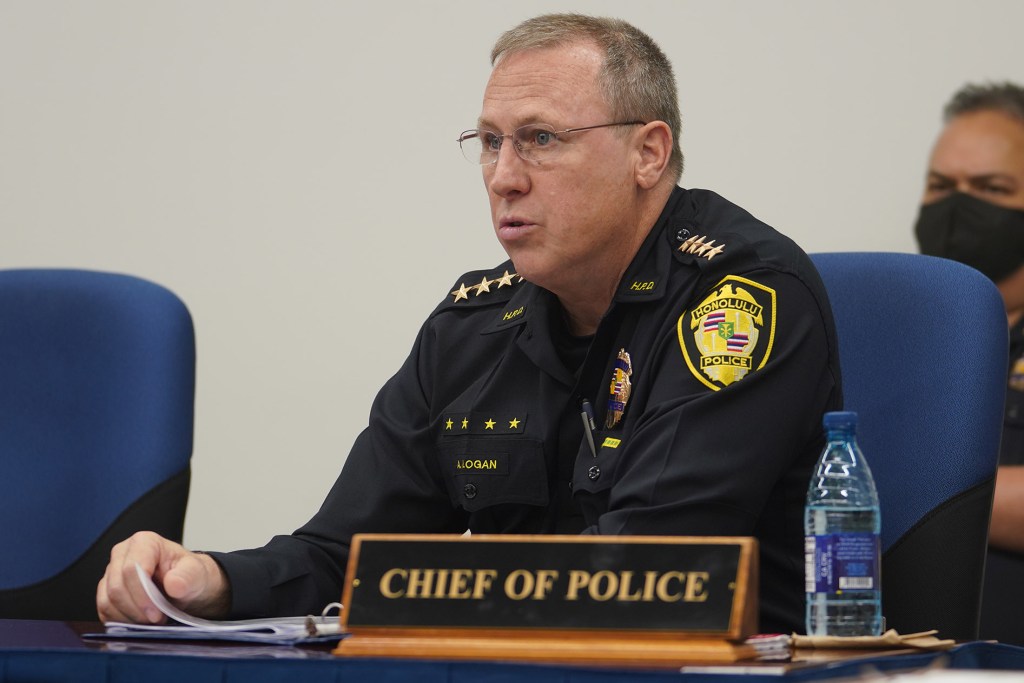
That chief, Joe Logan, is under fire from the mayor, police reform advocates and citizens groups as a new lawlessness seems to have taken hold in Honolulu in the last few years. Gun violence is increasing, particularly on the Westside. Social media videos frequently show brazen thieves breaking into businesses or running from stores with armloads of merchandise.
Blangiardi has made no secret of his frustration with Logan and the chief’s seemingly lackadaisical response to public safety issues. The mayor doesn’t like being blamed for something he has no ability to change — in this case how the police department operates — and would like to bring the chief under his direct control. That’s an idea others also think could work — as long as the City Council appoints the police commission members.
The Honolulu Police Commission is in the crosshairs for good reason. A recent city audit concluded it is “inconsistent and ineffective” in providing oversight of the police department. The auditor laid out in detail the commission’s shortcomings — including that the police chief often ignores its suggestions and members don’t even protest let alone take him to task at commission meetings. Advocates are hoping to turn those problems into proposals for voters to resolve.
That the police commission isn’t seen as a real force in public safety was obvious last week when news stories broke that Honolulu police officers had arrested more than 100 motorists in the past two years for drunken driving even though they were sober. Breathalyzers and field sobriety tests showed no evidence of alcohol yet they were arrested anyway.
Why? A lawsuit announced Thursday by the ACLU of Hawaiʻi says the police department offered incentives to cops to make the drunken driving arrests, including letting them go home early and still be paid for a full shift after conducting just one DUI arrest at a sobriety checkpoint. Most of the arrests resulted in no charges filed.

People are outraged, and dozens expressed their anger and frustration with the police department in comments on Civil Beat’s story. Yet while several blamed the mayor for letting this happen or called for the FBI to step in, no one even mentioned the police commission until community activist Natalie Iwasa reminded everyone there’s a commission meeting Wednesday and they should submit testimony about this.
Civil Beat spent the past few weeks reviewing civilian oversight boards nationwide and talking to experts, both nationally and locally, about best practices and lessons for Honolulu in anticipation of the charter commission taking up the issue.
Several things are apparent. At a minimum:
• The Honolulu Police Commission needs clear authority to carry out its primary mandates to oversee the police chief, investigate misconduct complaints and review and make recommendations on the department’s budget, its strategic plan, police policy and practices.
• It needs to be made independent from the police department, which for decades has had administrative control over the commission’s budget and provides its meeting space in a conference room inside the downtown headquarters.
• It needs better staffing and more money. The current $600,000 annual budget is stretched to cover eight staffers including three investigators and an executive officer (who himself makes more than $100,000), as well as rent and travel costs for commissioners who attend national conferences.
• It needs members who want to hold the police department accountable and are willing to challenge the police. That means a different appointment process and likely imposing qualifications for commissioners, including a requirement for some members to have some expertise in law enforcement issues.
• Investigations of all citizen complaints need to be mandatory. All complaints should get equal treatment by professional investigative staff.
“The police commission is the one body standing between the public and the police,” says Liam Chinn, an independent facilitator who leads the Reimagining Public Safety in Hawaiʻi Coalition, a collection of more than two dozen civic groups interested in police and prison reform. “So we want a robust police commission with real teeth.”
Is This Really Citizen Oversight?
The Oakland Police Commission is held out by some experts as a national model and one that Honolulu could look to for ideas. It’s a smaller department (700 sworn officers vs. 2,000 in Honolulu) in a smaller city (population 450,000 vs. Honolulu’s 1 million), but its residents take police and public safety seriously.
The Honolulu Police Commission couldn’t be more different than Oakland’s. First of all, our seven-member board insists on meeting inside the police department in a conference room that barely fits the commission, its staff, the chief and any of his staff he brings along. There’s no room for the public, whether they support the chief or not.
The videoconferencing technology is archaic and it’s frequently hard to hear what’s being said in the room and often impossible to identify who’s speaking, especially when an officer seated off camera is called on. For anyone who wants to testify remotely, the commission chair has to call them on the phone and patch them in via speaker.
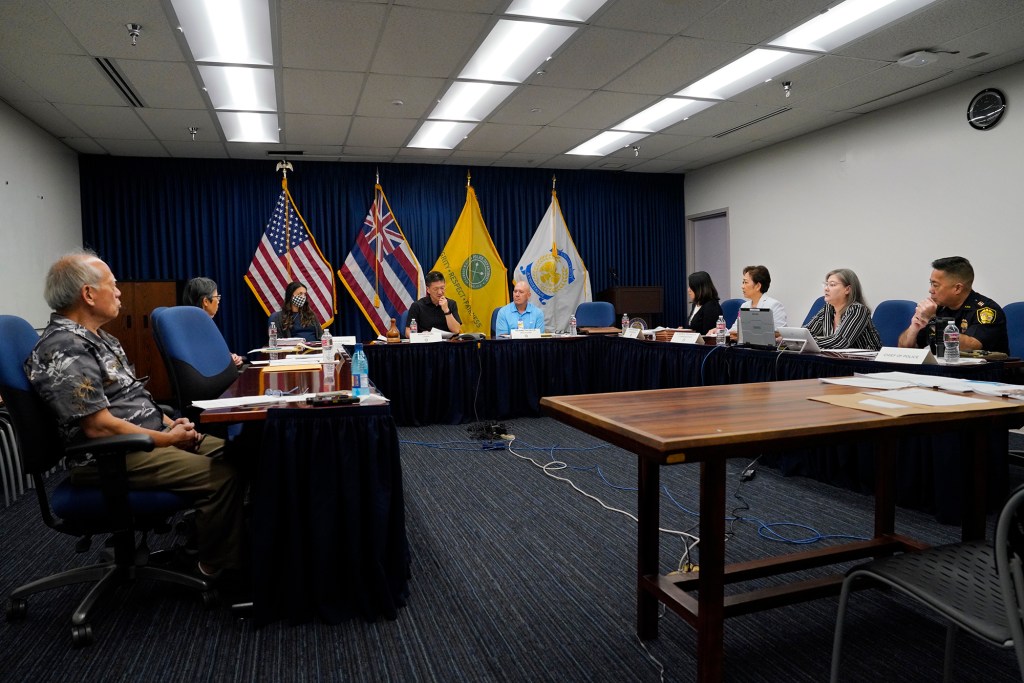
Most meetings consist of Chief Logan briefing the commissioners on any notable recent events. He breezes through headline-grabbing incidents like felony barricades with the same emphasis he gives property crimes or traffic issues. Commissioners rarely interrupt him and if they do question something his officers have done, it’s generally phrased as a polite suggestion, not a recommendation for a change in policy.
As in Oakland, high-speed pursuits were on the agenda here a few years ago, when interim chief Rade Vanic had taken over after Kealoha left a step ahead of a federal corruption conviction. The commission back then included several members who were willing to push the chief harder and Vanic agreed to review a policy that had resulted in about a third of police chases ending in crashes and tens of millions of dollars in lawsuit payouts.
But earlier this year it was the Legislature, not the Honolulu Police Commission, that finally put in place a more rigorous pursuit policy aimed at requiring more supervisory oversight of officers before they take off after drivers through narrow, often-congested streets. House Bill 277 also prohibits cops from shooting at moving vehicles.
At a commission meeting May 7, Logan said he would ask Gov. Josh Green to veto the bill because he thinks Honolulu’s hot-pursuit policy is adequate. Unlike in Oakland, where Chief Mitchell produced a detailed report with data to support his conclusions, Logan gave no justification and the commission asked for none. Members did ask what they could do to help him persuade the governor. Write a letter, Logan suggested.
In 2016, voters in Oakland decided they wanted much more robust oversight of their police department. They replaced the old board with a system that is entirely independent of the police department and now includes a citizen review agency that investigates citizen complaints and an inspector general’s office that audits police department policies and practices as well as conducting investigations. Both report to the police commission, which makes recommendations on discipline and policy.
The Oakland police chief is hired by the mayor, selected from a list of candidates put forward by the police commission. Commission members are appointed by the City Council and they can still fire the chief if enough members support it. The police department is required to submit policies in writing to the commission for review and the commission has final say over misconduct cases if its independent investigators disagree with the department’s findings.

“OPD operates under significant public scrutiny, particularly given Oakland’s history of police misconduct and high crime rates,” says Chinn, who worked on police reform issues in Oakland for several years before moving to Hawaiʻi. “The commission’s public meetings provide a platform for community input, which pressures OPD to cooperate to maintain legitimacy and public trust.”
In Honolulu, the police commission dates back to 1932 and is one of the oldest civilian oversight boards in the country. It was created by the Territorial Legislature when it split law enforcement authority on Oʻahu between the sheriff, who had overseen the city police department, and the Honolulu Police Commission, which would oversee city cops.
“The low state of efficiency of the Honolulu police department was apparent to some citizens of Honolulu even prior to the Ala Moana rape and the incidents which followed,” the Honolulu Star-Bulletin wrote on April 1, 1932, in an edition that included hundreds of column inches about the state of crime and law enforcement in Honolulu. (The “Ala Moana rape” apparently referred to the now infamous Massie case, when Navy Lt. Thomas Massie’s wife falsely accused a local man of raping her. Massie, his mother and Navy buddies took the law into their own hands, kidnapped Joseph Kahahawai and killed him in January 1932.)
The Territorial Legislature and the public at the time clearly wanted the police commission to provide strong oversight of a struggling public safety agency. And the law gave the commission broad authority over the chief, including hiring and firing, which is the primary focus of today’s Honolulu Police Commission.
But territorial lawmakers also wanted the commission to create rules covering training, promotions and hiring. They were concerned about rampant favoritism, nepotism and politicking by the sheriff so the police commission was given the power to prohibit officers from participating in elections and politics, beyond exercising their right to vote. The law did, however, give the police chief the authority to discipline his officers, and that hasn’t changed today.
Police Commission Chair Ken Silva, a former Honolulu fire chief, is in his fourth year on the panel. For the most part, he’s pretty happy with the way the commission operates and thinks it does have plenty of authority to hold the police chief accountable.
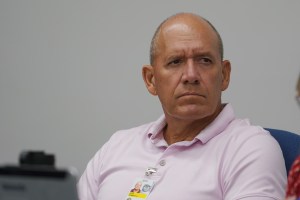
As an example, he points to how the commission has kept on top of the implementation of body cams, something the agency only began using in 2017. The commission has used its investigations of citizen complaints to make sure body cams are being used as required, Silva says.
He sees the evaluation of the police chief as the main tool the commission has to effect changes in police policy. If the chief were to ignore the commission, that would go in his annual review and the commission could force him out, Silva says.
“If you have a chief that is open and willing to work with recommendations from the commission than it does work,” Silva says. “Right now with this administration I think we don’t need more teeth.”
He says he’d be interested in participating on a task force that explored other civilian oversight models. But for now he’s not supportive of handing the power to hire the police chief over to the mayor because it would tie the department to politics.
The city audit of the commission last year pointed to a section of the charter, revised in 1973, governing the police commission that says “neither the Commission nor its members shall interfere in any way with the administrative affairs of the department.”
The auditor and others say commissioners use that phrase as an excuse to shy away from confronting the chief in areas where the charter does give them clear authority, including recommendations on the department’s budget and its five-year plan and investigating some of the more serious charges brought by the public against the department and its officers.
Silva thinks that criticism is unfounded. “We do not in any way interfere in the running of the organization but our ability to speak into policies we have done and we will continue to do,” he says. “But we don’t have the ability to change (policy).”
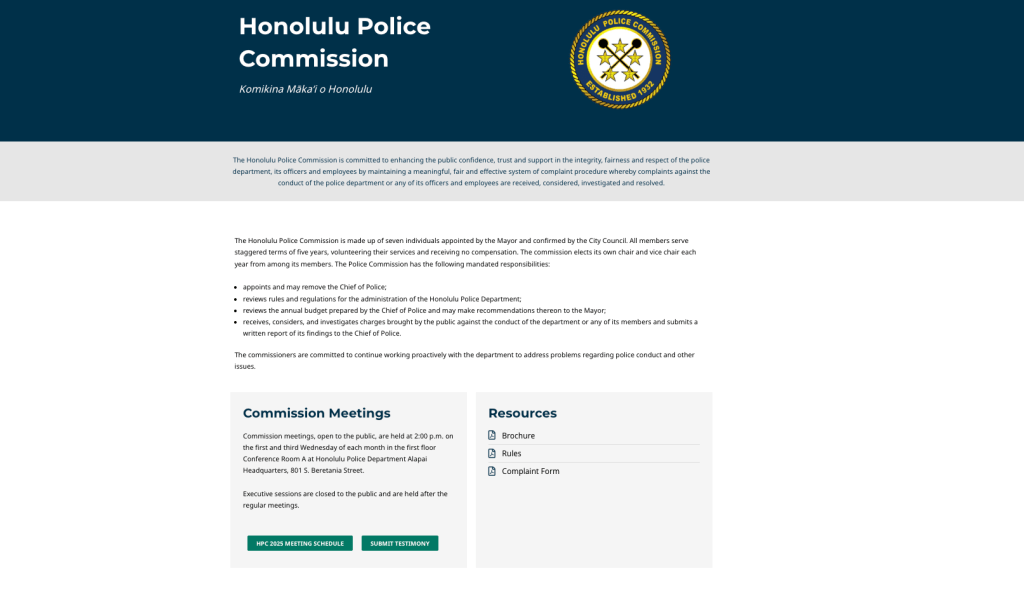
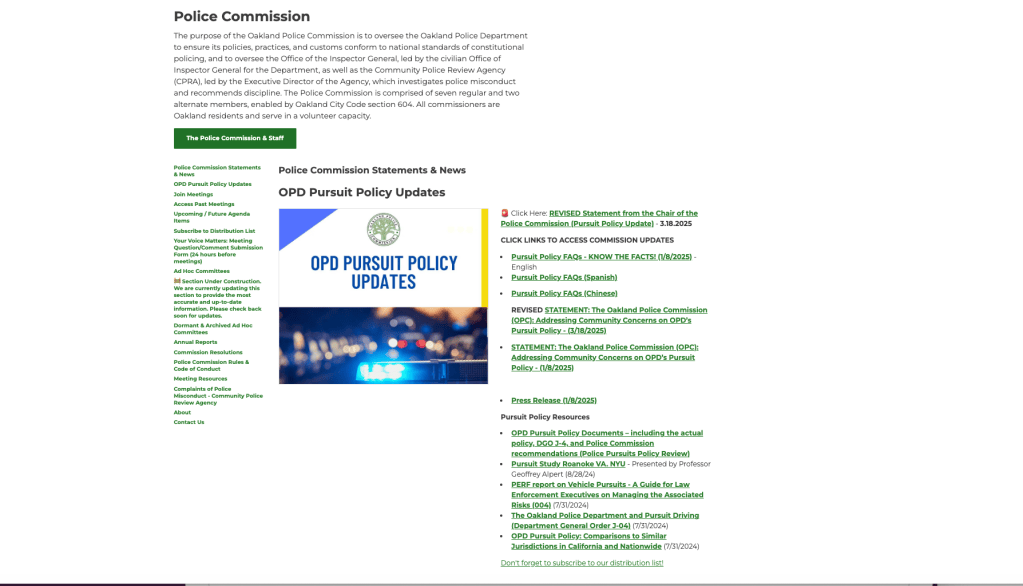
Honolulu Police Commission and the Oakland Police Commission websites illustrate the differences in how the two oversight boards approach their mission to hold the police accountable with strong public input.
The ACLU lawsuit over the DUI arrests provides a look at how the commission operates and is illustrative of both critics’ frustration and the commission’s view of how it should handle these situations.
Silva says the ACLU sent a letter to the commission May 21 alerting it that the lawsuit was about to be filed and describing the allegations. So Silva gave Logan a heads up and asked him to talk about it at the next commission meeting, which is Wednesday.
But what he didn’t do was put it on the police commission public agenda for discussion as required by the state’s Sunshine Law if people want to testify about it. Even the commission is restricted in what it can talk to the chief about if it’s not on the formal agenda.
Silva says Logan told him the department was preparing a response to the ACLU. He was satisfied with that and noted that the department is limited in what it can say.
The police commission would not be involved in the investigation into whether some officers arrested sober drivers without cause because it’s not coming in as a citizen’s complaint.
“The topic is absolutely under our purview,” Silva says. “We want to have a discussion with chief and his staff and what he’s doing about it.”
The wording about non-interference in the charter has been a problem for years, says Loretta Sheehan. She took her seat on the Honolulu Police Commission in 2016 and quickly emerged as an activist and champion of holding the chief, still Louis Kealoha at the time, accountable. She urged the commission to fire him, not pay him a quarter-million dollars.
Sheehan said when she was on the panel commissioners worked with it as best they could. So that’s not as big of a concern to her as the fundamental question of purpose and identity for a board that seems reluctant to step up to its mandate.
“Do we want a police commission that’s beefed up, that has real authority? Because we’ve never had one,” she says. “So the question for the public is, what kind of police commission do you really want? Do you really want an activist police commission who looks under the hood of HPD?”
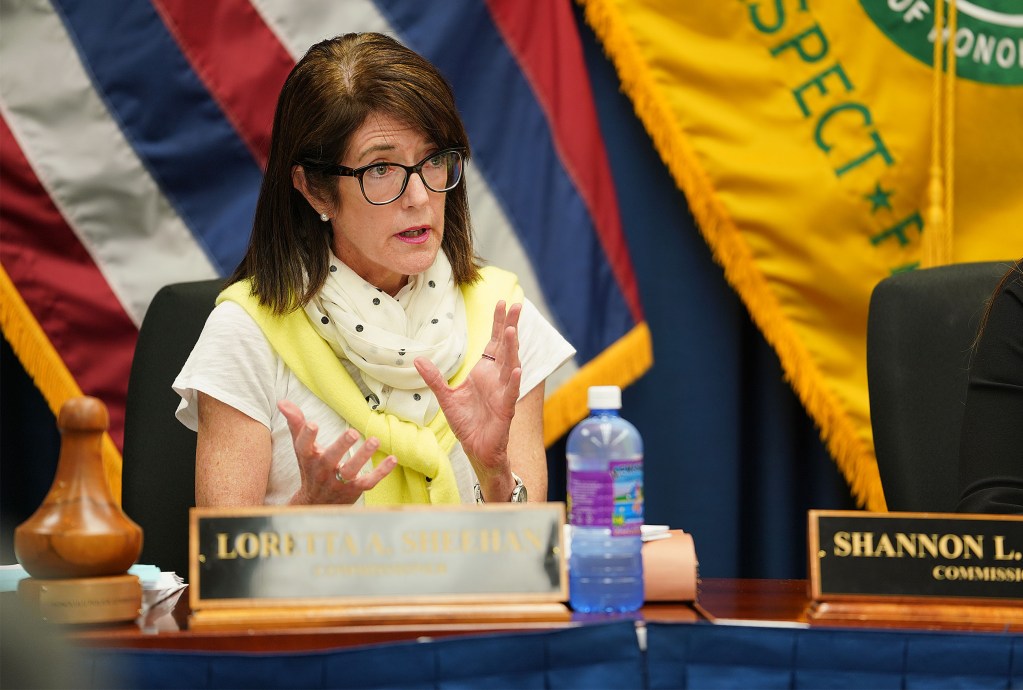
Sheehan left the board in 2021 disappointed in the panel’s unwillingness to do its job. “I felt like I was lying to people, like I don’t want to do this anymore,” she says now. “And the culture was really bad, too. It was just so hard.”
Her advice? Change the culture. And that means appointing people who want to make a difference or perhaps even electing oversight board members.
“I really think that the best thing you can do would be to shake up the appointment process because mayors are just not incentivized to hire gadflies,” Sheehan says. “They want to hire … the people who color inside the lines. And that’s been the culture there for a long, long time.”
The Legacy Of George Floyd
In the five years since George Floyd was killed by a Minneapolis police officer, civilian oversight of police has grown as more cities have put independent boards and agencies in place.
Increasingly, according to Sharon Fairley, a University of Chicago Law School professor and a leading expert on police oversight, the trend is toward multi-tiered, multi-functional systems that, like Oakland, include several entities working together to bring expertise, accountability and transparency to police departments. There are now at least 113 oversight entities in 71 of the largest cities in the U.S. and more than 200 total throughout the country.
“We see a number of cities asking the questions that you’re asking in Honolulu,” Fairley said in a recent interview, “which is, even if we have oversight, is it as effective as we want it to be? Does it have all the powers that we want it to have, and is the system that we have having an impact on policing in our city?”
The trend is toward cities trying to give their oversight entities more power and expand the scope of what they can do, Fairley says.
Fairley studies hundreds of cities, large and small, that have created civilian oversight boards. She’s written extensively about developments and a few years ago put together a list of best practices for cities to consider.
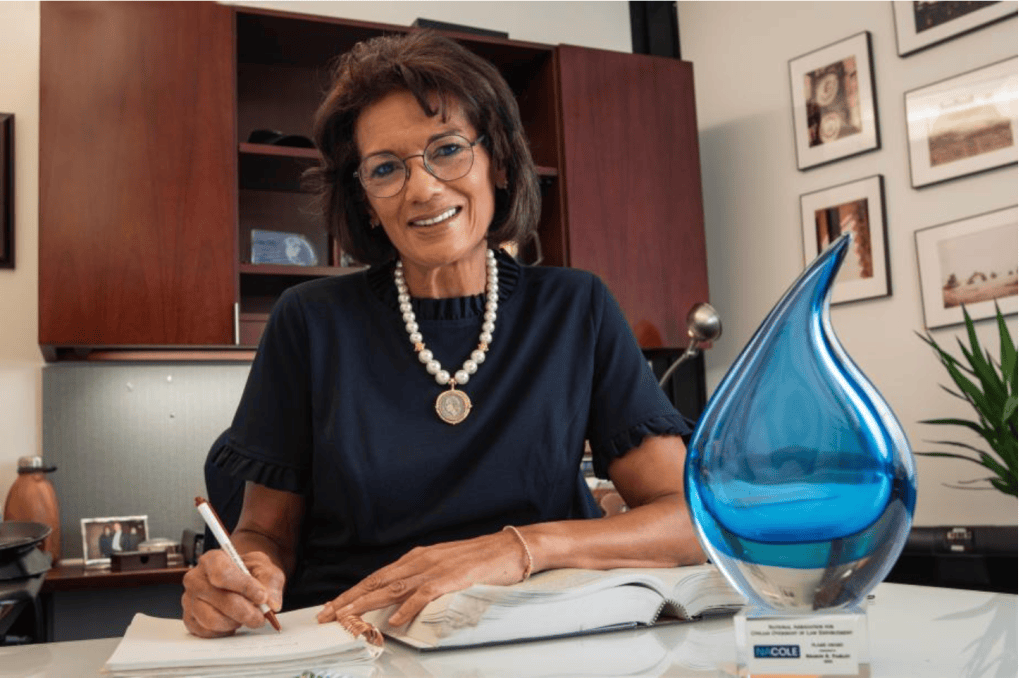
The National Association of Civilian Oversight of Law Enforcement, the primary national organization of which Honolulu Police Commission is a member, provides training and puts on an annual conference for commissioners. Honolulu would be considered a review-focused board, as opposed to an investigative- or monitor-focused commission, or a hybrid.
Fairley says despite the trend toward giving oversight commissions more authority, most entities are still like Honolulu, merely advisory without direct control over discipline. “So there’s a lot of discussion around how to bring more teeth to civilian oversight and that’s one area cities are grappling with,” she says.
A number of factors go into making oversight successful, Fairley says, including having broad jurisdiction and being able to review or investigate a wide range of cases.
Structural independence is important and so is having the ability to access police department records, including body cam footage. Subpoena power is one way to ensure a commission can get the information it needs. That’s something the Honolulu Police Commission already has; it just never uses it.
The oversight board should have some formal role in providing input on discipline and the police department should be required to respond.
“It’s not helpful if the (board) makes a bunch of recommendations and the law enforcement agency can just go, ‘thank you very much’ and then not do anything, and not respond in any way,” Fairley says. “It’s important to have that response mechanism because that’s how the community assesses how well the system is working.”
Commissioners need to be neutral in how they look at cases and they also need enough familiarity with law enforcement to “develop policy that really reflects an understanding of law enforcement challenges as well as community needs and concerns.”
Historically, Fairley says, one of the main reasons civilian oversight entities fail is because they aren’t given the resources they need to get the job done. That includes funding to hire investigators to keep up with caseloads so people don’t feel like their complaints go into a black hole. They need to be able to pay for staff with expertise in case management who can understand trends in data and see patterns and practices that might be concerning.
“Community engagement has become increasingly important for civilian oversight, and so agencies need resources to engage with the community on policing issues, to keep them informed, to educate them and to develop an understanding of what it is the community wants and needs from policing,” Fairley says.
We’ve Been Here Before
Highly publicized investigations into corruption along with a steady stream of media reports and lawsuits over misconduct have dogged the Honolulu Police Department for many years.
That along with increasing national incidents of police brutality caused public attention to turn to the Honolulu Police Commission and what it was — or wasn’t — doing to keep local law enforcement in check.

Ten years ago, the last charter commission process geared up as federal prosecutors were closing in on former Chief Kealoha, who was much in the news. The 2016 race for Honolulu mayor provided a vehicle for debate on what to do about the Honolulu Police Commission. And unlike Blangiardi today, then-Mayor Kirk Caldwell (who would go on to win reelection) publicly distanced himself from the problems surrounding the chief and the department, saying it was the commission’s kuleana to handle.
Several members of the charter commission put forward proposals that would have put the police oversight board more on the best-practices path Fairley describes. Commissioners would need to meet certain qualifications to be on the panel, including relevant experience in reviewing evidence, and they’d be picked from a cross-section of the community. One proposal would have created an Office of Inspector General, attached to the police commission, that would have the ability to audit, investigate and oversee the police department’s handling of citizen complaints of misconduct.
In addition to beefing up investigative powers and giving commissioners more leverage over the chief, one proposal would have given the mayor the ability to fire the chief if five of the seven commissioners agreed. Others on the charter commission, including former Gov. John Waiheʻe, wanted to hand over the hiring and firing of the chief to the mayor.
In the end, just the one question about the police commission made it to the 2016 ballot.
In 2022, Honolulu City Council Chair Tommy Waters asked the council to consider putting four proposals on the ballot that November. The police commission was still struggling to name a replacement for former Chief Susan Ballard, who had essentially fled the department more than a year earlier after commissioners had given her a critical performance evaluation.
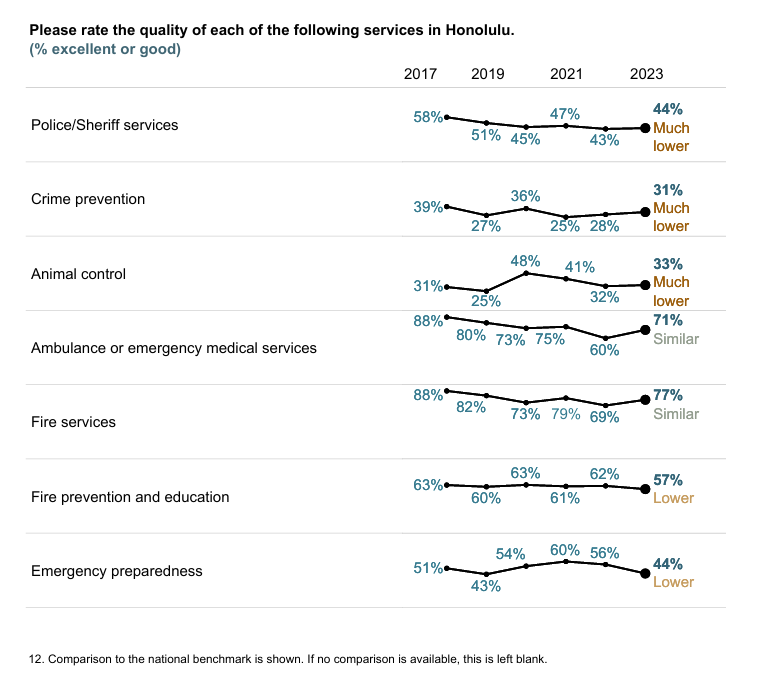
And public confidence in the department was low. A National Community Survey in 2021 revealed only 44% of Honolulu residents thought police services were good or excellent and only 31% thought crime prevention was good or excellent.
One resolution Waters put forward would have allowed the City Council to appoint some commissioners who would need to meet certain qualifications.
Another would have mandated that the chief have a bachelor’s degree and a commitment to modern policing, training in de-escalation and experience in strategic planning.
Others would have expanded the commission’s authority over the chief by allowing it to suspend or censure the chief in addition to firing. Waters also wanted the commission to be able to reject the department’s five-year plan as well as provide recommendations.
Another resolution would have required the commission to submit an annual report to the mayor, the council and the chief, including policy and budget recommendations. The chief would be required to address commission recommendations with a written response to the commission.
One resolution would have eliminated the provision that states the commission cannot “interfere in any way with the administrative affairs of the department.”
Waters needed six of the nine council members to agree to put the proposals before voters. But Public Safety Committee chair Andria Tupola blocked them, most without even giving them a public hearing.
The police union had opposed the changes and Blangiardi called them overreach. Commission members told the council they didn’t want any additional responsibilities and opposed the resolutions.
Chinn, now the facilitator for the Reimagining Public Safety Coalition, brought with him valuable insights from Oakland, where he had seen how effective a multi-tiered, independent oversight entitiy staffed with professionals could be.
Chinn says he put together a proposal at Waters’ request that went even further than the four resolutions already on the table. Among other things, it would have set up a civilian investigative agency similar to Oakland’s that would report to the police commission. It would be mandatory to investigate all complaints and the commission itself could impose discipline based on findings by the civilian investigators.
Chinn’s proposal also would have created an inspector general’s office that would have the authority to audit the department’s own internal investigations. It too would report to the police commission.
But the proposal never made it to the council — or the public — because the other resolutions were getting such pushback Waters didn’t think it was worth it, Chinn says.
Chinn acknowledges the Oakland system has some drawbacks, including a lack of access to police department records. And of course it’s pricey — the three-layered oversight system costs several million a year and is now facing budget cuts.
“Regardless of its authority, the Honolulu Police Commission is just not adequately equipped to effectively conduct investigations of serious misconduct or to provide oversight of HPD’s adherence to disciplinary policies and procedures,” Chinn says, citing a lack of technical expertise and a lack of confidence on the part of the commissioners that they should even be taking on complex investigations.
Where We’re Going Now
Waters declined to be interviewed for this story, saying it was too early in the process.
Blangiardi, on the other hand, is moving forward. His office has already researched how other civilian oversight boards operate and is working on a proposal to submit to the charter commission.
“We have become increasingly opinionated about the need for changes,” says Mike Formby, Honolulu’s managing director.
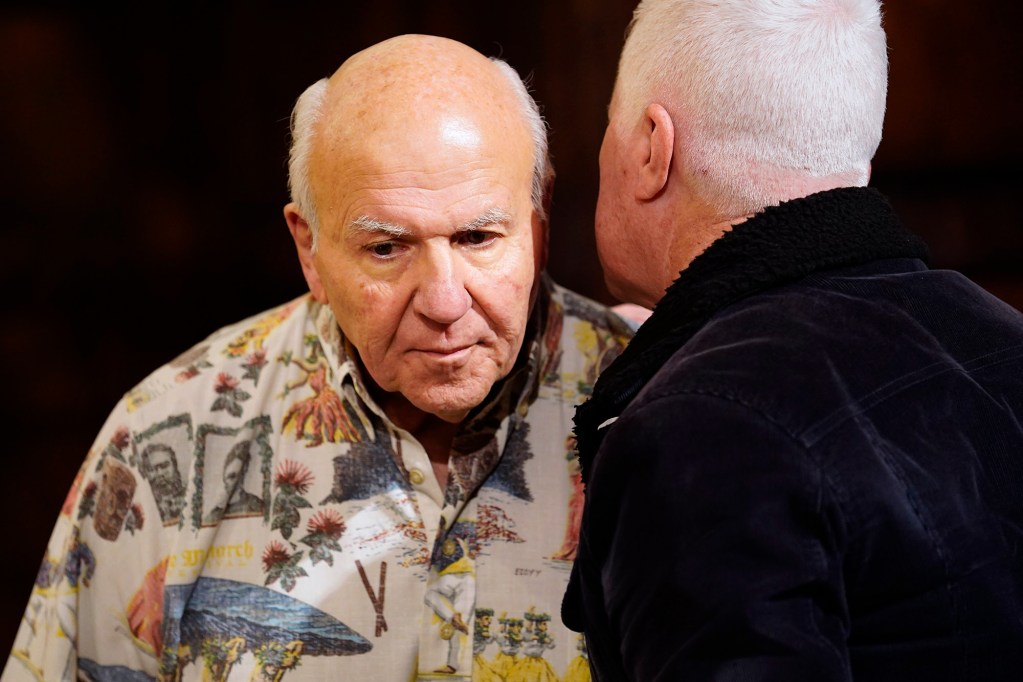
Those changes would include giving the authority to hire the chief to the mayor. Formby says Blangiardi wants the same accountability for the police department as he has for all other city departments.
“It is very difficult to have accountability when the police commission has the power to hire and fire,” he says.
Formby and his staff looked at municipalities similar to Honolulu where an elected mayor runs the city. In most of those cities, the mayor hires the chief, sometimes picking from a list of names sent to him by the police commission.
In Honolulu, it’s unclear who has the power to do what regarding police oversight. “And that ambiguity is the source of the problem,” Formby says.
“When we meet with the department, we would like to have unfettered ability to have discussions with the chief about his performance and the department’s performance without feeling like, oh, but there’s this other entity, the police commission, which actually has the power to hire and fire you. But then again, they’re not supposed to be involved in the day-to-day operations of the department. It’s just not healthy.”
Ironically, Fairley, the University of Chicago law professor, notes that while most municipalities still allow the mayor to hire the chief, the trend in recent years has been to give that authority to an independent board, the system Honolulu has been using for nearly 100 years.
Formby is well aware that the mayor’s proposal will be bucking that trend. But he thinks the public will understand once city officials finish their proposal and are in a position to talk more about it.
“I think there’s a general recognition that there needs to be a change in the current structure,” he says. “I think there’s been enough public discussion about the challenges of the police commission the way it’s currently written in the charter, and I think the public will be receptive to some better model.”
He said the mayor’s office thought a lot about whether it wanted to make a charter amendment proposal “because we did not want it to appear to be a power grab or a political move by the mayor to have more control.”
Regardless of whether the power to hire a police chief will ultimately rest in the hands of the mayor, the city’s chief executive will still have a big role in shaping the path and the strength of Honolulu’s police oversight effort.
Blangiardi will be in office through 2028 and, as Loretta Sheehan urges, can do a lot through his current authority to appoint commissioners.

The commission is already filled with Blangiardi appointments, mostly the same group that was criticized in the city audit.
The mayor recently nominated Landon Kaneshiro, an Oʻahu lawyer and business executive, to replace Doug Chin, whose term is up. City Council public safety committee members who questioned him on Thursday expressed concern with the appointment, especially after Kaneshiro struggled to answer simple questions about why he wanted to be on the police oversight board, what he thought the main issues facing the police department are and what he would bring to the panel.
His confirmation before the full council is on the agenda for Wednesday.
Fairley, the national expert, says what she calls “representativeness” is critical to civilian oversight systems that rely on a board rather than a professionally staffed office.
“It’s important that it be representative of the community that it serves,” she says. “Many cities, when they create civilian oversight they sort of design representativeness in.”
Camron Hurt, the director of Common Cause Hawaiʻi, would welcome any charter commission changes to the police commission that made the panel more representative.
“I think if you’re a mayor who’s putting up these appointments you stop looking within your circle of friends,” Hurt says. “We have retired officers throughout this state. Where are they at when being consulted on this? … Where is the representative for the youth on this commission? Where is the representative from the Micronesian community on this board? They’re one of the most over-policed populations on this island, and I will not accept that you can’t find them.”
“You can find these people if you look and if you want your intention to be oversight for your police. Unfortunately, I don’t know that that is the city government’s true want.”
Civil Beat’s reporting on improving civilian oversight of law enforcement is supported in part by the Solutions Journalism Network’s Building Democracy program.
 Sign up for our FREE morning newsletter and face each day more informed.
Read this next:
Local reporting when you need it most
Support timely, accurate, independent journalism.
Honolulu Civil Beat is a nonprofit organization, and your donation helps us produce local reporting that serves all of Hawaii.
ContributeAbout the Author