Federal Tax Deadlines Loom Over Lahaina Rebuilding
Hawaiʻi’s congressional delegation could help by working on waiving or extending the insurance payout rule.
October 17, 2025 · 4 min read

About the Author

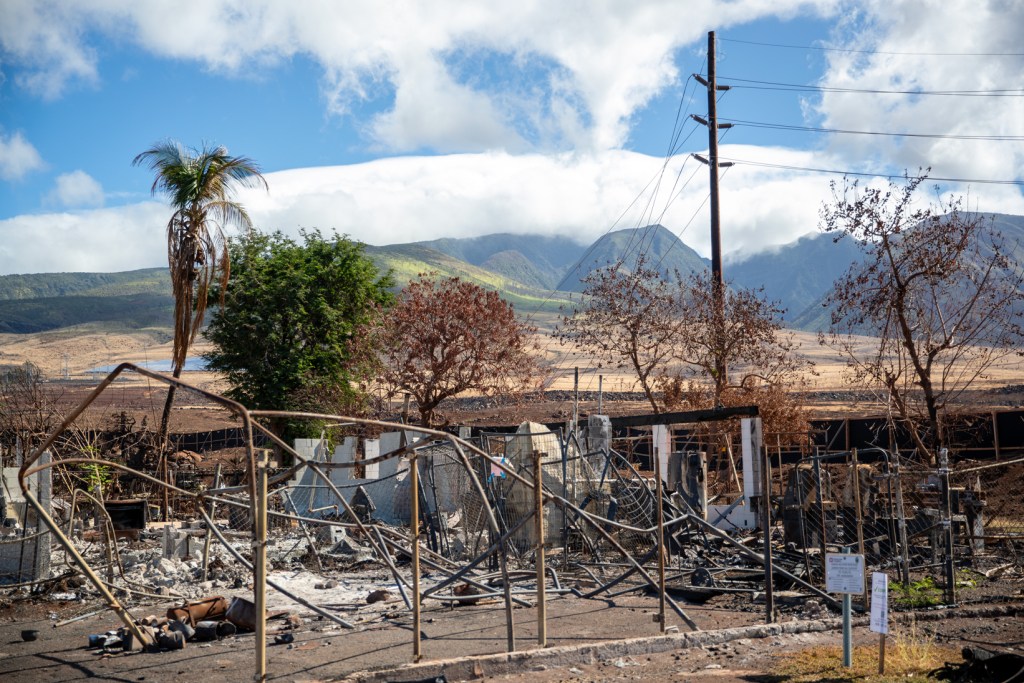
Regulatory hurdles have bogged down recovery efforts in Lahaina since the historic West Maui town was razed by wildfires two years ago. Now federal tax deadlines are looming as an additional rebuilding barrier.
These deadlines concern federal tax payments that could be due on insurance payouts to property owners whose homes or businesses were destroyed or badly damaged by the fires.
Basically, the Internal Revenue Service treats the insurance payouts similarly to the proceeds of typical property sales; however, federal tax rules allow the property owners to defer paying any taxes if they use their payouts to rebuild what they lost in a federally declared disaster within a certain amount of time.

Ideas showcases stories, opinion and analysis about Hawaiʻi, from the state’s sharpest thinkers, to stretch our collective thinking about a problem or an issue. Email news@civilbeat.org to submit an idea or an essay.
Maui residents who lost their principal homes as a result of the August 2023 fires have four years to reinvest that insurance money into new homes. For business structures and second homes such as rentals, the timeframe is two years.
In either case, the grace period starts at the end of the tax year the insurance claim was paid. So a Lahaina homeowner who received an insurance payout in 2024 will have until the end of 2028 to use the payout to rebuild or buy a replacement property. A shopowner or rental landlord in the same situation will have until the end of 2026.
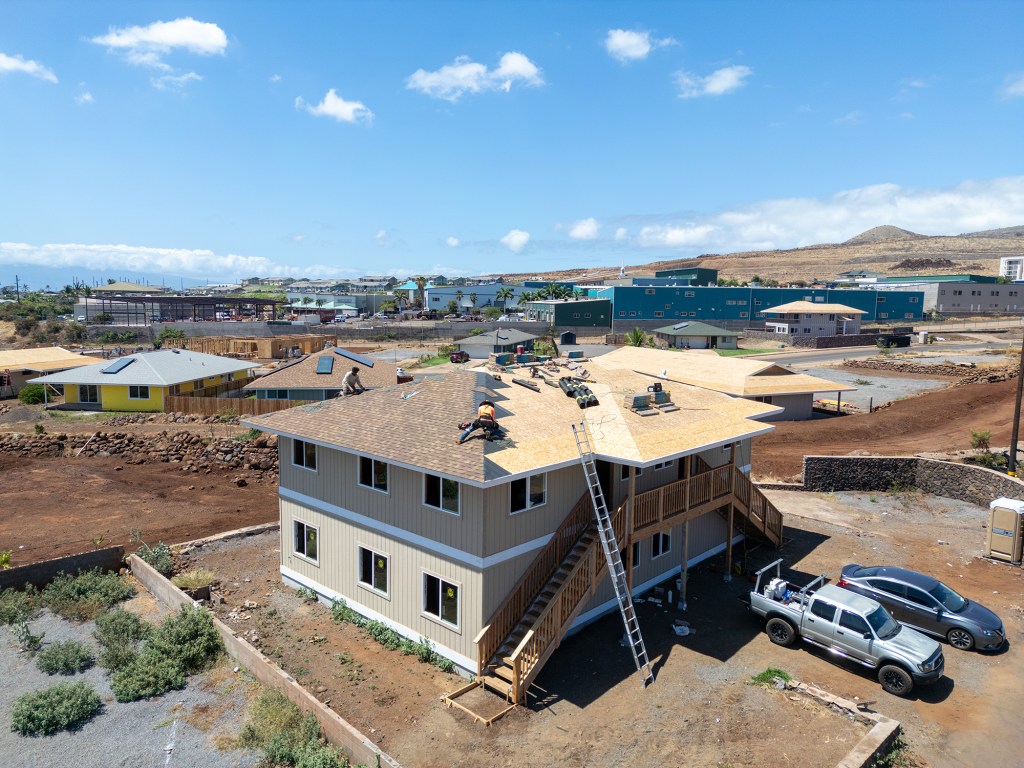
Unfortunately, the state and Maui County have made meeting those deadlines nearly impossible. On the ground in Lahaina, only 66 homes have been rebuilt since August 2023, while not a single business destroyed by the fires has even received a building permit.
Meanwhile, the state Department of Business, Economic Development and Tourism has estimated that more than $1.6 billion in residential and almost $1.2 billion in commercial property insurance claims have been submitted, of which almost $1.4 billion in residential and $800 million in commercial were paid out by the end of 2024.
So the clock is ticking for those who received their payouts, in terms of rebuilding before the federal tax deadlines.
Of the barriers to rebuilding that remain, the county has yet to extend the property tax waiver it initially established after the wildfires, which is set to expire on June 30, 2026. If it does not extend this waiver, property owners in the burn zone will begin paying taxes — in some cases as much as $30,000 — on land they still will not be able to use.
Meanwhile, the State Historic Preservation Division is requiring that many commercial rebuilds go through a costly and time-consuming archaeological inventory process that could add at least a year of delays.
Last but not least, owners of Lahaina shorefront properties still must navigate the contentious process of obtaining a Special Management Area permit from the Maui Planning Commission — even after the governor and Legislature waived SMA rules for everyone else.
Even if property owners could get their needed permits before their respective deadlines, IRS guidelines state that “you aren’t considered to have bought replacement property unless it is finished before the end of the replacement period.” So it’s an open question whether Lahaina home and business owners will be able to get their permits and complete their rebuilds in time to meet the federal tax deadlines.
Moreover, with Hawaii’s current shortage of skilled tradespeople, even the 2028 deadline for homeowners is looking more and more unrealistic.
Property owners can request IRS extensions, but going through that process would be yet another paperwork headache.
Since the IRS code is a federal issue, it will be up to Hawaii’s congressional delegation to help resolve this situation. They already have helped enact legislation that addresses other parts of the tax code related to disaster-related losses. Now they should focus on waiving or extending the insurance payout rule.
The worst-case scenario is that continued building delays will push more and more Lahaina homeowners and entrepreneurs to buy homes or businesses elsewhere. A rebuilt Lahaina will look different no matter what. But will those who lived and worked there before the fires still be a part of it?
 Sign up for our FREE morning newsletter and face each day more informed.
Community Voices aims to encourage broad discussion on many topics of community interest. It’s kind of a cross between Letters to the Editor and op-eds. This is your space to talk about important issues or interesting people who are making a difference in our world. Column lengths should be no more than 800 words and we need a photo of the author and a bio. We welcome video commentary and other multimedia formats. Send to news@civilbeat.org. The opinions and information expressed in Community Voices are solely those of the authors and not Civil Beat.

Local reporting when you need it most
Support timely, accurate, independent journalism.
Honolulu Civil Beat is a nonprofit organization, and your donation helps us produce local reporting that serves all of Hawaii.
ContributeAbout the Author