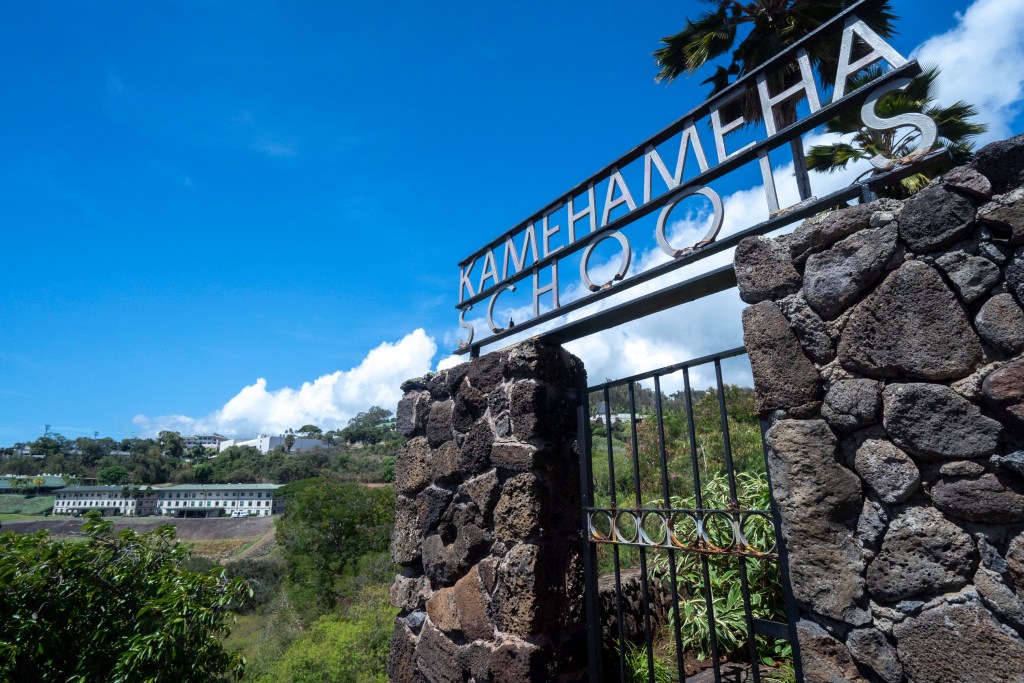
Makana Eyre: We Deserve To Know Who's Challenging Kamehameha Schools' Policy
It seems only fair that the process should unfold with full transparency.
March 2, 2026 · 5 min read

About the Author

Periodically since the start of the new millennium a lawsuit challenging Kamehameha Schools’ admissions policy has landed in court.
What plays out typically follows a pattern: a familiar line of argument, a vigorous defense by the school and a spike in the collective blood pressure of the community.
I have clear memories of the first three attempts to overturn the policy. As with many local families, it was a topic around my home. When the first lawsuit appeared in 2003, I recall my father, then a Hawaiian language teacher at Kamehameha’s Kapālama campus, uneasily discussing it with my grandfather.
Some things do change: the plaintiffs, their lawyers, the reporters covering the story. Yet the effect repeats. Each time, something that feels foundational and settled about Hawaiʻi is dragged out for dispute.

The most recent challenge, however, reads differently. Filed last October by the Virginia-based activist organization, Students for Fair Admissions, the suit borrows many of the arguments of its predecessors. Yet to me it represents an escalation.
One key reason is our national political climate, which is far more radical, polarized and acute. The SFFA’s landmark victories against admissions policies at Harvard and University of North Carolina at Chapel Hill, alongside the increased number of sympathetic figures in Washington, have filled their sails with a forceful and sustaining gale. This time, the suit against Kamehameha Schools seems more threatening and more potentially consequential than those that preceded it.
Last week, Civil Beat reporter Blaze Lovell wrote about the fierce backlash the plaintiffs in the suit are facing — and their resulting request to remain anonymous. As Lovell reported, lawyers for KS objected, citing, among several reasons, the fact that the minor plaintiff will likely soon turn 18 and that transparency is needed for them to prepare a full and effective defense.
This line of argument strikes me as sound. Given the seriousness of the situation and what an SFFA victory would mean for Hawaiʻi and thousands of kānaka ‘ōiwi children and adolescents, it seems only fair that the process should unfold with full transparency. That includes something basic: the public knowing who is asking the courts to upend a policy that reaches deep into our history and civic life.
Before I make my case, I should acknowledge that I’m far from deaf to the concerns of the plaintiffs, the young woman above all. As with most journalists, I know what it’s like to be hounded and harangued. In the wake of articles I’ve written over the years, my personal information has been published against my will. I’ve repeatedly faced harassment and threats. It feels lousy. I don’t wish it on anyone. So that there’s no ambiguity, let me say it plainly: no one deserves it. And as a community, we are better than to stoop to such ugliness.
All the same, I think it’s valid for us to question whether the plaintiffs’ call for anonymity — an exception in most litigation — outweighs our right to know who is behind the case. My take is that it doesn’t, despite the circumstances.
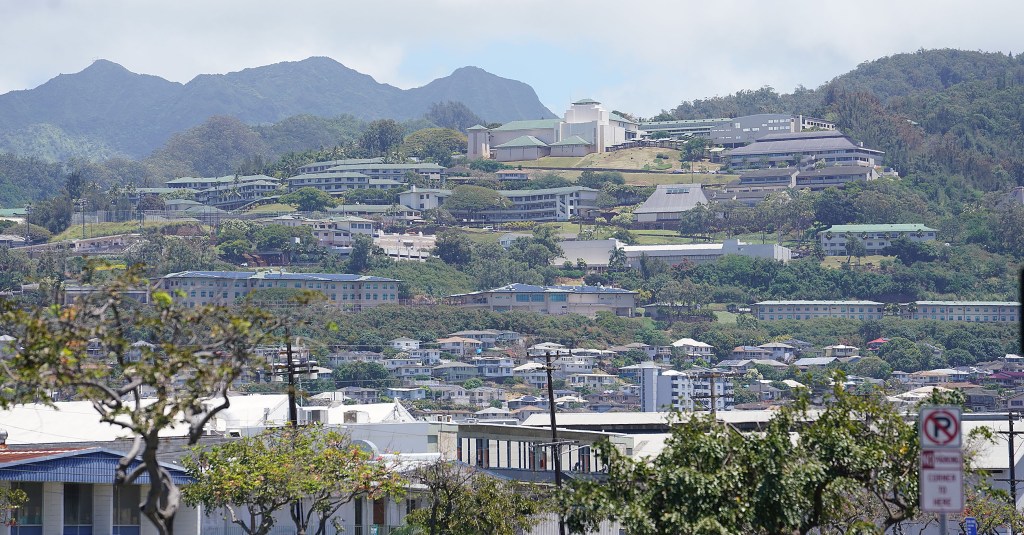
I’m neither a judge nor a lawyer. My opinion is just that: one view, formed by the fallible human mix of logic and emotion. Luckily for us all, federal judges have already weighed in on this question.
The plaintiffs in the last lawsuit against KS’s admissions policy in 2008 asked the U.S. District Court for Hawaii to grant them anonymity on very similar grounds. It refused. They appealed to the 9th U.S. Circuit Court of Appeals in San Francisco. That court upheld the lower court’s decision.
In its 2010 opinion, the 9th Circuit acknowledged that the case was fraught. Yet it affirmed the district court’s decision, concluding that the “prejudice to the defendants and the public’s interest in open courts outweigh plaintiffs’ fears of harm.”
To my mind, the 9th Circuit got it right. Its affirmation of open courts feels significant and especially valid to the current suit against KS, given the nature of SFFA.
There’s strong evidence that the prior cases against the admissions policy enjoyed support from activist attorneys or groups on the continent. Yet they somehow came across as more grounded in the islands, more Hawaiʻi-centric.
With the SFFA’s case — and its dogged campaign to find plaintiffs — the center of gravity has clearly shifted to the continent. The political forces behind it are now national. They are linked to the great culture-war swells of the MAGA movement, which has done all it can to dismantle diversity programs.
A strained, increasingly politicized IRS poses yet another threat. The IRS has the power to revoke KS’s tax-exempt status and, in theory, demand back taxes. That may seem farfetched, but we’re living in a deeply unpredictable world.
Sadly, Kamehameha Schools, an institution that has been steadily serving young Hawaiians for nearly a century and a half — largely unnoticed by folks on the continent — has been swept up by a political moment far beyond its control.
All of this is to say that the fight now has far higher stakes. The risks today feel far more menacing. Openness in this matter is not undue cruelty to the plaintiffs. It is a normal condition for litigation and essential for this process to unfold in a transparent, scrupulous way.
I’m well aware that I’m asking the plaintiffs, the applicant herself above all, to bear a weighty burden. Heavy as it may be, however, it is a burden they should be expected to carry. The stakes are just too high to allow this process to play out in darkness.
 Sign up for our FREE morning newsletter and face each day more informed.
Read this next:

Local reporting when you need it most
Support timely, accurate, independent journalism.
Honolulu Civil Beat is a nonprofit organization, and your donation helps us produce local reporting that serves all of Hawaii.
ContributeAbout the Author