Hawaiʻi Just Can’t Afford LNG
Costs are certain to rise dramatically, just as they did with Honolulu rail and the H-3.
July 22, 2026 · 4 min read

About the Author

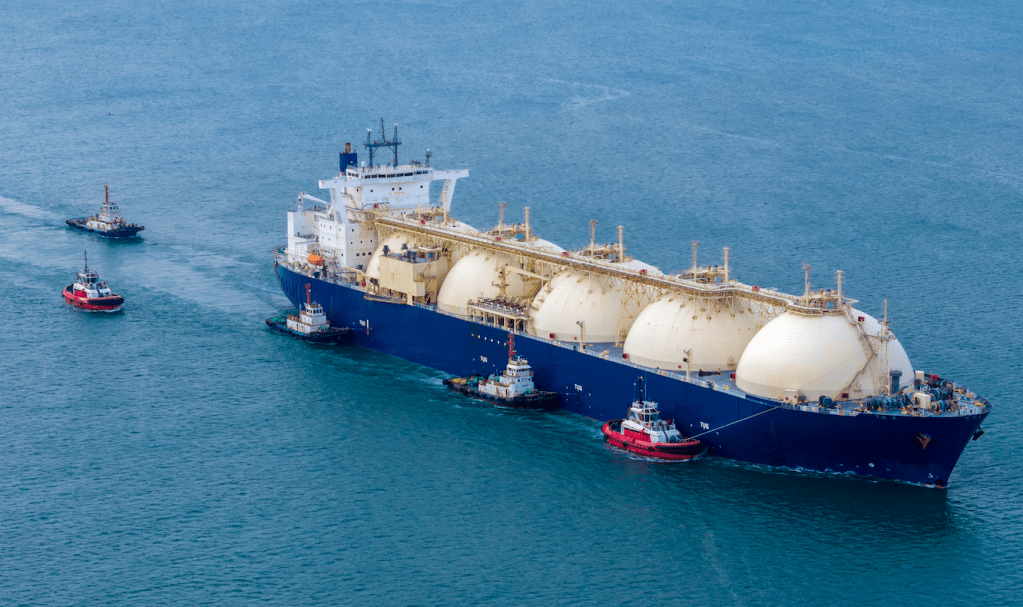
JERA, a big energy company, has proposed using liquefied natural gas to lower electricity rates on Oʻahu, presenting its LNG infrastructure cost estimate of $1.9 billion and its annual cost of service estimate of $670 million with an air of engineering precision. But those numbers are unreliable.
The infrastructure cost estimate is especially unreliable because large, novel infrastructure projects in Hawaiʻi consistently run far over budget. And when electricity rates are set by actual costs, not proposed estimates, HECO customers would bear the financial burden.

Ideas showcases stories, opinion and analysis about Hawaiʻi, from the state’s sharpest thinkers, to stretch our collective thinking about a problem or an issue. Email news@civilbeat.org to submit an idea or an essay.
Consider these two examples:
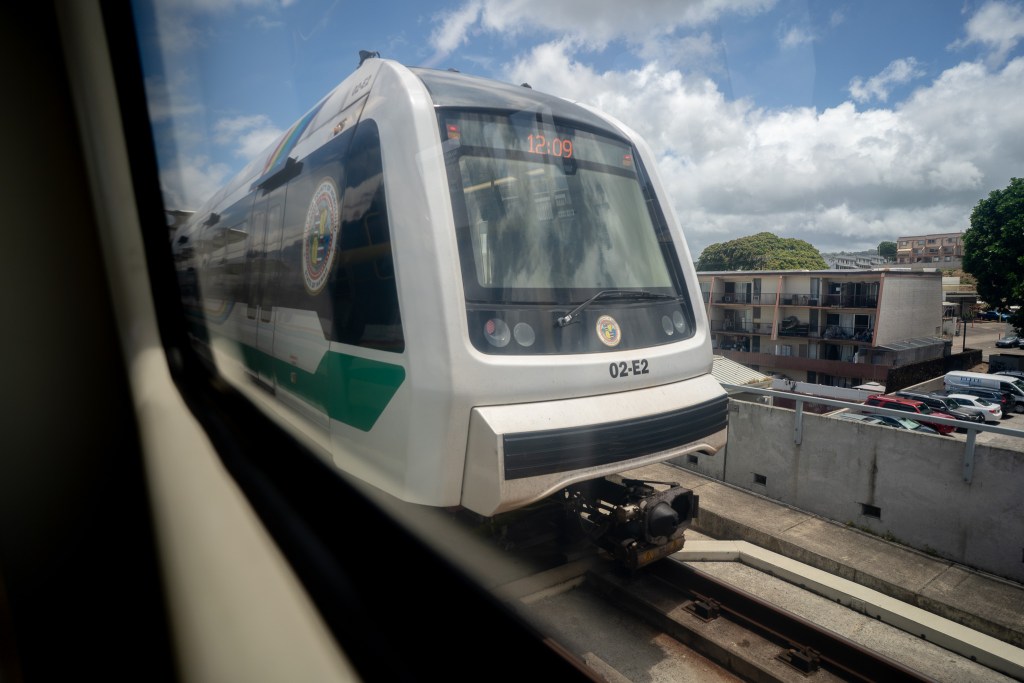
First, the Honolulu rail project was originally estimated to cost roughly $5.2 billion. Now that a substantial portion of it has been built, the cost has risen to more than $12 billion — more than double the original estimate — and the rail line has been shortened.
Second, the H-3 freeway, connecting Hālawa to Kāneʻohe, was estimated to cost $250 million when planning began. It ultimately cost $1.3 billion — more than five times the original estimate — making it one of the most expensive highways per mile ever built in the United States.
These weren’t simply failures of execution — they were also failures of estimation, driven by what behavioral economists call optimism bias.
Optimism bias is the well-documented tendency to underestimate costs and overestimate benefits on complex, novel projects. Infrastructure planners have developed an antidote called “optimism bias uplift,” a systematic, evidence-based adjustment that scales cost estimates upward based on the type of project involved.
For a large, first-of-its-kind energy-import infrastructure project in a remote island state — precisely what the JERA LNG proposal represents — that uplift is not a rounding error. It can more than double the estimated cost.
Apply that correction to JERA’s capital cost estimates, and the financial case for LNG collapses.
HECO customers, not JERA, would ultimately pay those actual costs through higher electricity rates.
The problems don’t end with construction. JERA’s proposal calls for its LNG generators to be converted in 2045 to run on green hydrogen, which is produced using renewable energy. The conversion is required in order to meet Hawaii’s 2045 net-zero emissions goal.
For electricity rates to hold steady through that transition, green hydrogen would need to be cheaper than LNG, since rates reflect not just fuel costs but also the cost of conversion.
Today, green hydrogen costs more than three times as much as LNG per unit of electricity generated. If that gap hasn’t closed by 2045 — a real risk given the current state of hydrogen production and delivery technology — HECO customers face a permanent rate increase.

And here is where the JERA proposal’s internal logic collapses. Using hydrogen to generate electricity is inherently inefficient because energy is used at each step of the process, consisting of electrolysis, compression, transport, regasification, and combustion.
If green hydrogen somehow becomes cost-competitive with LNG by 2045, it will be because the clean electricity needed to produce it — solar, wind, storage — has become cheap and abundant.
But if that clean electricity is cheap and abundant, the rational move is to use clean energy to generate electricity directly, and not to lose energy at each step of the hydrogen energy lifecycle.
LNG asks HECO customers to make two bad bets.
Bet one: a first-of-its-kind infrastructure project comes in near budget, something rail and H-3 never managed.
Bet two: green hydrogen gets cheap enough by 2045 to justify converting the electricity generation plants — but if clean energy ever gets that cheap, the smart move is to use it directly.
LNG is unaffordable.
 Sign up for our FREE morning newsletter and face each day more informed.
Community Voices aims to encourage broad discussion on many topics of community interest. It’s kind of a cross between Letters to the Editor and op-eds. This is your space to talk about important issues or interesting people who are making a difference in our world. Column lengths should be no more than 800 words and we need a photo of the author and a bio. We welcome video commentary and other multimedia formats. Send to news@civilbeat.org. The opinions and information expressed in Community Voices are solely those of the authors and not Civil Beat.

Local reporting when you need it most
Support timely, accurate, independent journalism.
Honolulu Civil Beat is a nonprofit organization, and your donation helps us produce local reporting that serves all of Hawaii.
ContributeAbout the Author