

HECO Is At War With Governor’s Energy Partner Over Creating New Utility
A Japanese rival wants build a new liquefied natural gas power plant and start a new regulated utility for Oʻahu, ending HECO’s 135-year monopoly.
Hawaiian Electric Co. and JERA Co. are officially at war. And Oʻahu electricity customers, who pay among the nation’s highest electricity rates, are caught in the middle.
The conflict broke out on Friday after JERA informed Hawaiʻi utility regulators that it intends to start the process of creating a new power utility for Oʻahu, a move that would threaten HECO’s 135-year reign as the island’s monopoly regulated electric company. Although HECO would continue to manage Oʻahu’s electric grid and bill customers, JERA would start a new, separate power-producing utility.
HECO shot back late Friday with a move to block JERA, which has announced plans to build a 500-megawatt power plant on Oʻahu that would use liquefied natural gas until 2045. Instead of letting JERA form a new utility, HECO wants the Hawaiʻi Public Utilities Commission to let it put out bid requests for 500-megawatts of electricity produced by power plants.
It will now be up to the PUC to decide which process to follow.
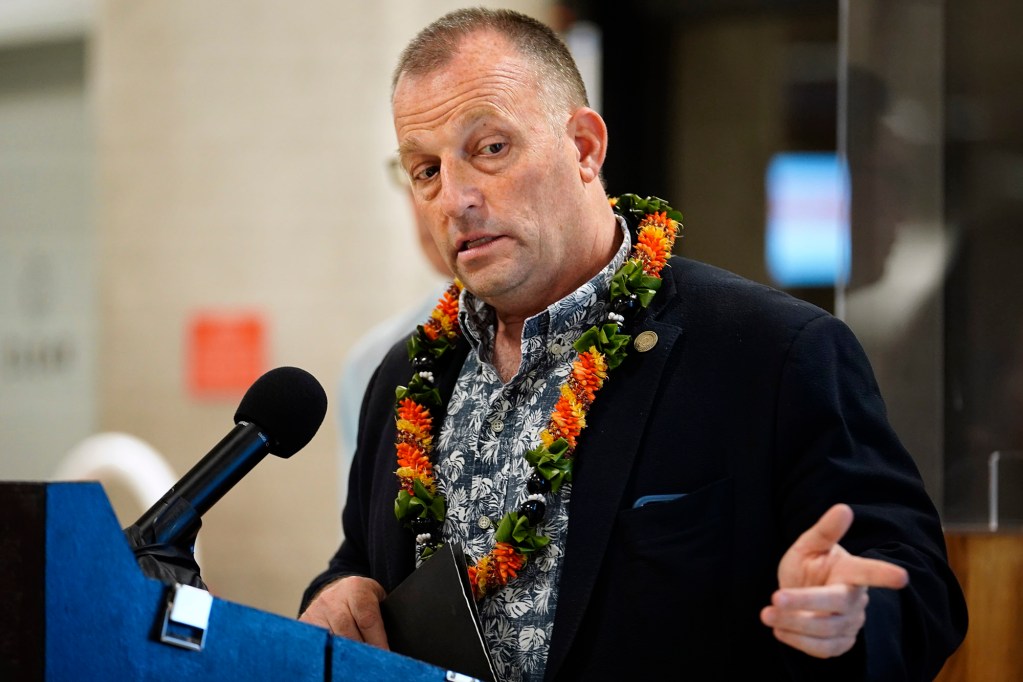
Gov. Josh Green’s administration has entered a broadly worded strategic partnership agreement – essentially a non-binding memorandum of understanding – backing Tokyo-based JERA’s LNG proposal, which the governor describes as a cheaper, cleaner-burning alternative to the imported oil HECO uses to fuel its Oʻahu power plants.
So HECO’s war with JERA also puts the company at odds with Green less than two years after the governor helped broker a $4 billion settlement related to the Maui wildfires that helped save HECO from bankruptcy. HECO agreed to pay $1.99 billion under the settlement, while state taxpayers contributed $865 million.
On Monday, Green renewed calls for HECO to work with JERA.
“The plan our energy office is supporting is a bridge to fully renewable energy which requires some compromise and collaboration, some LNG and lots of solar to get us there,” Green said. “We’ve had months and months of discussions between the parties and in my opinion they should be able to reach common ground.”
Green invoked the help he provided HECO.
“I took deliberate actions over the last three years to make sure HECO didn’t collapse after the wildfire, for the good of Hawaii,” Green said, “and they owe it to the people of Hawaiʻi now to finally find partners that can help secure our energy grid, our firm power energy needs and do something to get us more quickly off oil, to lower prices.”
It’s an interesting time for HECO to be flexing its political muscle against a governor who previously supported the company, says Colin Moore, a professor of political science at the University of Hawaiʻi.
“It certainly demonstrates a level of confidence that they can win this battle against the governor and another competitive energy company,” Moore said. “The optics of it are interesting because HECO’s public reputation was damaged pretty severely after the fire, and this will require presumably even more political capital.”
“But if they see a powerful new competitor taking away their 135-year monopoly or challenging it,” he added, “it might not matter. It might just be a battle they feel like they have to fight.”
Power Plants Are In Oʻahu’s Energy Future
HECO’s move to counter JERA comes as the utility embarks on its own new power plant for Oʻahu.
Hawaiʻi law requires all electricity sold in the state to be produced using renewable resources by 2045. However, power plants using renewable fuel such as bio-diesel, hydrogen or some other fuel are expected to be part of the portfolio.
Both HECO’s and JERA’s projects would use fuel-flexible generators that could switch to renewables in 2045.
The PUC has approved HECO’s plan for a $1.15 billion, 250-megawatt upgrade to its Waiau power plant that would initially burn oil and bio-diesel before transitioning to renewables by the mandated deadline.
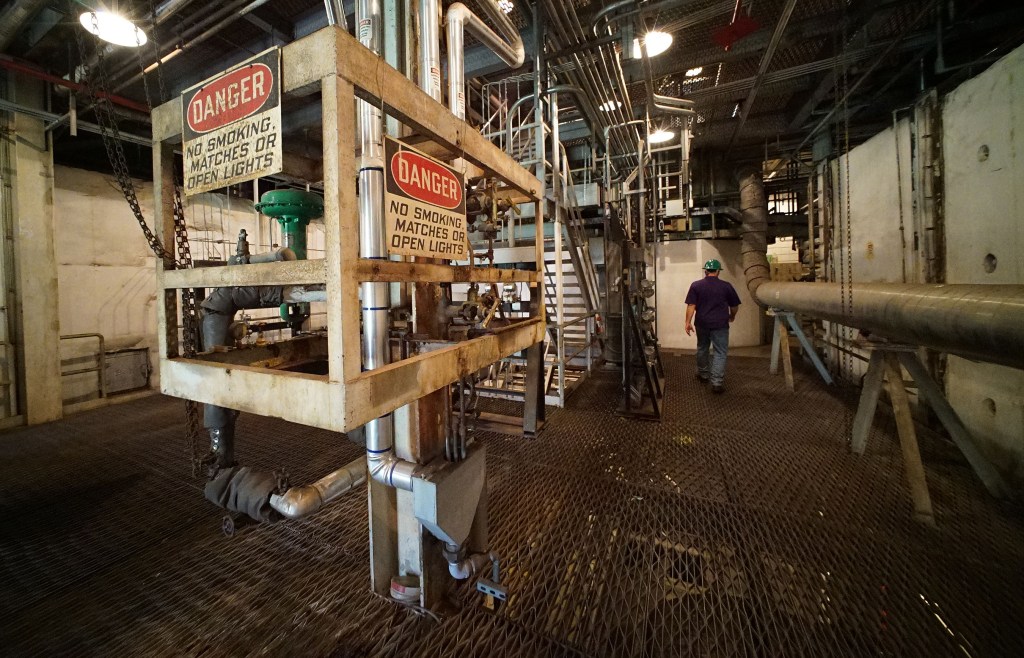
HECO’s project is expected to add $3 to $5 per month to the typical electric bills for residential customers, not counting the cost of bio-diesel, which is more expensive than the oil HECO now uses.
A major obstacle for HECO is how to pay for the Waiau upgrades. While the PUC gave HECO the green light to do them, regulators have said HECO can only charge ratepayers a total of $847 million, plus inflation adjustments – far short of the total HECO wanted to pass on to its customers.
HECO is still reeling financially from having to pay the $1.99 billion to settle lawsuits related to the 2023 Maui wildfires, which killed 102 people and destroyed much of Lahaina, and has applied for a federal loan to pay for the Waiau upgrades. That application is pending.
The company potentially faces additional permitting complications because the Waiau plant is located in a newly designated flood zone, which also could complicate its ability to get the federal loan.
Each Company Says Its Plan Is Better
In their filings to the PUC, each company lays out why its plan is better.
In a letter of intent to the PUC, JERA said its proposed new Oʻahu utility company – GenCo – would be subjected to ongoing PUC regulation and public scrutiny through the same arduous processes HECO must follow.
“The proposed GenCo would initially represent approximately 500 MW of new utility-scale generation – roughly one-third of Oʻahu’s existing firm generating capability – and therefore warrants the highest level of public transparency, regulatory scrutiny, and continuing oversight available under Hawaiʻi law,” JERA said. “JERA’s interest in this effort reflects its commitment to work in partnership with the State in advancing Hawaiʻi’s energy transition.”
The Legislature, JERA said, established the statutory framework for creating a new utility “to enable the Commission to determine whether new utility infrastructure of this significance serves the public convenience and necessity, and JERA believes that framework is particularly well suited to the proposal.”
Establishing a new utility makes more sense, JERA said, than serving merely as a HECO contractor providing electricity at wholesale prices for HECO.
But HECO argues there’s no need for a new utility on its long-held turf. HECO normally buys electricity from independent power producers after issuing requests for proposals to which developers – usually big wind and solar farms – respond. HECO then chooses which projects to pursue under PUC oversight.
HECO chose its Waiau project as a “self-build” project in response to a request for proposals for “renewable” power plant capacity, for example, even though Waiau will initially continue to burn some oil.
HECO says it’s better for the PUC to let other companies bid to build a new power plant than to let JERA set up a new utility.
“Hawaiian Electric believes the competitive bidding process is more transparent than what JERA contemplates,” the company said. “The competitive bidding process is well-established and widely understood by stakeholders.”
That means public participation is more likely under competitive bidding than the process of setting up a new utility, which is rarely used, HECO said.
“This request is intended first and foremost to protect customer value and address affordability pressures while maintaining reliable service,” HECO said.
If the PUC opts not to allow HECO to send out requests for proposals, the company asked the PUC to let it submit an “alternative to the regulated utility option that JERA has proposed.”
JERA’s letter of intent did not say when it will file its full, formal request to the PUC.
Civil Beat’s coverage of climate change and the environment is supported by The Healy Foundation, the Marisla Fund of the Hawai‘i Community Foundation and the Frost Family Foundation.

