All Aloha, Little Action: Hawaiʻi's Underused Sister-City Network
Sister-city partnerships should be more than photo ops. They need to be sustained, nurtured and aimed at measurable public benefits.
August 27, 2026 · 4 min read

About the Author

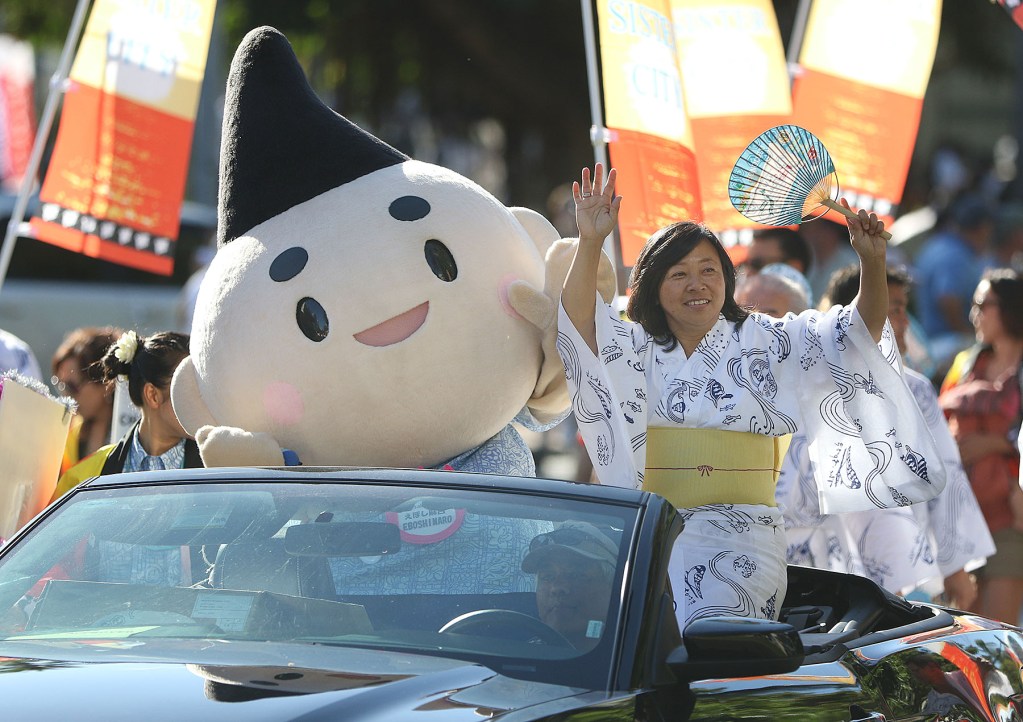
For decades, Hawaiʻi has used partnerships with sister cities and sister states to celebrate culture and build international goodwill. These partnerships have helped connect residents and institutions across borders while opening practical opportunities for mutual development, while strengthening the state’s place in the Asia Pacific. Take for example Nagaoka’s commemorative fireworks and visiting delegations during Honolulu Festival, tourism campaigns in Japan, student exchanges involving Japanese and Korean schools, and climate discussions with Pacific Island communities.
However, sister-city partnerships should be more than photo opportunities for politicians. Ceremonial signings and occasional cultural events also cannot substitute for sustained programs with measurable public benefits. The imbalance is visible on state websites. The Business Development and Support Division, which houses Hawaiʻi’s sister-state program, prominently lists three top-level exporting programs: the general Hawaiʻi State Trade Expansion Program (or HiSTEP) and two Japan-centered initiatives: the Hankyu Fair and the Tokyo International Gift Show. HiSTEP’s broader Go Global program does include events in markets such as Dubai and Australia, but these opportunities are not clearly integrated with Hawaiʻi’s wider network of sister relationships.
This matters because Hawaiʻi’s own sister-state policy declares that economic benefit should be equal to friendship, cultural ties, and goodwill. It also recognizes that active private-sector participation is necessary to sustain these relationships. Our current approach does not consistently fulfill that vision.
Japan is and should remain one of Hawaiʻi’s closest partners. But Hawaiʻi should not depend so heavily on a single country for international exchange and commercial outreach among the many other sister-city and sister-state networks we have available. Overconcentration makes our economy and international relationships less resilient while leaving valuable partnerships elsewhere underdeveloped.
Instead, Hawaiʻi should establish trade fairs, product showcases, business delegations, and chamber-to-chamber partnerships with sister jurisdictions in the Philippines (Cebu), China (Chengdu), Taiwan (Kaohsiung), Portugal (Sintra), Spain (Madrid), and other already established sister-city and sister-state markets. These relationships could support Hawaiʻi agriculture, food products, education, technology, renewable energy, tourism, and creative industries.
The missing link is closer coordination. State and county governments could bring together chambers of commerce, industry associations, exporters, cultural organizations, immigrant communities, and sister-city committees. Honolulu maintained a sister-city relationship with Baku, Azerbaijan, beginning in 1998, yet City Council records repeatedly acknowledge a lack of meaningful activity. The Office of Economic Development (OED) also reported difficulty identifying local advocates, and the relationship was then proposed for termination. But the absence of an immediately visible constituency should have prompted active outreach; not abandonment. City officials could have engaged Hawaiʻi’s Azerbaijani and broader Caucasus communities, local universities, cultural organizations, and businesses with interests in international trade.
Baku’s termination therefore illustrates a broader weakness in Honolulu’s approach: partnerships are allowed to fade when government cannot find advocates, rather than government building the coalitions needed to sustain them. Community partners possess the language skills, relationships, and local knowledge that businesses often lack; business organizations bring capital, commercial expertise, and market objectives. Government should bridge that divide.
Honolulu’s own records demonstrate the cost of allowing these ties to become symbolic. A 2018 Office of the Mayor report identified no reported OED activity with several sister cities, including Cali, Caracas, Mandaluyong, Qinhuangdao, Sintra, and Zhangzhou, while reporting little activity with Funchal, Majuro Atoll, and San Juan. In 2021, the Honolulu City Council adopted Resolution 21-74, warning Qinhuangdao, Zhangzhou, Mumbai, Rabat, Mandaluyong, Funchal, and Sintra that their relationships could face termination unless meaningful activity resumed. This should prompt more than periodic reconsideration of dormant partnerships. It should inspire a clearer strategy.
Each partnership would ideally have a multi-year action plan identifying shared industries, responsible organizations, and measurable goals. Annual reports should track business introductions, participating companies, trade leads, contracts, investments, and educational or workforce opportunities. Relationships that remain inactive despite sustained outreach should be restructured or concluded.
Hawaiʻi does not need to choose between cultural diplomacy and economic development. Culture creates the trust that makes commerce possible. By connecting cultural relationships with business strategy, Hawaiʻi can diversify its international partnerships and ensure that sister-city agreements produce more than just elaborate ceremonies; they can create lasting opportunities for local businesses, workers, and communities.
 Sign up for our FREE morning newsletter and face each day more informed.
Community Voices aims to encourage broad discussion on many topics of community interest. It’s kind of a cross between Letters to the Editor and op-eds. This is your space to talk about important issues or interesting people who are making a difference in our world. Column lengths should be no more than 800 words and we need a photo of the author and a bio. We welcome video commentary and other multimedia formats. Send to news@civilbeat.org. The opinions and information expressed in Community Voices are solely those of the authors and not Civil Beat.
Local reporting when you need it most
Support timely, accurate, independent journalism.
Honolulu Civil Beat is a nonprofit organization, and your donation helps us produce local reporting that serves all of Hawaii.
ContributeAbout the Author